
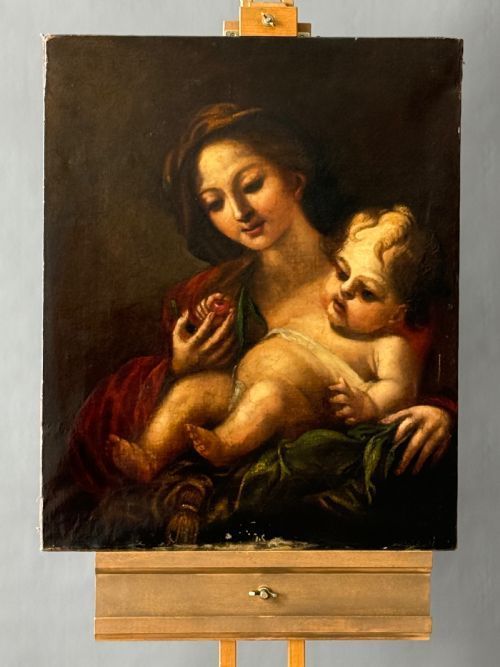


Antique Fine Art Canvas
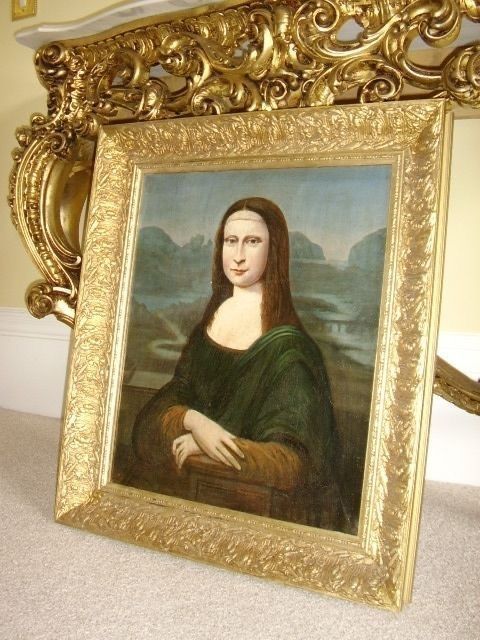
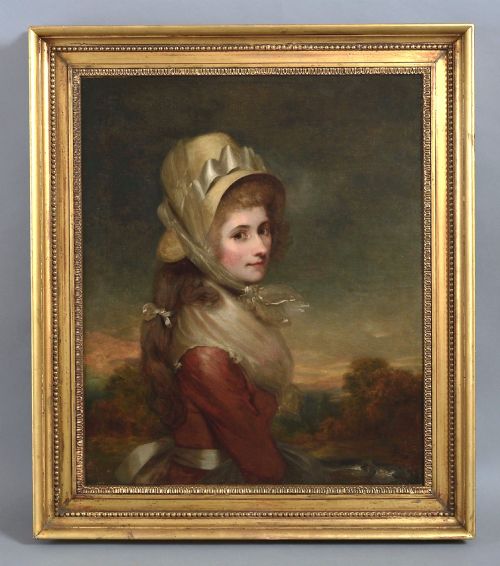
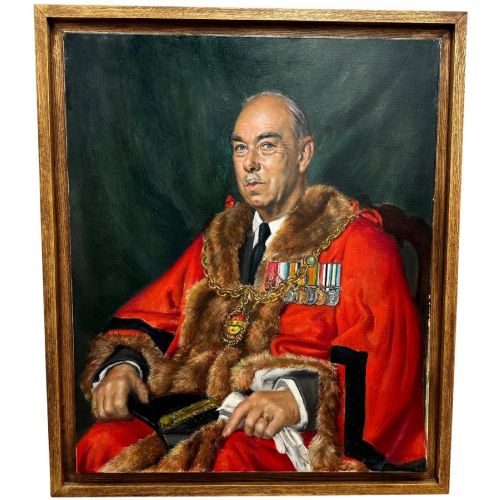
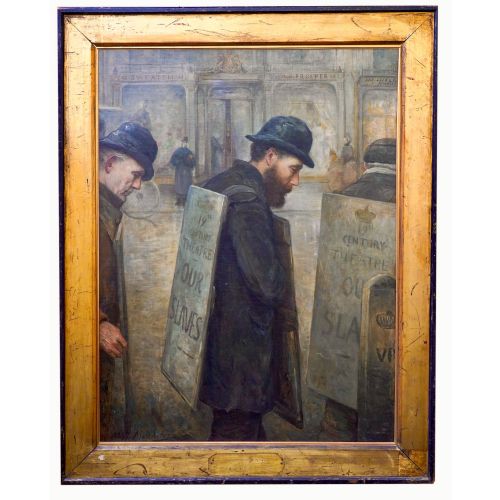
An antique fine art canvas brings centuries of painted history into a room, offering enduring portraiture and landscapes created with oil paint.
Antique Fine Art Canvas
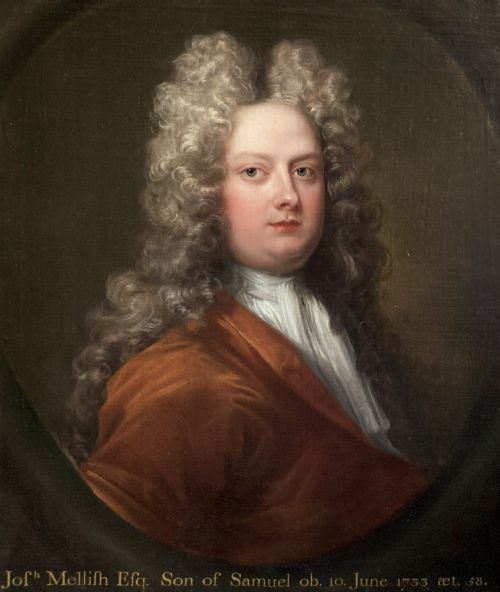
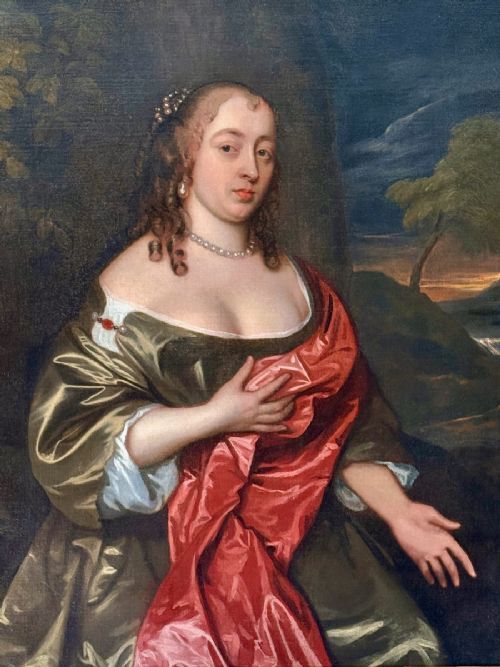
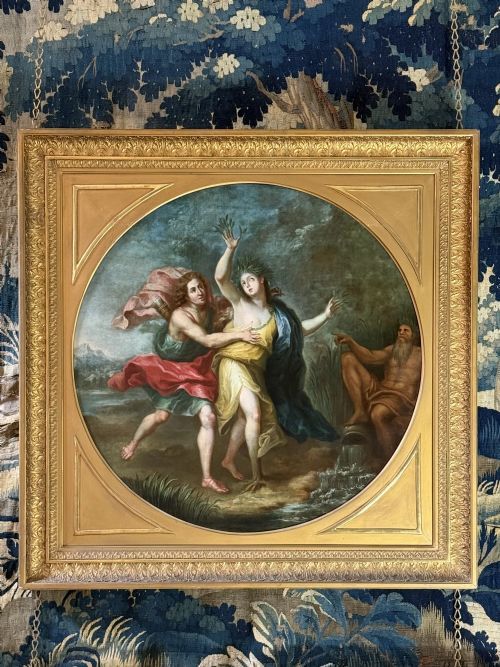
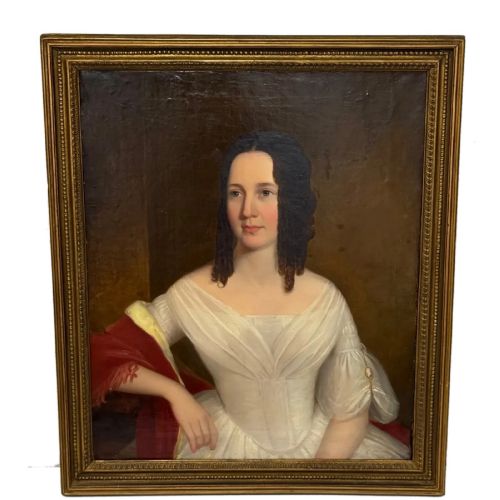
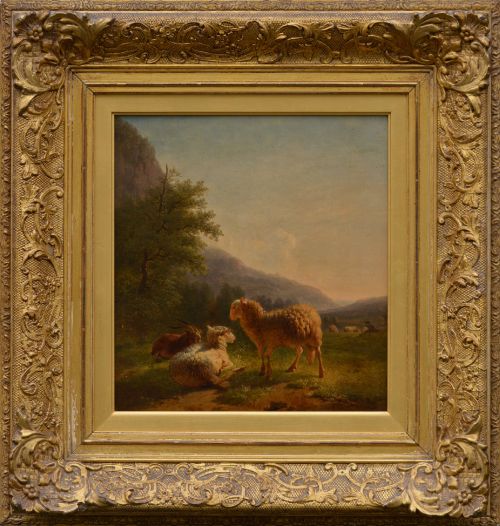
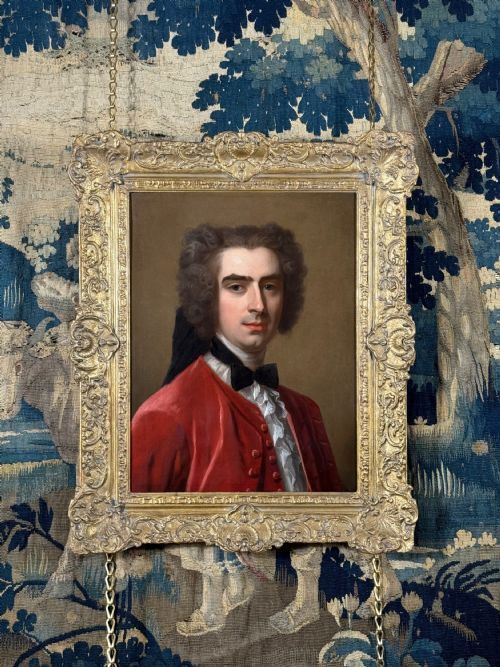
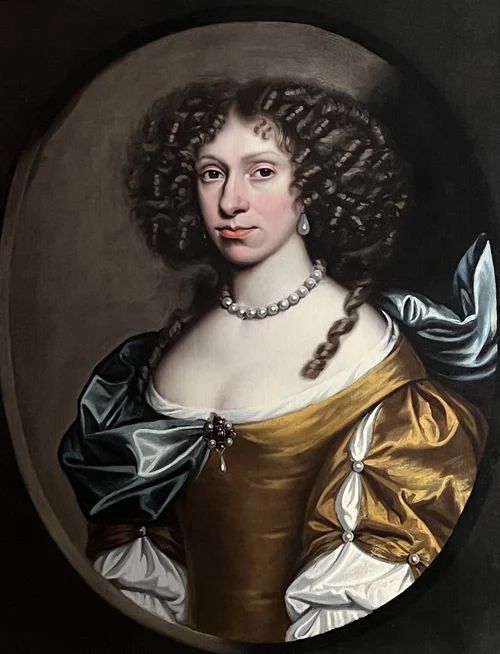
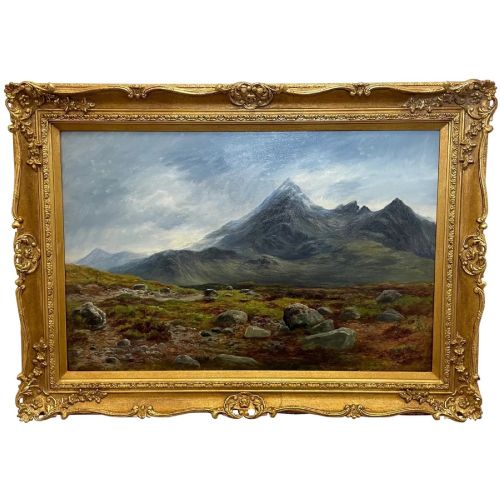
Portrait paintings dominate the selection, often depicting notable historical figures, local gentry, or anonymous subjects rendered with striking realism. Alongside portraits, buyers find classical subjects, pastoral landscapes, and coastal seascapes painted on woven fabric grounds.
Materials and Techniques
Painters built these works using oil paint applied to stretched woven fabric supports, often secured to wooden stretcher frames. Artists utilised rich pigments bound in oil to achieve depth, luminosity, and subtle tonal gradations across the composition.
Many significant works retain their original or period wooden and giltwood frames, sometimes enriched with gold leaf application. The combination of canvas, oil media, and hand-carved framing defines the physical construction of these historic artworks.
Antique Fine Art Canvas Retail Price Guide 2026
Typical asking prices for fine art canvas among the pieces listed under this phrase on Sellingantiques today, from the lower quarter to the upper quarter. They describe what is for sale here now, not the wider market.
Listings feature centuries of canvas painting traditions, stretching from seventeenth-century baroque portraits to twentieth-century impressionist landscapes.
Assessing Artistic Merit
Quality in these paintings rests primarily upon the brushwork, draughtsmanship, and the artist's ability to capture light and human expression. Superior pieces demonstrate confident handling of anatomy, textiles, and atmospheric perspective.
The historical significance of the subject and the documented attribution to a recognised hand elevate certain works above standard decorative portraits. Condition of the painted surface and the retention of an appropriate period frame also influence the overall standing of the piece.
Charles Jervas·John Hayls·Charles Antoine Coypel·Eugène Verboeckhoven·David Scougall·William Beattie Brown·Sir Martin Archer Shee·Bernard Hailstone·Felix Stone Moscheles·John Maler Collier·George Graham·Frederick Marriott·George Willison·John Opie·Joshua Reynolds·Jeremiah Davison·Francois Boucher·John Horace Hooper·Hendrik Willem Schweickhardt·Mary Beale·Thomas Murray·Sir Peter Lely·George Houston·Herbert Royle·Charles H Passey
The Antique Fine Art Canvas Glossary
- Oil on Canvas
- A painting medium where pigments suspended in drying oils are applied to a stretched woven fabric support. This technique allowed artists to work with greater flexibility and depth than earlier wooden panel methods.
- Old Master
- A term applied to European painters of high skill working before about eighteen hundred. These works form a cornerstone of early canvas art collections.
- Provenance
- The documented history of ownership of an artwork from its creation to the present day. Clear records help establish authenticity and historical context.
- Genre Painting
- The pictorial representation of scenes from everyday life involving ordinary people. These works capture social history alongside domestic or rural activities.
Antique Fine Art Canvas: Frequently Asked Questions
How do I identify the age of a canvas painting?
Dating relies on examining the canvas weave, the composition of the stretcher frame, and the ageing characteristics of the oil paint layers. Stylistic clues in the clothing, hair, and furniture depicted also point toward specific historical eras.
Expert analysis of framing techniques and historical records or inscriptions on the reverse further clarify the exact period of creation.
What is the difference between a portrait and a genre painting?
A portrait focuses specifically on recording the likeness, status, and identity of a real individual or family group. These works often carry biographical significance.
Genre paintings depict everyday scenes and anonymous people engaged in daily activities, prioritizing narrative and social life over individual likeness.
How should I care for an antique oil painting?
Protect the canvas from direct sunlight, excessive moisture, and rapid temperature fluctuations to prevent the oil paint from cracking or warping. Keep the hanging environment stable and dust the surface gently with a soft, dry brush.
Avoid using water or chemical cleaners on the paint surface, and consult a professional conservator for any cleaning or structural restoration.
Why are some paintings attributed to a circle or studio?
Attributions to a circle or studio indicate that the work emerged from a master's workshop under their supervision or closely mirrors their established style. These designations reflect collaborative workshop practices common in historic art production.
Such works demonstrate the technical standards of a prominent master without necessarily being painted by their own hand.