





English Landscape Painting
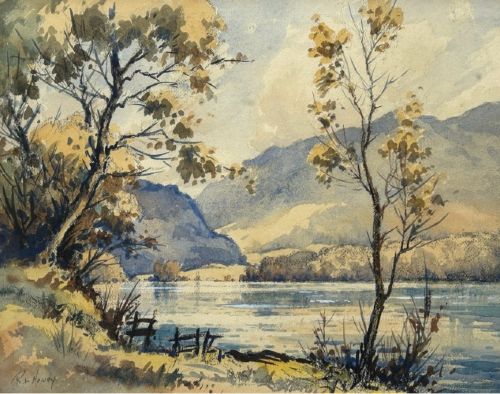
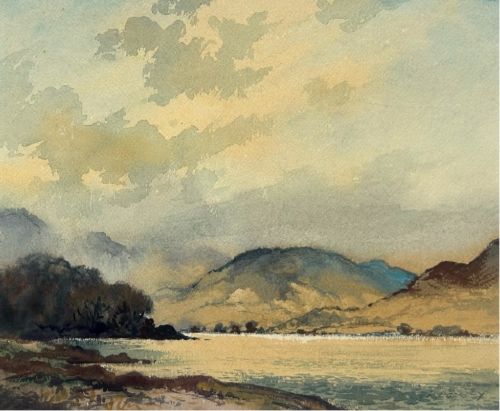
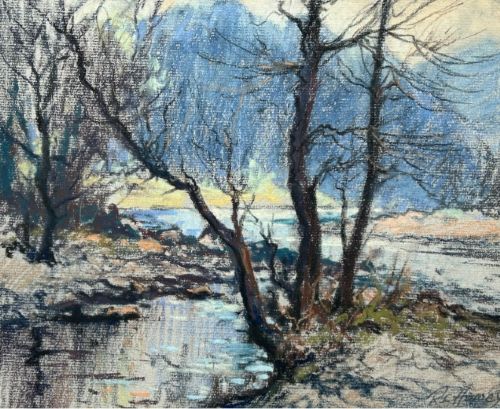
An English landscape painting captures the rural character, rivers, and villages of the countryside through oil or watercolour.
English Landscape Painting
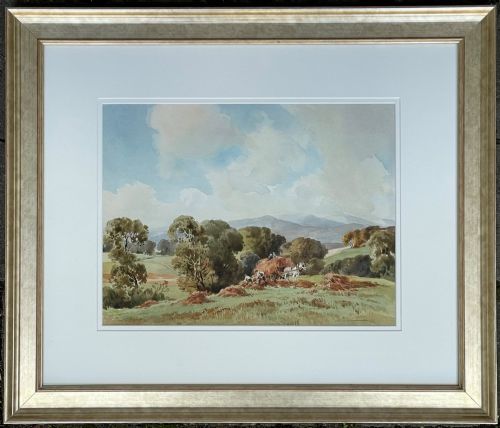
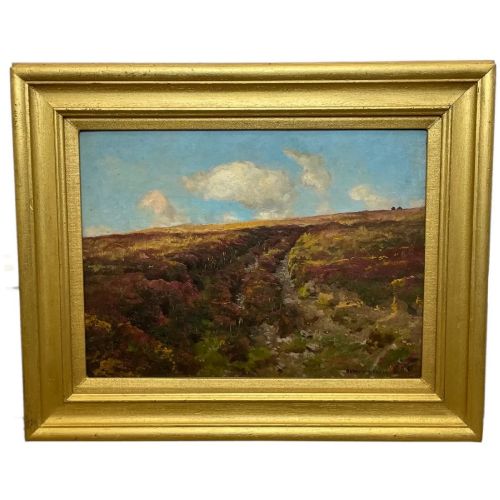
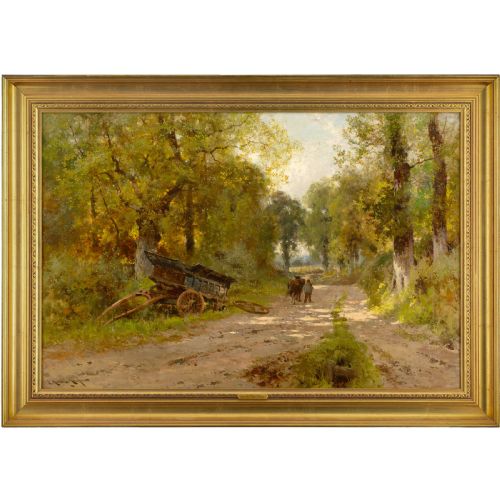
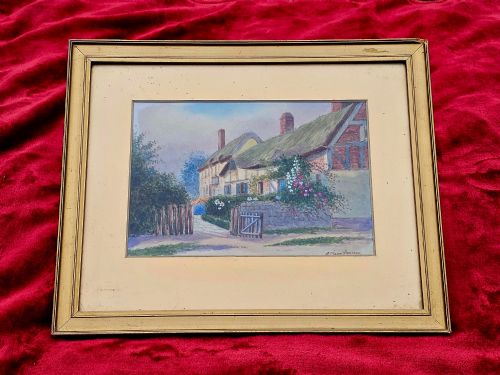
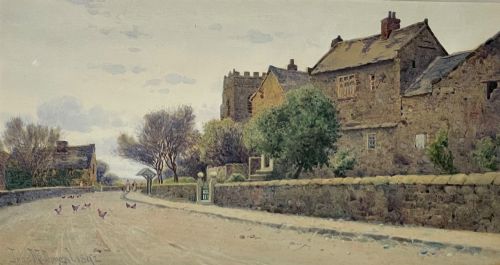
An English landscape painting records the rural terrain, rivers, and pastoral views of the countryside across several centuries. The selection ranges from 18th-century sketches and Victorian watercolours to mid-century oil paintings on canvas or board.
Most examples meet buyers through watercolours on paper and oils on canvas, depicting local scenes such as Yorkshire churches, Cornish harbours, and Berkshire rivers. These works reflect stylistic movements from Georgian precision through British Impressionism to mid-century modern art.
The regional variety spans northern river valleys, southern coastlines, and Midland villages. Each piece presents a specific topography recorded by artists working on the spot or within regional schools.
How They Were Made
Artists built these compositions using pigment applied to paper, canvas, wood panels, or card. Watercolour applications often combine with ink on paper to define architectural or natural details.
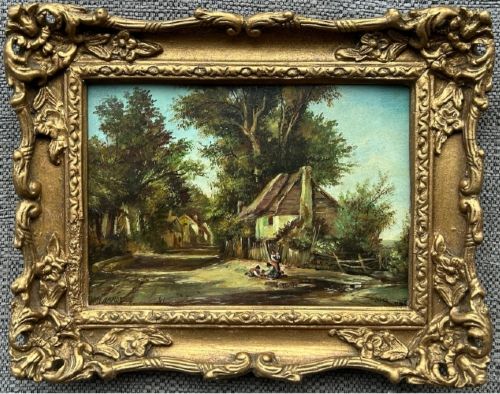
Oil paintings utilise pigment bound in drying oils, layered upon stretched canvas, wooden panels, or board. Frames incorporate wood and gesso to house the completed works.
English Landscape Painting Retail Price Guide 2026
Typical asking prices for english landscape painting among the pieces listed under this phrase on Sellingantiques today, from the lower quarter to the upper quarter. They describe what is for sale here now, not the wider market.
The inventory records pieces spanning the 18th century, 19th century, and 20th century, including dates from 1830 to 1950.
What Varies in Quality
The standard of execution rests in the handling of light, atmosphere, and spatial depth. Stronger works demonstrate confident brushwork or transparent washes that convey weather and terrain convincingly.
Materials and preservation dictate the stability of the surface. Intact pigments on stable canvas, panel, or paper retain the tonal contrasts intended by the painter.
Joseph RR McCulloch RBA·Herman S Melville·Fred Lawson·Edward Dayes·Owen Bowen·John Gilbey Bowles·John Pedder·Arthur W Newsholme·William Burns·Alexander Jamieson·Walter Emsley·Florence F Wilmot·Karl S Wood·James Fenton·Singleton Jowett·Tom Anderton·Allan Freer·Percy Hipkiss·Lady Julia Gordon·Majorie Hoare·W Matthews·John Sowden·Thomas Herbert Victor·John Syer·David Cox Senior
The English Landscape Painting Glossary
- Watercolour
- A paint consisting of pigment suspended in a water-based solution, applied to paper to create transparent washes of colour.
- Gesso
- A plaster-like mixture applied to wood panels or frames to provide a smooth surface for painting or gilding.
- Triptych
- A picture divided into three painted panels, often hinged or displayed together to form a single continuous landscape.
- British Impressionism
- A late 19th and early 20th-century style focusing on light, loose brushwork, and everyday rural or coastal subjects.
- Twentieth Century British School
- A broad classification for artists working in Britain between 1900 and 2000, encompassing traditional landscapes and modern movements.
English Landscape Painting: Frequently Asked Questions
What periods do these paintings cover?
The available selection spans from the late 18th century through the Victorian era into the mid-20th century. Works from the 1910s, 1920s, and 1930s sit alongside earlier Georgian and Victorian examples.
Each period brings distinct framing choices and painting techniques, reflecting the changing priorities of British artists working outdoors and in studios.
How were these watercolours and oils framed?
Many examples retain their original period frames, which often incorporate carved wood and gesso ornamentation. These housings reflect the aesthetic tastes of the decade in which the painting was completed.
Matching the frame to the era of the canvas preserves the historical integrity of the piece.
Where do these landscape views come from?
The topographical subjects cover specific English locations, including Yorkshire, Cornwall, the Thames valley, and the Lake District. Artists recorded local cottages, mills, rivers, and coastal harbours.
Identifying the named geographical spot connects the artwork directly to a tangible place in the British countryside.
How do I care for antique paintings on paper?
Watercolours on paper require protection from direct sunlight to prevent the fading of pigments. Displaying them away from moisture sources preserves both the paper support and the framing materials.
Keeping the backing board sealed protects the work from environmental fluctuations over time.