


British School Painting
A british school painting captures centuries of portraiture and landscape traditions, offering collectors a direct link to historic artistic practice.
British School Painting
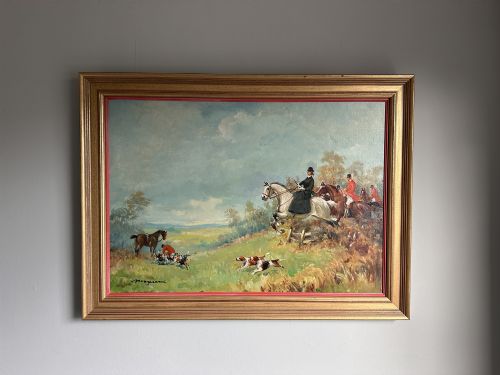
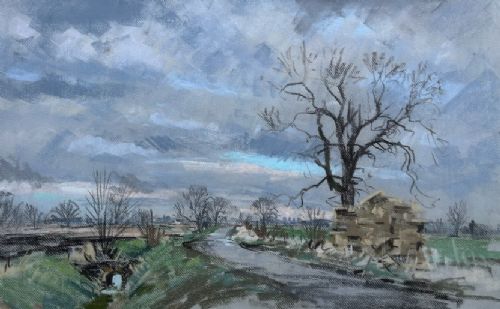
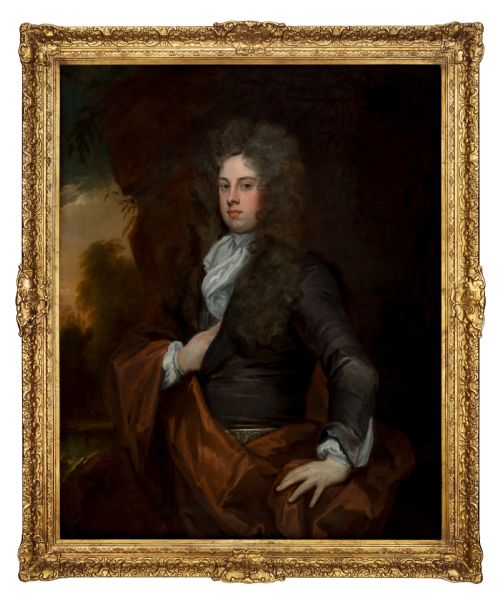
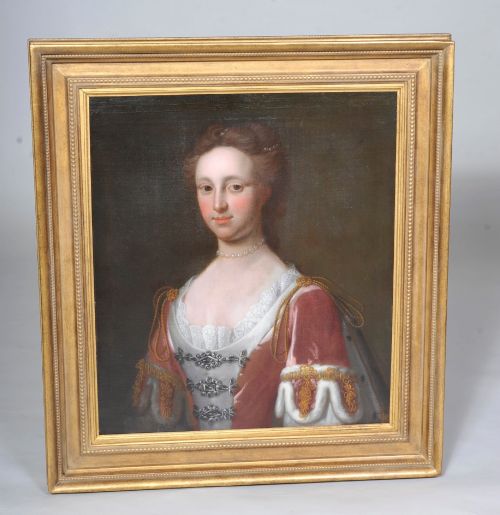
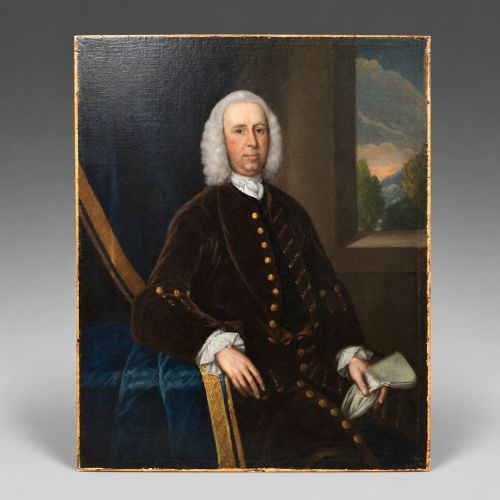
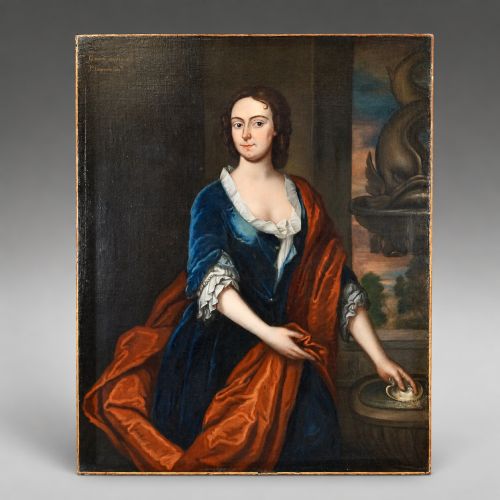
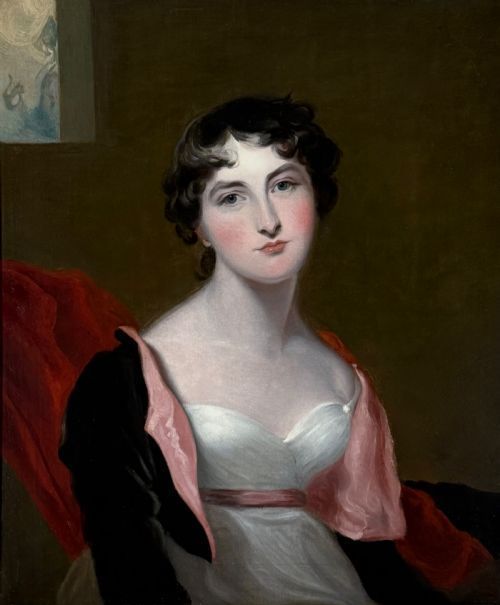
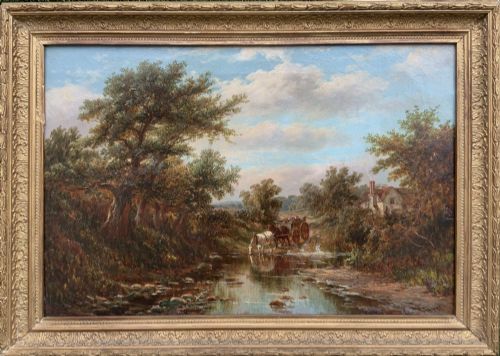
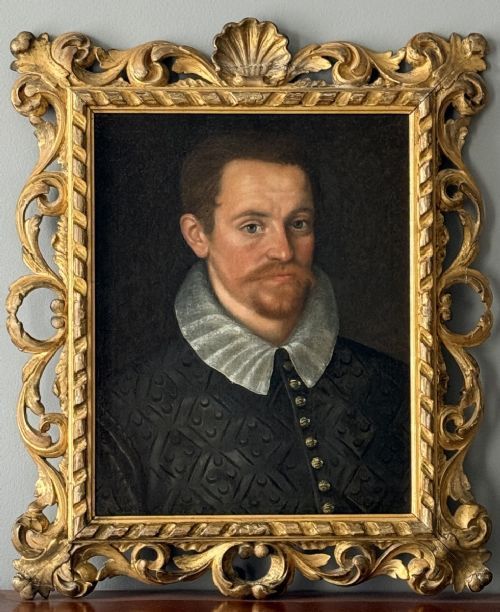
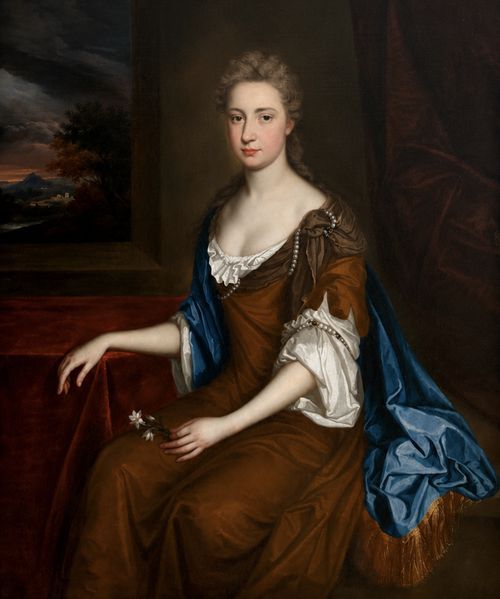
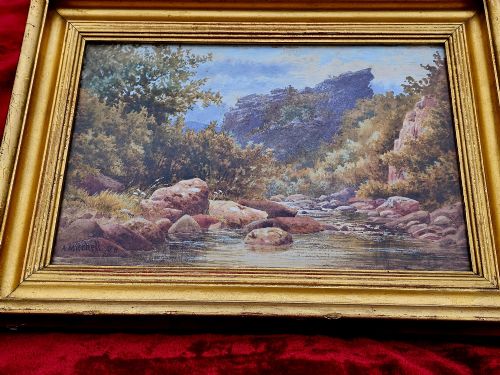
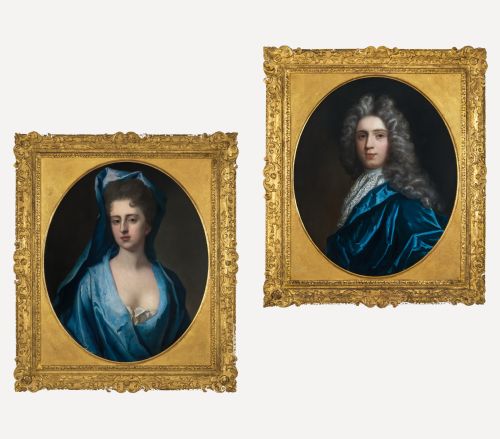
A british school painting encompasses works created by artists working within British traditions across the seventeenth, eighteenth, nineteenth, and twentieth centuries. Buyers frequently encounter oil on canvas portraits, watercolour landscapes, and framed artwork originating from various regional and national movements.
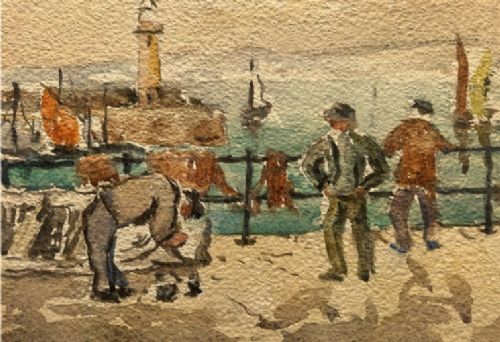
The selection ranges from anonymous studio studies and provincial depictions to signed works by notable portraitists and landscape painters. Subjects vary widely from historical figures and nobility to rural landscapes, coastal scenes, and townscapes.
Pieces frequently reflect specific historical periods including the Victorian era, Georgian period, and Edwardian decades. This diversity allows collectors to focus on particular subjects such as animal portraits, maritime views, or military studies.
How They Were Made
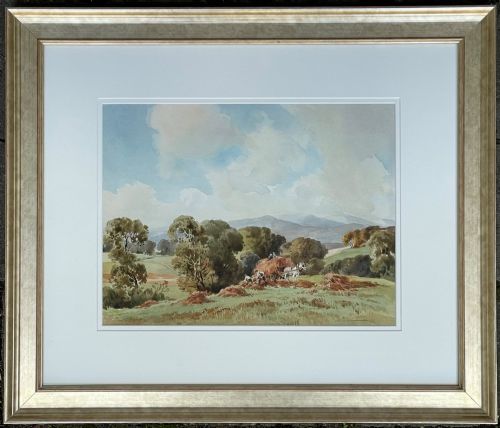
Artists primarily utilised oil paint applied to canvas, wood panels, or wooden boards, building rich textures and deep tones. Watercolours on paper also form a substantial part of the tradition, capturing lighter atmospheric effects and detailed linework.
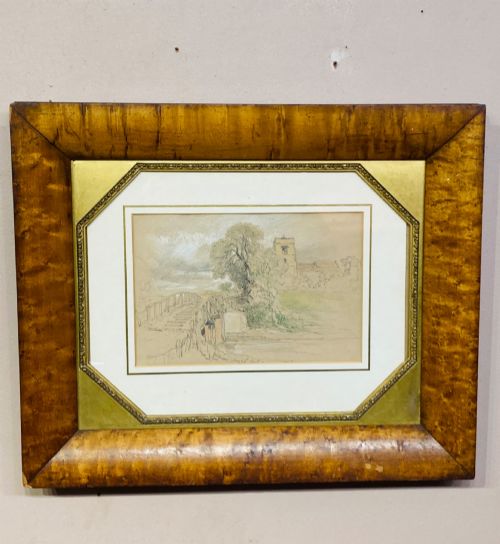
Framed artwork relied on traditional mounting and stretching techniques using wood and glass to protect delicate pigments and paper surfaces over centuries.
British School Painting Retail Price Guide 2026
Typical asking prices for british school painting among the pieces listed under this phrase on Sellingantiques today, from the lower quarter to the upper quarter. They describe what is for sale here now, not the wider market.
The listings span multiple centuries, ranging from seventeenth-century portraits to twentieth-century modern British works.
What Varies In Quality
The standard of execution depends heavily upon the artist's brushwork control, anatomical precision in portraits, and perspective depth in landscapes. Finer works demonstrate a sophisticated handling of light and shadow, particularly in oil studies and coastal scenes.
Attribution and provenance heavily influence a piece, distinguishing signed works by recognised Royal Academy artists or named painters from anonymous British school productions.
Sir William Beechey·Charles Jervas·Sir Godfrey Kneller·Sir Joshua Reynolds·Sir Allan Ramsay
The British School Painting Glossary
- Oil on Canvas
- Pigment mixed with drying oil applied to a stretched cloth support. This technique allowed artists to achieve rich colour saturation and subtle blending.
- Watercolour
- A paint consisting of colour suspended in a water-soluble binder, typically applied to paper. It offers translucent washes and delicate detail.
- Portrait Miniature
- A small, highly detailed painting depicting a person. These intimate works often utilised delicate brushwork on specialised surfaces.
- Wood Panel
- A rigid wooden support used for painting prior to the widespread adoption of canvas. Panels provide a stable, smooth surface for detailed oil works.
- Provenance
- The chronological documentation of the ownership history of a work of art. Clear provenance establishes authenticity and historical context.
British School Painting: Frequently Asked Questions
What defines a british school painting?
These works represent creations by artists trained or working within British artistic traditions without necessarily pointing to a single named master. They often reflect the prevailing style and technique of a specific century.
Many pieces remain anonymous or attributed to broader movements like the Norwich School, showcasing traditional portraiture and landscape motifs.
How should I care for an oil painting?
Oil paintings require stable indoor environments away from direct sunlight and dramatic humidity shifts. Canvas and wooden supports react to moisture and temperature changes.
Dusting should be done gently with a soft, dry brush without applying pressure to the pigment surface or the wooden frame.
Can I identify the period of a piece?
Periods can often be identified through clothing styles in portraits, framing techniques, and the preparation of the canvas or paper support. Pigment analysis and stretcher construction also offer chronological clues.
Comparing brushwork signatures and regional styles helps narrow down the active decade or century of the artist.
Where were watercolours displayed?
Watercolour paintings on paper were typically mounted under glass within protective frames to prevent fading and moisture damage. They were commonly hung in domestic drawing rooms and studies.
Due to their sensitivity to light, these works were historically kept away from direct sunlight in home interiors.