
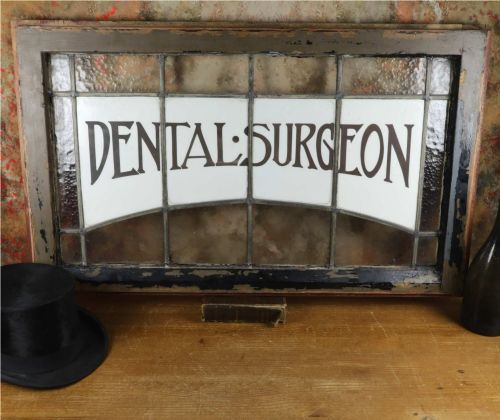
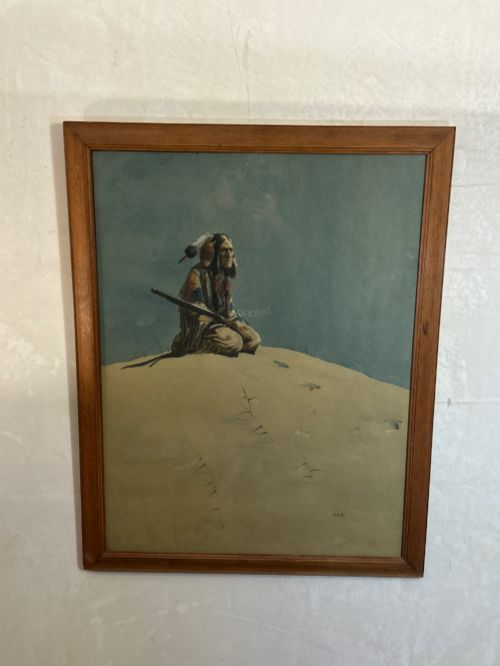
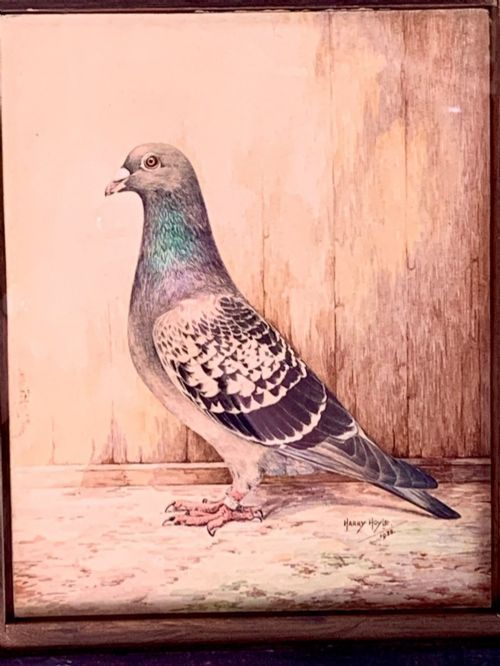
Wooden Framed Painting
A wooden framed painting brings period character and historic depth straight to a room, offering genuine artistic heritage.
Wooden Framed Painting
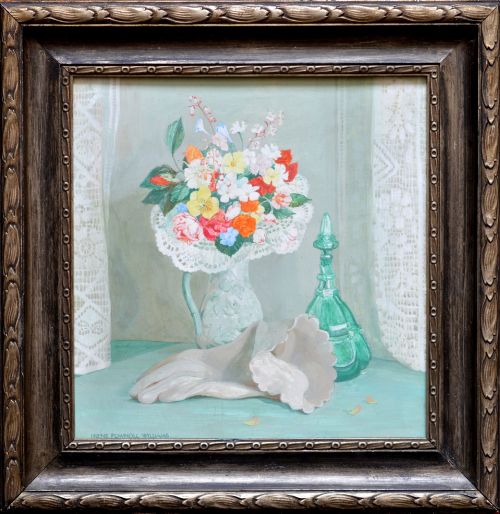
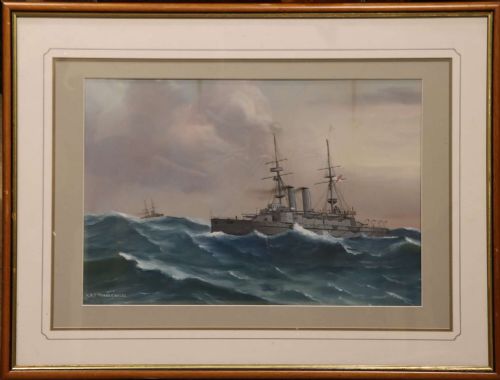
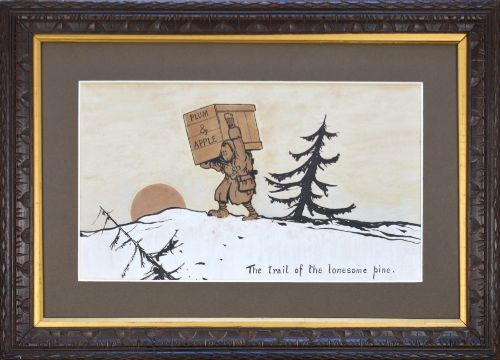
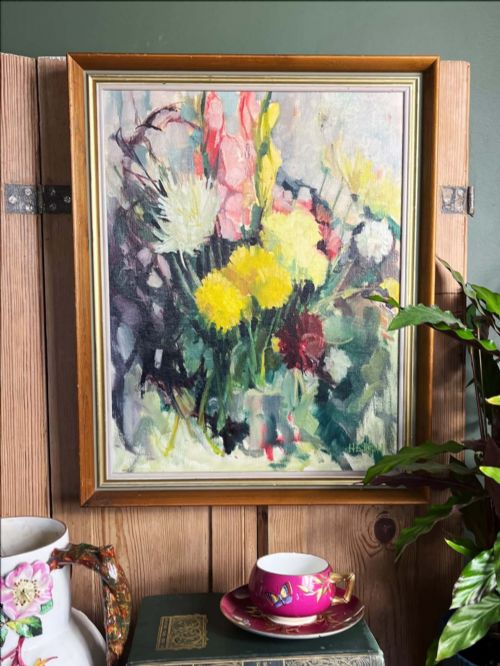
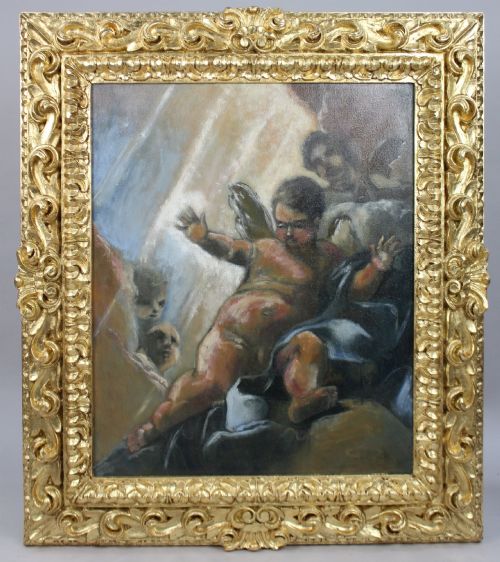
A wooden framed painting encompasses framed artworks, oil paintings, and watercolours housed within period wooden surrounds. Buyers seeking a wooden framed painting will encounter pieces ranging from Victorian watercolours to mid-century oils on canvas and board.
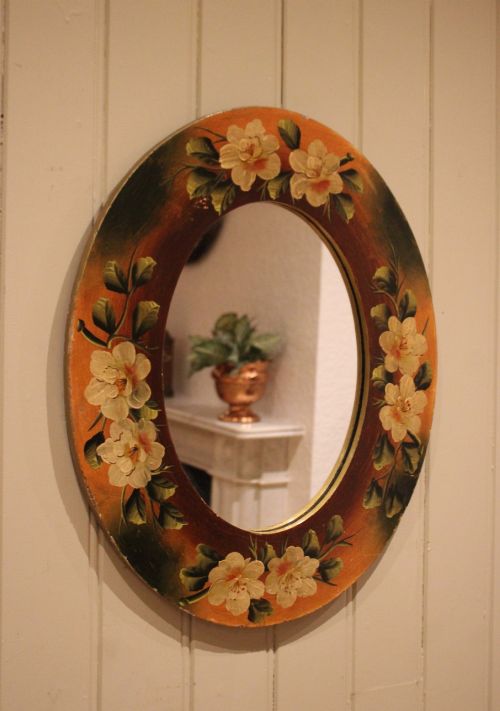
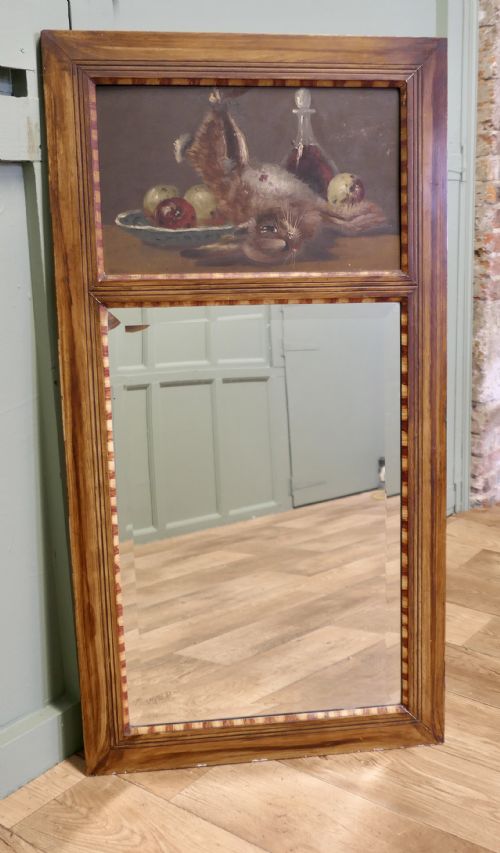
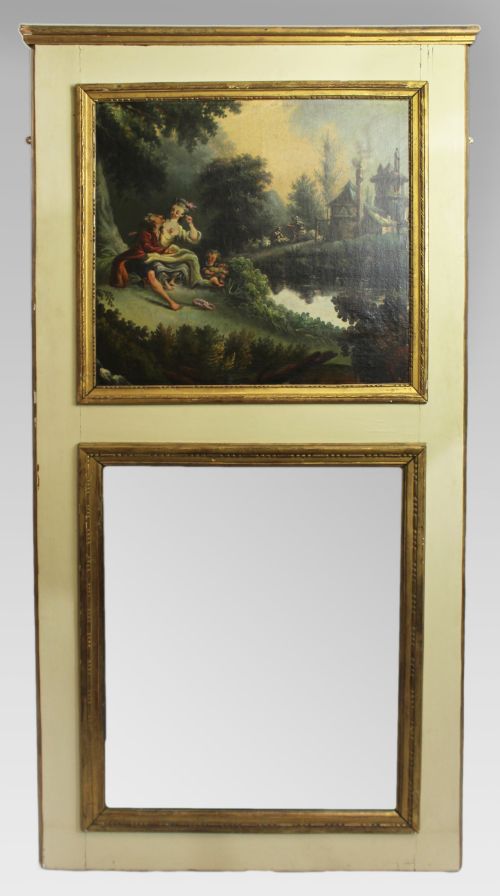
The selection leans heavily toward nineteenth-century and Edwardian works, alongside twentieth-century examples. Alongside traditional wall art, the inventory includes related items like painted mirrors and panels sharing period wooden frames.
Originating across Britain and continental Europe, these works combine painted surfaces on canvas, paper, or wood with sturdy timber framing. Each piece represents a specific historic moment, captured through diverse regional painting styles.
Materials and construction
Artists painted on a variety of grounds, utilising oil paint on canvas or wooden panels, and watercolour or gouache on paper. These surfaces were then secured within timber frames constructed from oak, mahogany, or giltwood.
Frames often involved skilled joinery and carved ornamentation, protecting the fragile paper or canvas within. Glass frequently covered works on paper to shield delicate watercolours and pastels from environmental damage.
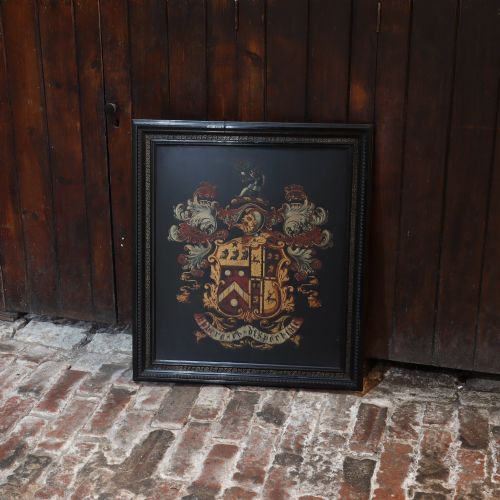
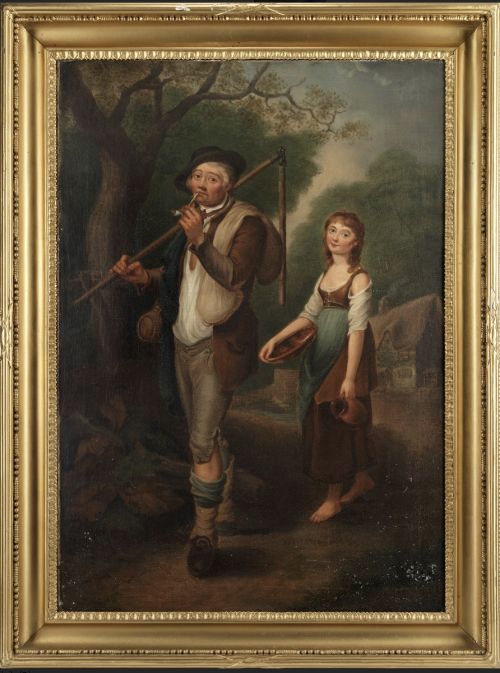
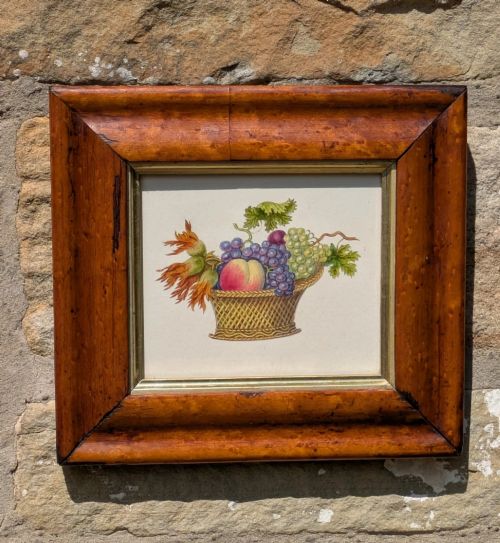
Listings span the nineteenth and twentieth centuries, featuring watercolours, oil paintings, mirrors, and heraldic panels framed in wood.
Judging quality and execution
Quality rests in the dexterity of the brushwork and the harmony between the painting and its original wooden frame. Superior examples demonstrate assured handling of medium, whether capturing marine scenes, portraits, or pastoral landscapes.
The integrity of the timber frame also dictates value, with period-matching carved or moulded wood elevating the overall cohesion of the piece. Lesser examples may show later reframing or weaker compositional balance in the painted subject.
Bruce Bairnsfather·John Hassall·Thomas Barker of Bath·James Gillespie·Joseph H Barnes·Miles and Edwards·Sir Peter Markham Scott·Carl Whitfield·Herbert Gustave Schmaltz
The Wooden Framed Painting Glossary
- Trumeau
- A decorative wall mirror or panel featuring a painted scene or artwork set into the upper section. These architectural pieces originated in eighteenth-century France and remained popular through the nineteenth century.
- Giltwood
- Timber treated with a thin layer of gold leaf applied over a prepared gesso surface. This finish was widely utilised on grand frames to catch candle or natural light.
- Watercolour
- A paint consisting of water-soluble pigments applied to paper. It allows for translucent washes that capture light effectively.
- Oil on canvas
- Pigments suspended in a drying oil applied to a stretched woven fabric support. This technique became the standard for durable, textured fine art.
- Panel painting
- A painting executed on a flat piece of wood rather than stretched canvas. This method provides a rigid support often found in earlier historic works.
Wooden Framed Painting: Frequently Asked Questions
How do I hang a heavy wooden framed painting safely?
Heavy framed artworks require robust wall fixings suited to the specific wall type, such as solid masonry or lath and plaster. Utilising professional picture hooks rated for the weight ensures the piece remains secure.
Position the painting at eye level to achieve the best visual balance within the room. Ensure the hanging wire or brackets on the reverse are firmly attached to the wooden frame before mounting.
Should I display watercolours in direct sunlight?
Watercolours and works on paper are particularly sensitive to ultraviolet light and fading. Placing them away from direct sunbeams preserves the original pigment intensity.
Using specialised glazing with UV protection helps shield delicate paper artworks from environmental degradation. Regular rotation of pieces also minimises prolonged exposure risks.
How do I clean an antique wooden frame?
Dusting antique wooden frames gently with a soft, dry cloth prevents the accumulation of grime without damaging the surface. Avoid using liquid cleaners or chemical polishes that might strip historic finishes.
Carved giltwood elements require extra caution to prevent flaking of the gold leaf. For deeper cleaning, consult a professional conservator rather than attempting aggressive restoration.
Can I tell the age of a painting from the frame?
Frames often provide strong clues to a piece's age through construction methods, wood types, and decorative styles. Hand-carved mouldings and traditional joinery generally indicate earlier periods.
However, frames and paintings were frequently reunited over the centuries. Examining both the canvas backing and the frame rabbet helps determine if the pairing is original.