
Framed Horse Canvas
A framed horse canvas brings centuries of equine artistry and British sporting heritage directly onto the living room wall.
Framed Horse Canvas
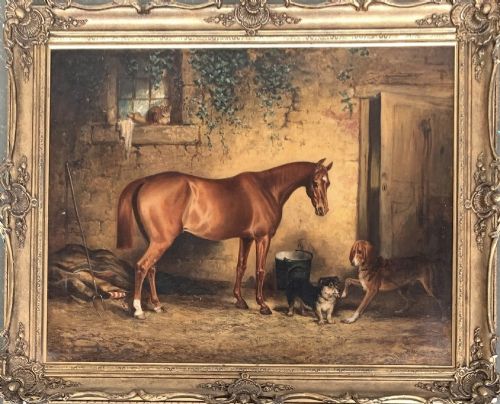
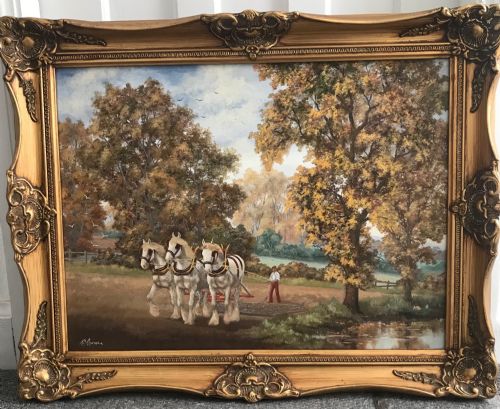
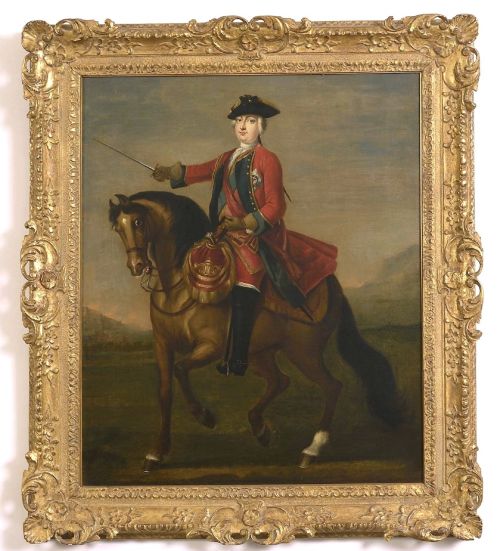
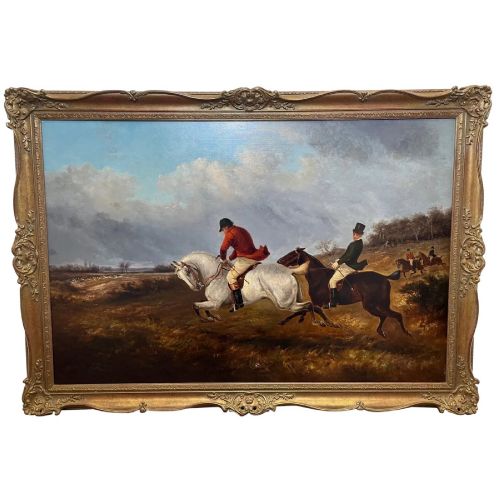
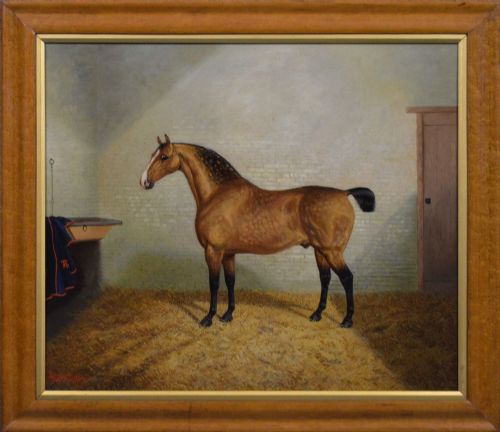
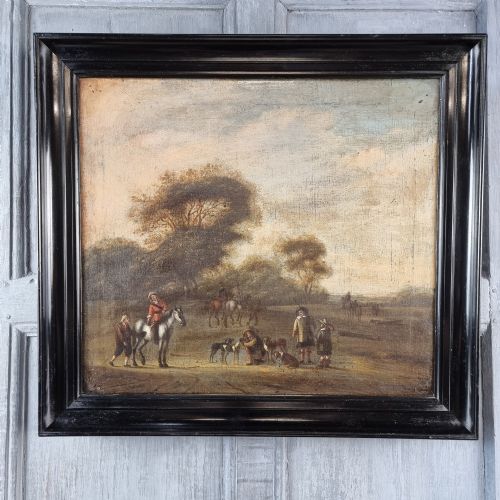
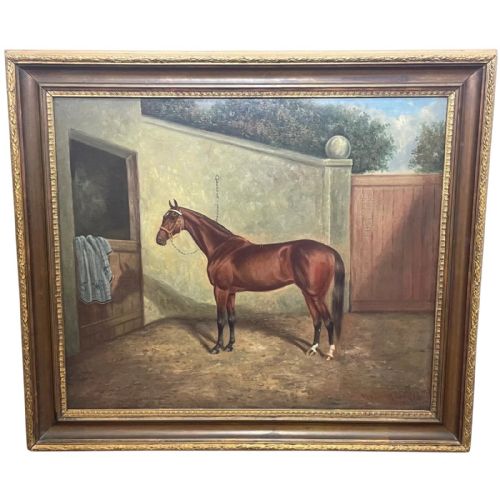
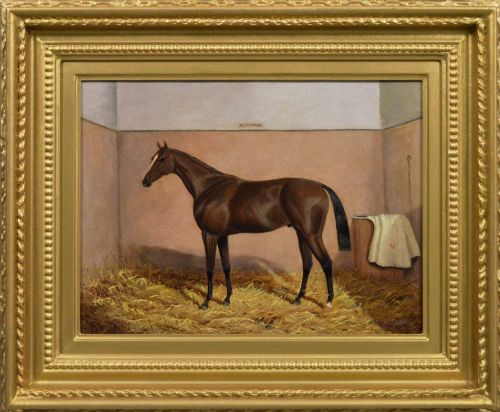
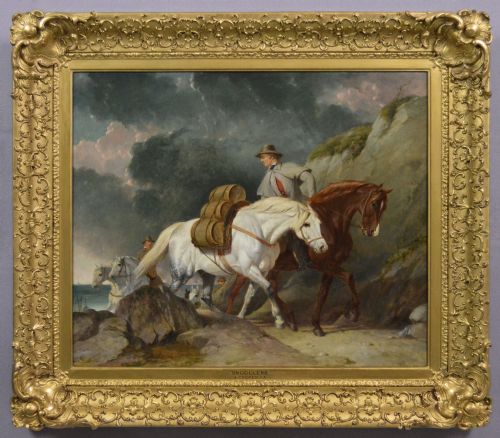
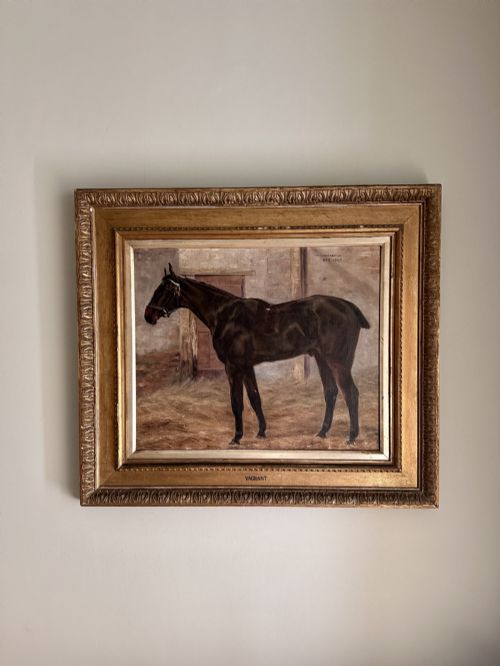
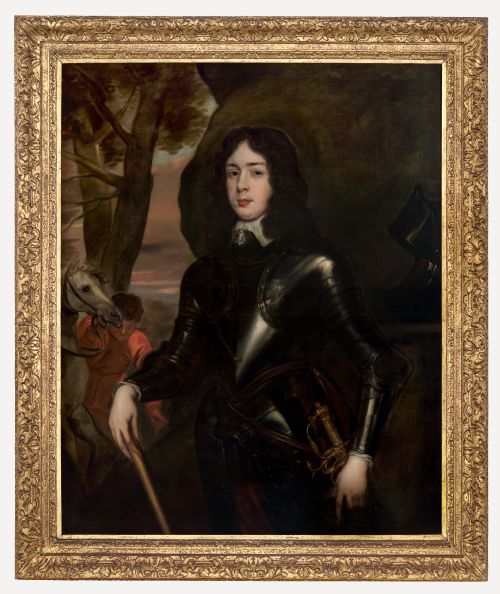
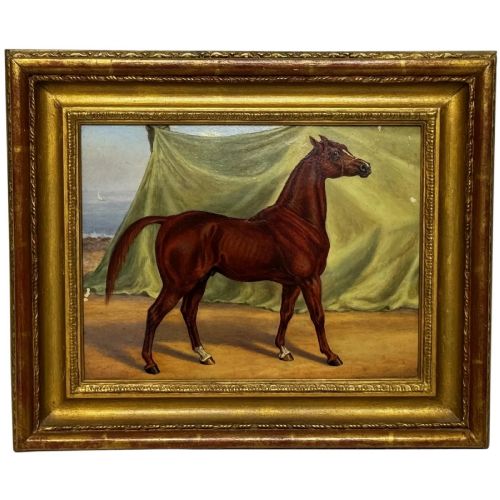
A framed horse canvas represents a significant tradition of equine portraiture and sporting art spanning from the seventeenth century through to the mid twentieth century. Buyers seeking these works encounter everything from individual racehorse studies and hunting scenes to heavy shires at work in rural landscapes.
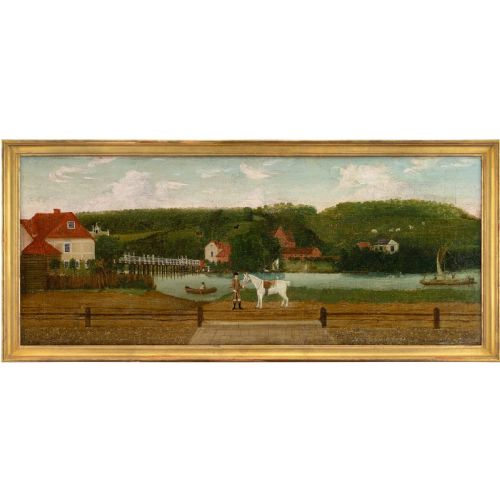
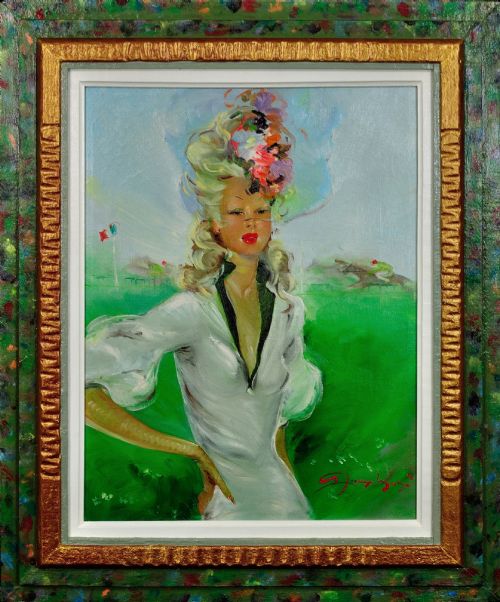
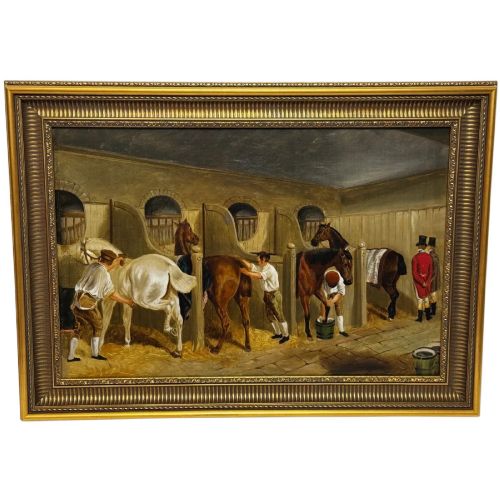
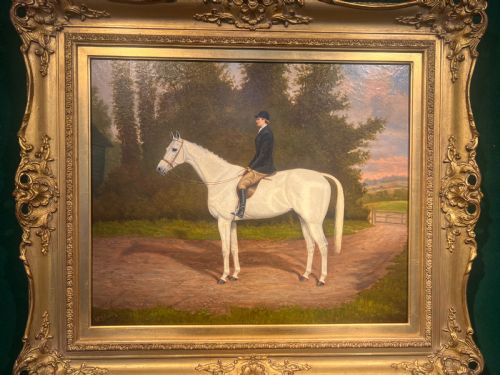
The pieces on this page lean heavily towards nineteenth-century and Victorian equestrian works, alongside Edwardian and mid-century British examples. Oil paint on canvas remains the dominant medium, often housed within period timber or giltwood surrounds.
Subjects range from named Derby winners and estate hunters to rustic scenes featuring hay wagons and ploughing teams. Each canvas captures a distinct facet of human interaction with horses across changing British landscapes.
Materials and technique
Artists built these works using oil paint applied to stretched woven canvas substrates, allowing for rich tonal depth and fine detailing in the musculature and coats of the animals. The resulting textures range from smooth, blended academic finishes to visible, expressive brushstrokes in later provincial pieces.
Surviving canvases are typically housed in their original wood or gilded frames, which provide structural support and historical context. These frames frequently utilise carved or moulded wooden elements finished with traditional gilding techniques.
Listings span from the seventeenth to the mid twentieth century, featuring oil on canvas framed in wood and giltwood.
Factors of quality
The distinction between ordinary and exceptional works rests upon the artist's anatomical precision and ability to convey the character and energy of the subject. Master painters capture bone structure, tension, and light upon a horse's coat with absolute conviction.
Condition and originality play a vital role, particularly the preservation of the paint surface and the retention of the period frame. Works with clear provenance linking them to notable estates or documented artists command greater interest.
Henry Barraud·Thomas Smythe·Albert Clark·Abraham Cooper·John Ferneley Senior
The Framed Horse Canvas Glossary
- Equine portrait
- A painting dedicated specifically to recording the likeness, conformation, and pedigree of a particular horse. These works were often commissioned by owners eager to document prize-winning racers or favoured hunters.
- Sporting art
- A genre of painting focused on rural sports, horse racing, hunting, and shooting. It holds a central place in British visual culture from the Georgian era onwards.
- Giltwood
- Timber carved and coated with a thin layer of gold leaf or metallic powder. This material is standard for the decorative frames enclosing fine nineteenth-century canvases.
- Provenance
- The documented history of ownership of an artwork from its creation to the present day. Strong provenance confirms authenticity and connects the piece to historical collections or exhibitions.
Framed Horse Canvas: Frequently Asked Questions
How do I date a horse canvas?
Dating relies heavily on the clothing styles of any human figures, the construction methods of the stretcher frames, and the profile of the outer decorative frame. Signatures, dates inscribed on the reverse, and stylistic clues within the landscape further narrow down the decade.
Changes in pigment technology and canvas preparation also assist specialists in assigning accurate periods to unsigned works. Comparing the handling of the paint to known dated pieces by contemporary artists provides additional verification.
What is Victorian sporting art?
Victorian sporting art is a genre that celebrated rural pastimes, hunting culture, and prize-winning livestock during the nineteenth century. These paintings served as prized records of rural wealth, estate life, and equestrian achievement.
Artists working in this tradition combined rigorous anatomical accuracy with dramatic landscape backdrops. The resulting works offer a vivid window into the sporting obsessions of nineteenth-century society.
How should I hang an oil painting?
Oil paintings on canvas require stable indoor environments away from direct sunlight, dampness, and rapid temperature fluctuations. Proper hanging involves utilising robust wall fixings matched to the weight of the heavy wooden or gilt frame.
Keeping the canvas clear of direct heat sources such as radiators prevents the paint surface and wooden stretcher from drying out and cracking over time. Regular gentle dusting with a soft, dry brush maintains the condition of both canvas and frame.
Are these works original paintings?
The pieces featured here are unique, hand-painted original oil works created directly upon canvas by artists of the period. They are not mass-produced prints or modern reproductions.
Close examination under magnification reveals the raised ridges of dried oil paint and the distinct weave of the underlying fabric canvas. Each brushstroke remains exactly as the original hand laid it down.