


Antique Racehorse Picture
An antique racehorse picture captures the thunder of the turf and the enduring glory of thoroughbred champions through historic paintings and prints.
Antique Racehorse Picture
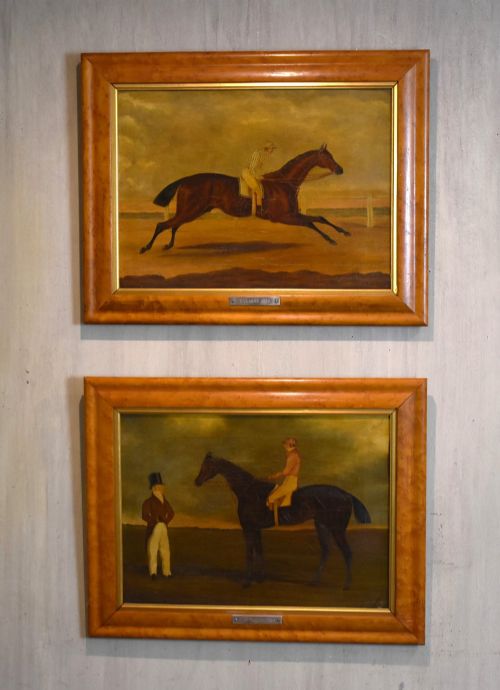
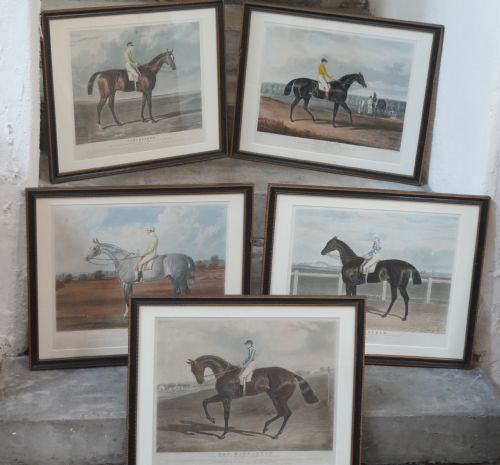
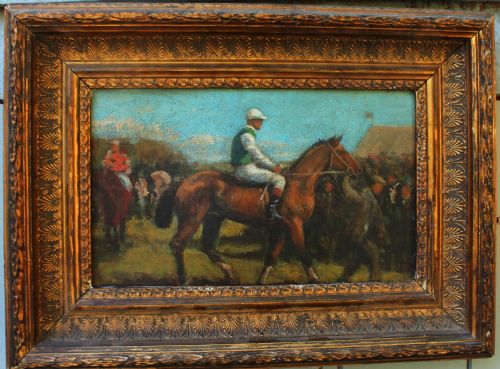
An antique racehorse picture brings the historic world of nineteenth and early twentieth century turf history directly into a room. These works celebrate famous thoroughbreds, noted jockeys, and renowned racecourses through a variety of artistic mediums.
Buyers browsing this selection will encounter a diverse range of items including original oil paintings, framed prints, engravings, and photographic sets. Many pieces record specific legendary horses such as Persimmon, Diamond Jubilee, and Creeping Molly.
The periods represented span from the Georgian era through the Victorian age into the Edwardian decades and the early twentieth century. Works frequently appear in styles such as nineteenth century sporting art, equestrian art, and British impressionism.
How they were made
Artists and printmakers utilised oil paint on canvas or paper, ink for engravings and aquatints, and photographic processes to capture these equine subjects. Many of these historical works are finished with wood framing, glass protection, and gilt accents.
Techniques range from finely detailed oil studies and painted prints after established artists to hand-tinted engravings and eglomise reproductions. The physical construction relies on period paper, stretched canvas, and traditional framing methods.
Several horses in these pictures famously share the canvas with jockeys named Danny Maher and Mornington Cannon.
What varies in quality
Quality in these works is defined by the directness of the artist's hand and the accuracy of the equine anatomy. Masterful oil paintings by recognised practitioners display superior depth and movement compared to standard decorative prints.
The historical significance of the subject also elevates a piece, particularly when named champions and notable jockeys are recorded by period artists. The condition of the paper, canvas, ink, and original framing further distinguishes exceptional examples.
John Frederick Herring Snr·Alfred Munnings·Abraham Cooper·Alfred Wheeler·John Atkinson·Isaac Cullin
The Antique Racehorse Picture Glossary
- Aquatint
- A printmaking technique that produces tonal areas resembling watercolour washes. It was frequently used in nineteenth-century sporting prints to render atmospheric racecourse scenes.
- Eglomise
- A process where gilding and painting are applied to the reverse side of glass. This technique creates a reflective, decorative surface seen in specific historical reproductions.
- Engraving
- A method of cutting design lines into a metal plate to hold ink for printing. Early sets of horse racing engravings document famous turf events with fine linear detail.
- Oil on canvas
- Pigment suspended in drying oil applied to a woven fabric support. This traditional medium forms the basis of historical racehorse portraits and paddock studies.
- Sporting art
- A genre dedicated to depicting animals, field sports, and horse racing. It captures the specific conformation of thoroughbreds and the excitement of nineteenth-century competition.
Antique Racehorse Picture: Frequently Asked Questions
What subjects appear in these pictures?
These works typically depict famous nineteenth and early twentieth century racehorses, often shown alongside their jockeys at major racecourses like Newmarket and Kempton Park.
Individual thoroughbreds such as Persimmon, Diamond Jubilee, and Creeping Molly frequently take centre stage in both paintings and prints.
How do I date an antique racehorse picture?
Dating relies on the materials used, the style of the framing, and the specific historical figures or racing events recorded in the title. Examining the paper, canvas, and printing technique helps place the piece within the Georgian, Victorian, or Edwardian periods.
Inscriptions naming specific jockeys or nineteenth-century races provide further chronological markers.
How were these framed historically?
Period works often feature traditional wood mouldings, frequently enhanced with gilt accents to suit formal nineteenth-century interiors. Many framed prints and photographs also incorporate glass to protect the delicate paper surfaces from dust and moisture.
Original frames contribute to the historical character of the artwork.
Are these works original or reproductions?
The selection includes both unique handmade items and period reproductions. Original oil paintings and contemporary engravings differ from later reproductive processes such as eglomise or twentieth-century photographic sets.
Each medium reflects the specific reproductive technology available during its respective era.