
Traditional Country House Art
Traditional country house art brings together centuries of rural portraiture, sporting scenes and domestic oils that anchor a room with history.
Traditional Country House Art
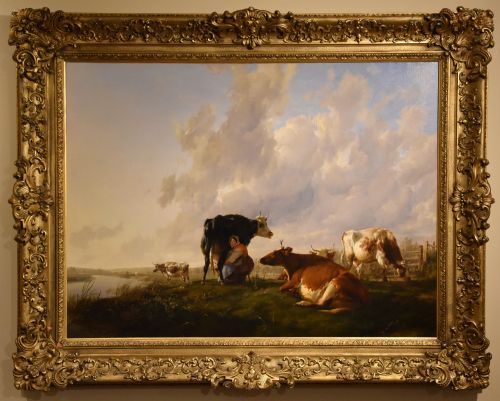
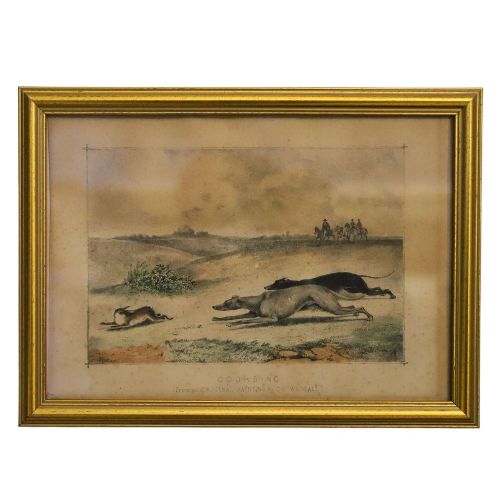
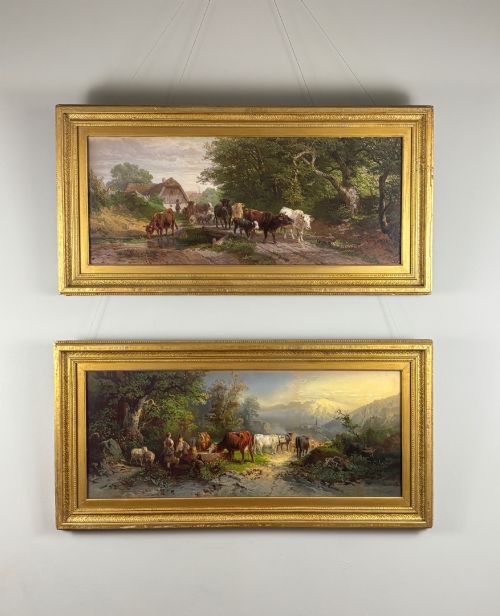
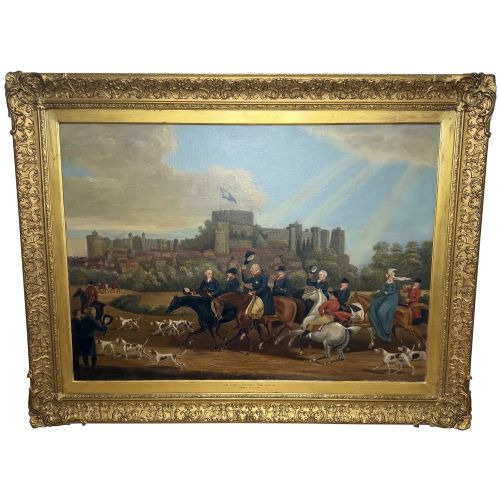
Traditional country house art encompasses oil paintings, watercolours and framed prints that reflect the rural pursuits and domestic interiors of past centuries. Buyers searching for traditional country house art encounter nineteenth-century canvases, Edwardian animal studies and Victorian sporting paintings.
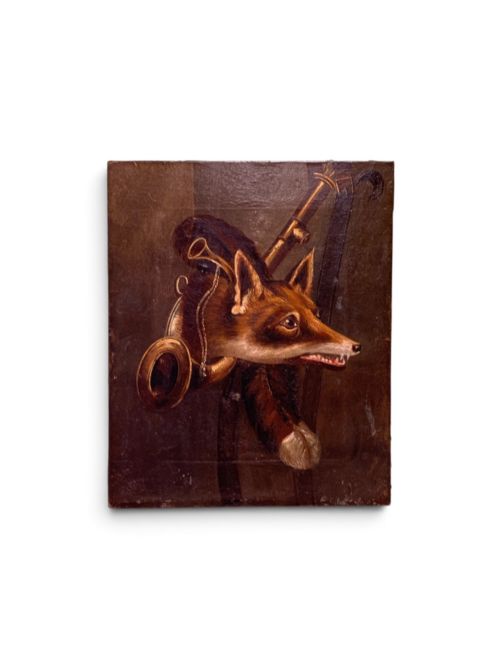
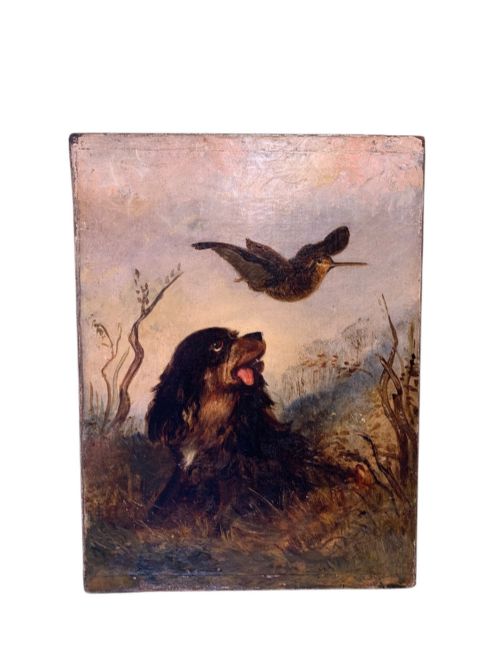
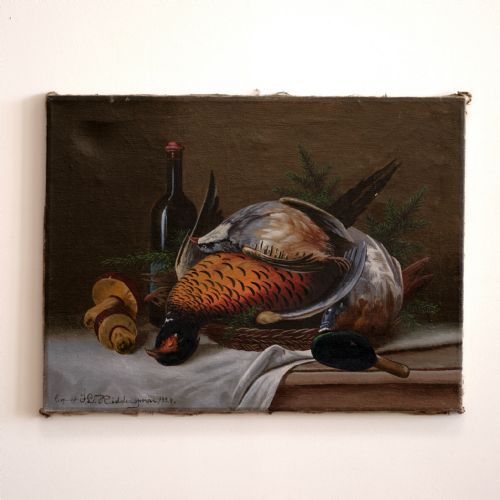
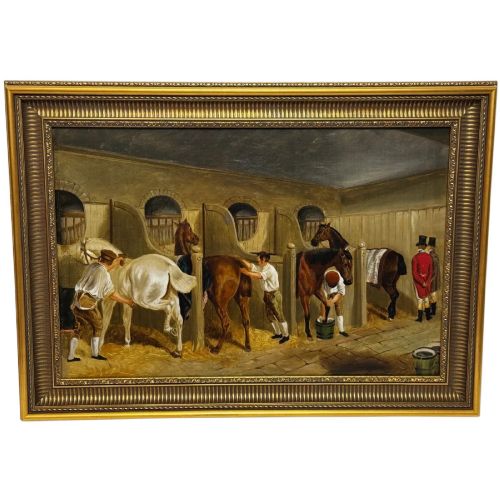
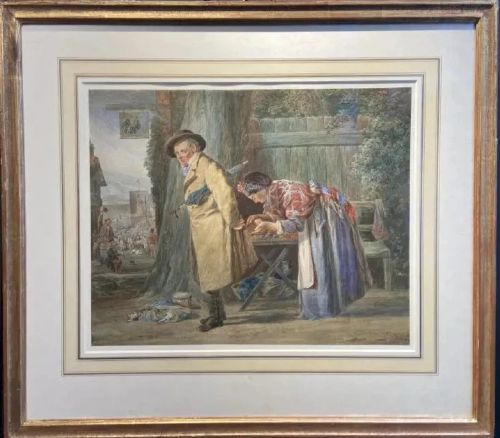
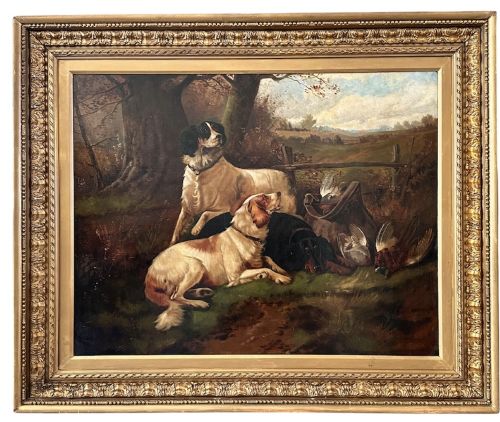
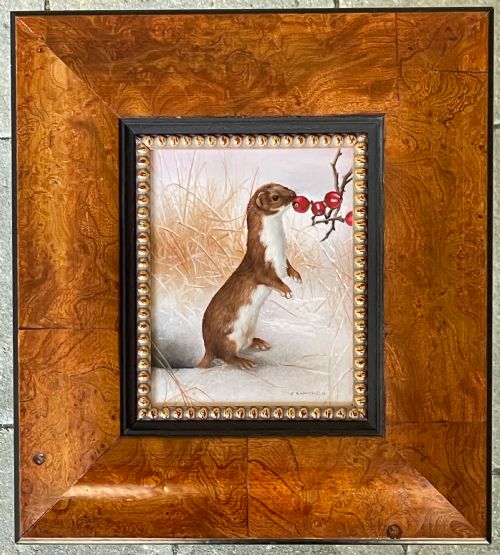
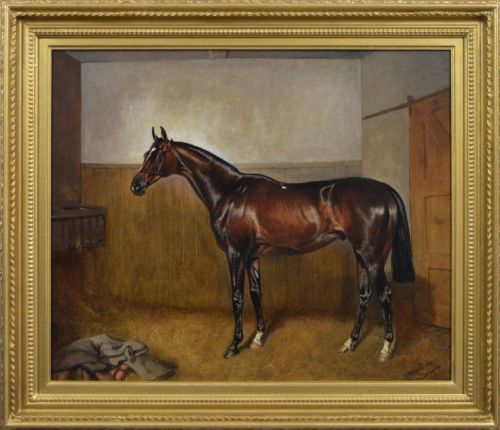
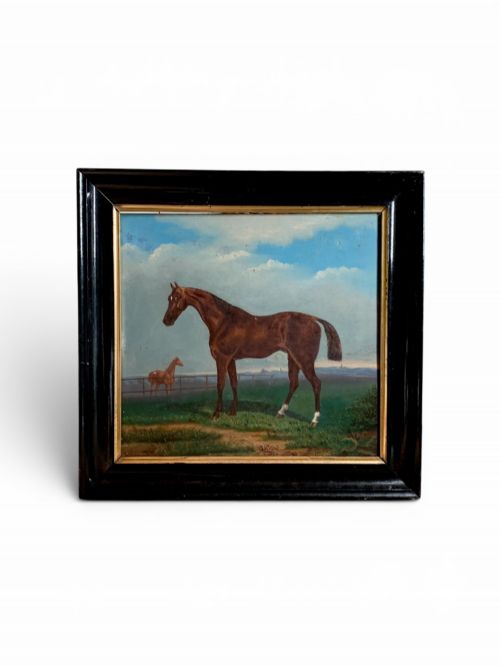
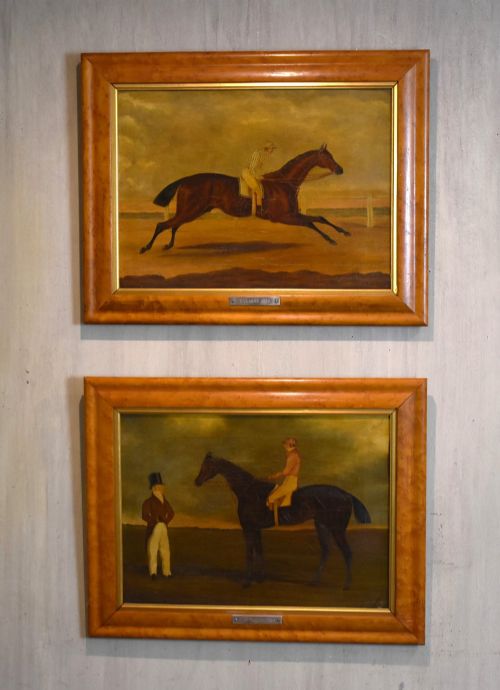
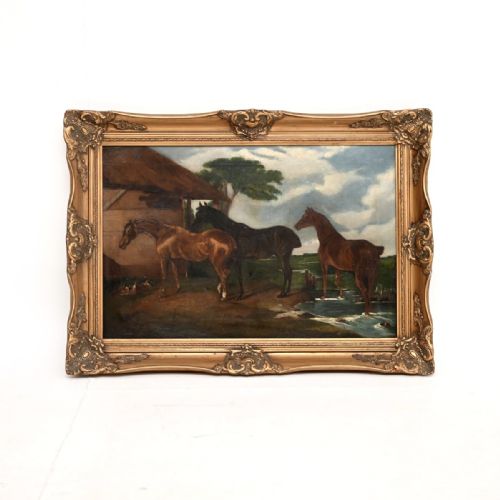
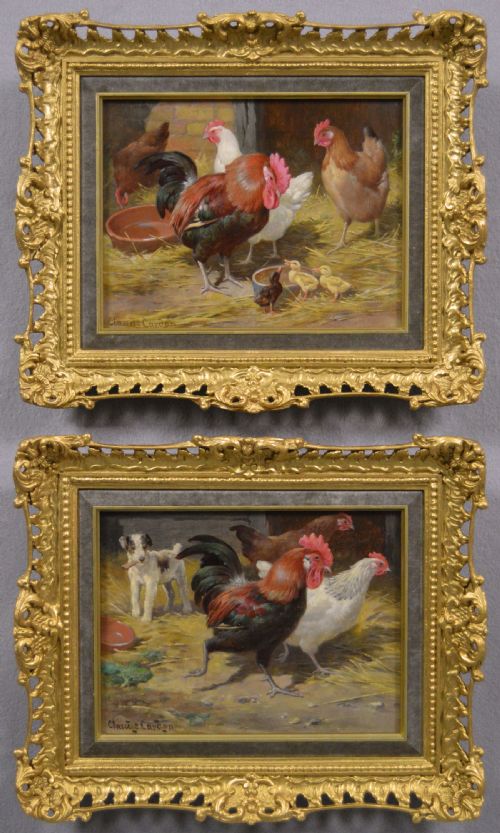
The subjects on this page lean heavily towards equestrian portraits, gun dogs, livestock and farmyard scenes. Alongside these animal subjects, the selection includes interior genre scenes and still lifes featuring game.
Most pieces originate from the nineteenth and early twentieth centuries, capturing the distinct aesthetic of British and European estates. Period furniture occasionally accompanies the paintings, completing the domestic atmosphere.
Materials and construction methods
Oil on canvas remains the dominant medium, utilising oil paint applied to stretched canvas or wooden panels. Artists of the period built rich textures using layered pigments and varnishes.
Giltwood frames house many of the paintings, providing traditional ornamentation that complements the canvas. Paper prints and lithographs utilise early hand-colouring techniques on pressed sheets.
Traditional Country House Art Retail Price Guide 2026
Typical asking prices for traditional country house art among the pieces listed under this phrase on Sellingantiques today, from the lower quarter to the upper quarter. They describe what is for sale here now, not the wider market.
Listings feature oil paintings, watercolours and lithographs spanning the nineteenth and early twentieth centuries.
Distinctions in quality and execution
The distinction between ordinary and superior works rests on the artist's command of anatomy, light and texture, particularly in animal and human portraits. Skilled brushwork brings life to the coat of a racehorse or the feathers of a woodcock, whereas lesser examples rely on stiff repetition.
Original framing adds considerable integrity to a piece, especially when the period giltwood matches the age of the canvas. The provenance and legibility of a signature also elevate the standing of an artwork.
Thomas Sidney Cooper·John Frederick Herring Jnr·Johann Friedrich Voltz·Philip Henry Rideout·John Alfred Wheeler
The Traditional Country House Art Glossary
- Oil on canvas
- Pigment suspended in drying oil applied to a woven fabric support. This method allows for subtle blending and rich colour depth.
- Giltwood
- Wood carved and coated with gold leaf or metal powder. It frames many traditional paintings and mirrors.
- Genre painting
- Artwork depicting scenes from everyday life, often set within domestic interiors. These pieces tell stories of daily routines and social habits.
- Lithograph
- A print made from a design drawn on limestone or metal plate. It permits the reproduction of detailed illustrations.
- Equestrian art
- Depictions of horses, often encompassing racehorses, hunters and stud portraits. This genre holds a central place in rural heritage collections.
Traditional Country House Art: Frequently Asked Questions
What subjects define these paintings?
These artworks focus heavily on rural life, featuring racehorses, gun dogs, farm animals and hunting scenes. Interior genre pieces and game still lifes also appear frequently.
Such subjects reflect the sporting and agricultural interests that shaped nineteenth-century estate life.
How do I date an oil painting?
Dating relies on examining the canvas preparation, stretcher frames, pigment types and artist signatures. Costume and architectural details within the painted scene offer further chronological clues.
Framing styles often corroborate the period of the artwork itself.
Where were these artworks displayed?
Original pieces hung in the reception rooms, libraries and halls of country estates. They documented prize livestock, valued mounts and successful hunting expeditions.
Today, they serve a similar decorative role in period homes.
How should I care for giltwood frames?
Giltwood frames require gentle dusting with a soft, dry brush to protect the delicate gold leaf surface. Avoid moisture and chemical cleaning agents entirely.
Keeping pieces away from direct sunlight and damp environments preserves both frame and canvas.