

Gilded Frame Picture
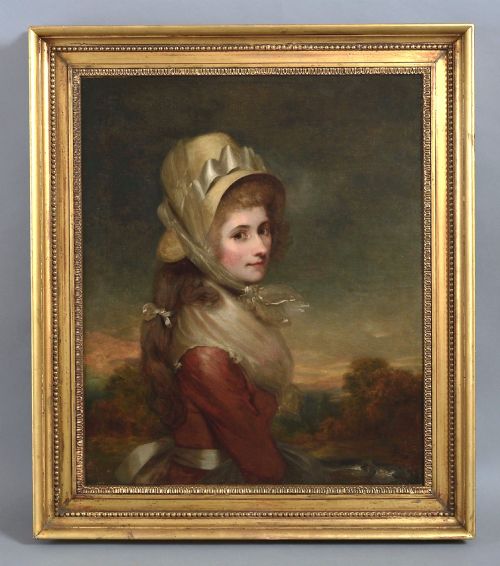
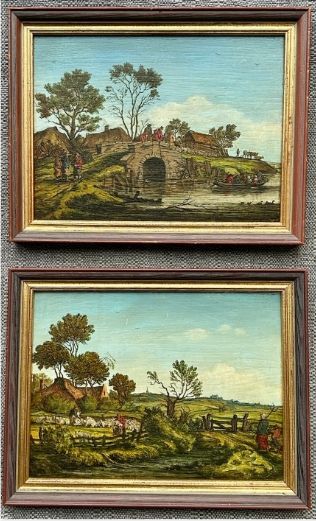
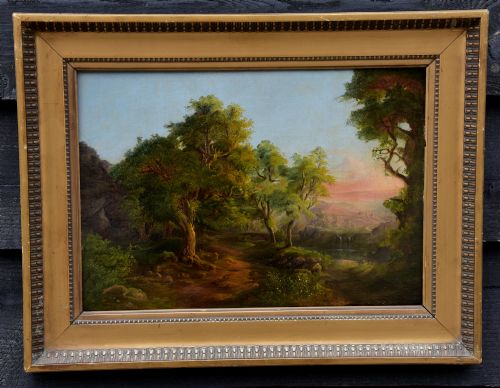
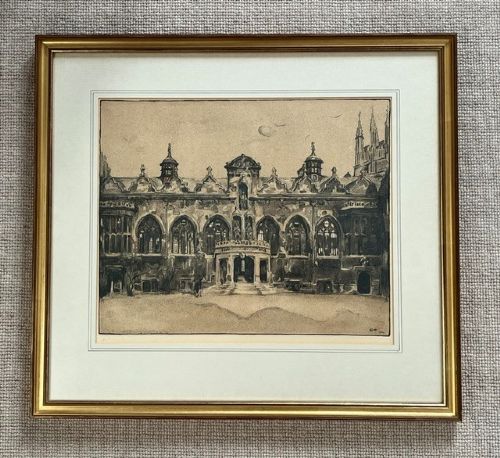
A gilded frame picture brings together painted or printed imagery and reflective metal or gesso mountings, offering a distinct focal point for interior walls.
Gilded frame picture forms and periods
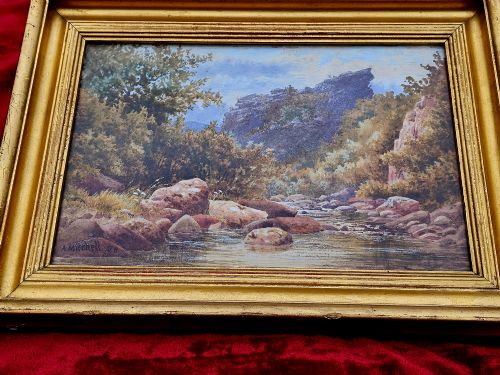
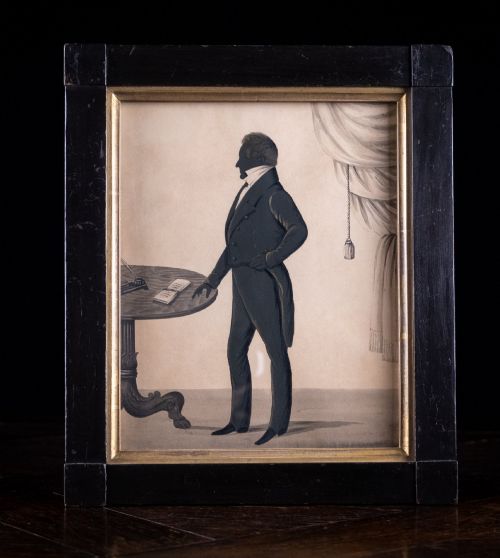
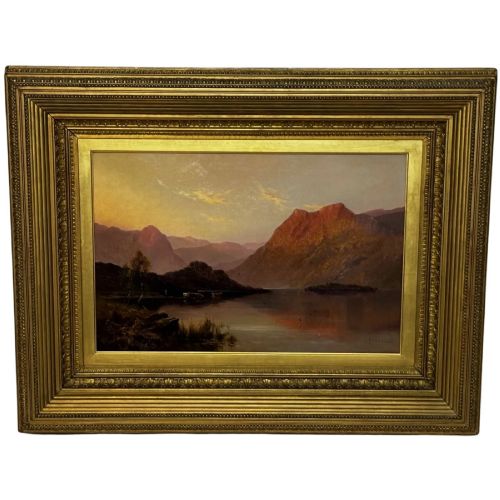
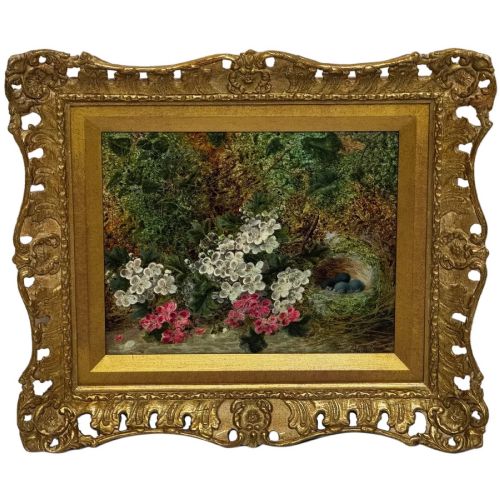
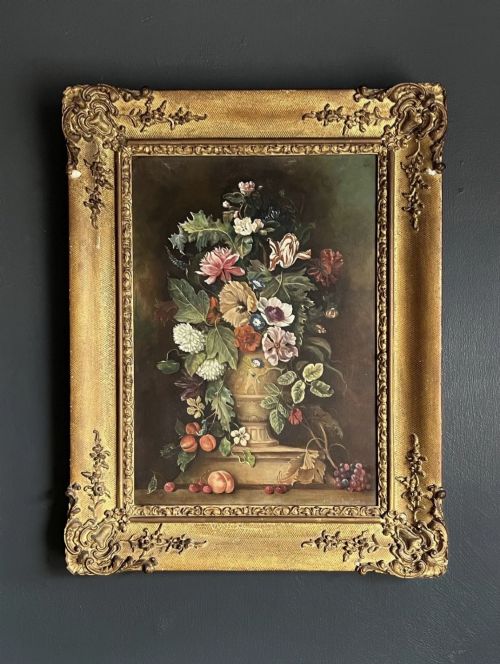
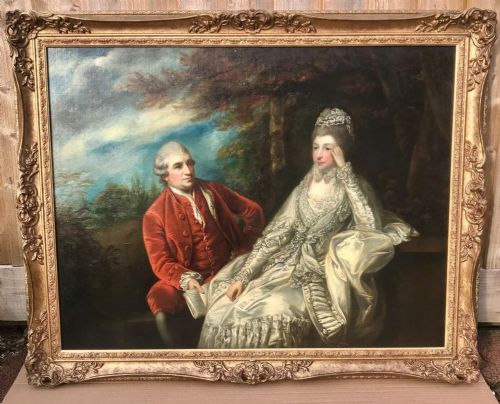
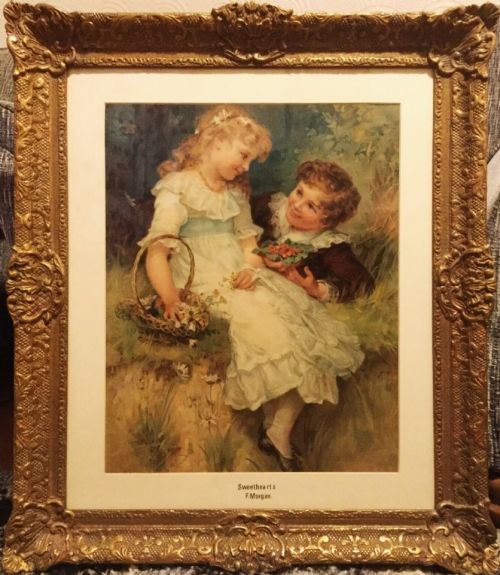
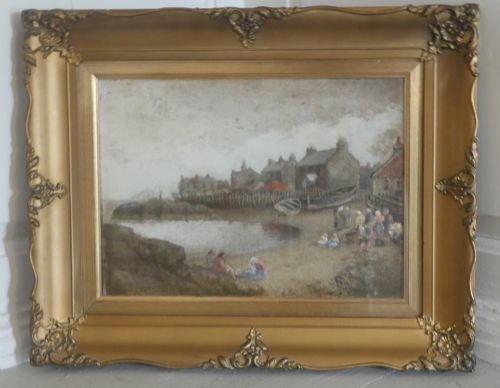
A gilded frame picture encompasses traditional oil paintings, watercolours, prints, and portrait enclosures dating from the nineteenth century into the twentieth century. Examples include Victorian rural realism scenes, marine art, still life watercolours, and Art Deco prints housed in decorative surrounds.
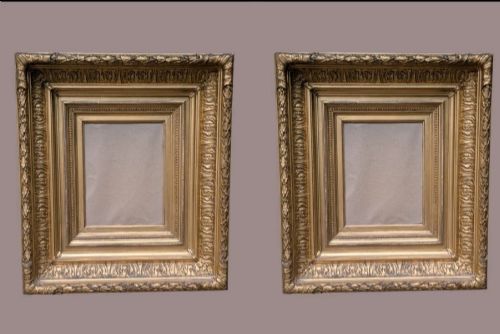
The material selection ranges from traditional wood and gesso frames to cast bronze and enamel housings with silk or taffeta backgrounds. Buyers encounter both standalone pictures within ornate surrounds and elaborate empty or glazed apertures designed for photographic display.
Distinctions in craftsmanship
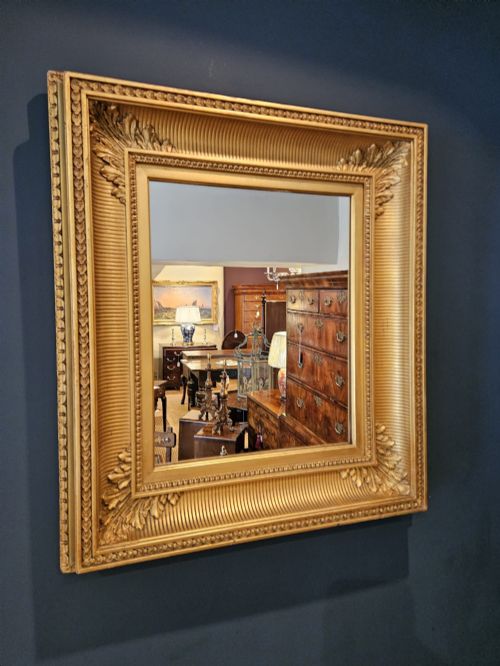
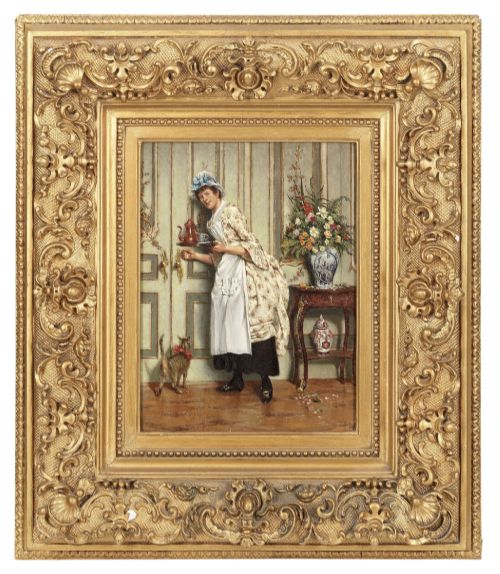
Quality rests in the precision of the modelling on cast bronze elements, the depth of the gold leaf application, and the fineness of the hand-carved gesso details. Superior examples display crisp chasing around motifs such as cherubs or bees without softening of the contours.
The artistry of the enclosed oil painting, watercolour, or print dictates the overall standing of the piece. Well-executed brushwork by named artists or skilled followers elevates the significance of the entire ensemble.
Retail Price Guide 2026
Typical UK retail prices for gilded frame picture, calculated from the Sellingantiques database of over a million retail prices indexed since 2003. This retail price guide relies exclusively on Sellingantiques data; no external sources or auction records are used, so the figures do not describe the wider market.
Materials recorded across the inventory include gesso, gold leaf, silk backgrounds, enamel, and paste stones set within cast bronze.
John Frederick Herring Jnr·Eloise Harriet Stannard
The Gilded Frame Picture Glossary
- Gesso
- A plaster mixture applied to wood frames as a base for gilding. This substance is carved or moulded before the gold leaf is laid down.
- Gold leaf
- Extremely thin sheets of beaten gold applied to the prepared surface of a frame. It provides a durable metallic sheen.
- Paste stones
- Glass cut and polished to resemble gemstones and set into metal frames. These stones add coloured sparkle to the bronze mounts.
- Enamel
- Vitrified glass powder fused to metal surfaces under high heat. It introduces vibrant colour accents into bronze picture frames.
Frequently Asked Questions
What periods do these pieces span?
The pieces span from the nineteenth century through the Victorian era and into the Art Deco period of the nineteen-thirties. Specific dates recorded include the late nineteenth century and the early twentieth century.
Craftsmanship evolved from ornate cast bronze photograph holders to straightforward wooden picture frames and printed wall art as design preferences shifted.
How were bronze frames decorated?
Makers embellished cast bronze frames with applied motifs such as cherubs, Napoleonic bees, and floral patterns. Some examples incorporate coloured enamel panels and paste stones for added visual weight.
Silk and taffeta backings frequently provided a soft texture behind glass apertures designed for portrait photographs.
What types of artwork appear in these frames?
The artwork includes oil paintings on canvas or panel, original watercolours, and printed wall art. Subjects range from farmyard scenes and marine shipwrecks to botanical still life compositions.
Many frames also function as photograph holders rather than surrounding paintings.
How do I care for a gilded wooden frame?
Gilded wood and gesso surfaces require gentle dusting with a dry, soft brush to prevent the accumulation of particles. Moisture and chemical cleaners damage the delicate gold leaf layer.
Keeping the frame away from direct sunlight and fluctuating humidity preserves the stability of the wood and the integrity of the metallic finish.