

Victorian Horse Portrait
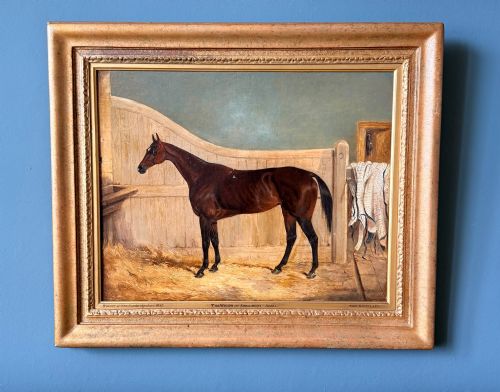
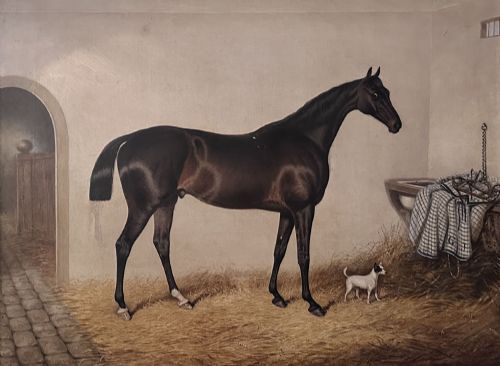
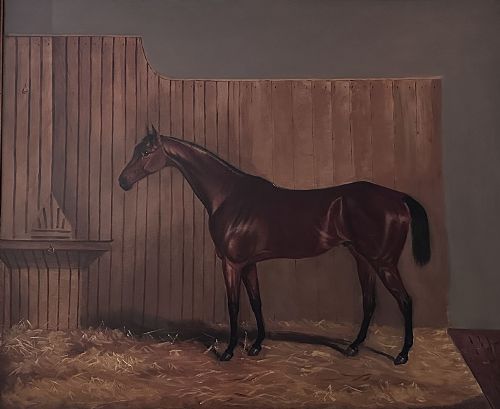
A victorian horse portrait captures the power and prestige of prized equines through enduring Victorian sporting art.
Victorian Horse Portrait
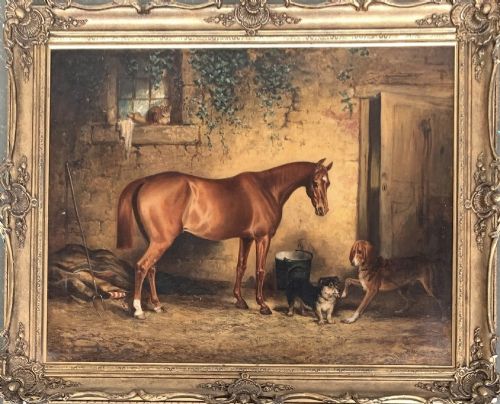
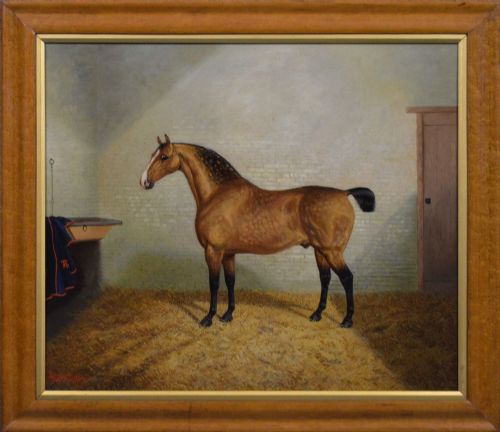
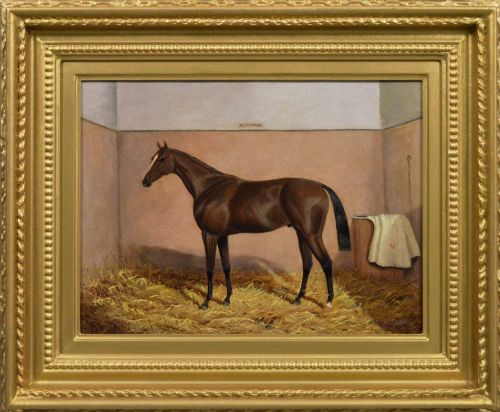
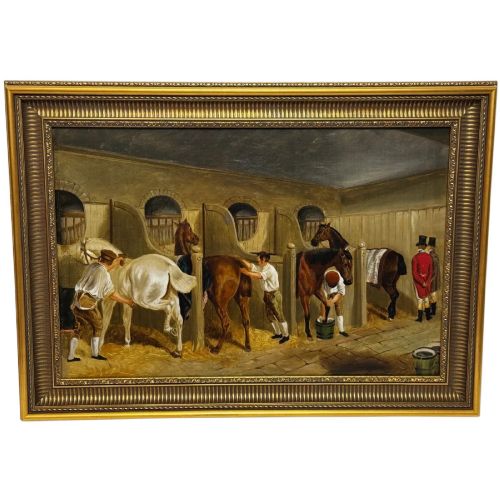
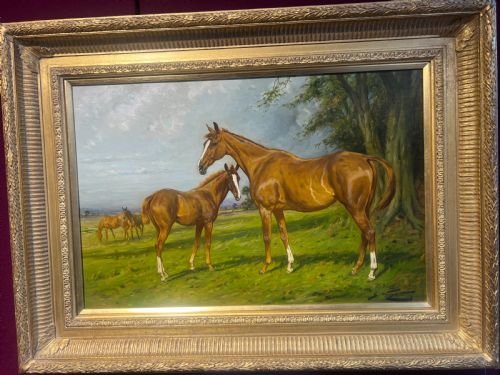
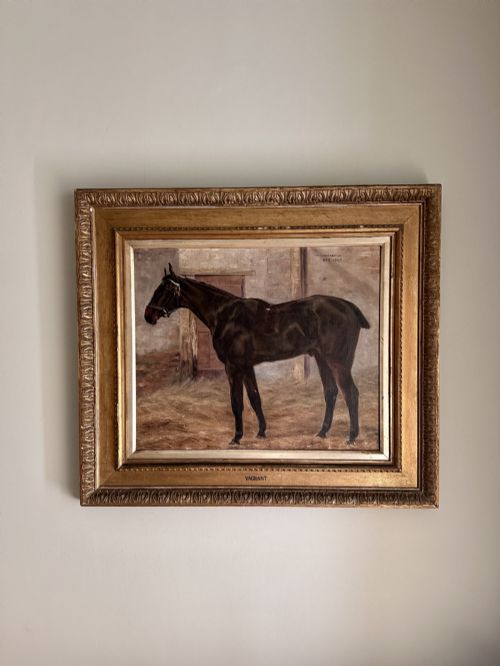
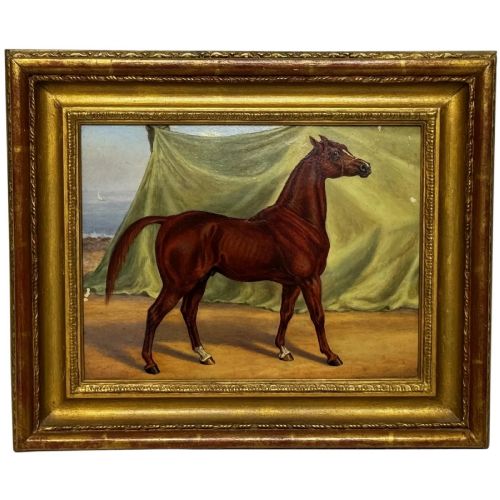
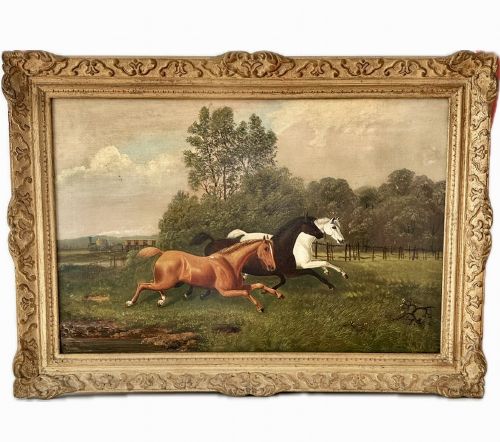
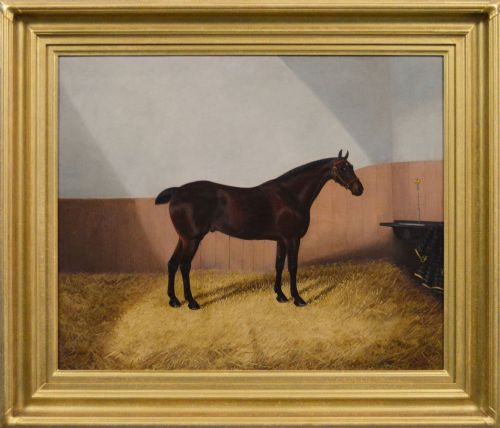
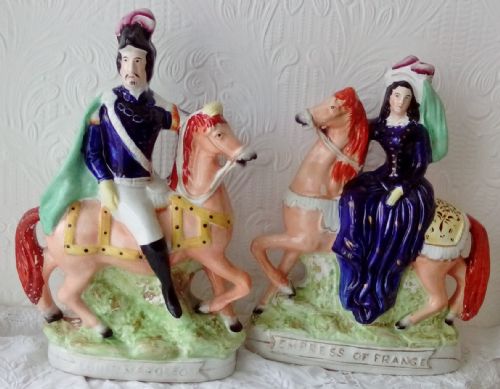
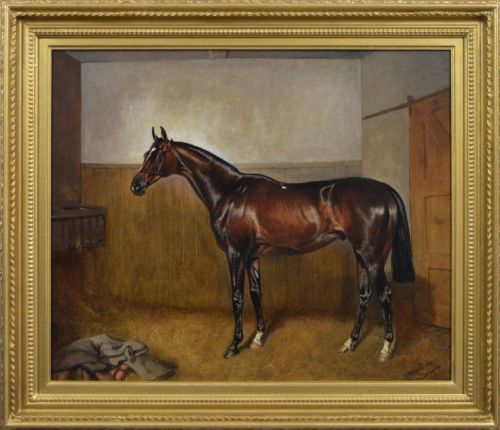
A victorian horse portrait is a painted or drawn representation of equines, ranging from celebrated racehorses and hunters to working animals, produced during the nineteenth century. Buyers exploring this category encounter traditional oil paintings on canvas, delicate watercolour paintings, and Staffordshire pottery figures depicting named champions and stable scenes. Most items hail from the Victorian era and the broader nineteenth century, reflecting a society deeply connected to equestrian pursuits.
The subjects span renowned thoroughbreds like Flying Fox and Diamond Jubilee, local hunters, and colonial scenes from places such as India and Colombo. Artists captured these animals either individually in stables or dynamically within landscapes, hunt gatherings, and racing events alongside jockeys. This variety ensures collectors can find both intimate depictions of farm ponies and grand records of racing royalty.
Materials and Techniques
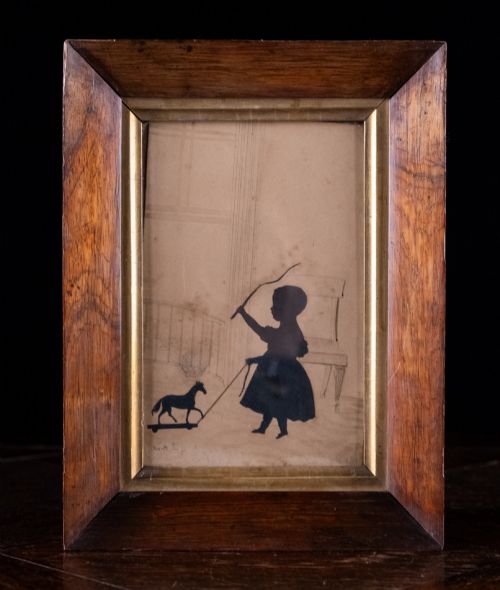
Artists primarily used oil paint on canvas stretched over wood frames, employing rich layers of pigment to render the glossy coats and musculature of the animals. Watercolours on paper appear in smaller framed artworks and silhouettes, offering a lighter medium for equestrian studies. Giltwood and gilt frames frequently house these paintings, providing an ornate border that complements the period aesthetic.
Pottery figures manufactured in Staffordshire utilise moulded clay painted with detailed glazes to portray equestrian subjects in three dimensions. Engravings printed on paper also record these animals through fine lines and cross-hatching, making equine imagery accessible outside of original paintings.
Victorian Horse Portrait Retail Price Guide 2026
Typical asking prices for victorian horse portrait among the pieces listed under this phrase on Sellingantiques today, from the lower quarter to the upper quarter. They describe what is for sale here now, not the wider market.
Listings feature oil on canvas, watercolours, engravings, and Staffordshire pottery figures spanning the nineteenth century.
Assessing Quality and Distinction
The distinction between standard works and superior pieces rests upon the anatomical accuracy of the horse and the handling of light across its coat. Master painters captured the precise tension in a flank, the intelligent eye, and the characteristic stance of a specific breed rather than a generic animal. Provenance also elevates a work, especially when it connects a canvas to notable estates, historic races, or royal owners.
Composition plays a defining role, with superior portraits placing the animal within a convincing landscape or detailed stable interior rather than against a flat backdrop. The condition of the original oil paint, minimal intervention by later restorers, and the presence of contemporary giltwood framing contribute significantly to the standing of any given piece.
Henry Barraud·Albert Clark·Augustin Edouart·Fred Fitzpatrick·Edward Priestley·John Alfred Wheeler·Thomas Walker Bretland·John Ferneley Senior·Edward Lloyd of Ellesmere·George E Sharpe·Samuel Spode·Benjamin Cam Norton·Edwin Frederic Holt·Adrian Jones·Charles Bilger Spalding
The Victorian Horse Portrait Glossary
- Bay
- A horse coat colour characterised by a reddish-brown body with a black mane, tail, and lower legs. This colouring appears frequently across nineteenth-century equine paintings.
- Giltwood
- Wood that has been covered with a thin layer of gold leaf or gilt. It is commonly found on the ornate frames enclosing Victorian oil paintings.
- Equestrian
- Pertaining to horse riding or the representation of horses in art. The term groups together sporting art, racing scenes, and portraiture.
- Staffordshire pottery
- Ceramics produced in the Staffordshire potteries, including three-dimensional figures of people and animals. These glazed pieces reflect popular subjects of the Victorian period.
- Thoroughbred
- A horse breed developed for racing, known for its agility and speed. Many Victorian canvases specifically commemorate these named racehorse winners.
Victorian Horse Portrait: Frequently Asked Questions
What is a victorian horse portrait?
A victorian horse portrait is an artwork depicting a specific horse, often a celebrated racehorse, hunter, or stable companion, created during the nineteenth century. These pieces served to record the physical traits and status of prized animals.
Most examples are oil paintings on canvas, though watercolours, engravings, and pottery figures also represent the genre. They highlight the cultural importance of horses in transport, sport, and leisure during the era.
How were these paintings used?
Owners commissioned portraits of their winning racehorses, favourite hunters, and working animals to display wealth, sporting achievements, and affection for their livestock. These artworks hung in country houses, estate offices, and stable blocks.
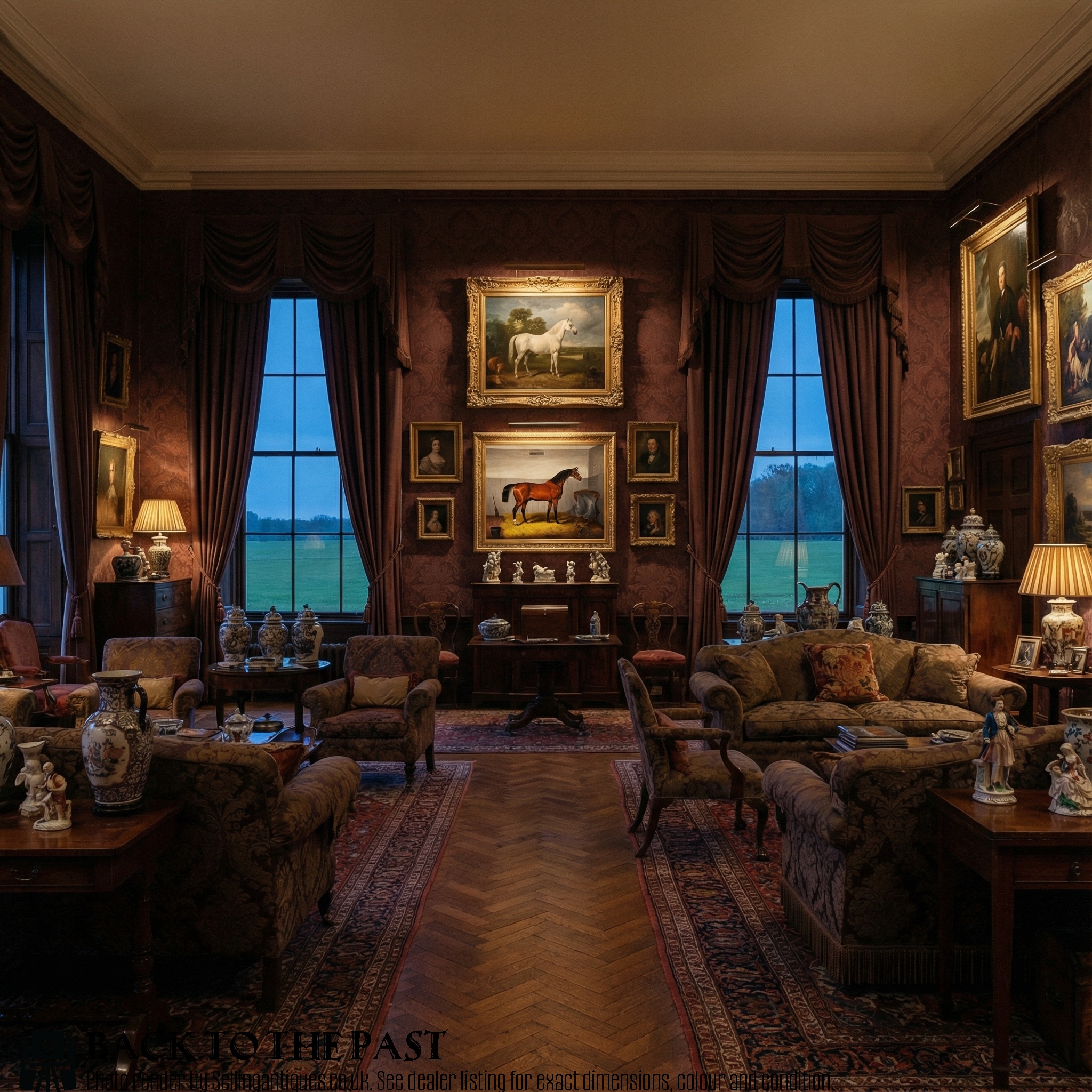
Today, buyers use them to decorate residential interiors, often pairing equestrian art with traditional or country-style furnishings. They act as historical documents of nineteenth-century breeding, racing, and rural life.
How do I identify the period?
Identifying the period involves examining the framing materials, the canvas construction, and any inscriptions noting dates or named subjects. Victorian works frequently feature heavy giltwood frames and detailed signatures from known sporting artists of the nineteenth century.
Clothing styles on any jockeys or handlers depicted also help narrow down the decade. Additionally, catalogued provenance records link specific canvases to nineteenth-century exhibitions and estates.
What subjects appear besides horses?
Portraits frequently include stable hands, grooms, trainers, and jockeys standing alongside the animal to provide a sense of scale and ownership. Hounds, terriers, and cattle also share the canvas in hunting and farm scenes.
Backgrounds commonly incorporate rolling English landscapes, stable interiors with straw bedding, racecourses with grandstands, or colonial settings overseas. These elements place the animal within its specific working or sporting environment.