


Black Framed Engraving
A black framed engraving brings historical depth to a room through centuries of portraiture and printmaking.
Black Framed Engraving
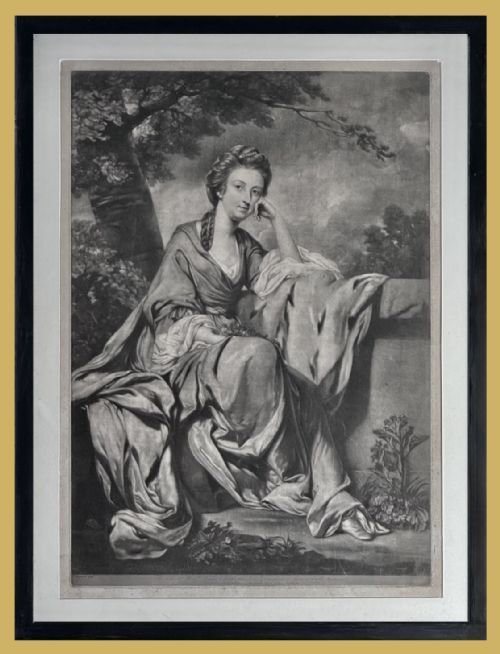
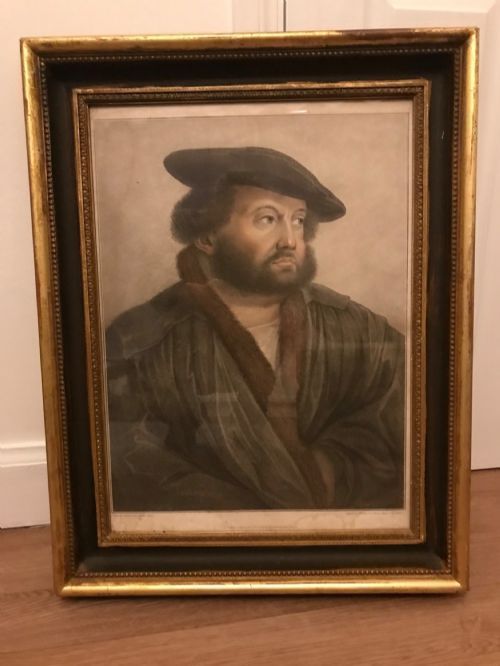
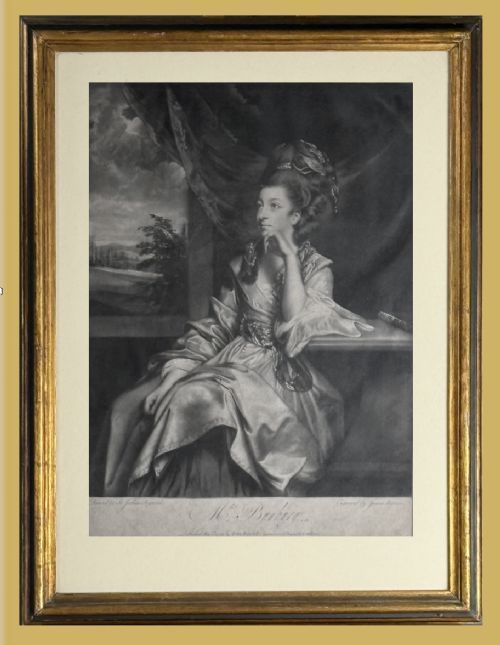
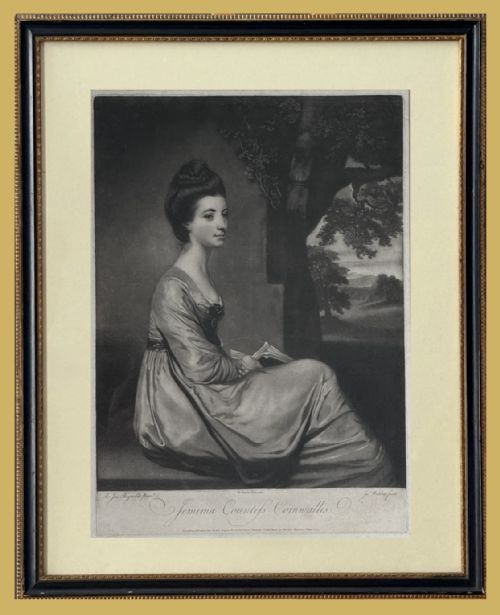
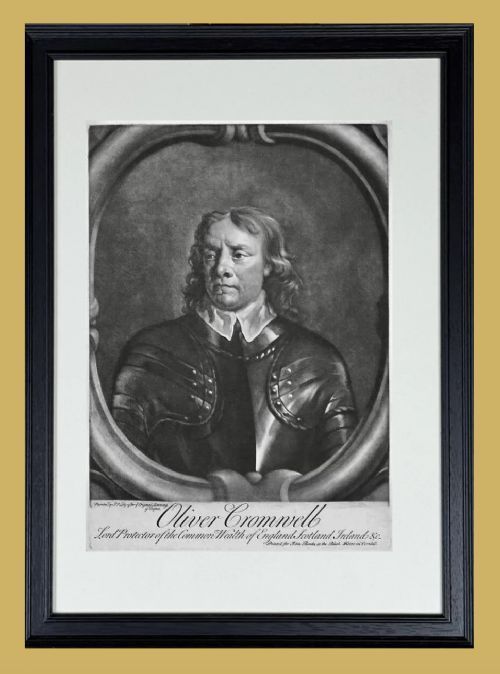
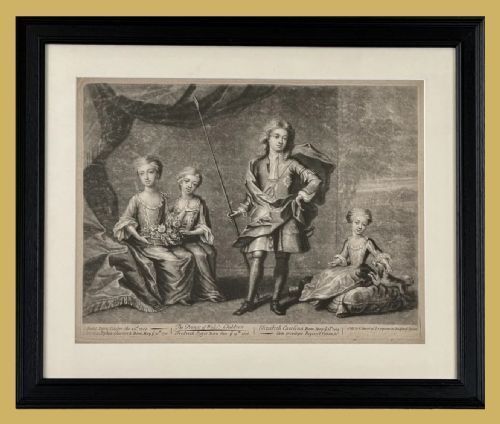
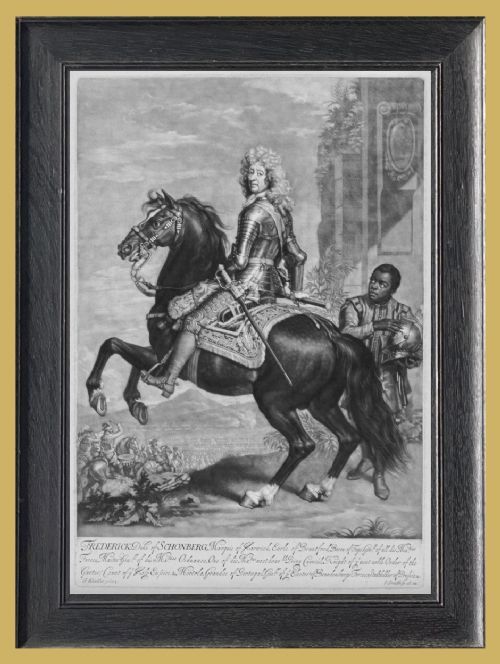
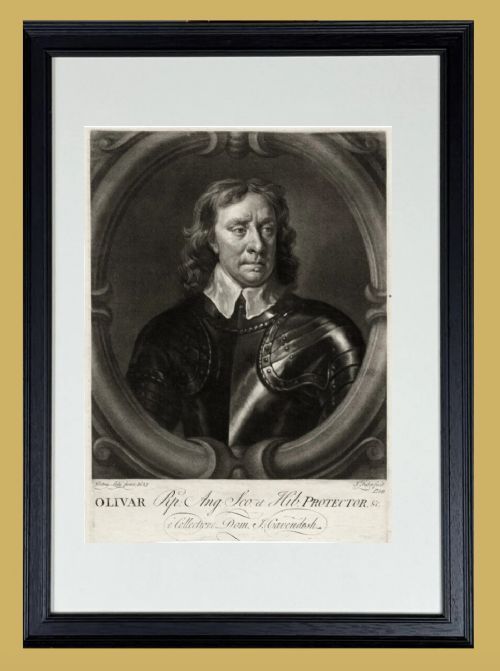
A black framed engraving encompasses intaglio prints, mezzotints and etchings mounted behind glass within dark timber or gilded borders. These works record aristocratic portraits, classical allegories, architectural plates and narrative scenes dating from the seventeenth century through to the early twentieth century.
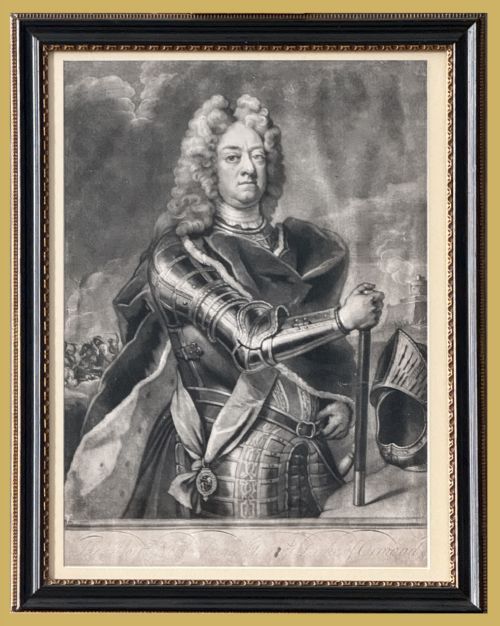
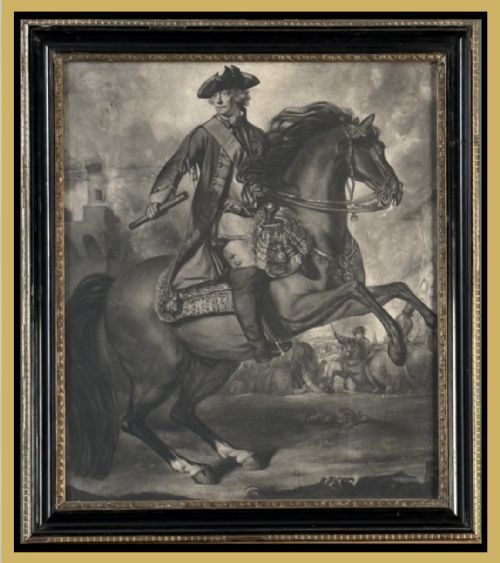
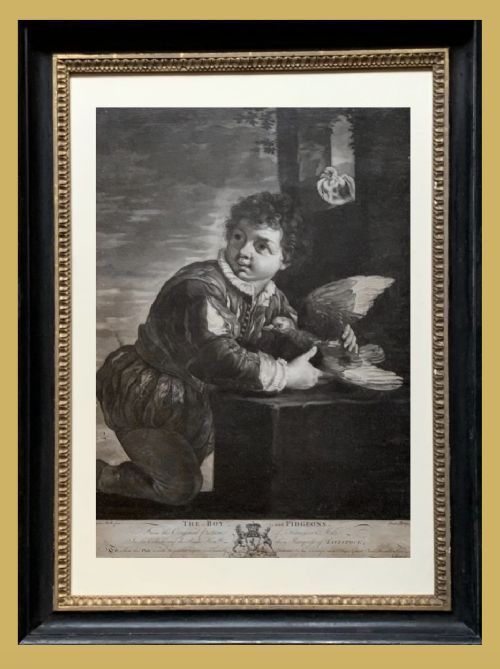
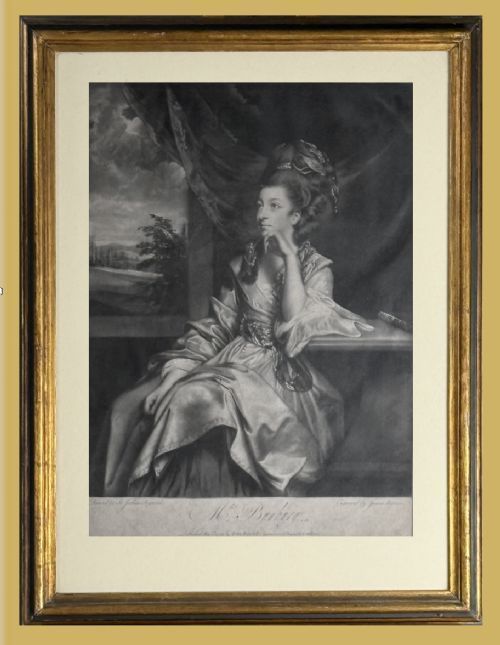
The selection on this page relies heavily on eighteenth-century mezzotint portraits after painters such as Sir Joshua Reynolds and Sir Godfrey Kneller. Alongside these formal prints appear anatomical plates, domestic scenes and animal subjects executed by notable engravers.
The dark frames frequently take the form of traditional moulded wood or Hogarth profiles, protecting the paper sheets while framing the dark inks and tonal gradations within.
How they were made
Printmakers utilised copper or metal plates, working the surface with burins, drypoint needles or rocker tools to hold ink for transfer onto paper under pressure. Mezzotint plates required roughening the entire metal surface uniformly to produce rich, velvety areas of dark tone through scraping and burnishing.
The resulting paper sheets were set beneath glass and secured in wooden frames, sometimes incorporating gold leaf or giltwood accents to complement the dark mouldings. Reverse glass examples involved painting directly onto the glass itself before sealing the assembly.
Even eighteenth-century dukes and military commanders must contend with the eternal company of cheeky children and household pets in neighbouring frames.
What varies in quality
The fidelity of the impression dictates the clarity of fine lines, subtle tonal shifts and facial details achieved during the printing process. Early impressions pulled from fresh metal plates display sharper contrasts than worn plates yielding softer impressions.
The preservation of the original paper sheet, the retention of rich black ink density and the integrity of the period wooden frame determine the overall calibre of the finished piece.
John Simon·Edward Fisher·John Boydell·James Watson·Francesco Bartolozzi·John Smith·Valentine Green·John Faber Jr·Herbert Dicksee
The Black Framed Engraving Glossary
- Mezzotint
- A printmaking process where the metal plate is roughened to produce dark tones and scraped to create highlights. This technique allows for subtle tonal gradations and deep shadows.
- Engraving
- A method of cutting design lines directly into a metal plate with a sharp tool called a burin. The resulting lines hold ink for transfer onto paper.
- Etching
- A technique where acid bites lines into a metal plate through a protective ground. Artists draw through the ground to expose the metal before acid application.
- Hogarth frame
- A distinctive wooden picture frame featuring a reversed ogee profile finished in dark lacquer or black paint. These frames became popular for enclosing eighteenth-century prints.
- Stipple engraving
- A method of creating images on metal plates using dots rather than continuous lines. This technique produces delicate flesh tones and gentle shading.
Black Framed Engraving: Frequently Asked Questions
What is a mezzotint?
A mezzotint is an intaglio printmaking method where the metal plate is roughened evenly to hold ink, producing rich dark backgrounds and smooth tonal transitions.
Printers scrape and burnish areas of this rough surface to create lighter tones and highlights, resulting in velvety portraits with remarkable depth.
How do I date an engraving?
Dating relies on the costume, typography, publication lines printed on the paper, and stylistic cues within the plate itself. Historical subjects often record the sitter's lifespan or the active dates of the publisher.
Matching the paper quality and the construction style of the surrounding wooden frame provides additional chronological context.
Are these prints original?
The listings comprise original historical prints pulled from copper or metal plates during their respective periods of production. Each sheet represents a period impression created using traditional printmaking methods.
Makers and engravers carved or rocked these plates centuries ago, transferring ink onto hand-made paper substrates.
How should I hang them?
These framed works require placement away from direct sunlight to prevent fading of the paper and ink over time. Stable indoor humidity levels protect the paper substrate and the wooden frame mouldings.
Secure picture hooks rated for the weight of the timber frame and glass ensure safe wall mounting.