




Georgian Architectural Engraving
Georgian architectural engraving offers precise depictions of classical buildings and ancient ruins, brought to life through fine ink work on paper.
Georgian Architectural Engraving
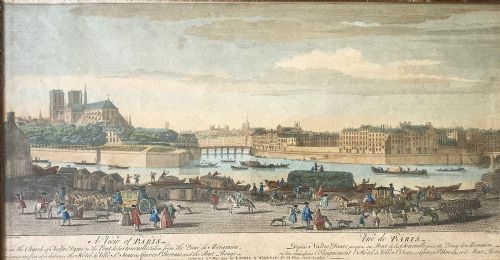
A georgian architectural engraving presents detailed studies of classical facades, ancient temples, and historic structures from periods spanning the eighteenth century and the regency era. Buyers examining this page encounter architectural prints, town views, and plates depicting antiquities from Athens alongside English cathedrals and London hotels. These works served as visual records for collectors undertaking the grand tour or studying classical proportions.
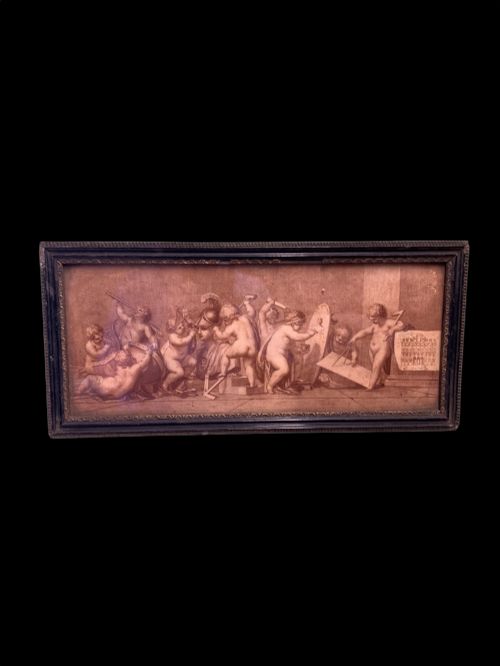
Most examples originate from the eighteenth century, frequently featuring plates dedicated to Greek gods, temple ruins, and structural elevations. The selection heavily represents large format works associated with major archaeological publications such as the antiquities of athens. Such pieces capture the neoclassical fascination with symmetry, columns, and monumental stone forms.
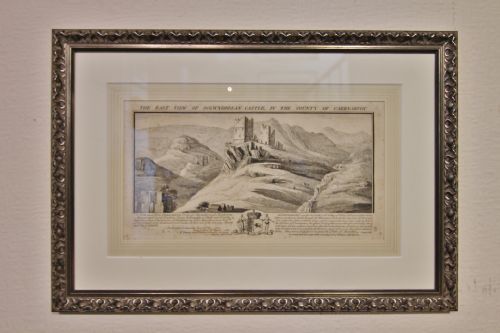
Framed options often arrive mounted in maple or gilt wood frames, sometimes retaining original hand colouring applied to the ink lines. The subjects range from specific British churches and streetscapes to idealized mythical structures and Roman antiquities. Each print preserves the draughtsmanship of the period through careful plate work.
Materials and techniques
The foundation of every piece relies on high quality paper receiving ink impressions transferred from engraved copper plates or early lithographic stones. Artisans applied hand colouring directly to the paper surface on select plates to accentuate architectural details, figures, or botanical elements. This combination of linear engraving and pigment creates the characteristic depth found in period works.
Framing materials reflect the period aesthetic, utilising maple wood and gilt wood alongside protective glass coverings. Mounts and frames serve to secure the delicate paper sheets while complementing the neoclassical style of the prints. The physical construction prioritises the preservation of the printed sheet within traditional wooden surrounds.
Current listings feature paper and ink artworks framed in maple, glass, and gilt wood, representing neoclassical and regency styles.
Distinctions in quality
The clarity of the ink impression dictates visual fidelity, separating sharp, early strikes from worn later printings where the lines lose definition. Master engravers achieved remarkable precision in rendering stonework, capitals, and sculptural figures, whereas lesser plates lack the same crisp architectural rendering. The depth of the paper and the preservation of the margins further separate superior examples from trimmed sheets.
The presence of original hand colouring alters the character of the piece, with skilful application enhancing the architectural forms rather than obscuring the engraved lines. Quality also manifests in the frame choice, where period maple or gilt wood surrounds complement the scale and dignity of the plate. Complete series or large format plates command attention through their substantial visual impact.
James Basire·Edward Rooker·Francesco Piranesi·J Mitan
The Georgian Architectural Engraving Glossary
- Engraving
- A printmaking technique where an artist cuts lines into a metal plate using a sharp tool called a burin. The resulting grooves hold the ink that transfers to paper under pressure.
- Neoclassical
- A style of art and architecture drawing inspiration from the classical art and culture of ancient Greece and Rome. It dominates the visual language of these architectural plates.
- Grand Tour
- A traditional trip through Europe undertaken by upper class young European men of means for pleasure and education. Plates recording these travels formed core collections of architectural views.
- Lithograph
- A planographic printmaking process based on the chemical repulsion of oil and water. It produces smooth tonal gradations distinct from linear metal plate engravings.
- Antiquities
- The remains of ancient civilisations, particularly those of Greece and Rome. These subjects provide the primary visual source material for eighteenth century architectural folios.
Georgian Architectural Engraving: Frequently Asked Questions
What is a georgian architectural engraving?
A georgian architectural engraving is a printed plate depicting buildings, ruins, or classical design, produced primarily during the eighteenth century and the regency period.
These works document historical structures, archaeological discoveries, and urban views using ink on paper.
How were these prints originally displayed?
Many prints began inside bound folios and books before being separated for individual framing by collectors.
Today, surviving examples appear in wood frames, such as maple or gilt wood, protected beneath glass for wall display.
How do I identify a period frame?
Period framing often employs timber varieties like maple or incorporates gilt wood mouldings consistent with georgian and regency tastes.
The construction methods and joinery visible on the reverse help confirm the age of the housing.