


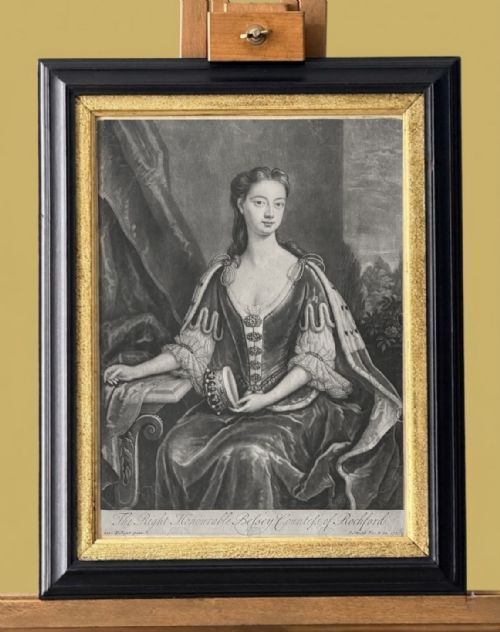
Monochrome Copperplate Print
When acquiring a monochrome copperplate print, you are selecting a historic work on paper created through engraved metal plates and dark ink.
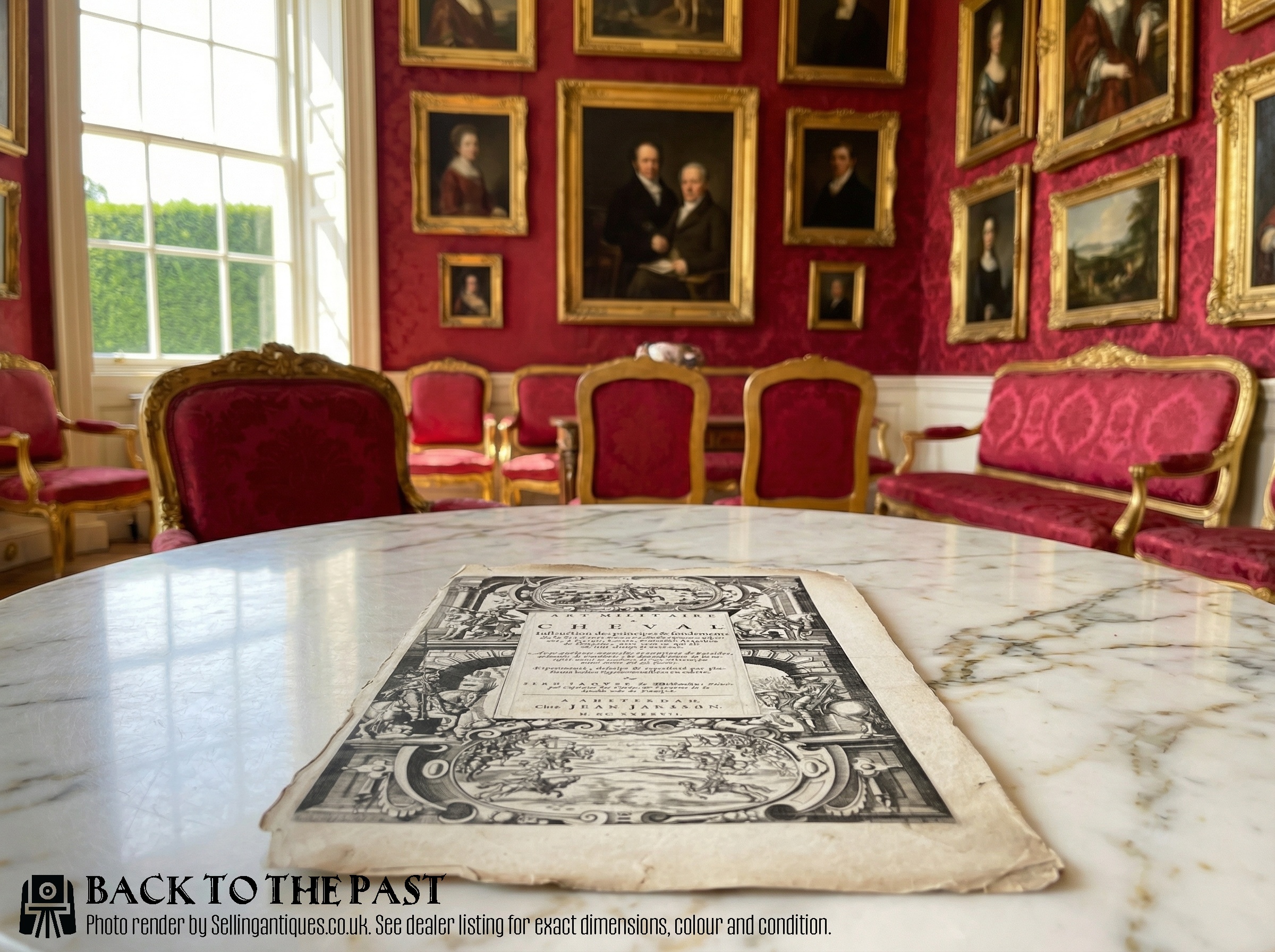
Monochrome Copperplate Print
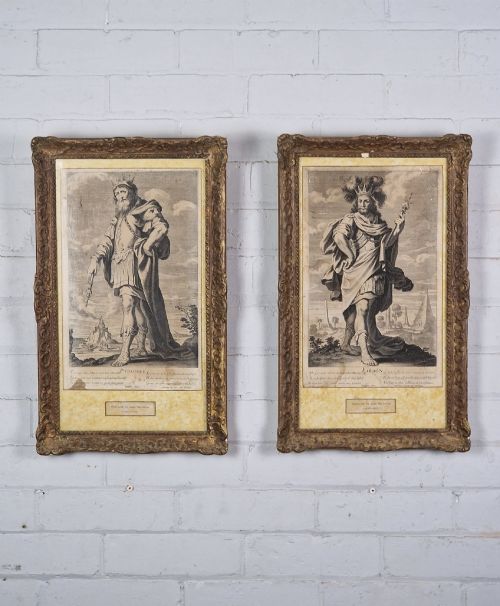
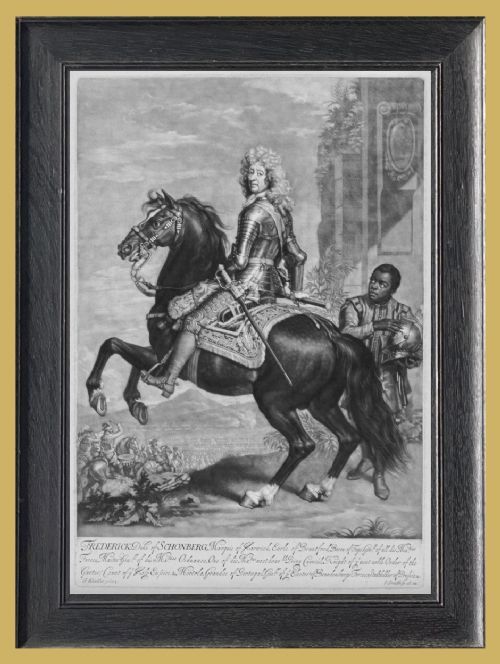
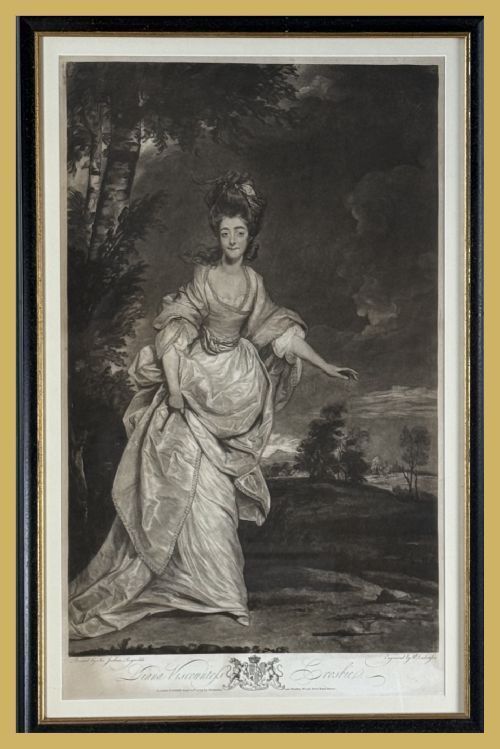
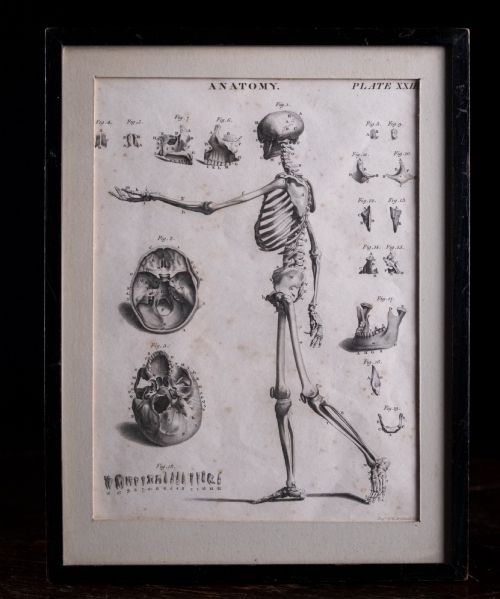
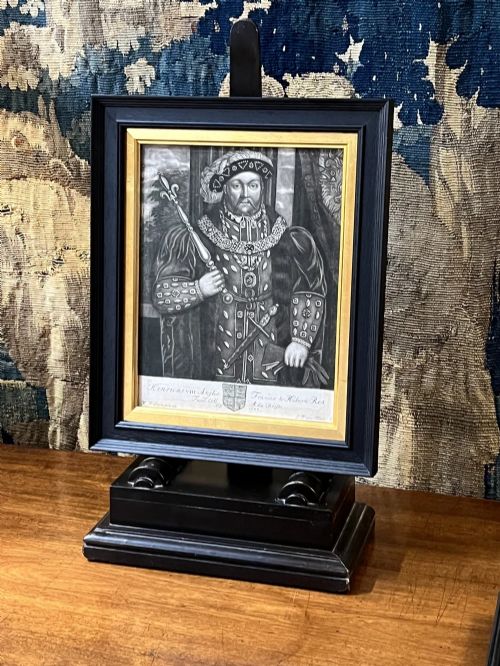
Monochrome copperplate print selections encompass centuries of intaglio printing, ranging from seventeenth-century classical etchings and eighteenth-century mezzotint portraits to nineteenth-century social satires. These works often survive framed in period surrounds like gilt wood or Hogarth moulding, preserving historical imagery from various European schools.
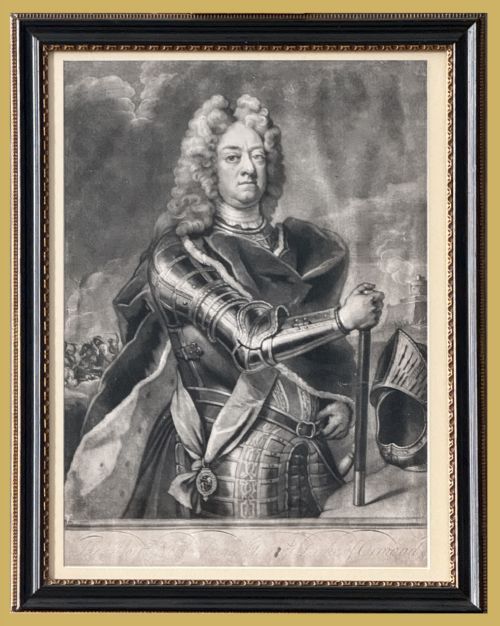
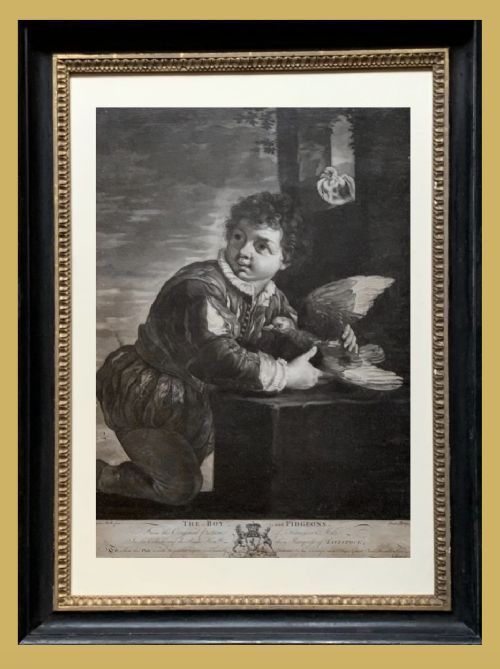
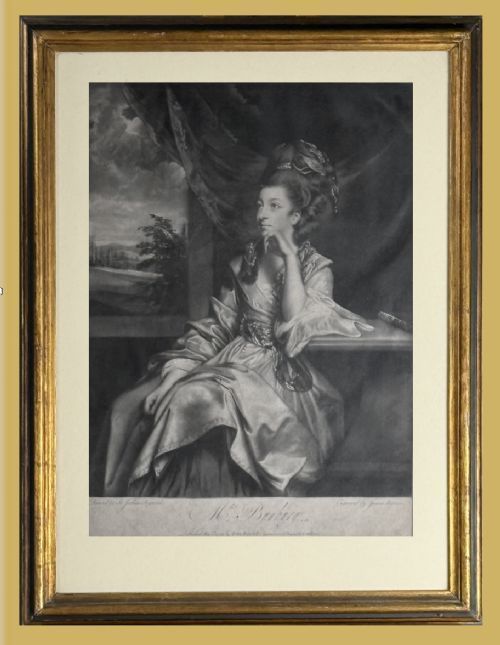
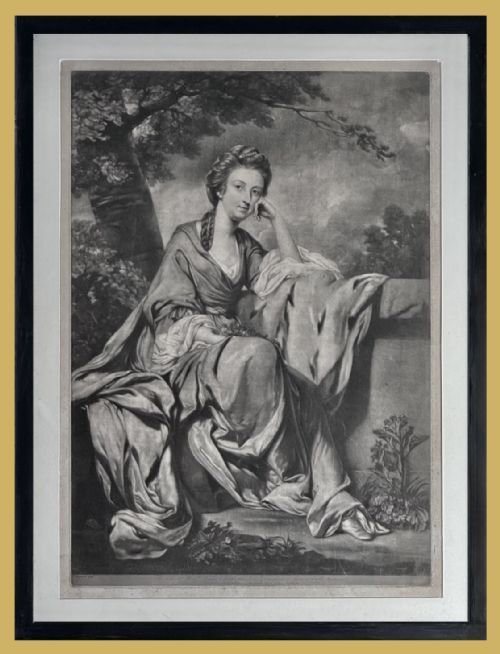
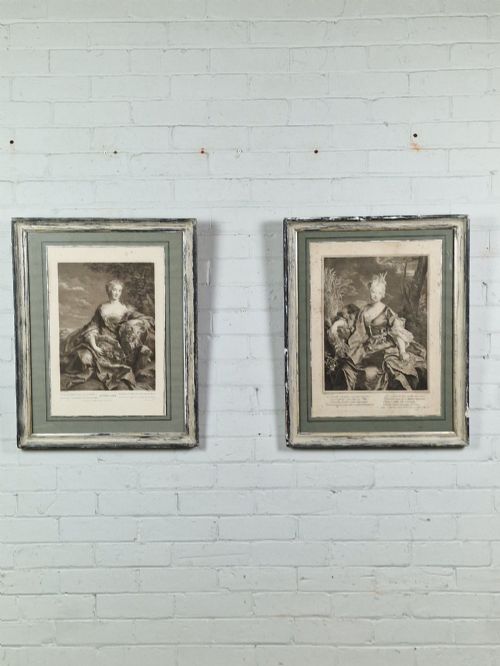
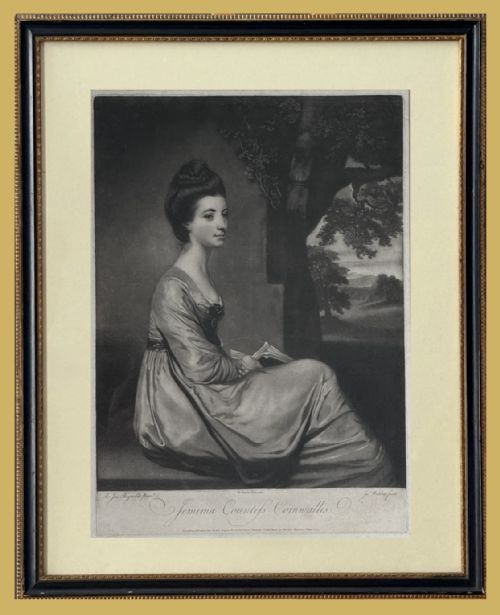
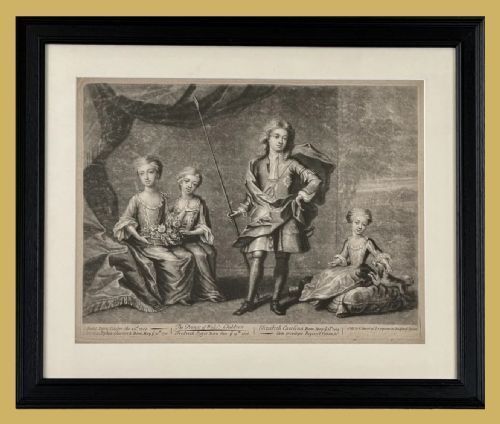
The most common examples encountered on this page are eighteenth-century mezzotint and line engravings depicting notable historical figures, mythological scenes, and architectural subjects. These prints frequently pair an engraver with a celebrated painter, mapping out the visual culture of Georgian and Baroque Europe.
Object forms span single wall art pieces, matched pairs, and larger complete series such as social satire sets or maps. They bridge domestic decorative arts and archival history, functioning primarily as framed graphical works on paper.
How They Were Made
Makers produced these works by incising designs into copper plates using sharp tools or acid baths, applying dark ink to the recessed lines, and pressing damp paper under high pressure. This intaglio method transferred fine linear detail or rich tonal gradations onto the sheet.
Finished plates were printed on various grades of paper using black or dark ink, occasionally supplemented by later hand-colouring or mounted within original wooden frames adorned with gold leaf. The resulting prints relied entirely on contrast and line weight to define form without relying on modern polychrome techniques.
Several eighteenth-century subjects capture aristocratic figures glaring across centuries with immense powdered dignity.
What Varies in Quality
The survival of original framing elements, such as period gilt wood or Hogarth mouldings, significantly enhances historical integrity. Furthermore, sheet condition, clean margins, and clear contemporary signatures or inscriptions distinguish exceptional collector examples from trimmed or heavily restored sheets.
John Simon·John Boydell·James Watson·Edward Fisher·John Smith·Andrew Bell·John Faber Snr·James Heath·François Perrier·William Lionel Wyllie·John Faber Jr·Robert Williams·Valentine Green·James Macardell·James Ward·Herbert Dicksee·Jacobus Houbraken·E.L. Riepenhausen
The Monochrome Copperplate Print Glossary
- Mezzotint
- An intaglio printmaking process where the copper plate is roughened uniformly to produce rich dark tones and scraped to create highlights. This technique allowed eighteenth-century portraitists to render velvety shadows and subtle skin textures.
- Etching
- A method where lines are bitten into a metal plate with acid rather than carved directly with a burin. Artists utilised this process to achieve fluid, sketch-like qualities in classical and architectural subjects.
- Copperplate
- A flat sheet of copper utilised as the matrix for engraving, etching, or mezzotint work. Because copper is relatively soft, plates wore down after a limited number of impressions were struck.
- Intaglio
- A printing family where the ink sits below the surface of the plate in carved or etched grooves. Paper is pressed firmly into these recesses to pick up the ink during the printing pass.
- State
- A stage in the development of a printed image determined by alterations made directly to the plate. Collectors frequently examine states to date an impression and track modifications by the publisher.
Monochrome Copperplate Print: Frequently Asked Questions
What is a monochrome copperplate print?
These works are historic images printed from engraved, etched, or mezzotinted metal plates onto paper using dark ink. They capture portraits, historical scenes, and satirical narratives from past centuries.
Most surviving examples date from the seventeenth through the nineteenth centuries and frequently arrive preserved in period wooden frames.
How should I hang these prints?
Protect antique paper works by keeping them away from direct sunlight and maintaining stable indoor humidity. Proper placement prevents the paper from foxing and shields the original frames from stress.
Display them at eye level using secure wall fixings suited to the weight of the traditional wood and glass surrounds.
How can I tell the period?
Dating relies on the stylistic markers of the imagery, the typography of the captions, and the characteristics of the paper stock. Biographical dates of the sitters and the active years of the engravers provide a reliable window of creation.
Original frames and backing boards often offer additional chronological clues that confirm the era of assembly.
Are these works original antique pieces?
The listings comprise period impressions pulled from historic plates during their respective eras rather than modern photographic reproductions. Each piece reflects the hand-printing techniques of its specific century.
Examining the plate marks and paper texture helps verify the historical period of the physical object.