


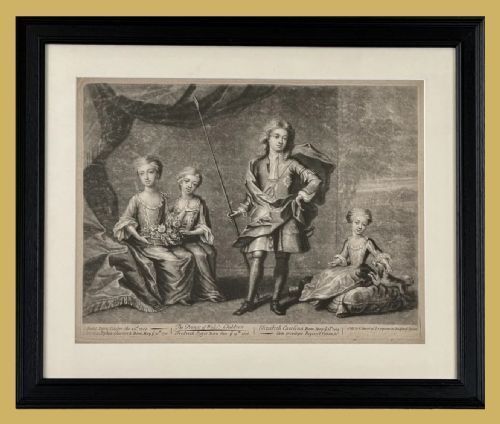
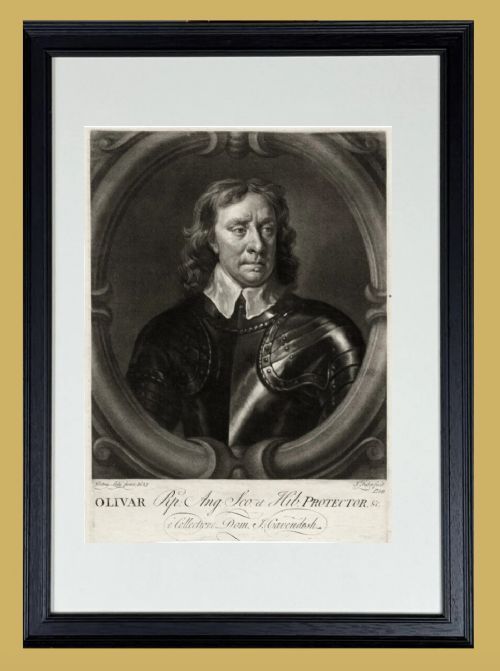
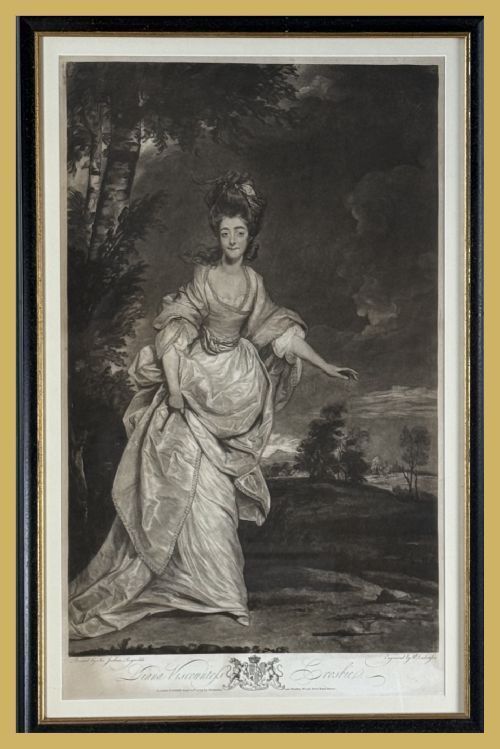
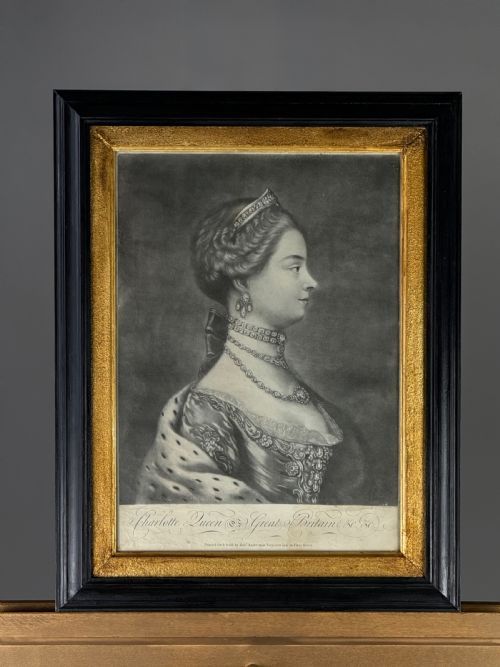
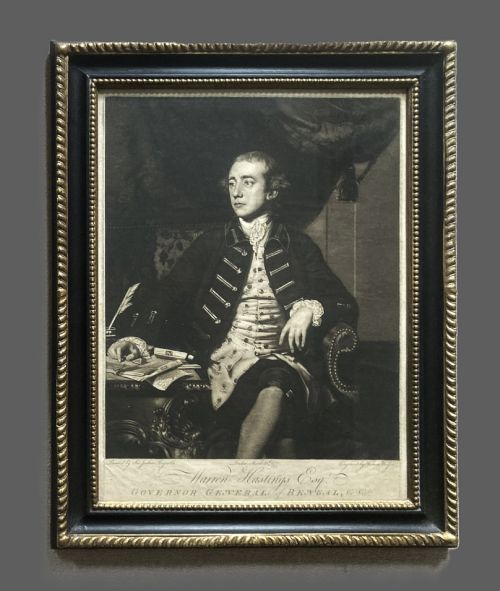
Paper Portrait Engraving
Paper portrait engraving brings together printmaking and portraiture on paper, offering historical likenesses captured through ink and line.
What paper portrait engraving pieces are
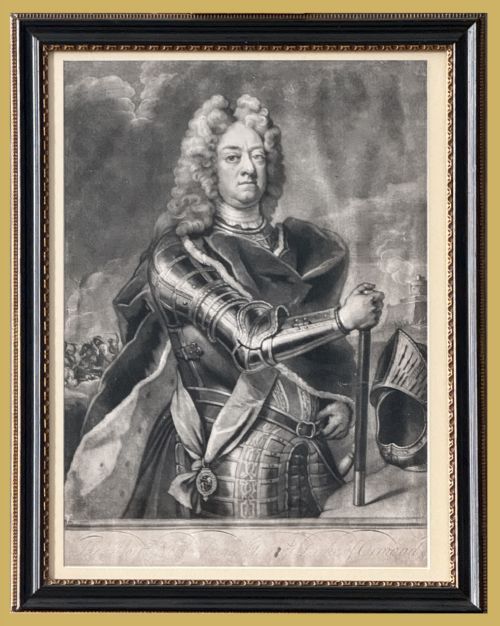
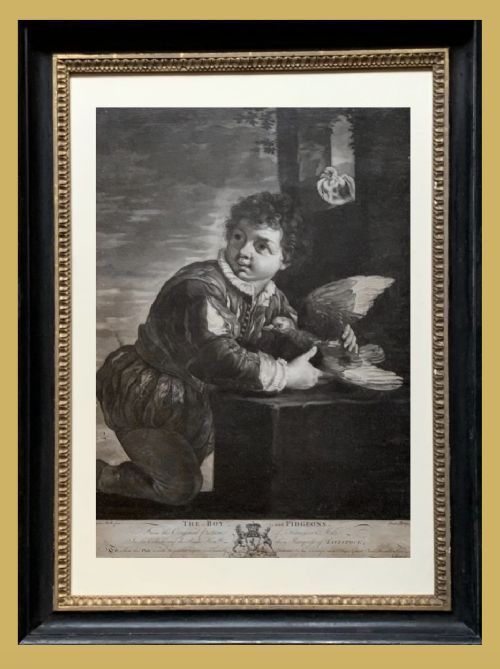
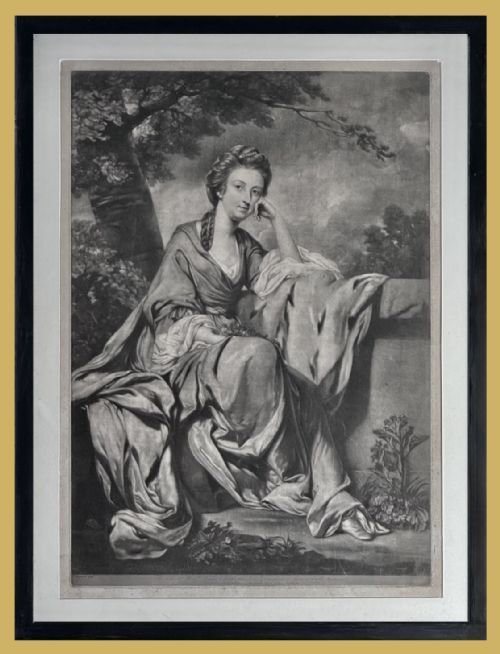
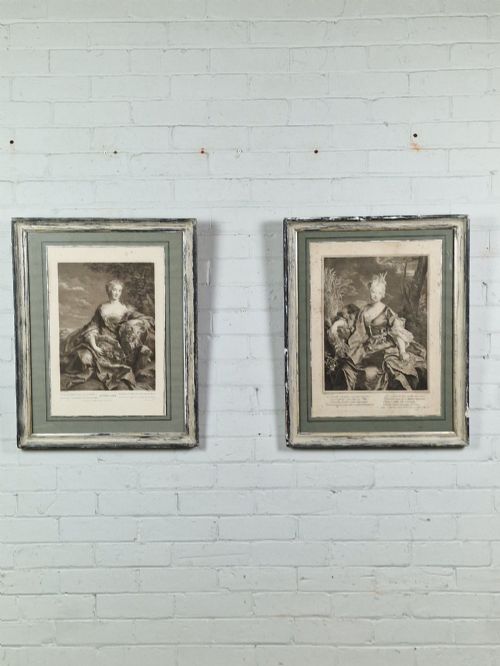
A paper portrait engraving is a print on paper depicting a specific person, produced during periods such as the seventeenth and eighteenth centuries in styles including Georgian, Baroque, and Neoclassical. These items function as wall art through prints and engravings.
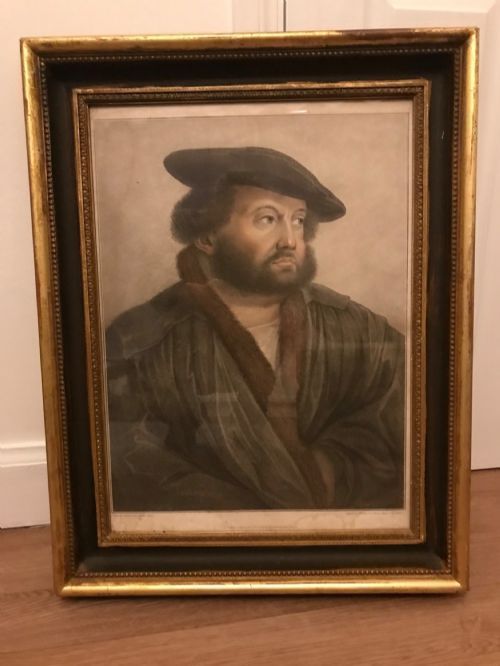
Buyers encounter paper portrait engraving pieces framed with materials like wood, glass, gold leaf, and ink. The range spans subjects from Hans Holbein to William Duke of Gloucester and Thais.
How paper portrait engravings were made
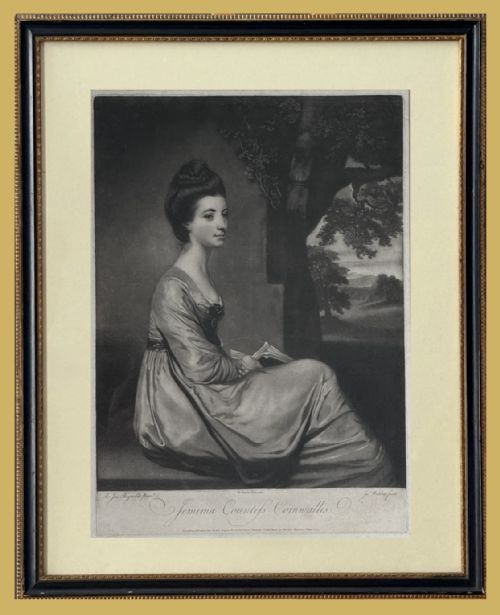
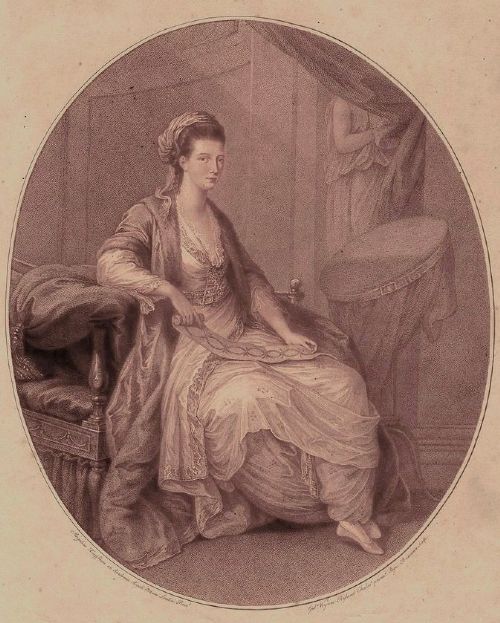
Makers produced these works using ink applied to paper through printmaking techniques such as stipple engraving and mezzotint. These methods allowed artists to build tonal variation and fine lines.
Finished prints were housed in surrounds incorporating wood, glass, and gold leaf. These materials protected the paper base while framing the portrait for display as wall art.
Listings span the seventeenth and eighteenth centuries, incorporating periods like the Georgian, Baroque, and Neoclassical eras.
What varies in quality
Quality in a paper portrait engraving rests on the precision of the ink impression and the fidelity of the printmaker's technique, such as the delicate dot work in stipple engraving or the rich tones of a mezzotint. Finer prints retain crisp lines and subtle gradients across the paper surface.
The quality of the framing materials also distinguishes pieces, with period wood frames, glass, and gold leaf adding historical context and physical preservation to the artwork.
Francesco Bartolozzi·John Smith·Sir Godfrey Kneller
The Paper Portrait Engraving Glossary
- Stipple engraving
- A printmaking method using dots of varying density to create tonal effects and shadows on paper. This technique was favoured by eighteenth-century artists for soft, painterly portraits.
- Mezzotint
- A printmaking process where the copper plate is roughened to achieve deep darks and smooth gradations of tone. It allows for rich portraiture with atmospheric depth.
- Engraving
- A technique of cutting lines into a plate to hold ink for transfer onto paper. It produces sharp, defined details.
- Neoclassical
- An artistic style drawing on classical antiquity, prevalent in the eighteenth century. It influences the proportion and aesthetic of portraiture from the period.
- Baroque
- A period style characterised by drama and rich detail, seen in seventeenth-century portraiture. It informs the staging and mood of subjects.
Frequently Asked Questions
What is a paper portrait engraving?
A paper portrait engraving is a printed likeness on paper created using techniques like stipple engraving or mezzotint. These works date from the seventeenth and eighteenth centuries.
They record historical figures and subjects in styles ranging from Baroque to Neoclassical, functioning as wall art.
How do I display these prints?
These works are framed behind glass using wood and gold leaf surrounds. Proper placement avoids direct sunlight to protect the paper and ink.
Displaying them as wall art preserves the integrity of the antique frame and the print within.
How are different periods told apart?
Seventeenth-century pieces often reflect Baroque styles and techniques like mezzotint, showing dramatic tonal contrasts. Eighteenth-century examples frequently employ Neoclassical aesthetics and stipple engraving.
Examining the engraving technique and the style of the portrait helps identify the era.
What materials are used in these pieces?
The primary components are paper and ink forming the image itself. Frames incorporate wood, glass, and gold leaf.
These materials work together to protect and present the print.