

Historical Portrait Engraving
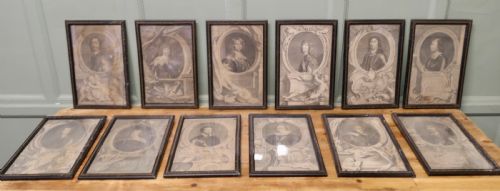
These historical portrait engraving pieces are framed works on paper capturing notable figures through centuries of printmaking.
Historical Portrait Engraving
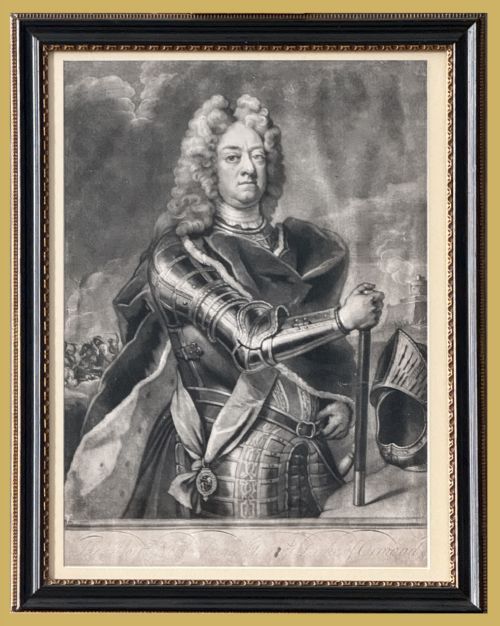
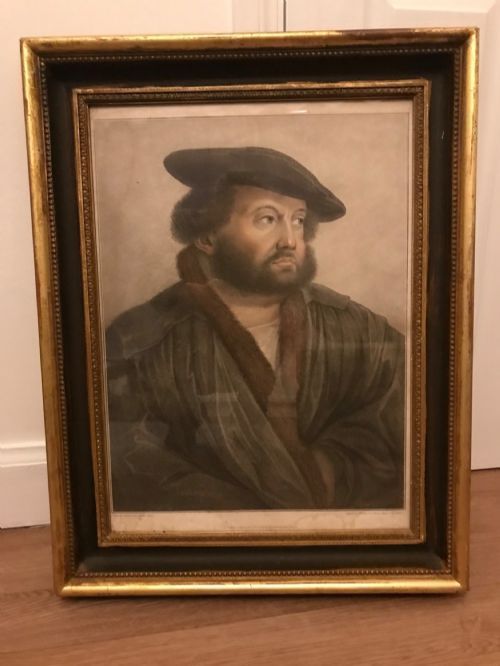
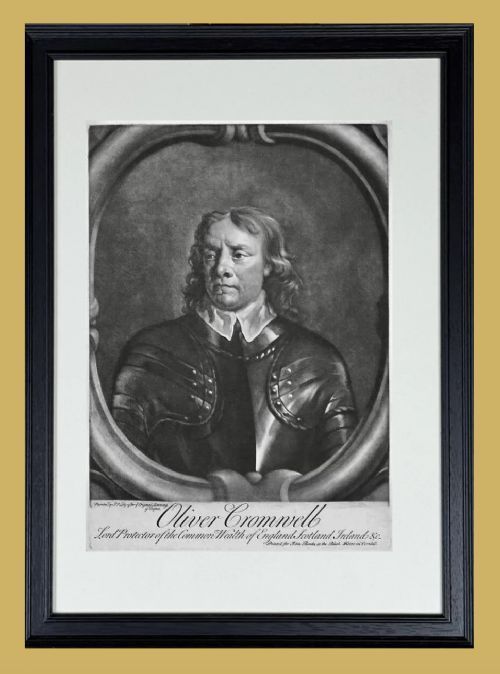
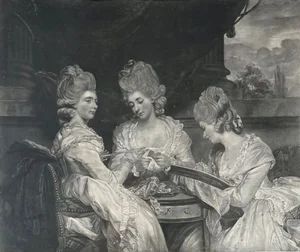
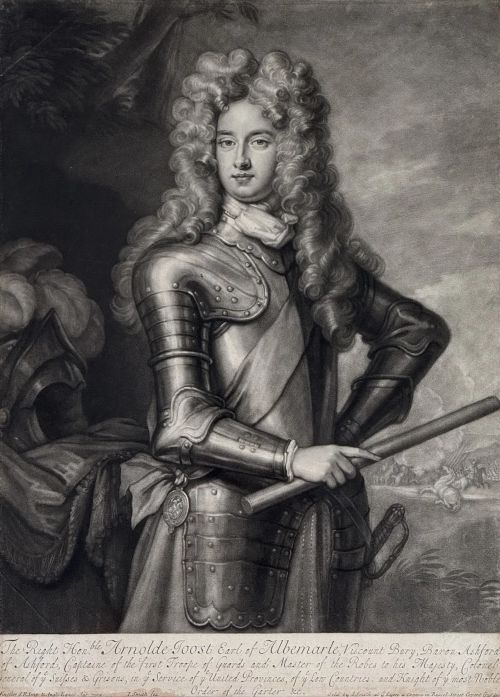
A historical portrait engraving captures likenesses of monarchs, politicians, and nobility across the seventeenth, eighteenth, and nineteenth centuries. These prints often translate grand oil paintings into ink on paper using specialised plates.
The versions most frequently met on this page belong to the eighteenth century, alongside seventeenth-century mezzotints and nineteenth-century examples. Works span British, French, and Dutch origins.
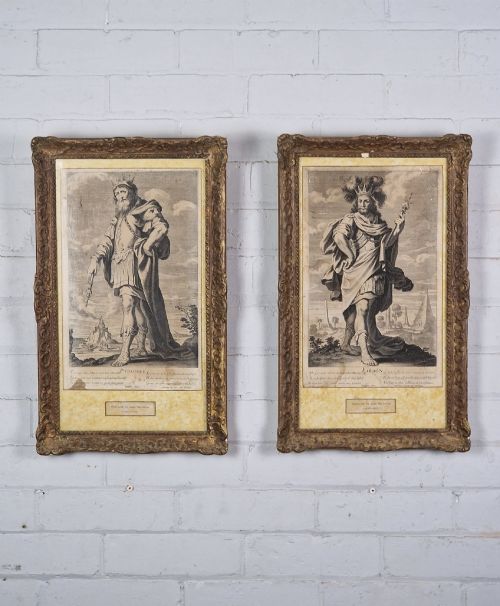
Framed formats dominate the selection, appearing in timber, gilt wood, and glass housings that complement the monochrome or tinted ink within.
Materials and Print Techniques
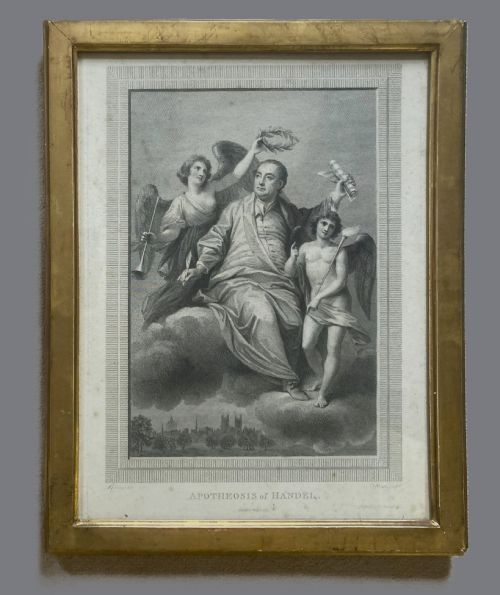
Makers applied ink to engraved or etched metal plates, transferring the image onto paper under heavy pressure. Mezzotint, stipple, and line engraving methods created varied tonal depths and textures.
Framing materials commonly incorporate timber and giltwood, sometimes paired with glass to protect the delicate paper surfaces from environmental damage.
Historical Portrait Engraving Retail Price Guide 2026
Typical asking prices for historical portrait engraving among the pieces listed under this phrase on Sellingantiques today, from the lower quarter to the upper quarter. They describe what is for sale here now, not the wider market.
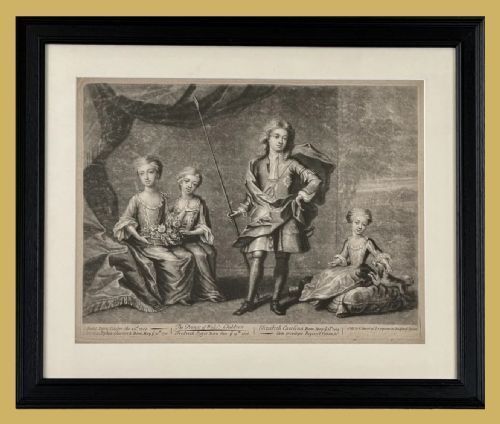
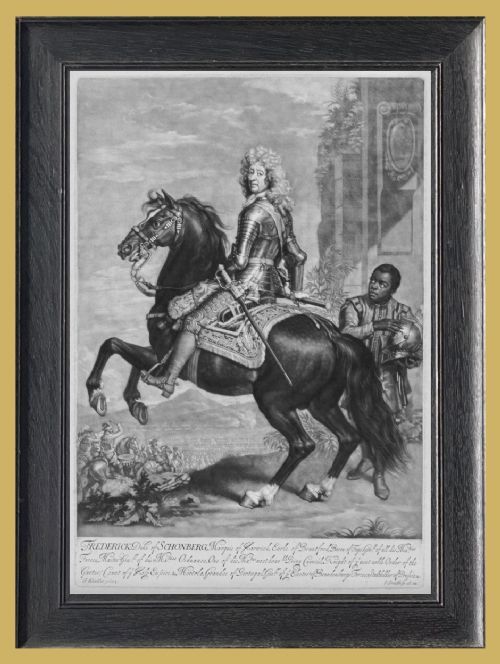
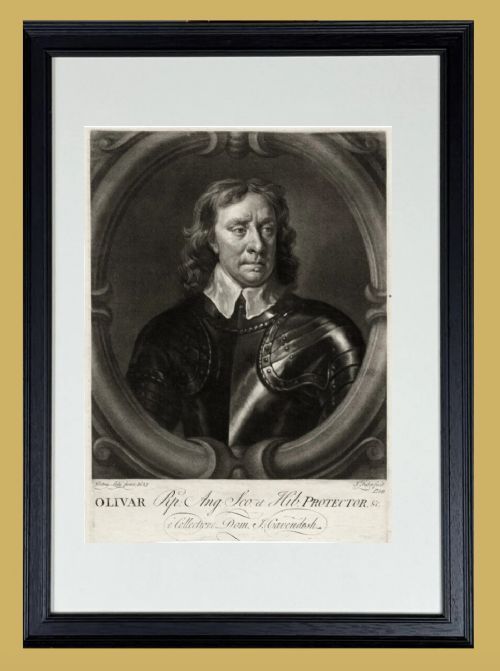
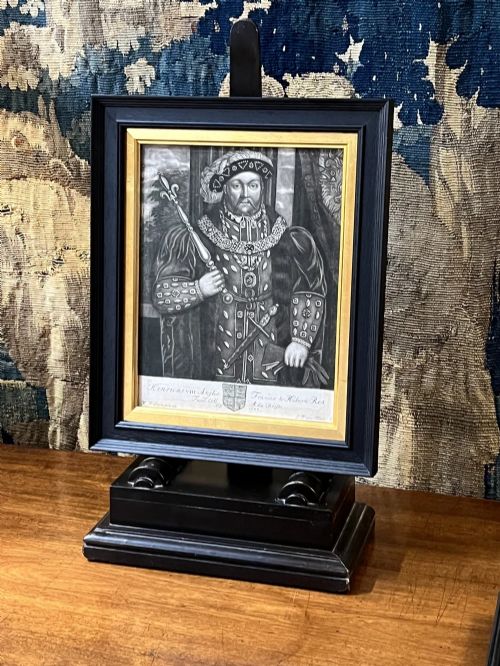
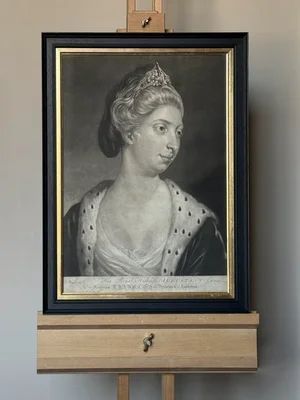
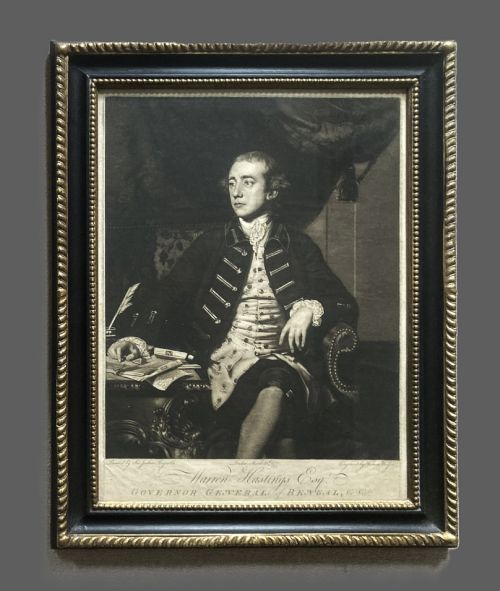
Subjects include royalty, governors general, and political figures rendered through mezzotint and line engraving.
Distinctions in Quality
Quality rests in the fidelity of the impression and the prestige of the printmaker and painter whose work is translated. Early strikes from a copper plate yield crisp details that later impressions lose.
The choice of framing materials, such as period gilt wood versus plain timber, influences the overall presentation and historical coherence of the piece.
John Simon·Francesco Bartolozzi·John Smith·Sir Peter Lely·Sir Godfrey Kneller
The Historical Portrait Engraving Glossary
- Mezzotint
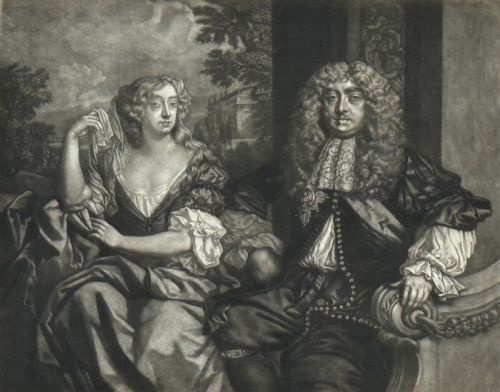
- A printmaking method where the copper plate is roughened to produce dark tones and rich contrasts. This technique allows for subtle gradations of light and shade.
- Line engraving
- A precise technique where lines are cut directly into metal with a burin to produce sharp outlines. It offers clarity and geometric control.
- Reverse engraving on glass
- An image applied to the back of a glass sheet, often viewed from the front. This technique produced glossy, decorative finishes during the Regency period.
Historical Portrait Engraving: Frequently Asked Questions
What periods do these engravings come from?
The pieces span the seventeenth, eighteenth, and nineteenth centuries, reflecting distinct shifts in printmaking technology and portraiture styles.
Most items originate in the Georgian and Victorian eras, alongside seventeenth-century Dutch and British works.
How should I hang them at home?
Keep framed paper works away from direct sunlight to prevent the ink and paper from fading over time.
Use stable interior walls where humidity and temperature remain reasonably constant.
What is a mezzotint portrait?
A mezzotint is a tonal printmaking method that builds rich dark areas and smooth gradations without using traditional line hatching.
This technique suited grand portraiture by translating painted oils into deeply atmospheric prints.
How do I identify different print techniques?
Line engravings show crisp, defined lines, while stipple engravings rely on clusters of tiny dots.
Mezzotints display velvety dark backgrounds and soft transitions between light and shadow.