


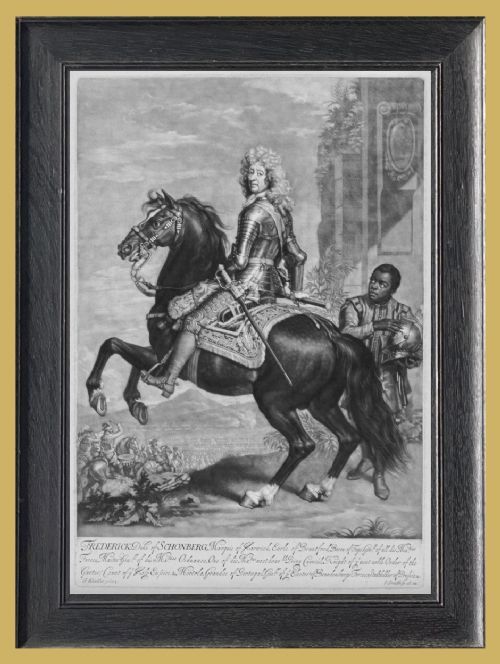
Framed Copperplate Print
Framed copperplate print works bring centuries of portraiture and satire into your rooms through enduring inked lines.
What framed copperplate print examples represent
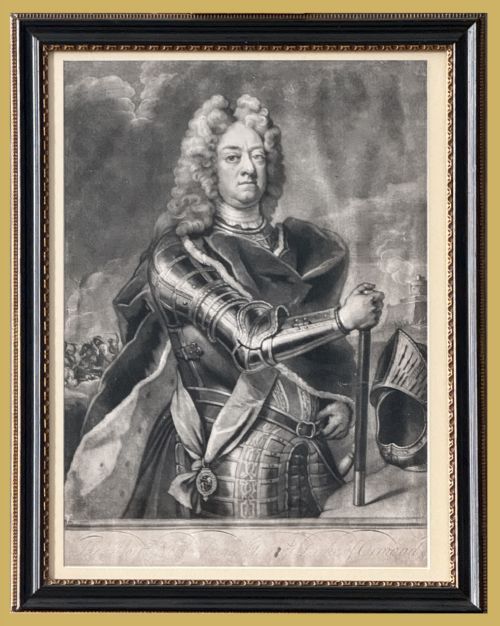
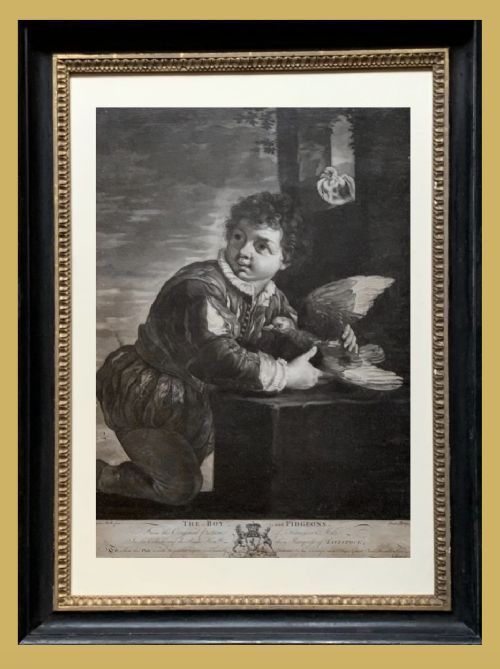
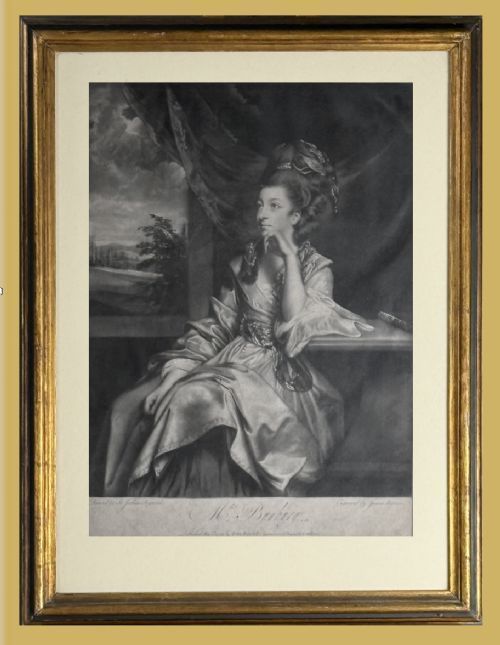
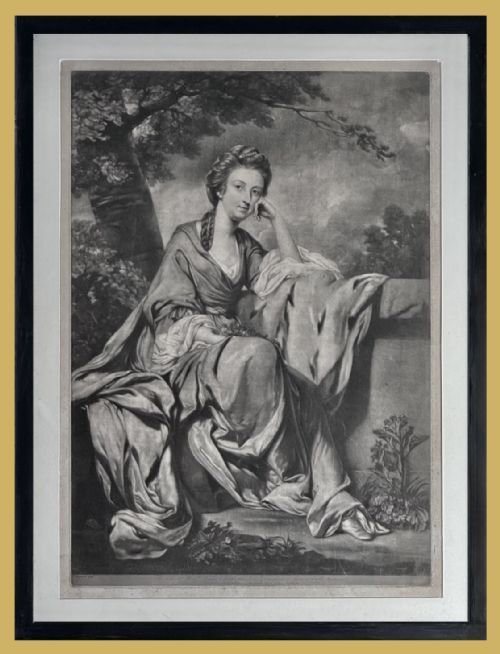
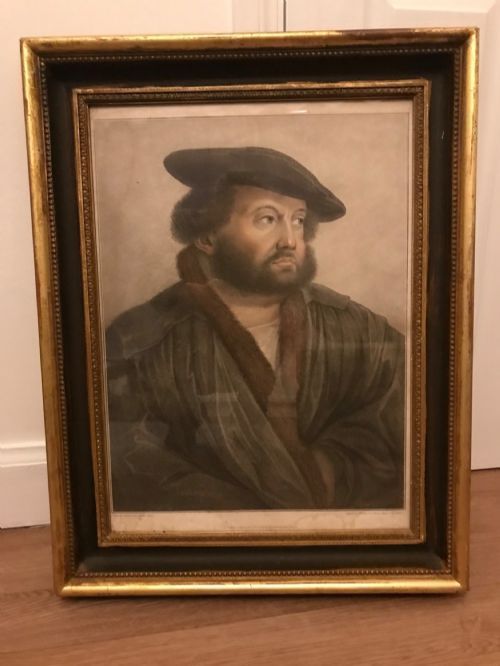
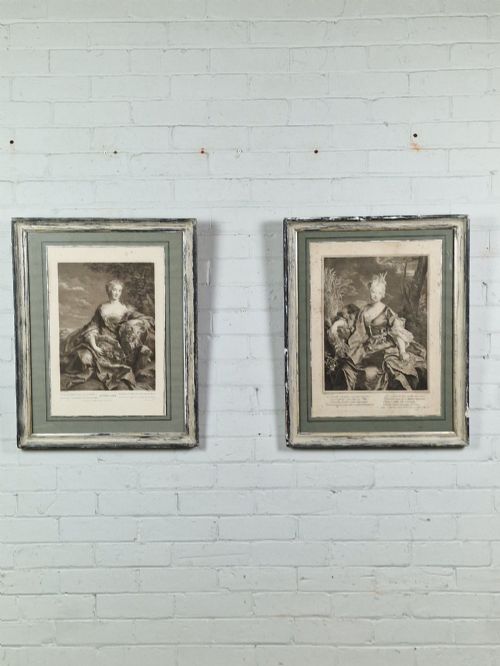
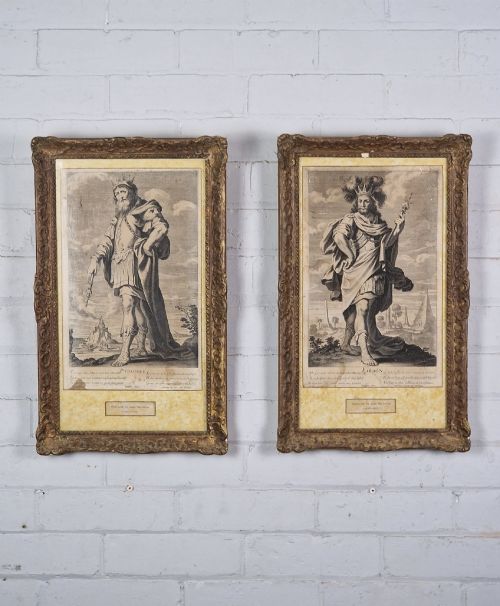
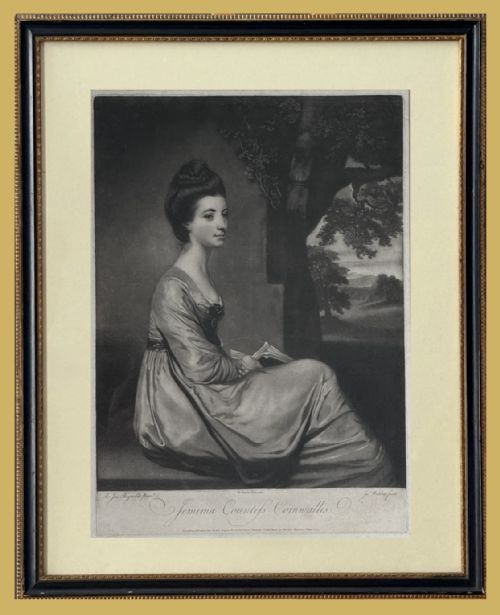
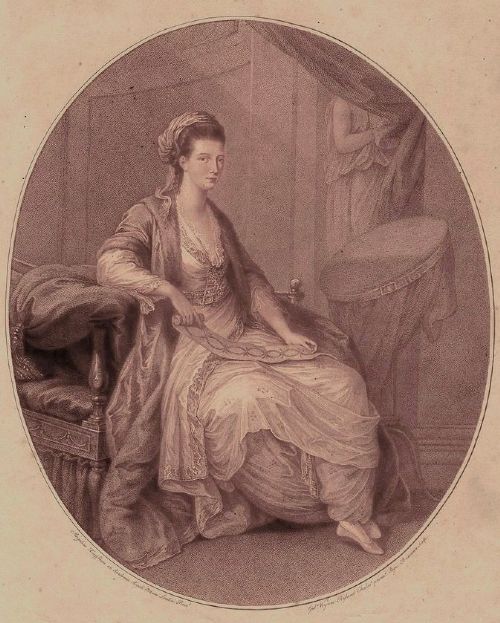
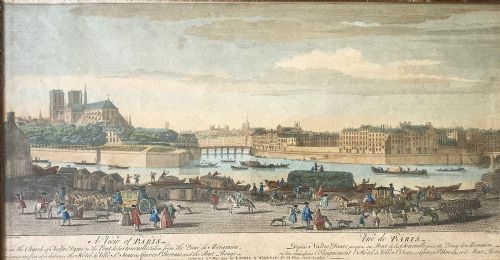
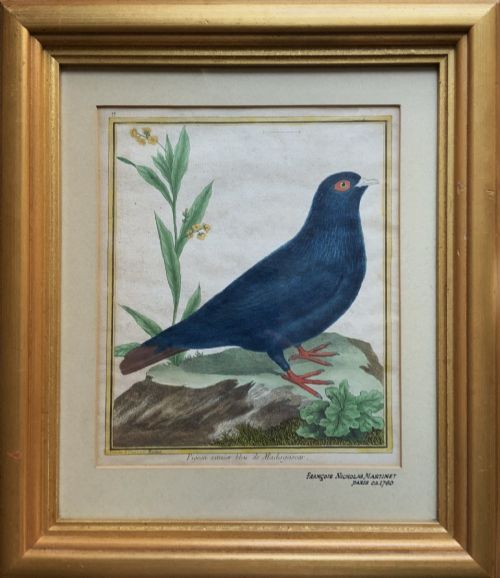
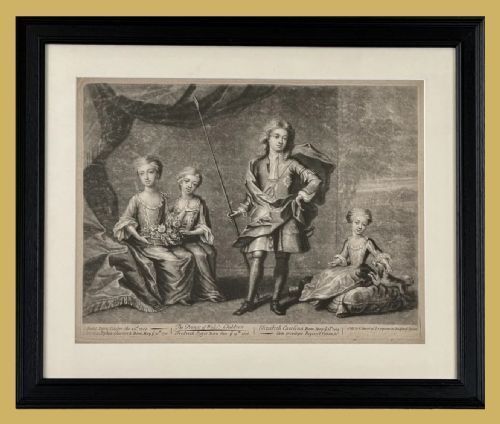
A framed copperplate print brings historical graphic art into modern spaces through enduring portraits and satires. When exploring framed copperplate print pieces on this page, you meet works spanning the seventeenth, eighteenth, and nineteenth centuries alongside mid-twentieth-century examples.
The selections include mezzotint portraits and original engravings presented behind glass within traditional wooden surrounds. These works preserve historical likenesses and detailed scenes that anchor period decoration.
Subjects range from aristocratic portraits after notable painters to satirical commentary on historical fashion. Each framed copperplate print connects contemporary interiors directly to past graphic traditions.
How these pieces were made
Makers applied ink to prepared surfaces and pressed the designs onto paper using manual pressure. These prints incorporate paper and ink secured beneath glass for protection.
Makers housed the finished works inside wooden surrounds, utilising distinct maple frames to complement the graphic art. The combination of timber, glass, and inked paper forms a cohesive traditional artefact.
Retail Price Guide 2026
Typical UK retail prices for framed copperplate print, calculated from the Sellingantiques database of over a million retail prices indexed since 2003. This retail price guide relies exclusively on Sellingantiques data; no external sources or auction records are used, so the figures do not describe the wider market.
Periwigs receive satirical treatment in the framed prints, reminding us that historical hair was serious business.
What varies in quality
Distinctions in quality rest upon the fidelity of the impression and the harmony of the framing materials. Earlier seventeenth and eighteenth-century examples exhibit distinct graphic depth compared to later nineteenth-century interpretations.
The choice of housing influences the overall presentation, where figured maple frames impart a warmer character than plain timber mouldings. Superior examples maintain crisp lines in the ink work alongside well-preserved paper supports.
James Watson·Sir Joshua Reynolds·John Smith·Sir Godfrey Kneller·William Hogarth·Luke Sullivan·William Mc Allister
The Framed Copperplate Print Glossary
- Mezzotint
- A printmaking process where the copper plate is roughened to achieve rich tonal gradations and dark backgrounds. This technique allows for subtle shading in portraiture.
- Engraving
- A method of cutting lines directly into a metal plate with a burin to hold the ink. It yields sharp, precise details suited for complex compositions.
- Etching
- A process where acid bites the lines into a metal plate covered with a protective ground. Artists use this technique to produce fluid, expressive marks.
- Maple
- A dense timber valued for its pale colour and distinct grain patterns used in framing. It provides a durable and decorative border for works on paper.
Frequently Asked Questions
How do I hang a framed print?
Secure the piece using appropriate wall fixings that match the weight of the timber and glass.
Position the work at eye level away from direct sunlight to protect the paper and ink over time.
What periods do these prints cover?
The selection includes works from the seventeenth, eighteenth, and nineteenth centuries, extending into the mid-twentieth century.
Each era brings distinct portrait styles and framing methods to the collection.
How do I care for the paper?
Keep the piece away from damp environments and extreme temperature fluctuations to preserve the paper support.
Dust the timber surround gently with a dry cloth without applying liquid cleaners directly to the glass or frame.