

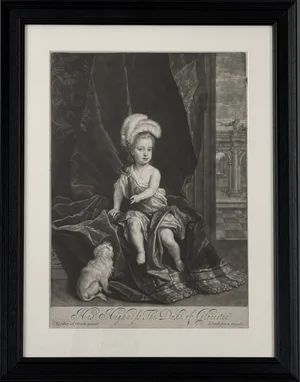


17th Century Portrait Print
These 17th century portrait print pieces bring historic faces to your walls, offering ink and paper works from European and British workshops.
17th Century Portrait Print
A 17th century portrait print captures notable figures of the era through graphic works on paper. When you search for a 17th century portrait print, you encounter historic likenesses rendered in ink, often originating from seventeenth century plates.
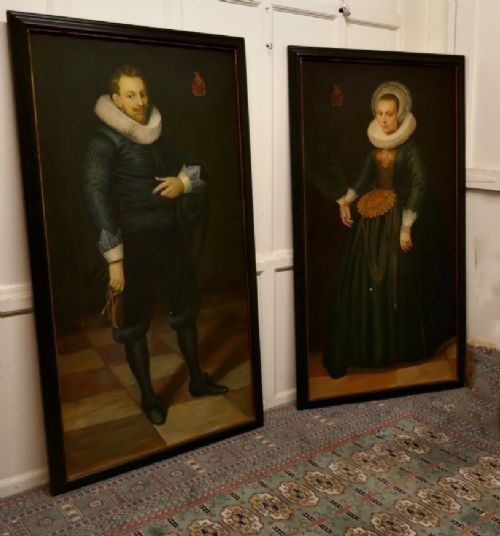
The selections on this page span several centuries of production, including later printings and related media such as oil paintings and drawings. You will find works reflecting styles like the Dutch Golden Age, Baroque, Jacobean, and Restoration periods alongside the main print offerings.
How they were made
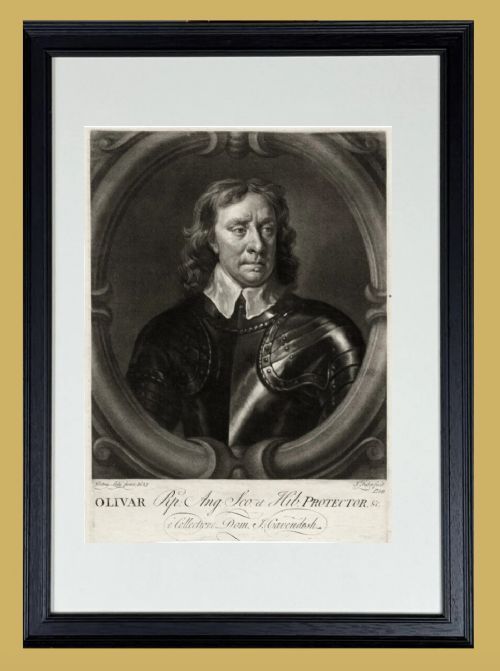
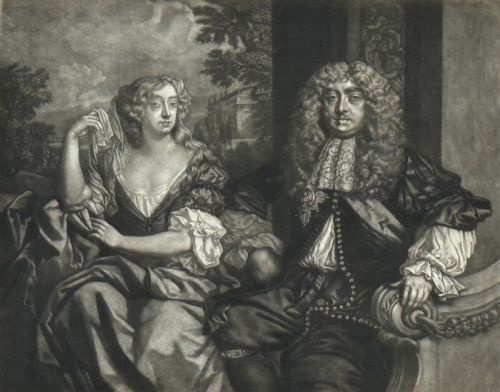
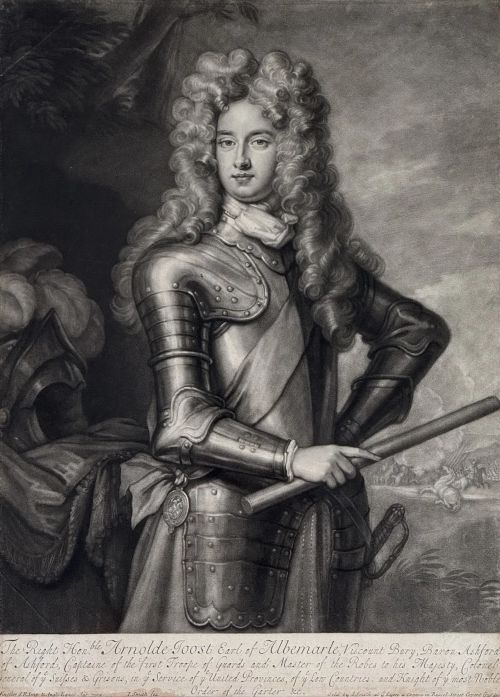
Makers utilised copper plates and ink applied to paper, producing tonal depth through processes like mezzotint and historic engraving techniques. Skilled printmakers translated oil paintings by prominent artists of the period onto metal plates.
Finished works frequently feature timber frames with glass protection and gold leaf detailing. Some variants incorporate canvas supports or vinyl canvas materials for related painted artworks.
17th Century Portrait Print Retail Price Guide 2026
Typical asking prices for 17th century portrait print among the pieces listed under this phrase on Sellingantiques today, from the lower quarter to the upper quarter. They describe what is for sale here now, not the wider market.
Ben Jonson watches over your bookshelf as a literary critic, playwright, poet, and actor captured in historic print form.
What varies in quality
The quality of the framing materials, including the preservation of the timber and gold leaf, contributes to the overall integrity of the piece. Early printings and period impressions hold greater historical weight than later reproductions.
John Smith·Joseph Sympson·Robert Williams
The 17th Century Portrait Print Glossary
- Mezzotint
- A printmaking process where the copper plate is roughened to allow uniform ink pickup, producing rich dark tones and subtle gradations. This technique was widely used for 17th century portrait print works.
- Engraving
- A method of cutting design lines directly into a metal plate with a sharp tool to hold ink. It produces precise, clean lines.
- Baroque
- An artistic style characterised by dramatic movement and grandeur, prevalent across 17th century European art. It influences many portrait compositions from this era.
- Dutch Golden Age
- A period in Dutch history spanning the 17th century noted for extraordinary achievements in painting and printmaking. Artists of this time captured detailed realism in portraiture.
- Restoration
- The historical period beginning in England, associated with the return of the monarchy and specific stylistic developments in British art. Works from this time often depict notable court figures.
17th Century Portrait Print: Frequently Asked Questions
What is a mezzotint portrait?
A mezzotint portrait is an intaglio print created by roughening a metal plate to achieve smooth tonal gradations rather than just fine lines. This method allowed printmakers to replicate the soft shadows of oil paintings.
Printers utilised this technique extensively for 17th century portrait print works to capture realistic likenesses of nobility and notable figures.
How should I frame these prints?
These works require framing under glass with acid-free materials to protect the historic paper from environmental damage and light exposure. Timber frames, sometimes finished with gold leaf, complement the age of the pieces.
Display them away from direct sunlight to preserve the ink and paper over time.
How do I identify the period?
Identifying the period involves examining the paper stock, the framing style, and the printmaking technique used for the specific image. Stylistic cues like Baroque or Jacobean clothing and hairstyles also offer clues to the sitter's era.
Inscriptions on the print often name the original artist and the printmaker, helping to date the work.
Who are the sitters in these portraits?
The sitters include prominent historical figures such as nobility, poets, playwrights, and military leaders from Britain and Europe. Many prints depict royals like the Duke of Gloucester and Oliver Cromwell.
These individuals shaped the political and cultural landscape of the seventeenth century and beyond.