


Classical Figure Engraving
A classical figure engraving captures myth and antiquity on paper or carved stone, offering a tangible link to neoclassical ideals for the collector.
Classical Figure Engraving
A classical figure engraving presents mythological and antique subjects rendered across print formats and carved hardstones, drawing heavily from eighteenth-century and nineteenth-century taste. These works range from framed engravings after ancient statues and Homeric illustrations to intaglio rings and pendants carved with classical deities.
The material record on this page leans toward paper prints and ink works alongside gold and carnelian intaglios, reflecting both framed art and wearable jewellery. Buyers encounter eighteenth-century plates depicting archaeological discoveries alongside nineteenth-century interpretations of neoclassical style.
What varies in quality
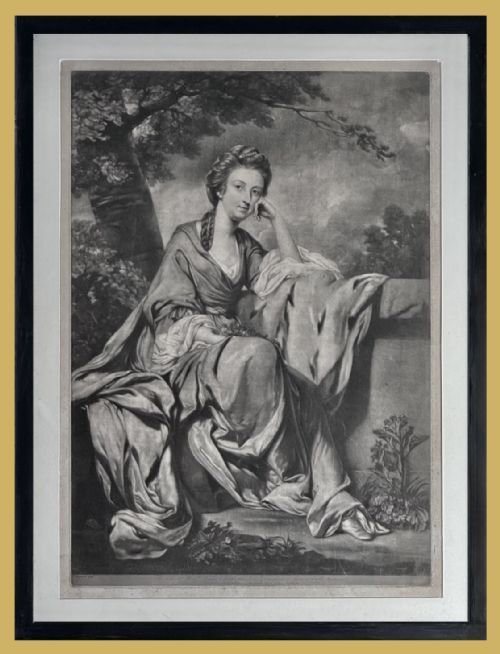
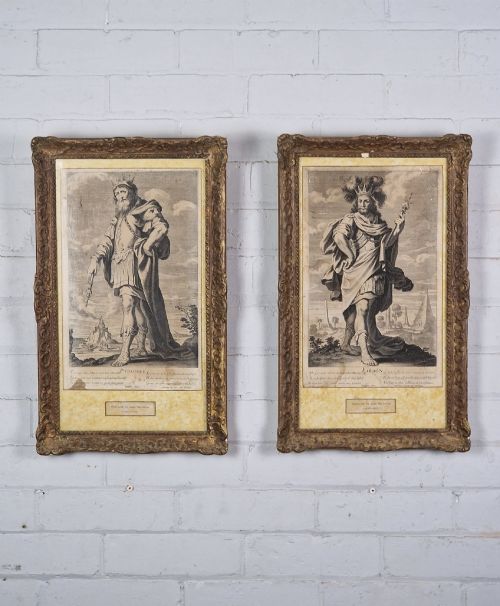
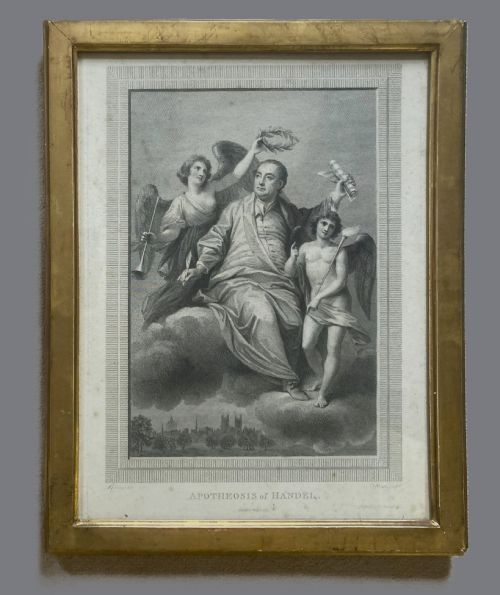
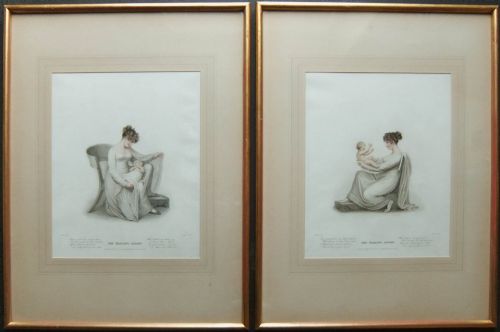
The sharpness of line in the engraving and the depth of the plate impression dictate the visual strength of printed works. Softer impressions or heavily trimmed margins alter the fidelity to the original classical source material.
In carved intaglios, the crispness of the figure's musculature and drapery against the carnelian ground distinguishes finer workshop execution. The integration of the gold mount and the clarity of the stone elevate the piece.
Object forms range from framed prints and glass stemware to gold fob pendants and intaglio rings.
Edward Fisher·Sir Joshua Reynolds·James Heath·Biaggio Rebecca·Simon Francois Ravenet·F R Roffe·James Basire·Edward Rooker
The Classical Figure Engraving Glossary
- Intaglio
- A design carved into the surface of a gemstone or metal so that the impression can be used as a seal. This technique appears on rings and pendants set in gold.
- Mezzotint
- A printmaking process where the copper plate is roughened to achieve rich tonal gradations rather than simple lines. It permits subtle shifts of light and shade.
- Neoclassical
- A style inspired by the art and culture of classical Greece and Rome that flourished during the eighteenth and nineteenth centuries. It governs the subjects of statues, myths, and architectural antiquities seen here.
- Fob
- A short chain or ribbon attached to a pocket watch, frequently mounted with an engraved hardstone seal. These pieces often feature classical figure intaglios.
- Etching
- A method of printmaking where lines are bitten into a metal plate with acid before being inked and pressed onto paper. It produces fluid lines distinct from engraved grooves.
Classical Figure Engraving: Frequently Asked Questions
What subjects appear on these engravings?
The subjects include classical statues, mythological deities, allegorical figures, and scenes derived from Homeric epics and archaeological ruins. Many derive from eighteenth-century excavations at sites like Athens and Herculaneum.
Artists and engravers translated these ancient motifs into both framed paper prints and miniature hardstone carvings for personal adornment.
How do prints differ from intaglio rings?
Prints utilise ink on paper to render large-scale depictions of statues and mythical narratives suitable for framing. Intaglos utilise miniature carved carnelian stones set into gold rings or fobs.
Both categories share a common foundation in neoclassical iconography but serve entirely different functions as art and jewellery.
How should I display framed paper pieces?
Framed prints require protection from direct sunlight to prevent the ink and paper from fading over time. Acid-free mounting helps preserve the sheet within the frame.
Displaying them away from moisture ensures the paper remains stable in domestic environments.
Can intaglio rings still be worn daily?
Carnelian and agate possess sufficient hardness for occasional wear, but antique gold mounts require gentle treatment. Avoiding harsh impacts protects both the carved stone and the antique setting.
Storage in a dedicated jewellery box prevents scratching from harder gems.