


Sepia Classical Wall Art
Sepia classical wall art brings quiet mythological scenes and academic life into a room through aged paper and monochrome ink.
Sepia Classical Wall Art
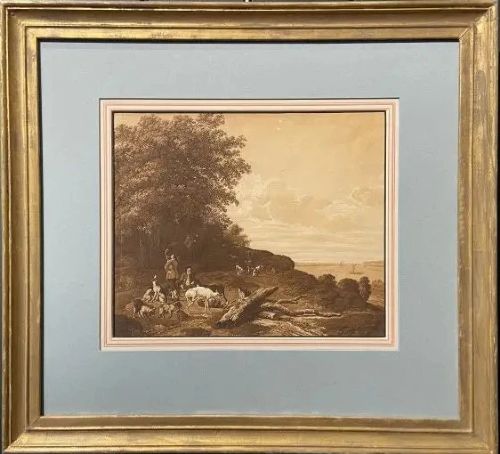
Sepia classical wall art spans original drawings, stipple engravings, etchings and academic watercolours executed in muted brownish tones. The selections here draw heavily from eighteenth-century and nineteenth-century periods, showcasing neoclassical motifs and academic figure studies.
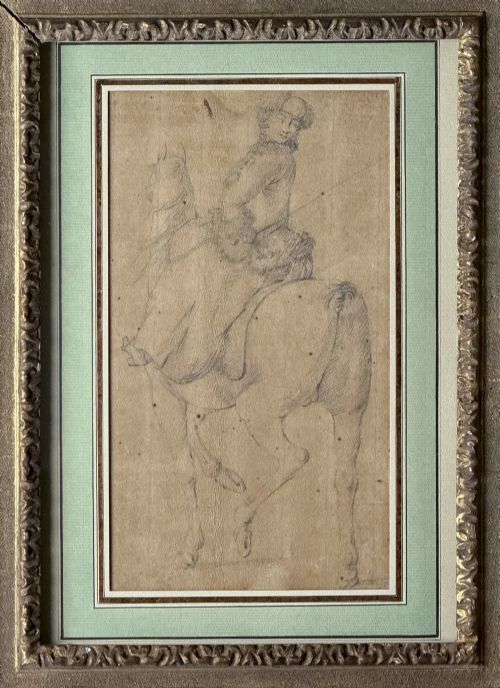
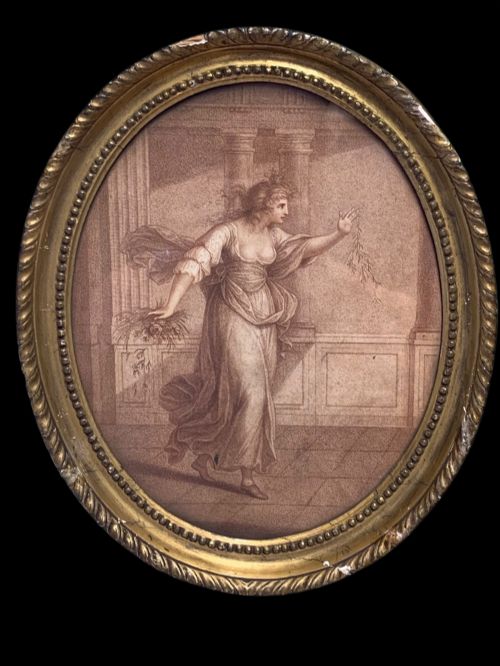
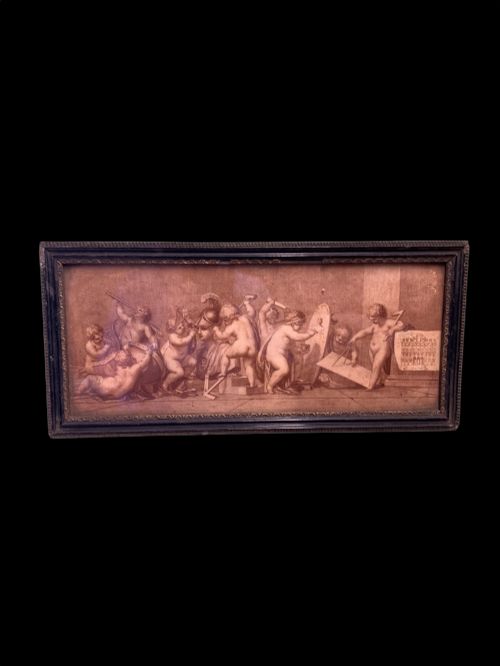
Buyers encounter framed prints and original drawings that capture historical architectural designs, equestrian studies and mythological figures like Eros and Aphrodite. These works rely on restrained palettes to emphasise line work and shading over vibrant colour.
Materials and techniques
Works in this category utilise paper as the primary ground, marked by ink, graphite, watercolour, or gouache. Printmaking techniques such as stipple engraving and etching create fine tonal gradations across monochrome surfaces.
Framing often incorporates wood, giltwood, and glass to protect fragile nineteenth-century drawings and eighteenth-century prints from environmental degradation.
Listings feature works executed in paper, glass, wood, ink, giltwood, gold leaf, oil on canvas, and watercolour across the eighteenth and nineteenth centuries.
Distinctions in quality
Quality rests upon the precision of the draughtsmanship and the clarity of the plate in engraved works. An accomplished academic life study demonstrates confident line work and accurate anatomical proportion.
The condition of the paper surface and the integrity of early framing materials separate standard decorative prints from significant archival drawings and period proofs.
Johannes Lingelbach·Sir Joshua Reynolds·Sherwin & Cotton·H. H Wyatt·Claude Lorrain·John Boydell·Julius Caeser Ibbetson
The Sepia Classical Wall Art Glossary
- Stipple engraving
- A printmaking method using dots to create tonal variations and soft shadows. This technique produces gentle transitions reminiscent of chalk drawings.
- Academic life study
- A drawing or painting of a nude model made by art students as training. These works record the rigorous anatomical practice required in official academies.
- Giltwood
- Wood carved and coated with gold leaf or a gold-coloured finish. It provides traditional framing for eighteenth-century and nineteenth-century works on paper.
- Mezzotint
- A printmaking process where the surface is roughened to achieve rich dark tones and subtle highlights. It allows for smooth gradations without relying entirely on line work.
- Neoclassical
- An artistic style inspired by the art and culture of classical antiquity. It emphasises proportion, heroic subjects, and restrained composition.
Sepia Classical Wall Art: Frequently Asked Questions
How do I care for antique works on paper?
Keep framed pieces away from direct sunlight to prevent the sepia ink and paper from fading further. Maintain stable humidity levels to protect fragile historical paper.
Ensure that framing utilises acid-free backing materials to stop chemical degradation over time.
What distinguishes an etching from an engraving?
Etchings rely on acid to bite lines into a metal plate, resulting in free and expressive strokes. Engravings involve cutting lines directly into the metal with a sharp tool.
Printed impressions reveal these different methods through the crispness of the lines and the depth of the ink.
Are these pieces original or reproductions?
The inventory includes period stipple engravings, original graphite drawings, and nineteenth-century watercolours created during the eras specified. Each medium shows distinct plate marks or hand-applied pigment appropriate to its date.
Close inspection reveals authentic ageing on the paper rather than modern digital dot patterns.
How should I style these in a modern interior?
The neutral brown tones of sepia artwork pair easily with minimalist walls and natural wood furniture. Dark wooden or gilt frames anchor the monochrome imagery against plain backgrounds.
Grouping several architectural or academic drawings together creates a strong focal point in a hallway or study.