
Francesco Bartolozzi Print
These francesco bartolozzi print examples offer eighteenth-century stipple engraving skill that brings Georgian portraiture straight into a room.
What They Are
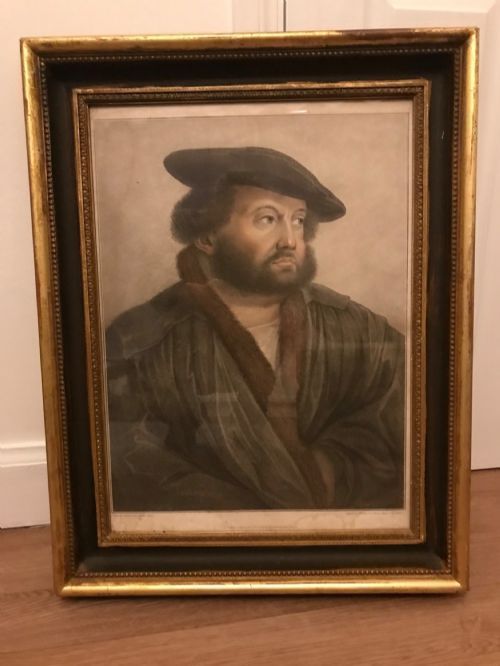
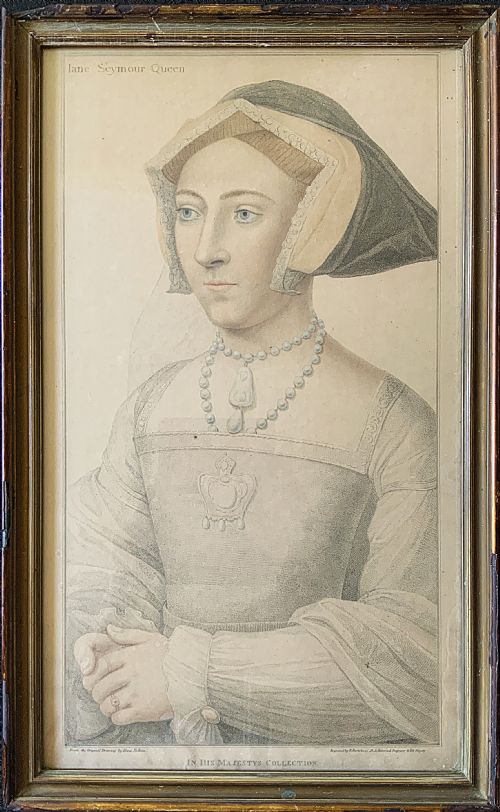
A francesco bartolozzi print is a work of graphic art produced during the eighteenth century. The single piece available on this page takes the form of a stipple engraving depicting Hans Holbein.
Georgian portraiture forms the primary focus for these prints. The examples found here belong strictly to the eighteenth century period.
How They Were Made
These works utilise paper as the main support for the stipple engraving technique. Artisans of the Georgian era built up images through tiny dots rather than continuous lines.
Framing components include wood, glass, and gold leaf. These materials protect and complement the eighteenth-century paper sheet.
Hans Holbein gets a second turn in the spotlight centuries after his death, courtesy of an eighteenth-century Italian printmaker.
What Varies in Quality
The clarity of the stipple dot work dictates the visual impact of the portrait. Subtle tonal gradations separate fine impressions from heavier, less nuanced strikes.
The preservation of the paper support and the quality of the associated wood and gold leaf framing materials influence the overall character of the piece.
Francesco Bartolozzi
The Francesco Bartolozzi Print Glossary
- Stipple engraving
- A printmaking method where an image is created using a dense pattern of dots rather than lines. This technique allows for delicate flesh tones and soft shadows.
- Georgian
- The stylistic period covering the reigns of the Hanoverian kings in Britain. It encompasses the creation date of the current portrait.
- Gold leaf
- Extremely thin beaten gold applied to framing surfaces. It provides a bright decorative border around the artwork.
- Portrait
- A visual representation of a specific person. In this context, it captures the likeness of Hans Holbein from the eighteenth century.
Frequently Asked Questions
What is a stipple engraving?
A stipple engraving is a print created by punching dots into a metal plate with needles and working them with an etchant. This creates soft tonal variations.
Printers used this method during the eighteenth century to replicate chalk drawings and paintings with high fidelity.
Who was Hans Holbein?
Hans Holbein was a renowned Renaissance artist known for his detailed portraiture. Eighteenth-century printmakers often reproduced his famous works.
This specific print captures his likeness through the skilled stipple technique of the period.
How should I frame these prints?
These works require protective glass and suitable framing materials like wood and gold leaf. Proper framing shields the fragile paper from environmental damage.
Keep them away from direct sunlight to preserve the eighteenth-century paper and ink.
What period do these prints belong to?
The pieces listed belong to the eighteenth century, specifically dating around the late seventeen-nineties. This places them firmly within the Georgian era.
Georgian printmaking placed a high value on detailed stipple work and portrait subjects.