

Historical Portraiture Art
When you search for historical portraiture art, you encounter centuries of painted and engraved likenesses that preserve past figures.
Historical Portraiture Art
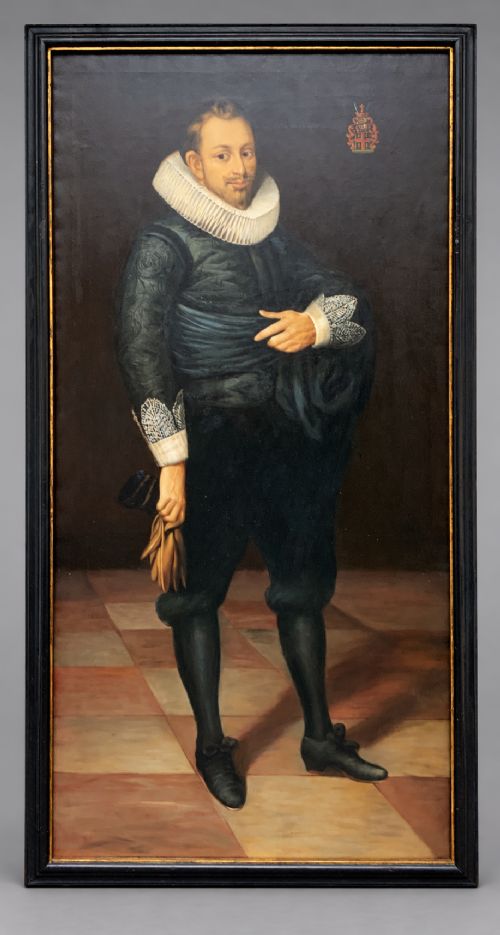
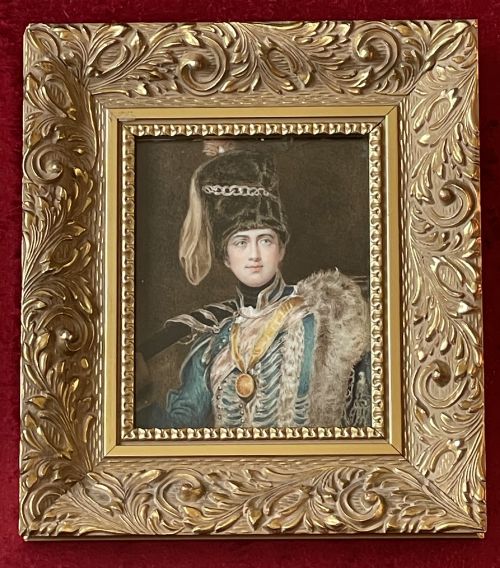
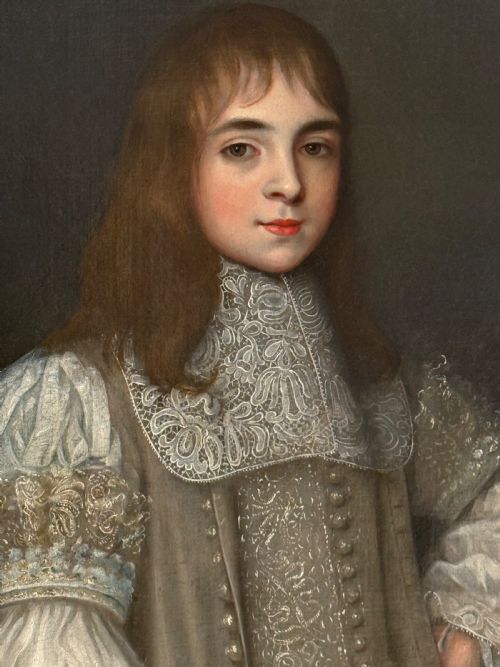
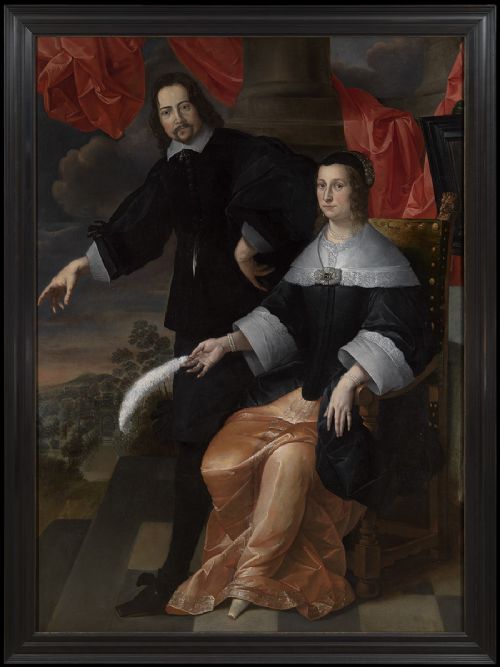
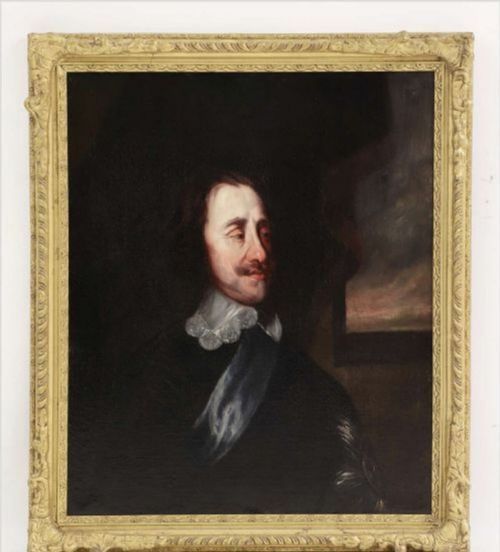
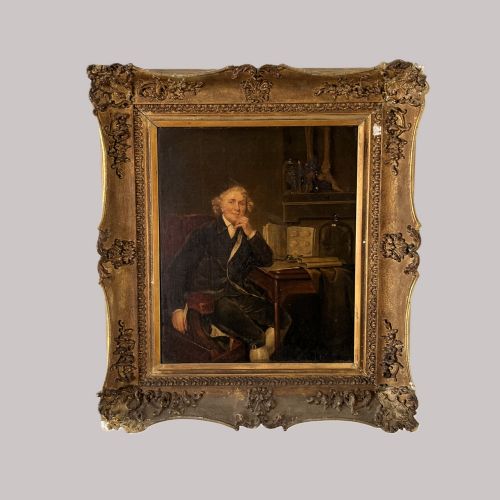
Historical portraiture art comprises framed oil paintings, panel works, prints, and engravings depicting identifiable figures from previous centuries. These pieces span the seventeenth, eighteenth, and nineteenth centuries, alongside mid-twentieth-century examples.
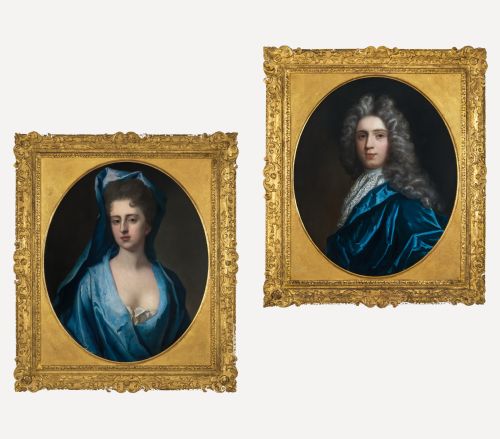
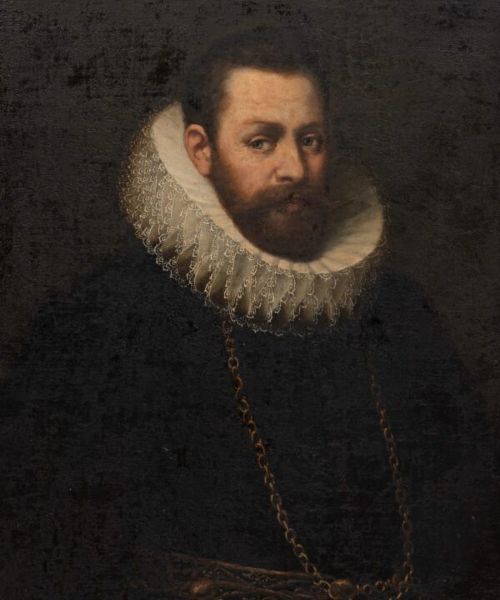
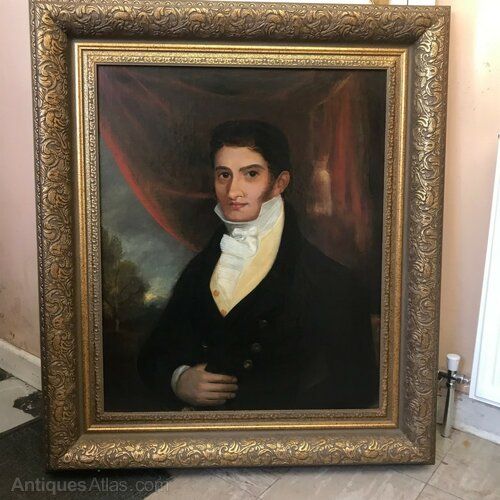
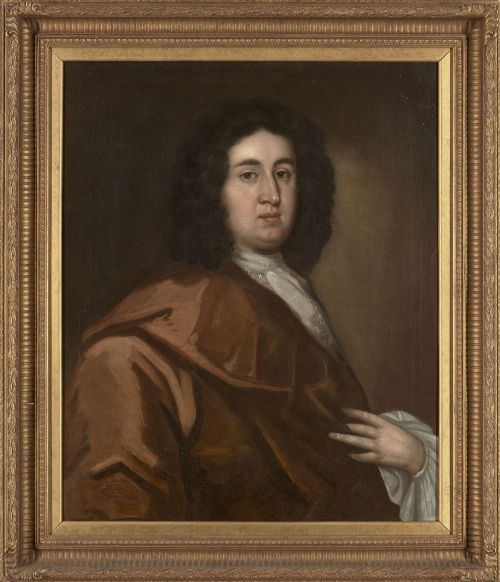
The most common items found in this category are oil on canvas paintings originating from the seventeenth and eighteenth centuries. These often portray British aristocracy, monarchs, clergymen, and notable gentlemen or ladies.
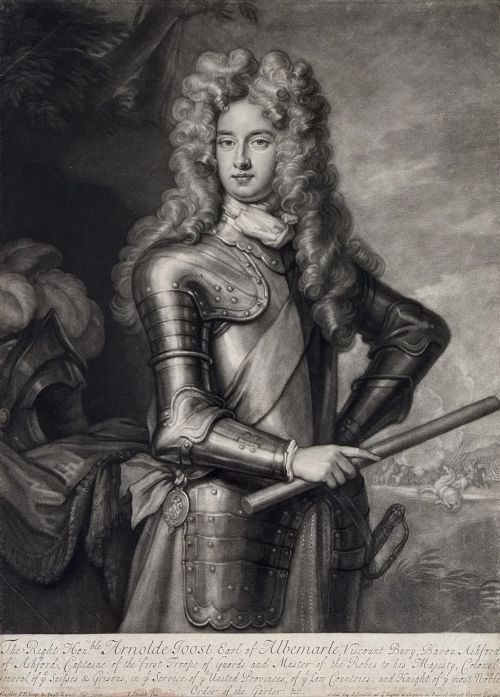
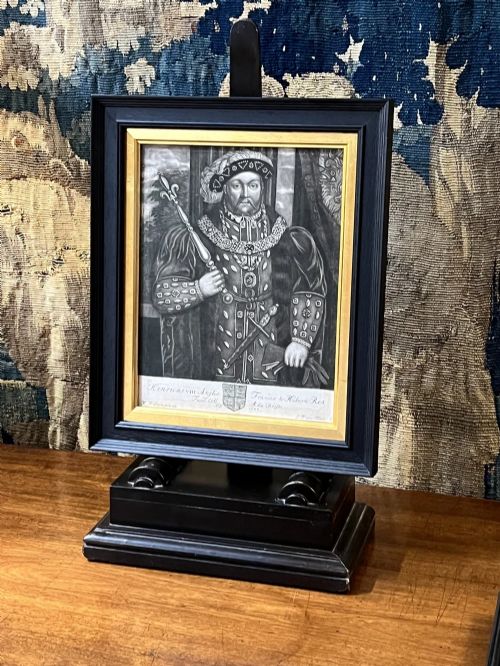
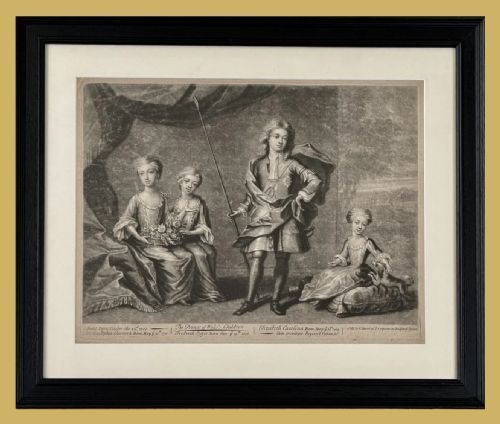
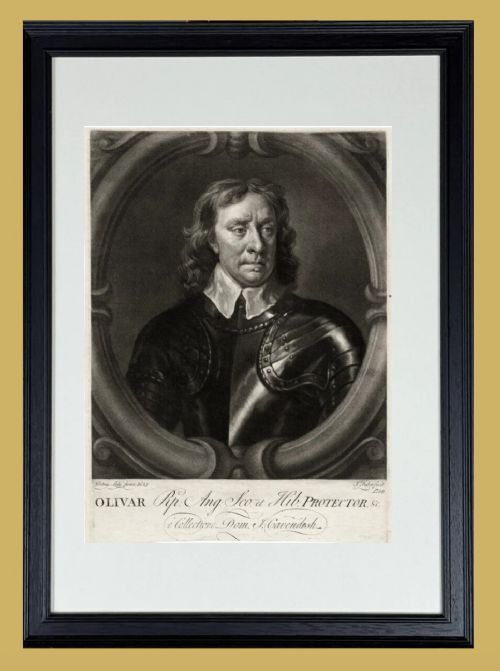
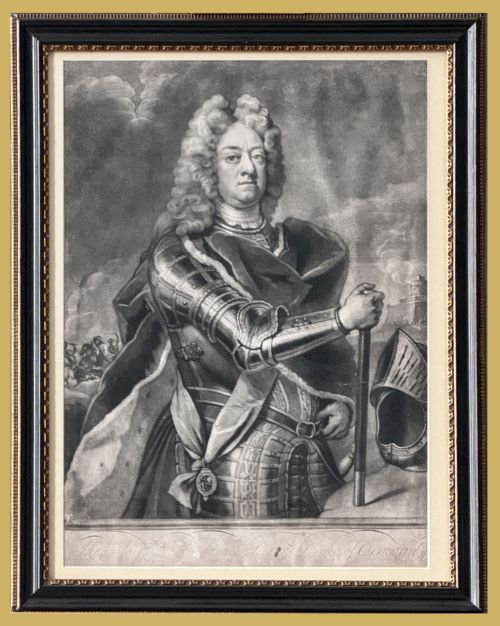
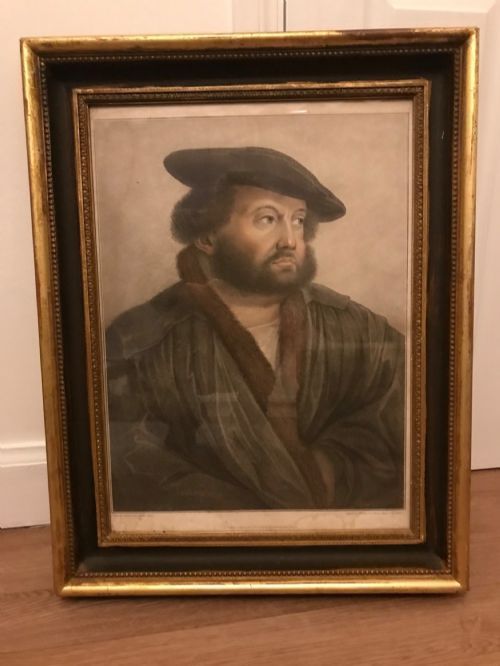
Works also include stipple engravings, mezzotints, and silhouettes depicting historical personages such as royalty and politicians. Subjects range from formal court commissions to intimate studies of family members and creative individuals.
Materials and Techniques
Painters applied oil paint to stretched canvas or wooden panels, sometimes utilising gold leaf on accompanying giltwood frames. Engravers and printmakers worked on paper and glass to produce detailed mezzotints and stipple engravings.
Artists employed techniques ranging from fine brushwork for lace and elaborate costumes to looser applications associated with Dutch Old Master styles and later realist movements.
Historical Portraiture Art Retail Price Guide 2026
Typical asking prices for historical portraiture art among the pieces listed under this phrase on Sellingantiques today, from the lower quarter to the upper quarter. They describe what is for sale here now, not the wider market.
Materials recorded across the inventory include gold leaf, giltwood, glass, and canvas used by artists from various European schools.
Assessing Quality
Quality rests in the precision of the facial rendering and the fidelity of the sitter's costume, hands, and surrounding drapery. Superior works display confident handling of light and shadow, particularly in fabrics like silk and velvet.
Attribution to documented workshops, circles of known artists, or verified printmakers elevates the standing of a piece. The condition of the original paint layer and the presence of period-appropriate framing also influence the overall standard.
Sir Peter Lely·Hans Holbein·Sir Godfrey Kneller·Francesco Bartolozzi·Thomas Gainsborough
The Historical Portraiture Art Glossary
- Mezzotint
- A printmaking process where the copper plate is roughened to achieve tonal variation. This technique allows for rich, velvety dark areas and subtle gradations of light.
- Stipple Engraving
- A method of engraving using dots rather than lines to create a soft, tonal image. It was frequently used for reproducing portrait paintings in the eighteenth century.
- Oil on Panel
- A painting executed on a wooden board rather than canvas. This substrate was common in earlier centuries before canvas became the dominant support.
- Giltwood
- Wood that has been coated with a thin layer of gold leaf. Frames finished in this manner frequently accompany formal historical portraits.
- Circle of
- A designation used when a work is produced by an unidentified artist closely associated with a master's studio. It indicates the style and technique reflect that specific artistic milieu.
Historical Portraiture Art: Frequently Asked Questions
What is historical portraiture art?
Historical portraiture art consists of painted, engraved, or drawn likenesses of people from past eras. These works document real historical figures, from monarchs to ordinary citizens.
Items range from large seventeenth-century oil paintings on canvas to smaller eighteenth-century mezzotint prints and silhouettes. Each piece captures the likeness and attire of its subject.
How were these portraits used?
These artworks were originally displayed in country houses, civic buildings, and private residences to signal status, lineage, or political allegiance. Formal portraits often commemorated titles, military achievements, or dynastic alliances.
Smaller prints and engravings allowed a wider public to collect images of royalty, philosophers, and political reformers. They served both as decorative interior furnishings and as historical records.
How do I live with an oil portrait?
Display oil portraits away from direct sunlight and fluctuating heat sources to protect the canvas and paint layers. Maintaining stable room conditions prevents the wood panels and canvas supports from warping.
Pairing these works with period frames enhances their visual impact in contemporary or traditional interiors. Proper wall mounting ensures the heavy giltwood frames are safely supported.
How do I tell different periods apart?
Costume, hair styling, and framing styles provide primary clues for dating historical portraits. Seventeenth-century subjects often wear elaborate lace, armour, or formal robes within dark, austere settings.
Eighteenth-century works frequently feature powdered hair, softer fabrics, and brighter palettes influenced by Georgian aesthetics. Nineteenth-century pieces transition towards more naturalistic poses and realist clothing details.