
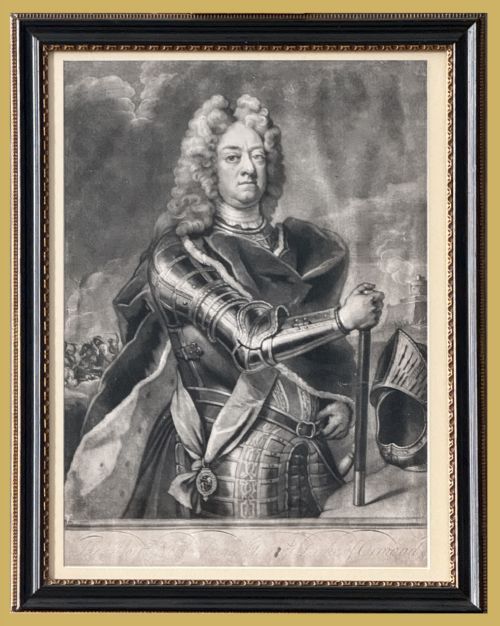
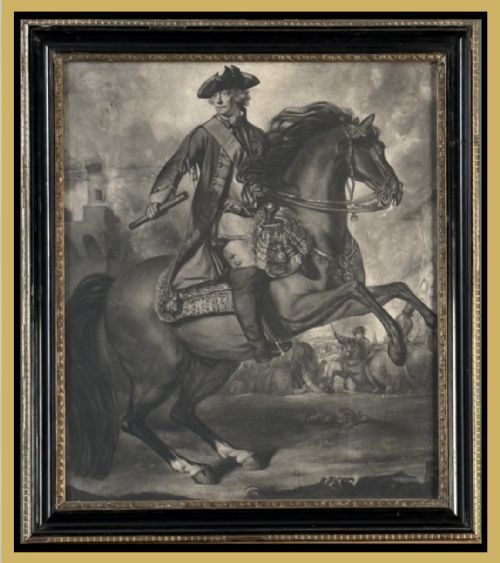
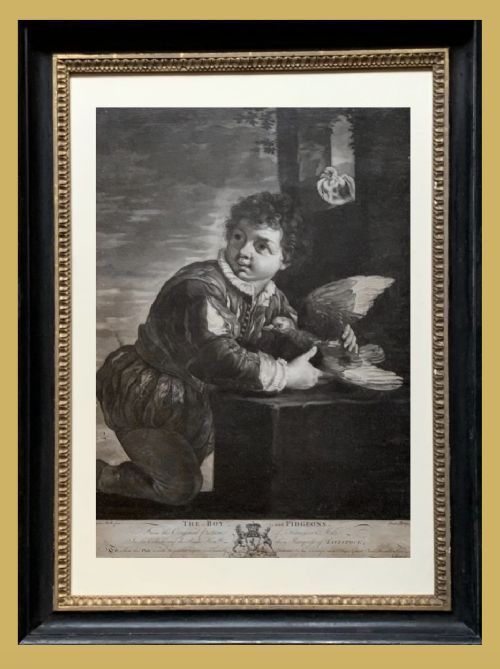
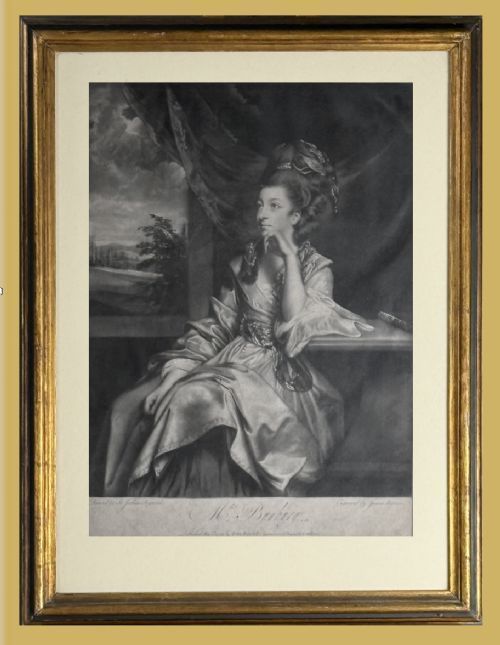


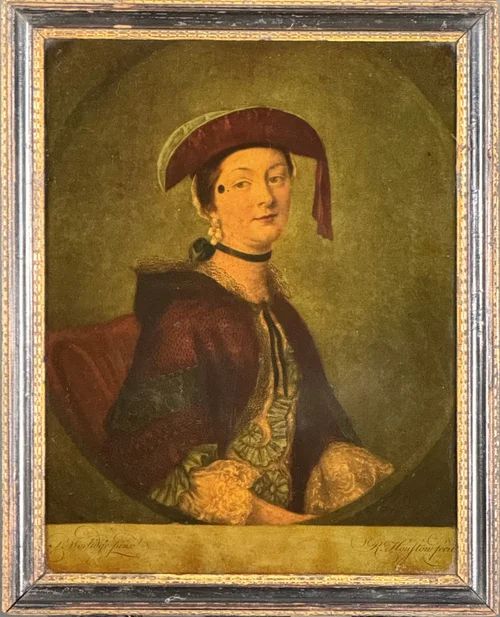
Georgian Framed Print
A georgian framed print brings period wall art into a room, featuring ink and paper preserved behind glass within wood or gilt leaf frames.
Georgian Framed Print
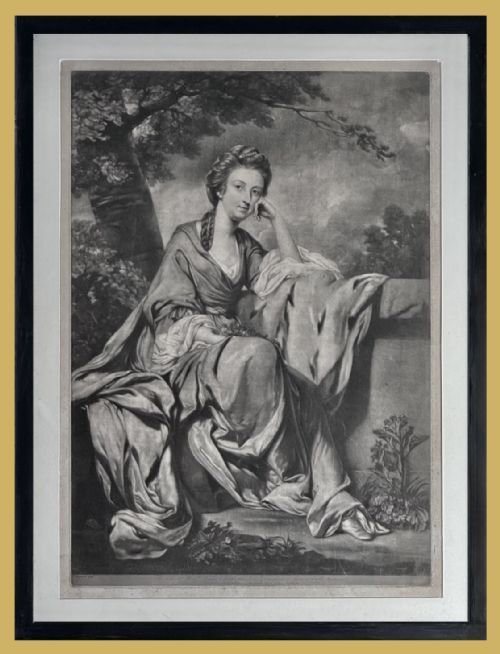
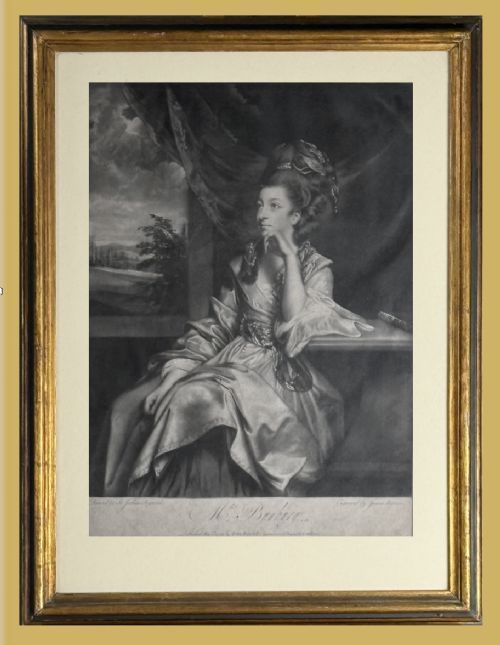
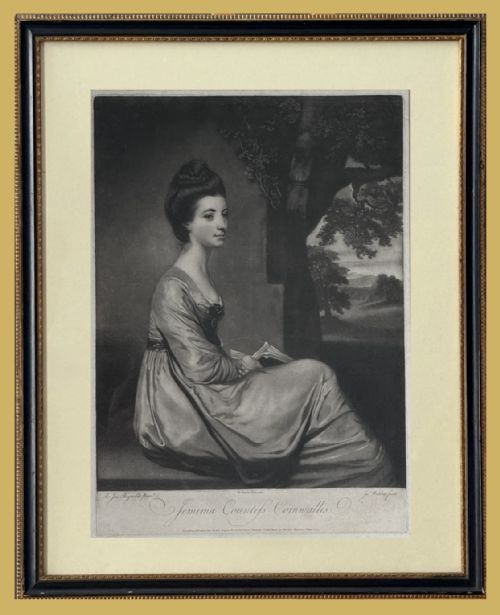
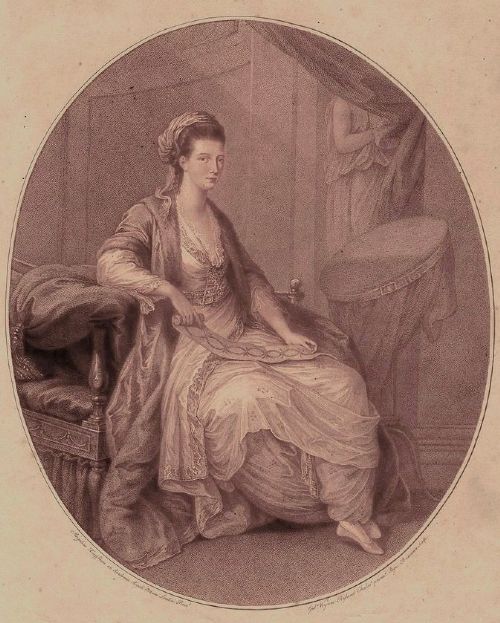
A georgian framed print encompasses a variety of works on paper, including mezzotint portraits, stipple engravings, maps, and botanical illustrations produced during the eighteenth and early nineteenth centuries.
Most examples found here date from the eighteenth century through the regency period, often retaining their original frames made of wood, giltwood, or gold leaf.
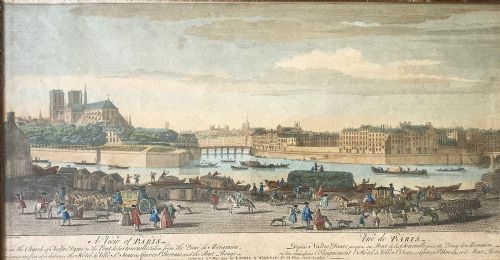
The subjects range from royal portraits and classical allegories to topographical views and natural history subjects, presented as wall art or framed engravings.
How they were made
Makers utilised paper as the primary medium for impressions created with ink through techniques such as mezzotint, stipple engraving, and line engraving.
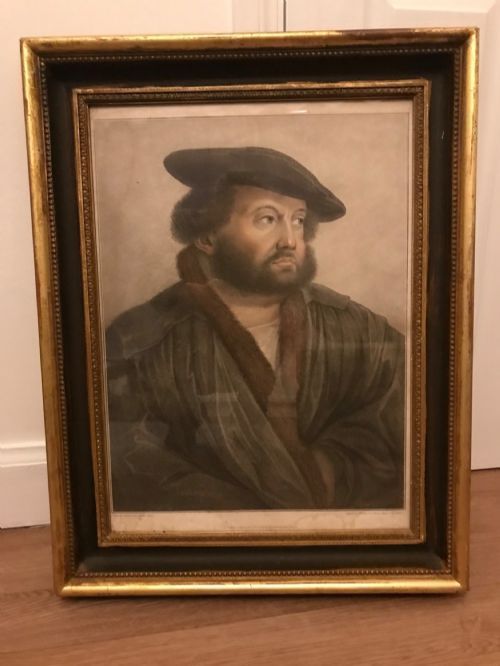
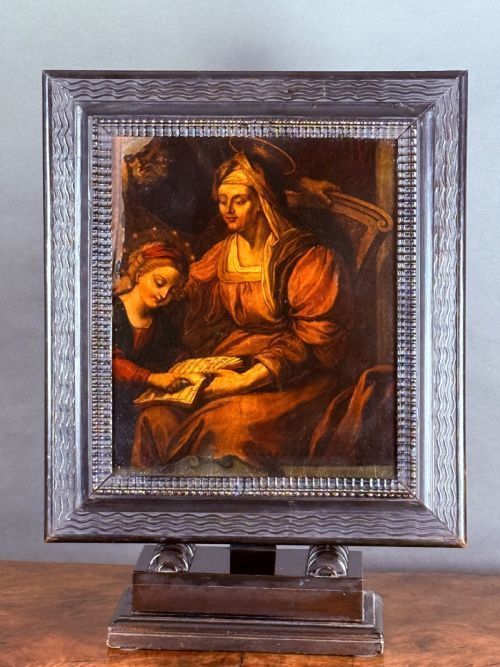
Certain works incorporate original hand colouring applied directly to the printed surface, while others employ reverse glass painting and reverse glass mezzotint.
The resulting works are protected beneath glass and housed within timber frames finished in gilt leaf, gilt wood, or plain wood.
Georgian Framed Print Retail Price Guide 2026
Typical asking prices for georgian framed print among the pieces listed under this phrase on Sellingantiques today, from the lower quarter to the upper quarter. They describe what is for sale here now, not the wider market.
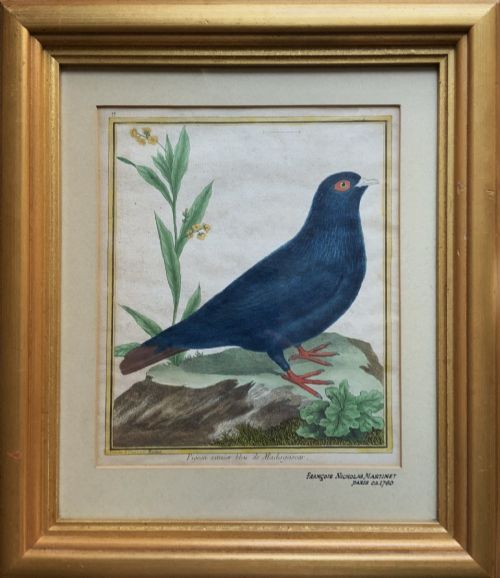
Keep an eye out for eighteenth-century pigeons and weeping angels sharing wall space with statesmen and royalty.
What varies in quality
The distinction between tiers rests upon the crispness of the ink impression and the fidelity of the print to the original plate, alongside the preservation of any hand-applied watercolour tinting.
Framing contributes significantly to the character of the piece, with period frames in original giltwood or gold leaf holding greater historic integrity than later replacements.
The condition of the paper itself, including freedom from excessive staining or fading, distinguishes finer examples.
John Simon·Edward Fisher·John Boydell·James Watson·Francesco Bartolozzi·John Smith·Valentine Green·Thomas Frye
The Georgian Framed Print Glossary
- Mezzotint
- A printmaking process where the copper plate is roughened to produce dark tones, allowing smooth gradations of light and shade. This technique was widely utilised for eighteenth-century portraits.
- Stipple engraving
- A method of producing prints using dots of various densities rather than continuous lines to create soft tonal effects. It gained popularity for reproductive portraits toward the end of the eighteenth century.
- Giltwood
- Wood that has been coated with a thin layer of gold leaf or gilt. It is frequently encountered on period frames from the eighteenth and nineteenth centuries.
- Reverse glass painting
- An artwork created by painting or applying a mezzotint directly onto the reverse side of a glass sheet to be viewed from the front. This specialised technique creates a distinct luminous quality.
- Regency
- The period in British history from 1811 to 1820, or a broader stylistic era spanning the early nineteenth century. Pieces from this time often exhibit neoclassical design influences.
Georgian Framed Print: Frequently Asked Questions
What is a mezzotint portrait?
A mezzotint is an intaglio printmaking process where the artist works from dark to light by roughening the copper plate. This allows for rich tonal variations, making it popular for detailed portraiture.
Printers inked the textured plate to produce velvety shadows and smooth transitions, which publishers then framed for domestic display.
How do I identify a period frame?
Period frames typically display construction methods, mouldings, and gilding consistent with eighteenth or early nineteenth-century cabinetmaking. They often show age-related wear to the gold leaf and wood beneath.
Examining the backboards and fixings can also help determine whether the frame has remained with the print since its creation.
Were these prints originally coloured?
Many prints were published in monochrome black or brown ink, while others received hand colouring with watercolour soon after printing. Contemporary hand tinting adds vibrancy to subjects like botanical studies and maps.
Inspectors can often distinguish original period pigment applications from later twentieth-century enhancements by the subtlety of the tones.
How should I hang and care for paper art?
Paper and ink are sensitive to direct sunlight and high humidity, which can cause fading and foxing over time. Displaying them away from direct window light helps preserve the paper and any hand applied colour.
Maintaining stable indoor temperatures protects both the delicate print surface and the antique wood or gilt frame.