



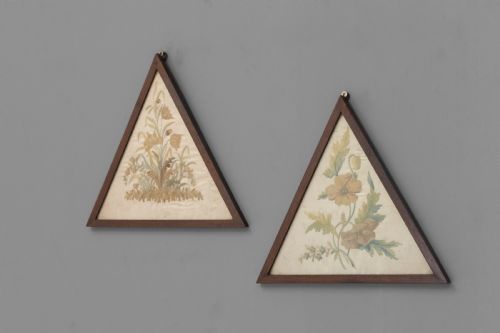


Antique Silk Artwork
Antique silk artwork combines delicate textiles with enduring visual storytelling, offering buyers a tactile window into past craftsmanship.
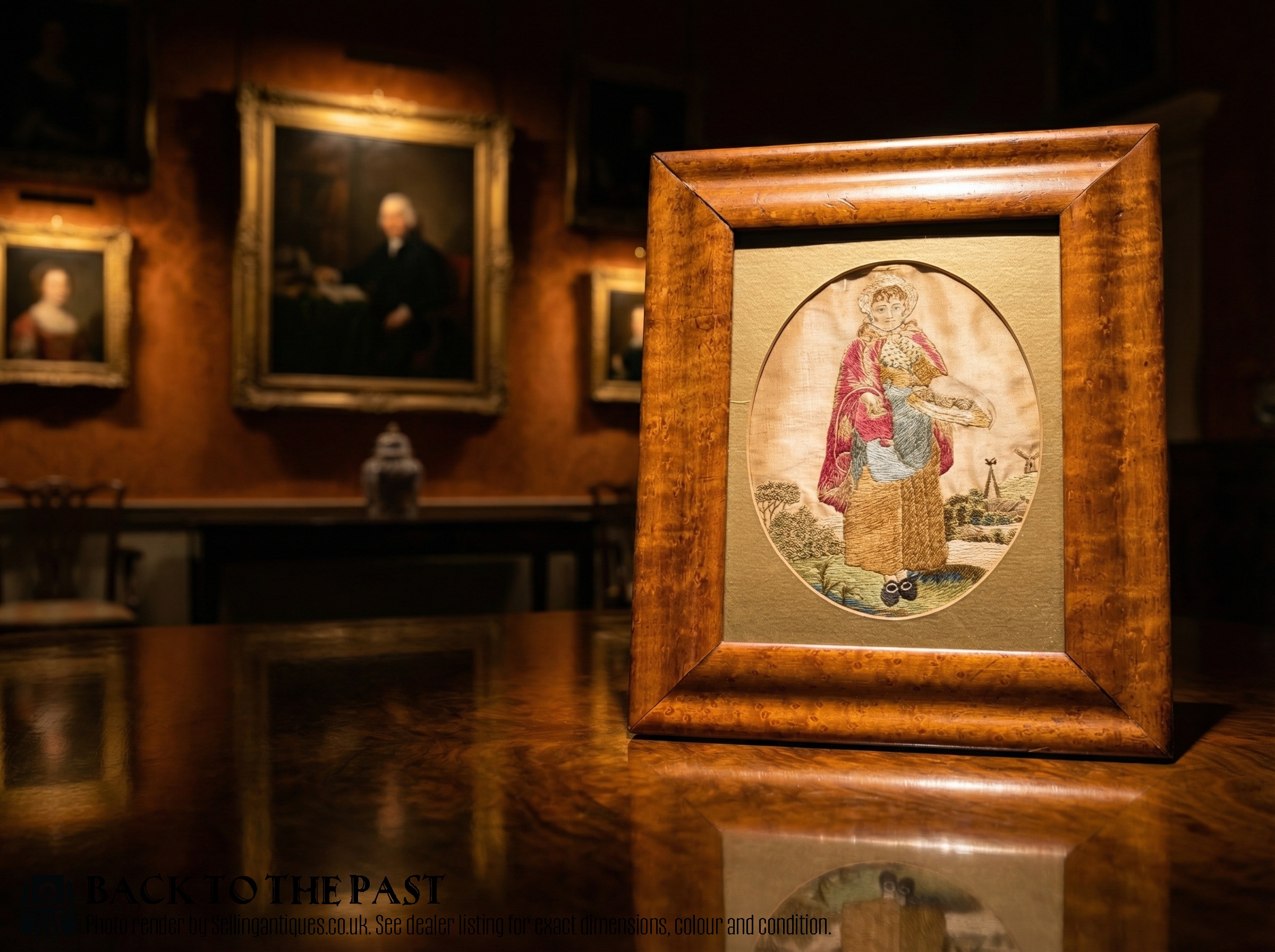
What Antique Silk Artwork Is
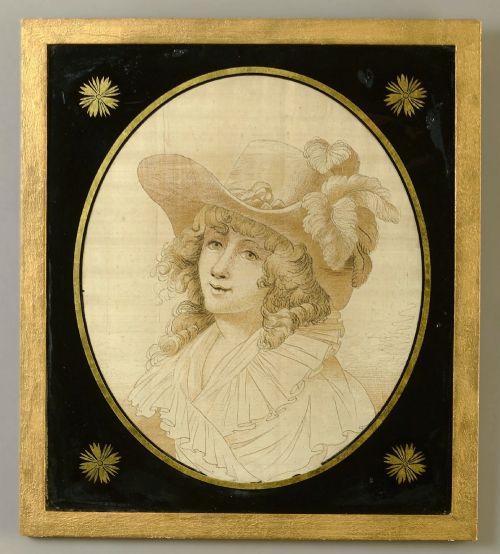
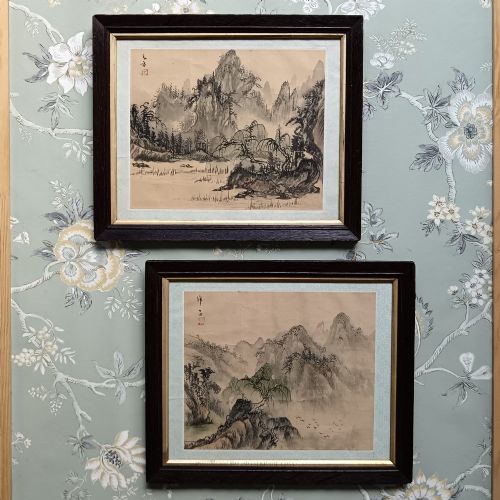
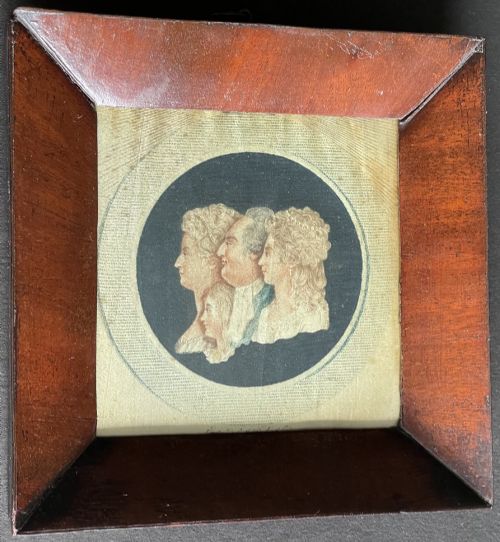
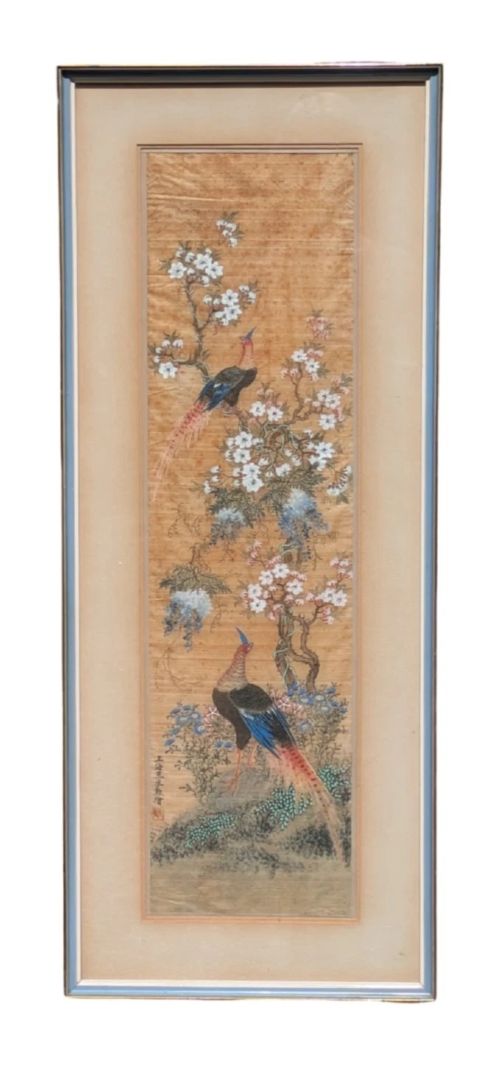
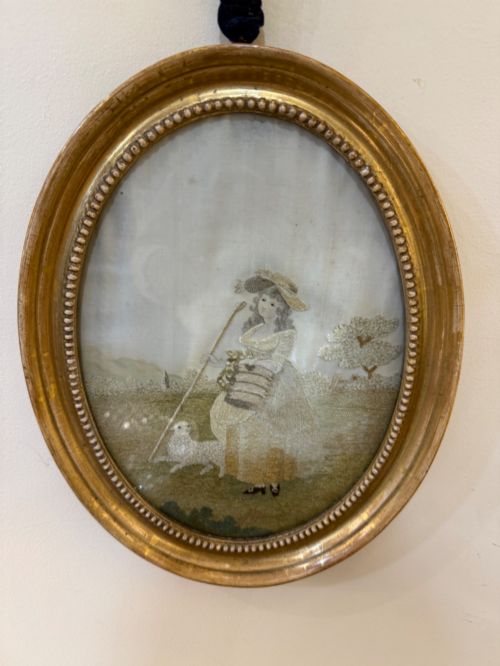
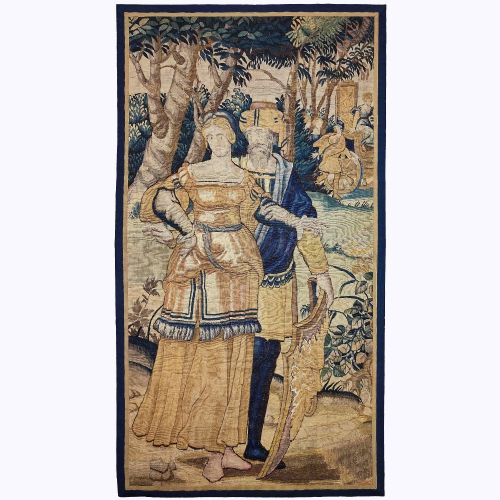
Antique silk artwork encompasses framed textile pieces, embroidered wall art, and table screens created across the eighteenth and nineteenth centuries. These items span European Georgian pastoral scenes, Neoclassical prints, and Chinese woven screens, reflecting diverse cultural aesthetics of their periods.
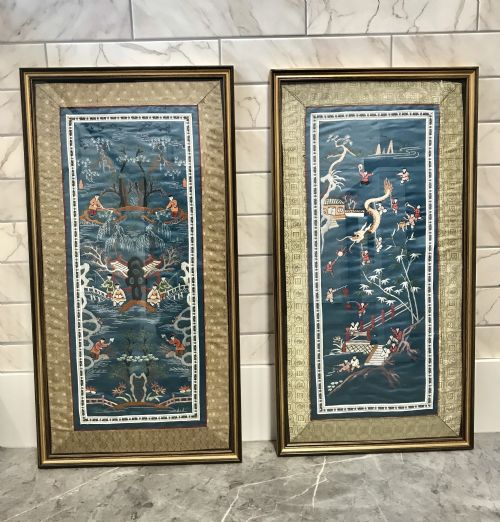
The most common examples encountered on this page are eighteenth-century British embroidered pictures and nineteenth-century Chinese textile works. Buyers regularly find framed religious subjects, domestic figures such as oyster sellers, and imperial portraits executed in thread upon fabric.
Originating from both European workshops and Qing Dynasty makers, these works function primarily as wall art or decorative screens. Each piece demonstrates how historical artisans utilised fine textiles to achieve pictorial depth.
How Antique Silk Artwork Was Made
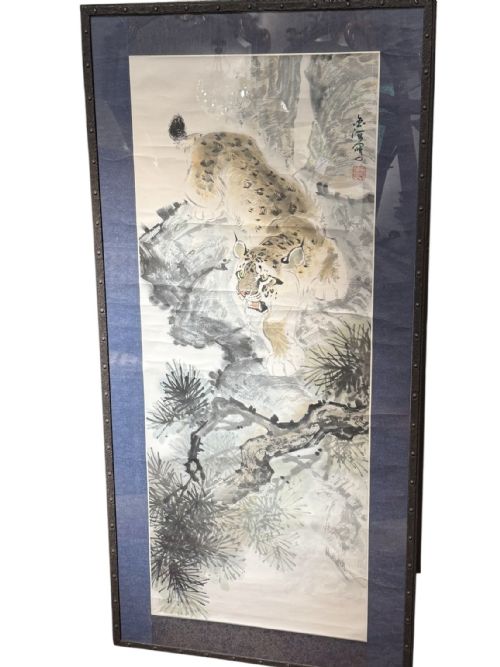
Artisans constructed these pieces using fine silk threads, wool, and sometimes hand-painted pigments applied directly to textile grounds. Framed prints on silk required precise application of ink and colour onto the fabric surface before mounting under glass.
Needlework pieces involved intricate embroidery stitches executed with silk and wool thread to build textured pastoral or religious imagery. Chinese woven screens incorporated hardwood frames supporting detailed textile panels created through traditional loom techniques.
Retail Price Guide 2026
Typical UK retail prices for silk artwork, calculated from the Sellingantiques database of over a million retail prices indexed since 2003. This retail price guide relies exclusively on Sellingantiques data; no external sources or auction records are used, so the figures do not describe the wider market.
Current listings demonstrate periods spanning the eighteenth and nineteenth centuries, incorporating silk, wool, mahogany, and giltwood.
What Varies in Quality
Quality in antique silk artwork rests upon the precision of the needlework and the integrity of the material support. Superior examples display dense, well-preserved stitching with minimal fading, whereas lesser pieces show significant thread loss and fabric degradation.
The sophistication of the original design and the quality of the surrounding frame, whether mahogany or giltwood, distinguish finer works. Masterpieces from this category maintain their vibrant pictorial composition and structural support over centuries.
The Antique Silk Artwork Glossary
- Needlework
- The craft of decorating fabric using a needle to apply thread or yarn. This technique forms the basis of embroidered historical pictures.
- Table Screen
- A portable decorative panel supported by a stand, often featuring woven or embroidered silk. These objects typically decorated desks and tabletops in elite interiors.
- Neoclassical
- A Western cultural movement drawing inspiration from classical antiquity. Pieces from this style exhibit restrained ornamentation and formal balance.
- Pastoral
- An artistic genre depicting rural life and shepherd figures. Such scenes were particularly popular in Georgian embroidery.
- Giltwood
- Wood carved and treated with gold leaf or gold paint. This material frequently frames high-status eighteenth-century works.
Frequently Asked Questions
Are these pieces hand embroidered?
Many historical textile works feature meticulous hand stitching executed with silk and wool threads. Artisans used specialised needlework techniques to render pictorial details before mounting the fabric for display.
European and Chinese makers alike relied on skilled manual labour rather than mechanical production for these framed compositions. Close examination reveals the individual direction and tension of each thread.
What periods do these artworks represent?
The available selection spans the eighteenth and nineteenth centuries, including the Georgian era and the Qing Dynasty. European examples often reflect neoclassical tastes or pastoral farming themes.
Asian pieces from this timeframe typically incorporate woven techniques mounted within hardwood frames or table screens. Each era employs distinct stylistic conventions and material preparations.
How were table screens used?
Table screens served as decorative and functional objects in historical interiors, often placed upon desks or cabinetry. They provided visual interest while occasionally blocking drafts or direct light.
These portable items feature double-sided or single-sided silk panels supported by carved wooden stands. Their intricate textile artistry made them prized possessions in elite households.