




Antique Silk Picture
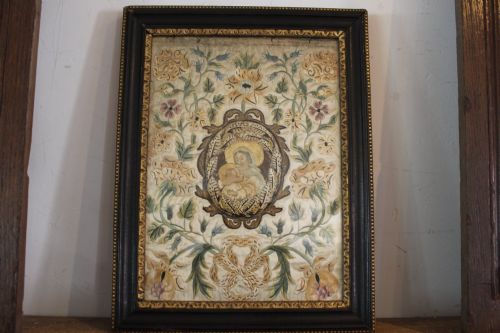
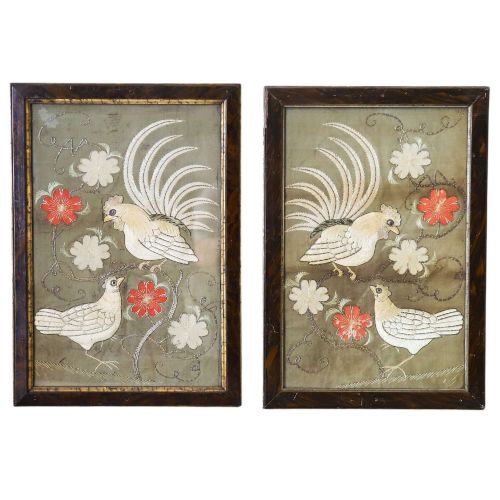
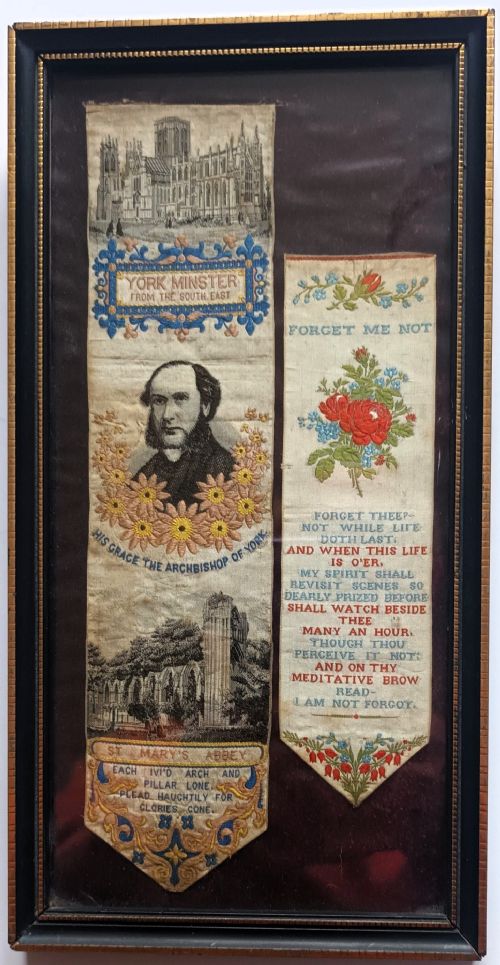
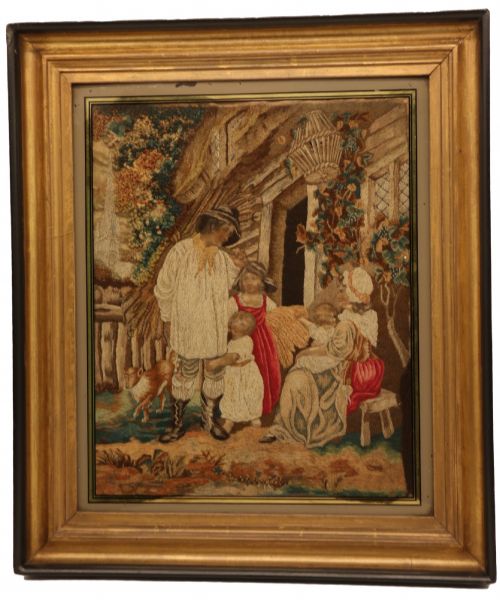
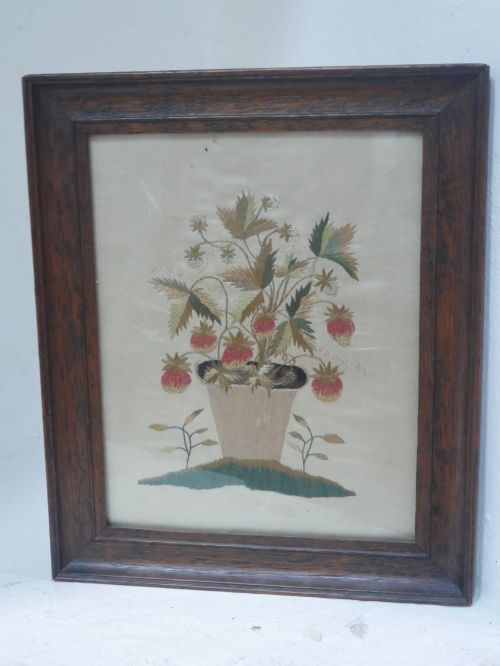
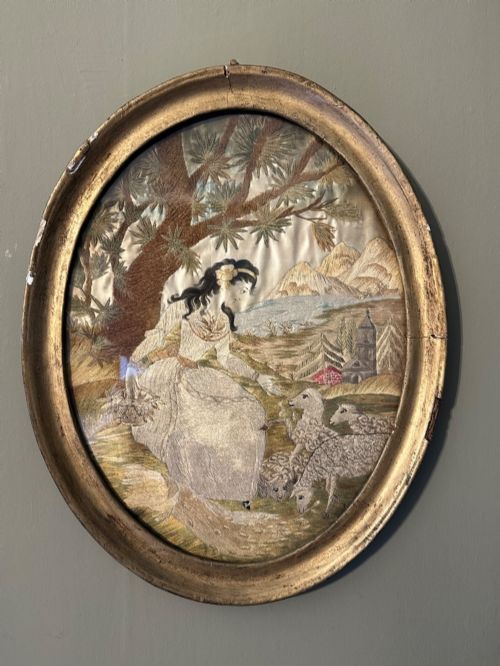
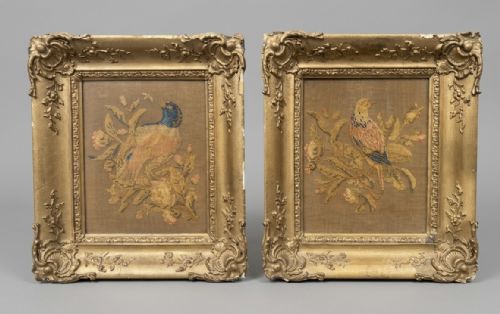
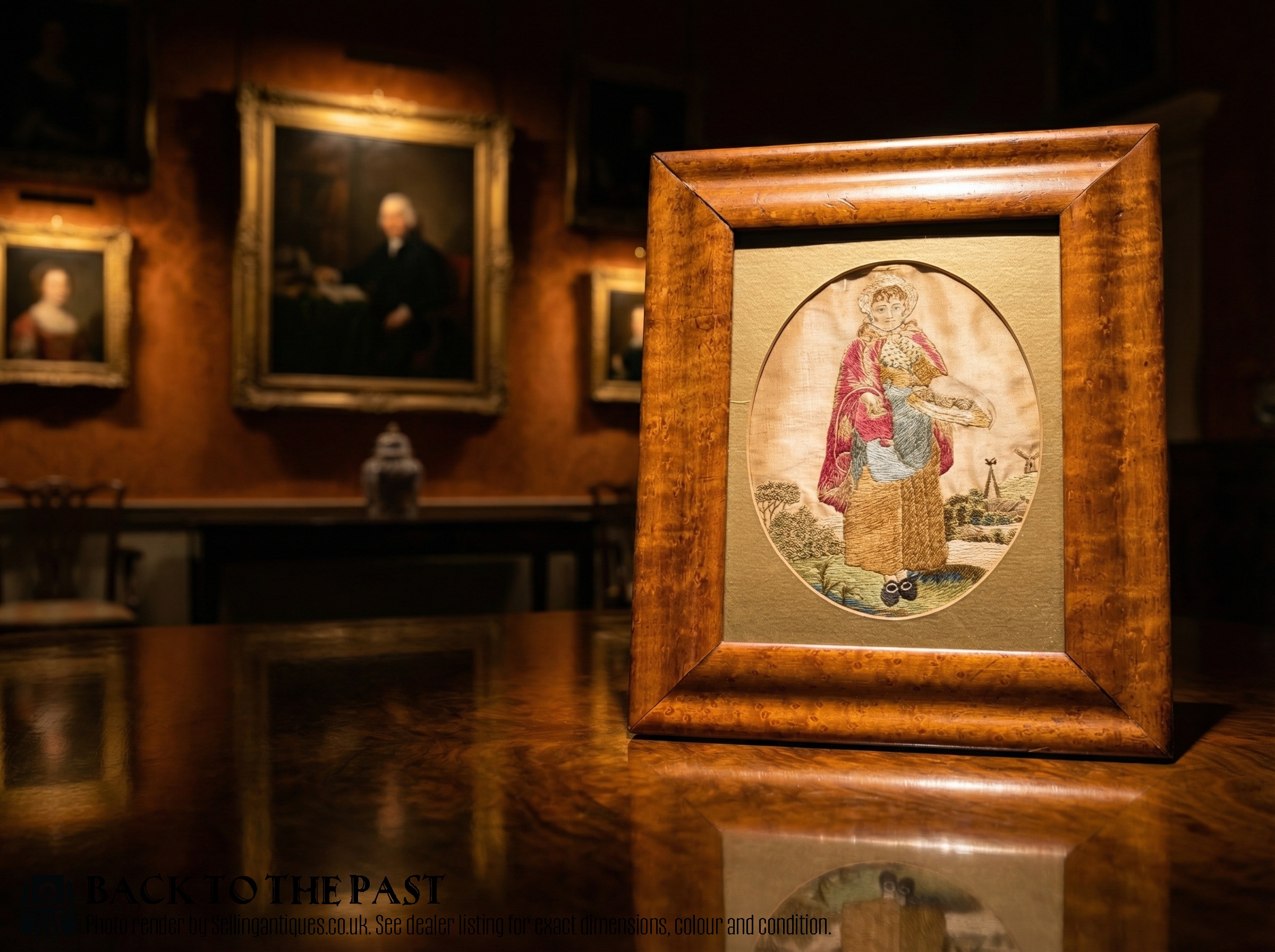
These antique silk picture examples combine needlework and paint to capture charming historical scenes under glass.
Understanding the pieces
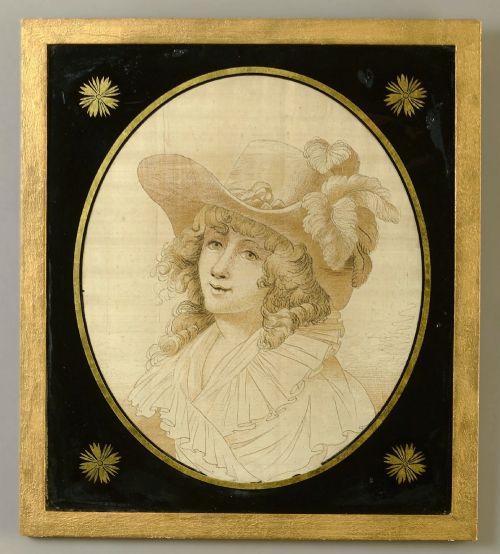
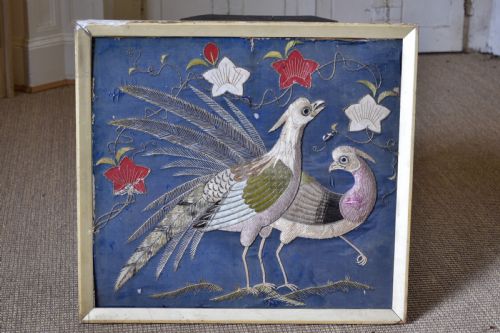
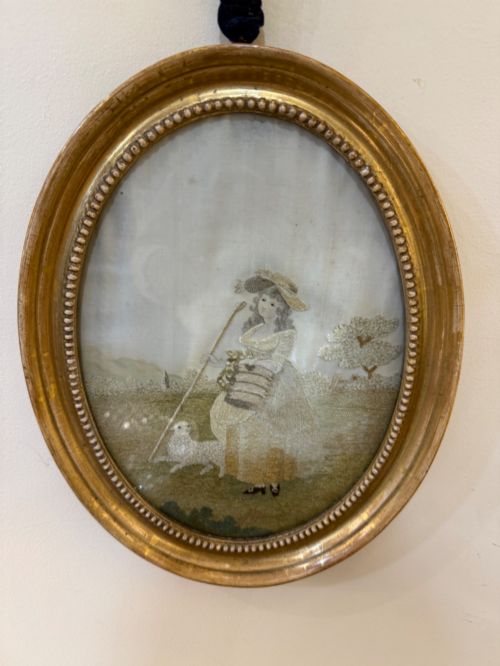
An antique silk picture brings together textile art and fine hand painting, often presenting figures, animals or classical vignettes. Buyers searching this phrase will find wall art created across the eighteenth and nineteenth centuries, spanning Georgian and French Napoleon III styles.
The selections available here range from delicate needlework compositions to stipple engravings printed directly onto silk grounds. Examples frequently appear framed in original wood or giltwood surrounds, preserving the fragile textile beneath protective glass.
Materials and construction
Maker techniques rely upon fine silk stretched across a backing, stitched with coloured thread and often enhanced with hand painting in watercolour or ink. Stipple engraving methods also appear, transferring detailed printed dots onto the silk surface before framing.
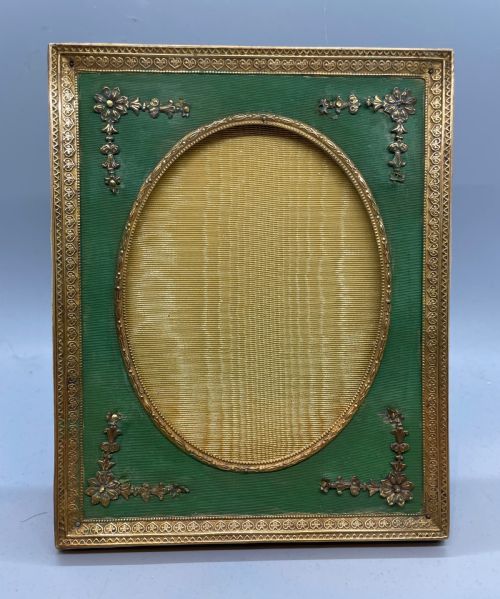
Finished artworks are set behind glass within timber frames, which occasionally feature giltwood or faux tortoiseshell finishes. Paper backings and original wooden mounts frequently secure the delicate textile components in place.
Retail Price Guide 2026
Typical UK retail prices for silk picture, calculated from the Sellingantiques database of over a million retail prices indexed since 2003. This retail price guide relies exclusively on Sellingantiques data; no external sources or auction records are used, so the figures do not describe the wider market.
Current listings feature silk, glass, wood, gold leaf, thread, paper, and giltwood across various wall art forms.
Quality and execution
The distinction between standard and superior pieces rests on the precision of the needlework and the clarity of the painted details. Finer examples retain vibrant thread colours and tightly controlled stitches that define facial expressions and textures without fraying.
Original frames also influence the overall standard, with period giltwood or specialised faux tortoiseshell surrounds adding historical integrity. Condition relies heavily on how well the glass has protected the silk from light and moisture over the centuries.
The Antique Silk Picture Glossary
- Silk
- A fine natural protein fibre woven into a smooth fabric that serves as the base for painting and embroidery. It provides a luminous ground but requires careful protection from light.
- Stipple Engraving
- A printmaking technique using dots of varying density to create tonal graduation, sometimes applied directly to silk. This method produces soft, painterly illustrations.
- Giltwood
- Timber treated with a thin layer of gold leaf, commonly used for nineteenth-century frames. It offers a bright, reflective border around the textile artwork.
- Needlework
- Decorative sewing using thread to build pictorial designs upon a fabric foundation. It forms the primary textural element in many historical textile pieces.
Frequently Asked Questions
How should I hang an antique silk picture?
Keep these framed textiles away from direct sunlight and damp environments to protect the fragile threads and painted surfaces from fading or degradation.
Use sturdy wall anchors suited to the weight of the original wooden frame to ensure the artwork hangs securely.
What periods do these artworks come from?
The pieces span the eighteenth and nineteenth centuries, including Georgian and French Napoleon III stylistic influences.
Dates generally range from the late seventeen hundreds through to circa eighteen seventy.
Why are they framed behind glass?
Glass protects the delicate silk and thread from dust, airborne pollutants and physical contact, which could easily snag the fine fibres.
Original frames with glass help preserve the material integrity of the artwork over long periods.