
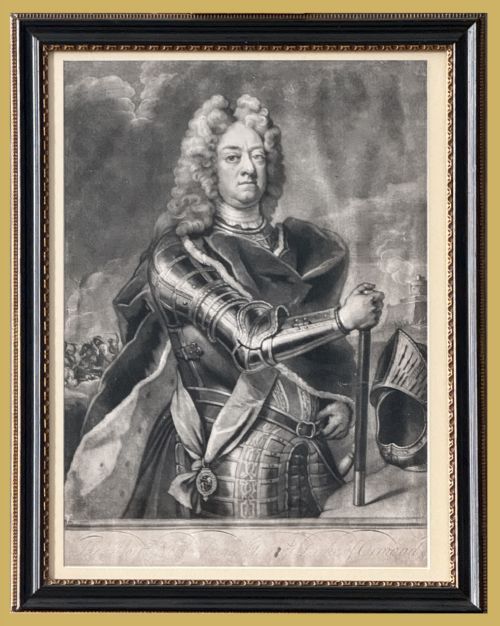
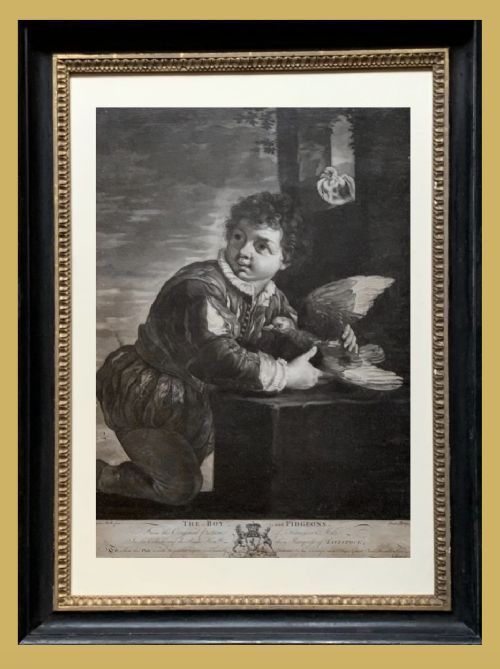
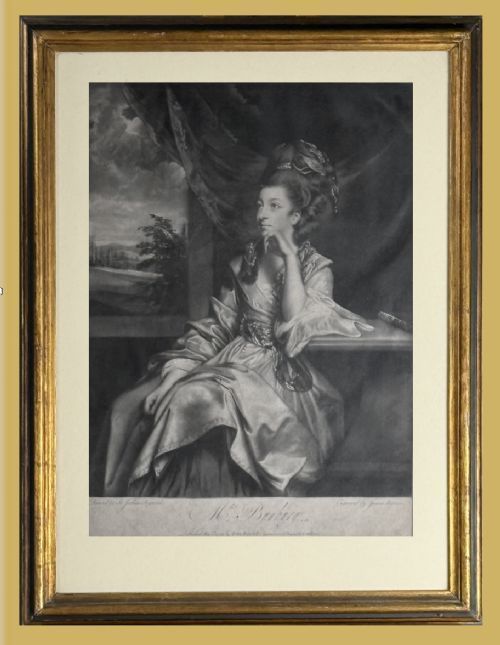
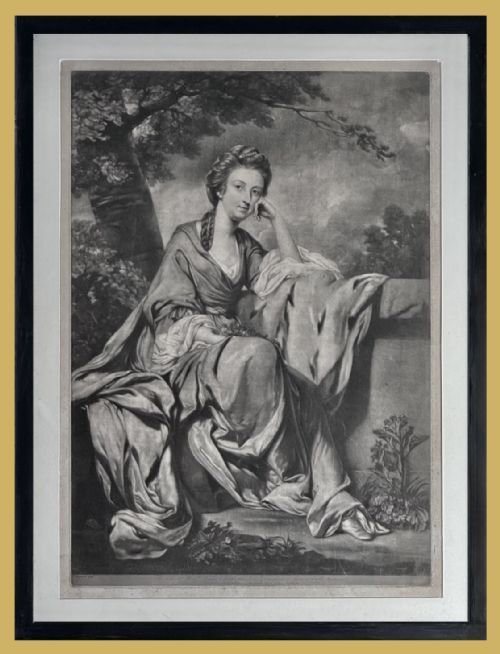

18th Century Copperplate Engraving
These 18th century copperplate engraving works bring neoclassical design and architectural studies into your interior through fine ink on paper.
What 18th Century Copperplate Engraving Pieces Are
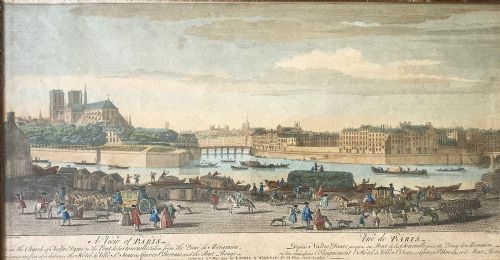
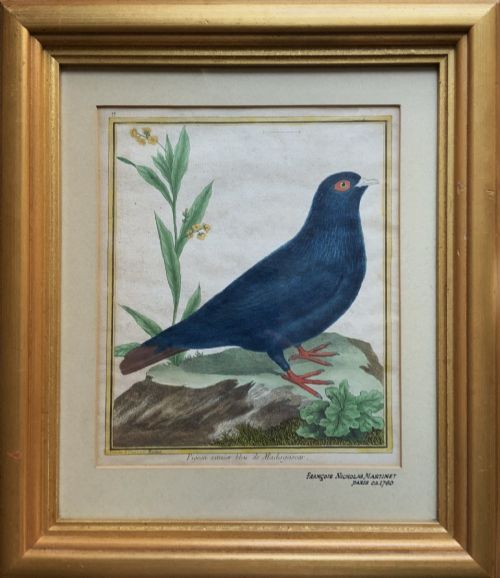
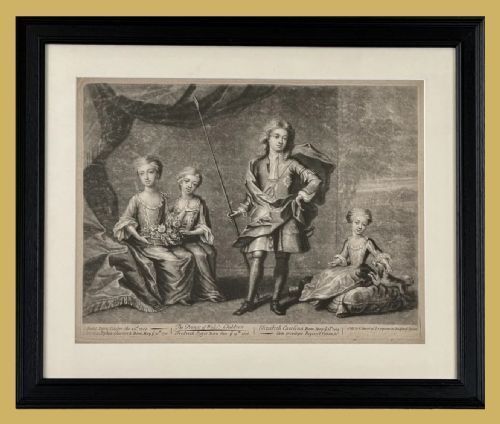
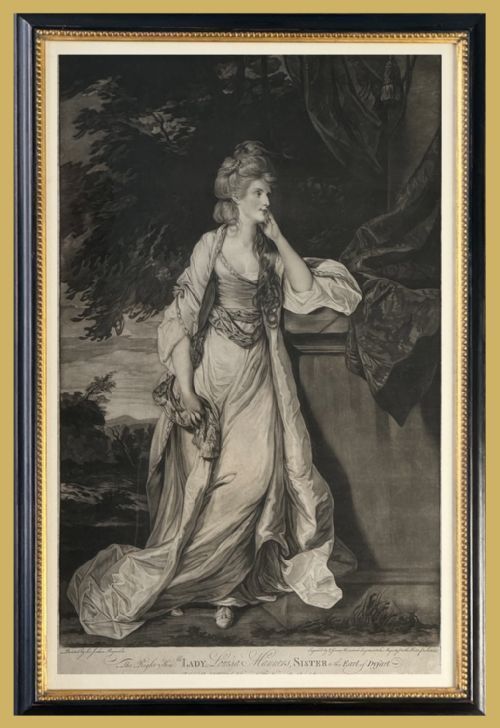
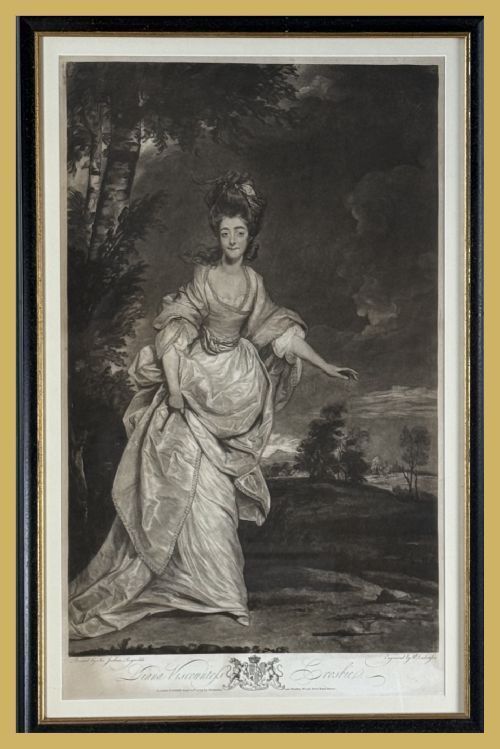
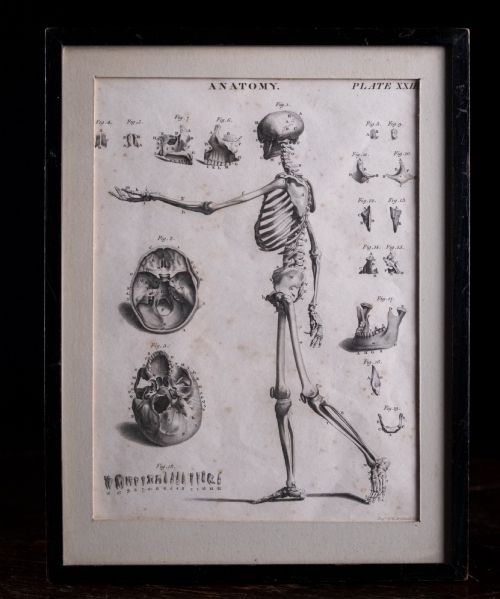
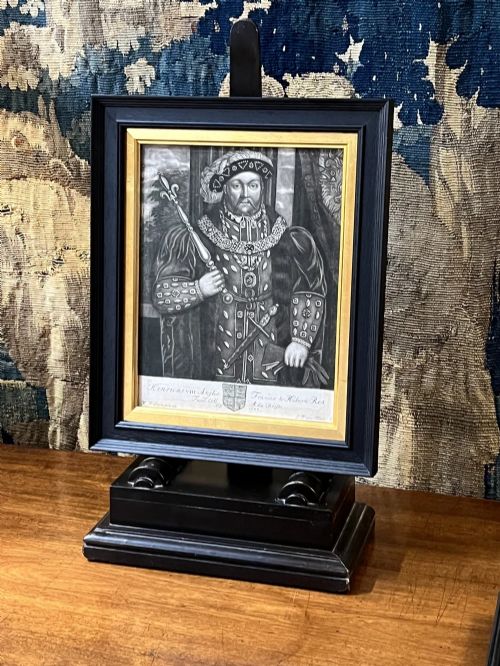
When you search for 18th century copperplate engraving, you find framed prints and architectural prints recording classical subjects and historical scenes. The pieces on this page span the 18th century, showcasing neoclassical styles and Georgian neoclassical aesthetics.
You will encounter subjects ranging from the antiquities of Athens and architectural details of the Doric portico to allegorical compositions like the Apotheosis of Handel. These works present historical subjects relating to the Holy Roman Empire and classical antiquity.
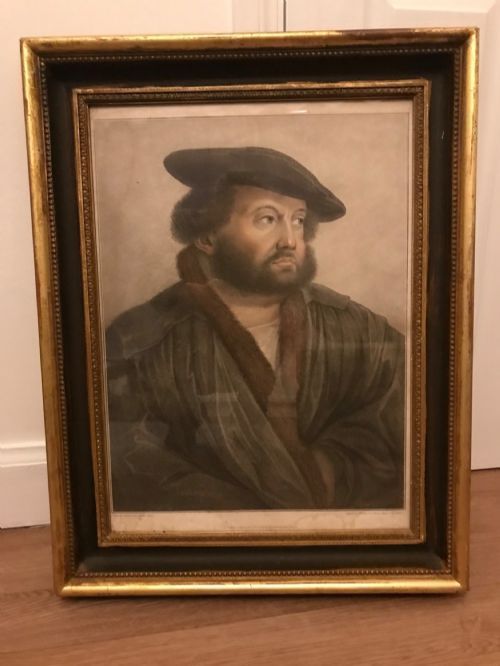
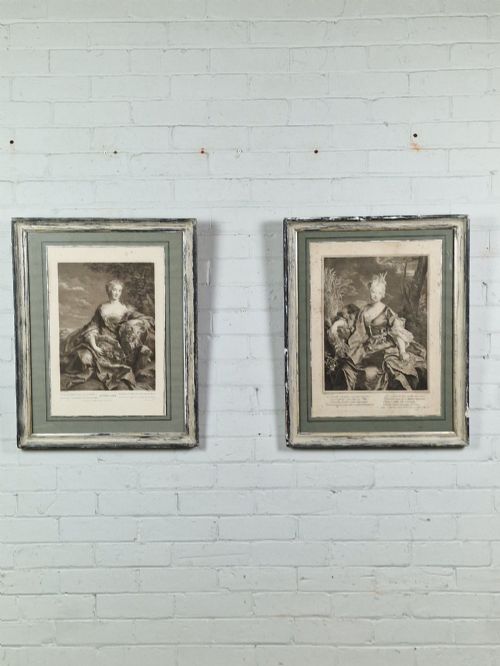
Most examples appear as framed prints utilising glass, gilt wood, and wood frames. They offer a direct window into the printmaking methods and decorative tastes of the eighteenth century.
How They Were Made
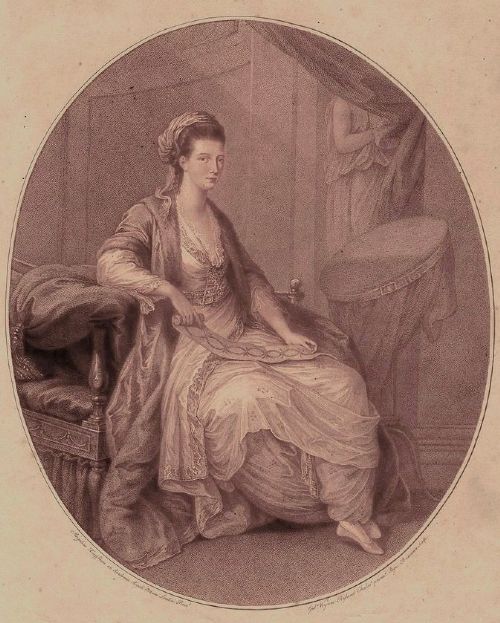
Craftsmen produced these works using copperplate engraving techniques, pressing inked metal plates onto paper to transfer fine lines and intricate details. This method allowed artists to render complex architectural drawings and detailed figural compositions with great precision.
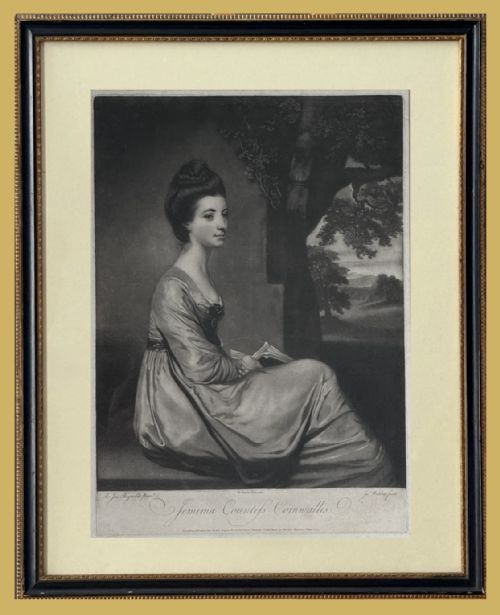
Finished prints were typically mounted behind glass and housed in wooden or gilt wood frames. The combination of black ink on laid or wove paper with gilded wooden surrounds defined the presentation of fine art prints from this period.
Retail Price Guide 2026
Typical UK retail prices for 18th century copperplate engraving, calculated from the Sellingantiques database of over a million retail prices indexed since 2003. This retail price guide relies exclusively on Sellingantiques data; no external sources or auction records are used, so the figures do not describe the wider market.
A detailed serpent recorded among the antiquities of Athens provides an unexpected creature comfort within neoclassical architectural plates.
What Varies in Quality
Quality in an 18th century copperplate engraving rests on the crispness of the impression and the skill of the original draughtsman and engraver. Finer plates capture minute architectural details and subtle tonal gradations more clearly than worn plates.
The secondary mounting and framing also contribute to the overall standard of the piece. Period frames utilising original gilt wood enhance the historical integrity of the artwork compared to later replacements.
James Heath·Biaggio Rebecca·James Basire
The 18th Century Copperplate Engraving Glossary
- Copperplate engraving
- A printmaking technique where an artist cuts lines into a copper plate with a burin. The inked plate runs through a high-pressure press to transfer the image onto paper.
- Neoclassical
- A style spanning the 18th century that drew inspiration from the art and culture of classical antiquity. It values symmetry, proportion, and classical architectural motifs.
- Gilt wood
- Wood coated with a thin layer of gold leaf or gilt powder. This finish was commonly applied to picture frames during the Georgian period.
- Architectural print
- An illustration depicting buildings, ruins, or structural elements. These prints served both as records of ancient sites and as design references.
Frequently Asked Questions
What is an 18th century copperplate engraving?
An 18th century copperplate engraving is a work produced by incising an image onto a copper plate, inking it, and pressing it onto paper. These prints often depict neoclassical subjects, historical scenes, and architectural antiquities.
Such works reflect the artistic standards and printmaking techniques of the Georgian era. They remain collectible examples of period graphic art.
How were these prints originally displayed?
During the eighteenth century, prints of this scale were frequently framed for display in libraries, studies, and drawing rooms. They served as educational tools and decorative statements reflecting classical learning.
Many survive in period frames made of wood or gilt wood, often protected beneath glass. This housing helped preserve the paper from atmospheric dust and damage.
How do I care for a framed engraving?
Protect the engraving by hanging it away from direct sunlight and excessive moisture. Ultraviolet light can fade the ink and discolour the paper over time.
Maintain the wooden or gilt wood frame with a dry cloth, avoiding chemical cleaning agents. Ensure the environment maintains a stable temperature to preserve both paper and frame.
What subjects are common in these prints?
Common subjects include classical architecture, ancient ruins, and archaeological surveys from locations such as Athens. Allegorical scenes and historical commemorations also appear frequently.
These themes reflect the widespread eighteenth-century interest in classical antiquity, philosophy, and European history.