


Framed Architectural Engraving
A framed architectural engraving brings classical proportion and precise draughtsmanship directly to your wall.
What framed architectural engraving encompasses
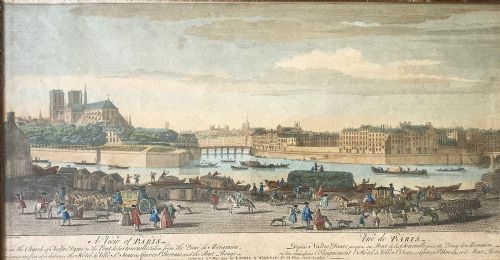
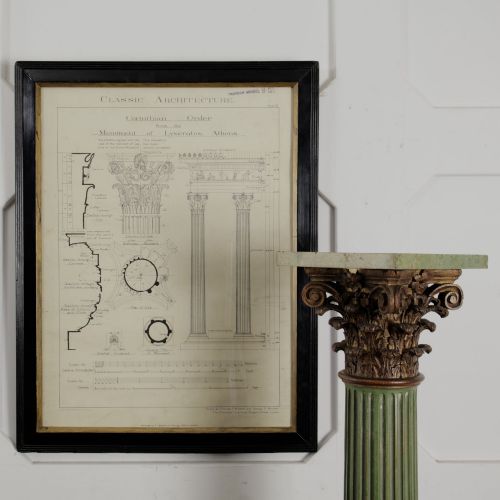
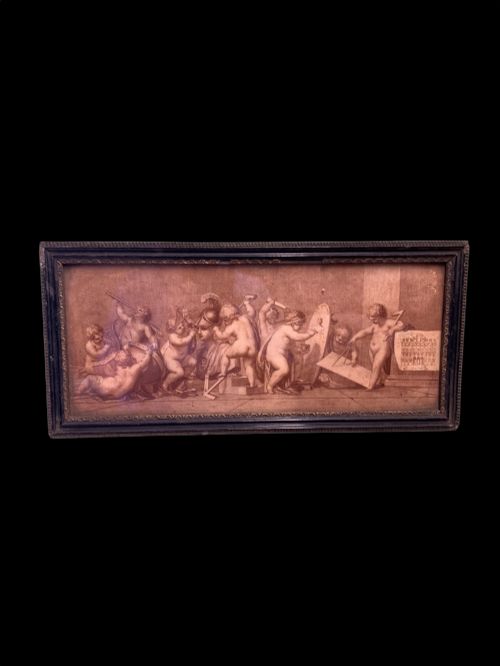
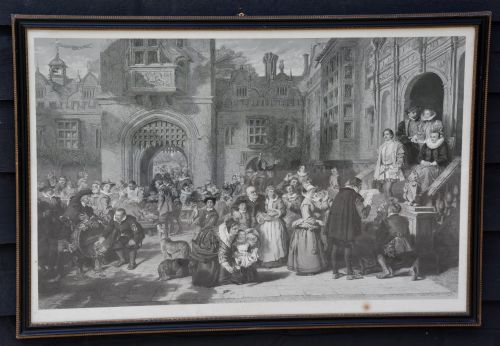
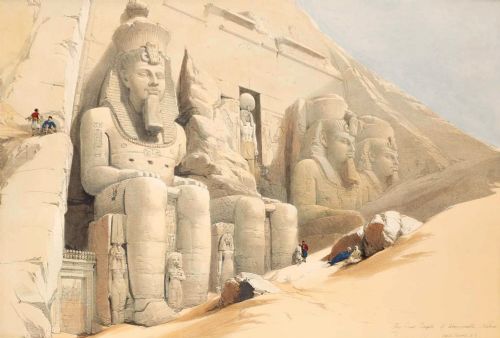
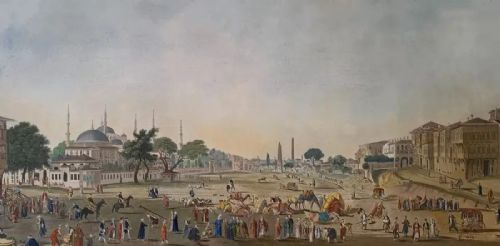
A framed architectural engraving captures classical facades, ancient ruins, and urban landmarks through meticulous line work on paper. You encounter subjects ranging from Roman antiquities and Gothic Loggie plates to Georgian hotels and London bridges.
The pieces on this page span the eighteenth century, the year eighteen hundred, the nineteenth century, and the early twentieth century. Styles shift from neoclassical grandeur to Georgian topographical record and early twentieth-century drypoint etching.
Makers and publishers represented in the evidence include Alessandro Mocchetti and James Basire alongside Edgar J. Maybery. These works record the grand sights of Athens, Herculaneum, Rome, and London for study and display.
How these works were produced
Artists and craftsmen employed copper engraving and drypoint etching on paper with black ink to render fine architectural detail. Plates were inked and pressed to capture the intricate linework of columns, facades, and inscriptions.
Finished prints were mounted under glass and set within wooden frames, with maple and gold leaf finishes appearing among the selections. These protective housings preserve the delicate paper sheets from atmospheric moisture and handling damage.
Retail Price Guide 2026
Typical UK retail prices for framed architectural engraving, calculated from the Sellingantiques database of over a million retail prices indexed since 2003. This retail price guide relies exclusively on Sellingantiques data; no external sources or auction records are used, so the figures do not describe the wider market.
Listings feature paper, ink, glass, wood, gold leaf, and maple materials across eighteenth-century, nineteenth-century, and early twentieth-century periods.
Judging the quality of these plates
Quality rests upon the crispness of the ink impression and the clarity of the line work across the paper surface. Finer plates retain sharp architectural details in columns, cornices, and statuary without blurring or fading.
The standard of the framing material and the integrity of the antique glass also elevate the presentation. Period frames featuring maple wood or original gold leaf complement the historical weight of the engraving within.
Alessandro Mocchetti·James Basire·Edgar J. Maybery
The Framed Architectural Engraving Glossary
- Engraving
- A printmaking technique where an artist cuts lines into a copper plate using a sharp tool called a burin. The resulting grooves hold the ink for transfer under pressure onto paper.
- Drypoint etching
- A method of printmaking where lines are scratched directly into a metal plate with a sharp needle. This process raises a rough ridge of metal called a burr, which yields velvety lines in the printed impression.
- Neoclassical
- A style originating in the mid-eighteenth century inspired by the art and architecture of classical antiquity. It emphasises symmetry, proportion, and classical orders such as Doric, Ionic, and Corinthian.
- Plate
- The metal sheet, typically copper, bearing the engraved or etched image. Plates were often numbered and issued as part of larger antiquarian volumes or folios.
Frequently Asked Questions
What subjects do these prints show?
These works depict ancient Roman statues, antiquities from Herculaneum and Athens, and architectural plates from the Vatican Loggie. You also find British subjects including London hotels and Blackfriars Bridge.
Subjects reflect eighteenth-century antiquarian interests and early twentieth-century topography. Each plate documents structural design with scientific and artistic precision.
How should I hang them?
Hang these framed works away from direct sunlight to protect the paper and ink from fading. Position them at eye level in studies, libraries, or hallways where their linear detail can be studied closely.
Ensure your hanging method supports the weight of the wood and glass frame securely. Keep them clear of damp walls and temperature extremes.
How do I tell periods apart?
Eighteenth-century examples often feature classical ruins, antiquities, and copperplate text detailing excavations. Early twentieth-century pieces like drypoint etchings display looser, more atmospheric linework focused on bridges and modern cityscapes.
Framing materials and paper characteristics also offer clues to the era of production. Georgian pieces often use maple or simple wooden mouldings suited to the domestic interiors of the time.
Are these original prints?
The listings comprise original copper engravings and drypoint etchings pulled from historical plates rather than modern reproductions. Materials include period paper, ink, and traditional wooden frames.
Dates span from the eighteenth century to the early twentieth century. Each piece carries the physical characteristics of its period of origin.