

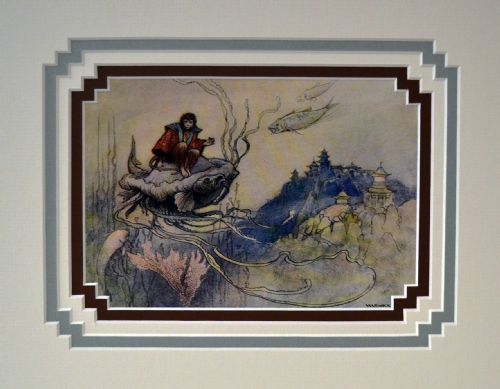
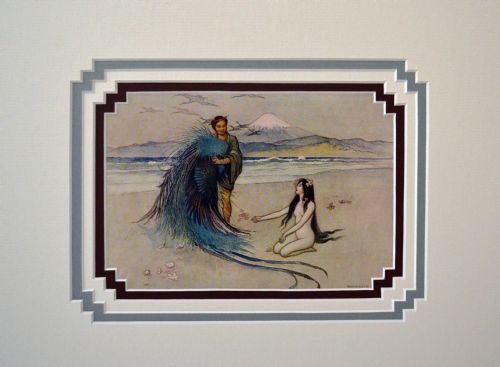
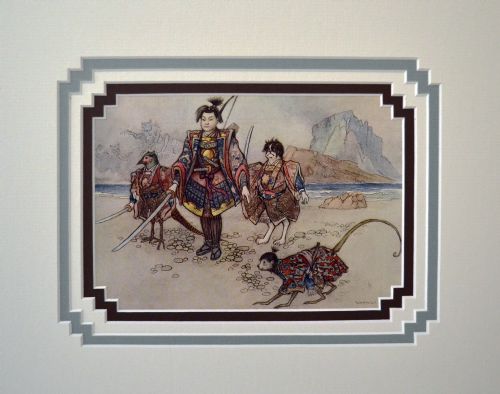
Cream Paper Print
A cream paper print offers the tactile quality of laid paper carrying ink from centuries past, prized by collectors for genuine period character.
What cream paper print pieces are
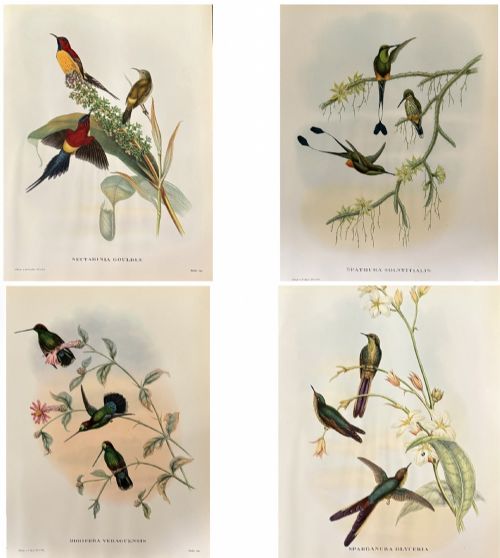
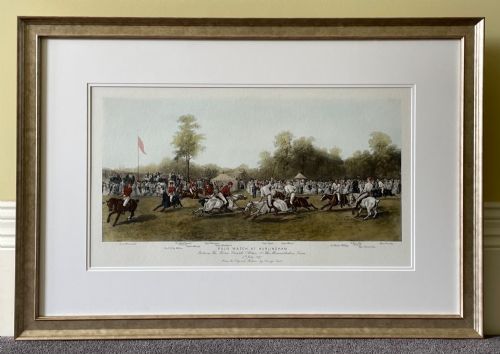
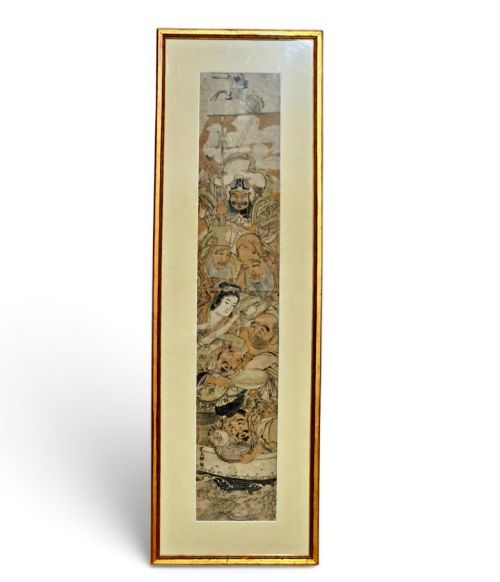
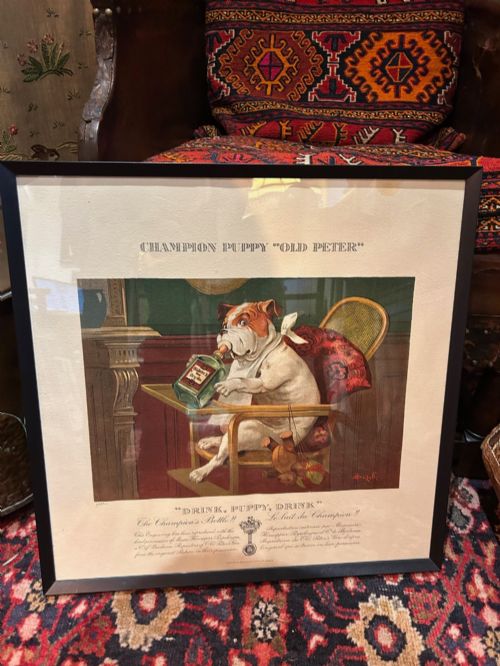
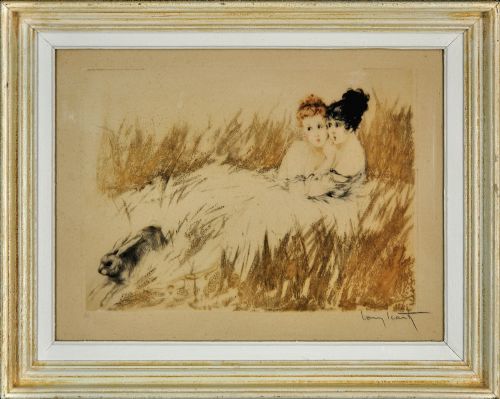
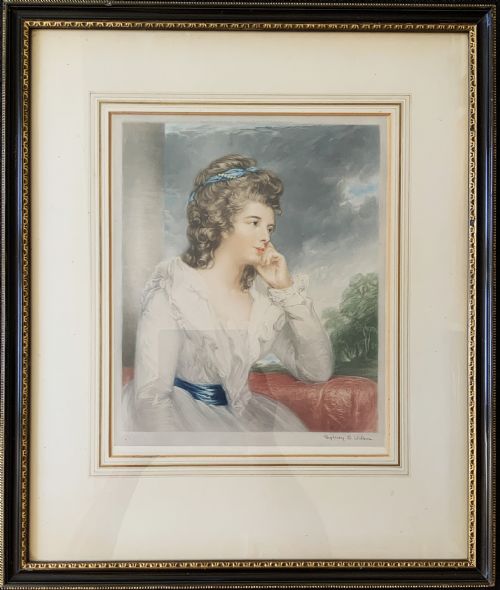
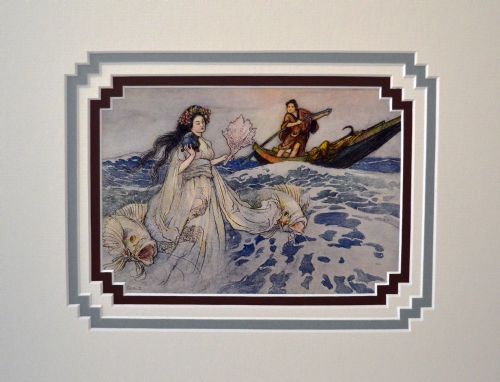
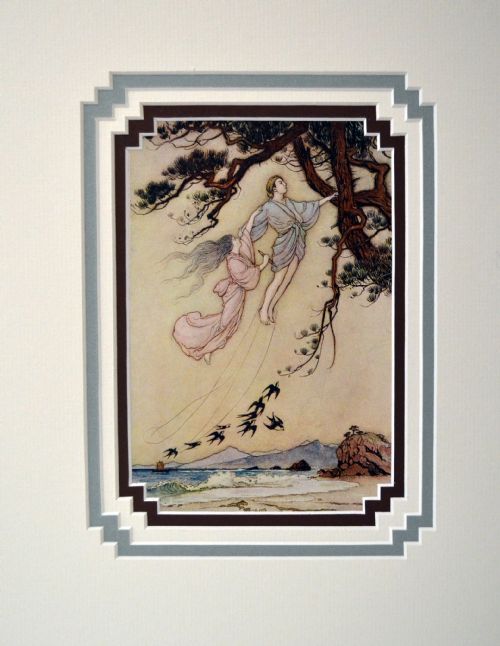
When you search for a cream paper print, you encounter historic graphic works produced across the eighteenth, nineteenth, and early twentieth centuries. These pieces encompass framed art prints, fine art engravings, and illustrated book plates on aged organic supports.
The selections on this page span diverse aesthetic movements, including neoclassical antiquity, rococo compositions, Victorian botanical studies, and Edwardian tales. Artists such as Claude Gillot, Warwick Goble, and Louis Wain appear alongside works by James Basire and John Hancock.
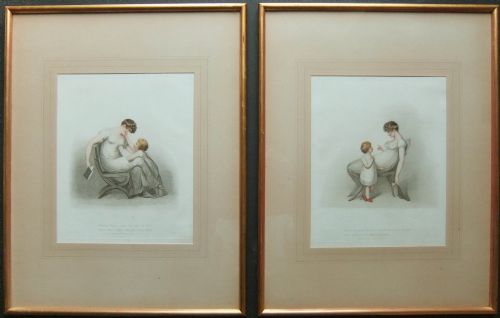
Most examples rely on traditional printing techniques applied to heavy laid paper or standard paper stocks that have acquired a warm tone over time. Buyers frequently find these works preserved behind glass within period wood frames.
How they were made
These works rely primarily on copperplate engraving and etching, where fine lines are cut into metal plates and transferred using black ink under high pressure. The physical matrix impresses into the dampened paper fibres, creating a characteristic plate mark.
Makers utilised handmade laid paper, visible through fine vertical and horizontal chain lines when held to the light, alongside later machine-milled stocks. Finished prints were often combined with mount boards, cloth backing, and protective glass panels.
Retail Price Guide 2026
Typical UK retail prices for cream paper print, calculated from the Sellingantiques database of over a million retail prices indexed since 2003. This retail price guide relies exclusively on Sellingantiques data; no external sources or auction records are used, so the figures do not describe the wider market.
Materials across these listings include laid paper, black ink, wood, glass, mount board, and cloth.
What varies in quality
Quality rests in the crispness of the ink impression and the preservation of the delicate paper margins surrounding the image. Stronger impressions reveal fine details in complex scenes, whereas worn plates yield softer, muddier lines.
The integrity of the original paper support dictates long-term appeal, with even ageing and minimal foxing preferred over heavy staining or brittle degradation. Framing components also contribute, as original wood mouldings and historic glass retain greater historical coherence.
Claude Gillot·Warwick Goble·John Hancock·Louis Wain·James Basire
The Cream Paper Print Glossary
- Laid paper
- Handmade paper featuring a grid of fine translucent lines formed by the wire screen of the mould during production. It provides the textural foundation for many eighteenth-century works.
- Engraving
- A printmaking method where an artist cuts lines directly into a metal plate using a sharp steel tool called a burin. This technique produces clean, precise lines capable of holding sharp detail.
- Etching
- A process where acid bites the design into a metal plate through a protective wax ground. It allows for a freer, more fluid line than direct engraving.
- Plate mark
- The indentation left in the paper by the edges of the printing plate under high pressure. Its presence confirms an authentic intaglio printing process.
- Foxing
- Small brownish spots caused by chemical reactions in the paper over long periods of time. It is a common characteristic of antique paper.
Frequently Asked Questions
How old are these prints?
The pieces span from the early eighteenth century through the Victorian era up to nineteen-ten. Dates are established through stylistic evidence, publication records, and associated maker signatures.
Paper characteristics and printing methods further help anchor each piece within its specific historical period.
Are these original antique prints?
Yes, the listings comprise genuine period works pulled from the original plates or blocks during their respective eras. They are not modern reproductions or digital facsimiles.
Each piece reflects the printing standards and materials characteristic of its specific production date.
How should I frame and display them?
Protect antique paper from direct sunlight to prevent the ink and paper tone from fading over time. Keep them behind glass with acid-free backing materials to maintain physical stability.
Stable indoor humidity levels help preserve the organic fibres of both the paper and any original wood framing.
What is laid paper?
Laid paper is an early form of handmade paper characterised by visible grid patterns formed by wire moulds. When held to the light, fine chain lines and wire lines appear across the sheet.
This paper type offers superior durability and a distinct tactile quality prized in historic printmaking.