


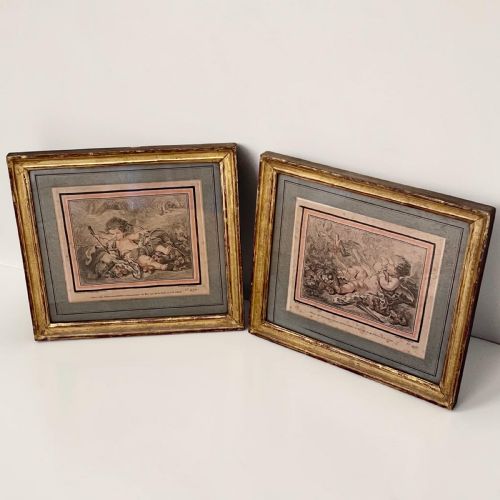
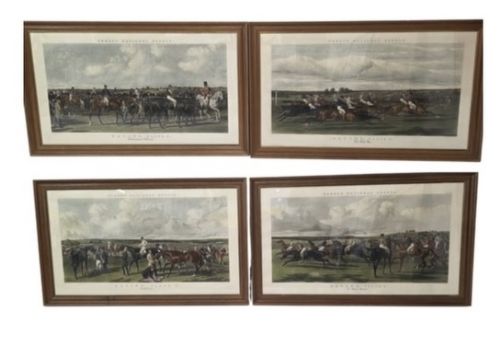
Wood Framed Engraving
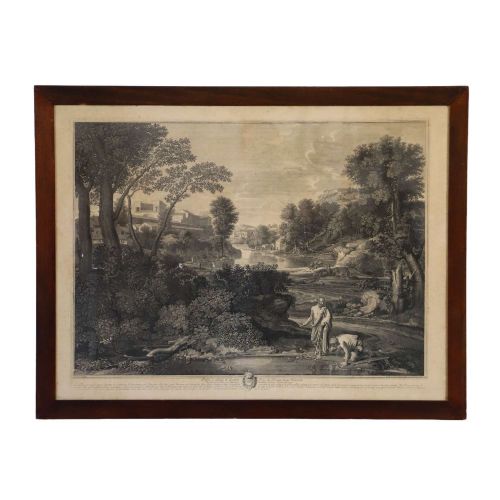
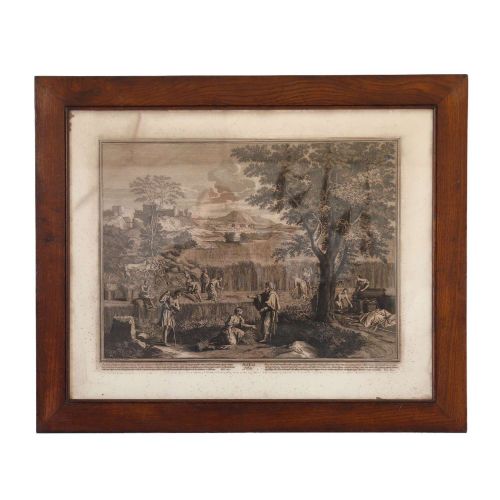
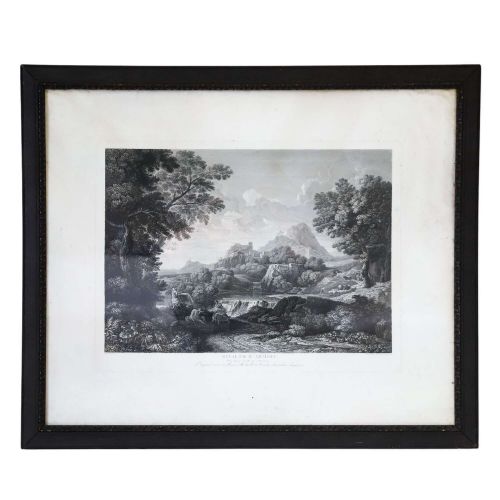
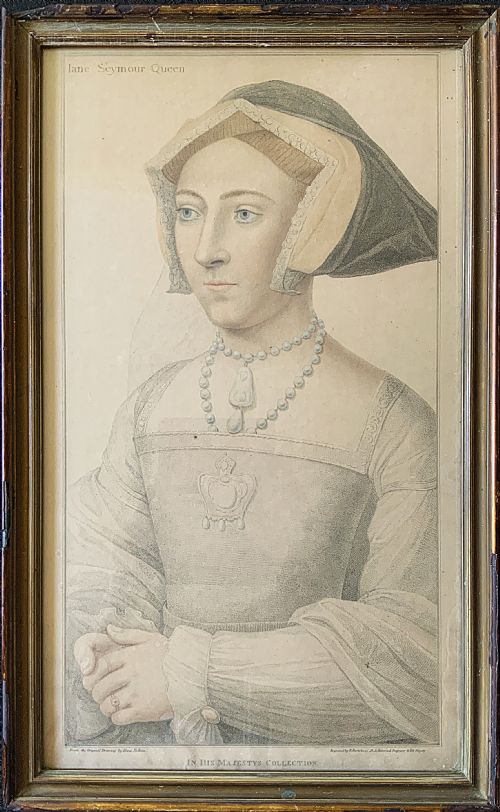
A wood framed engraving captures printed ink on paper, bound behind glass within timber borders that preserve centuries of graphic art.
Wood Framed Engraving
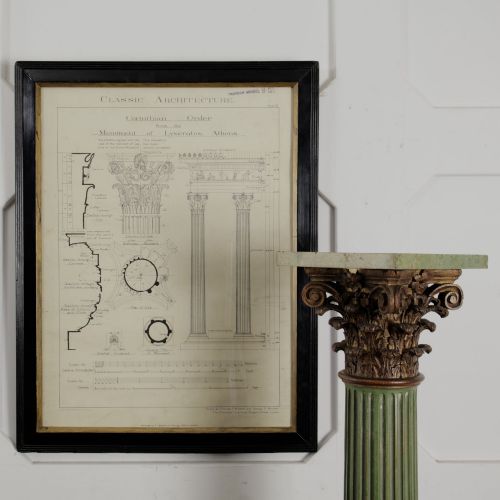
A wood framed engraving brings together printed paper sheets and protective wooden surrounds, spanning subjects from botanical studies and classical portraits to regional cartography. These works frequently date from the seventeenth, eighteenth, and nineteenth centuries, offering a tangible connection to historic printmaking workshops.
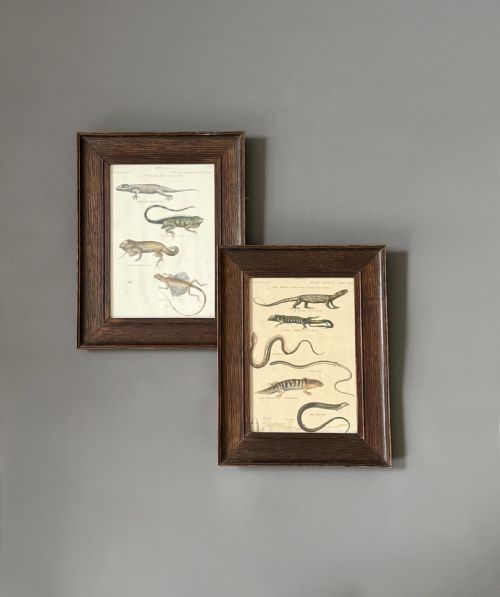
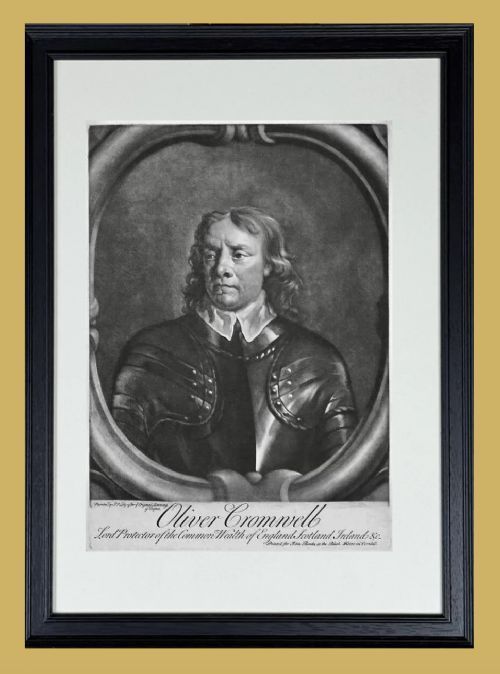
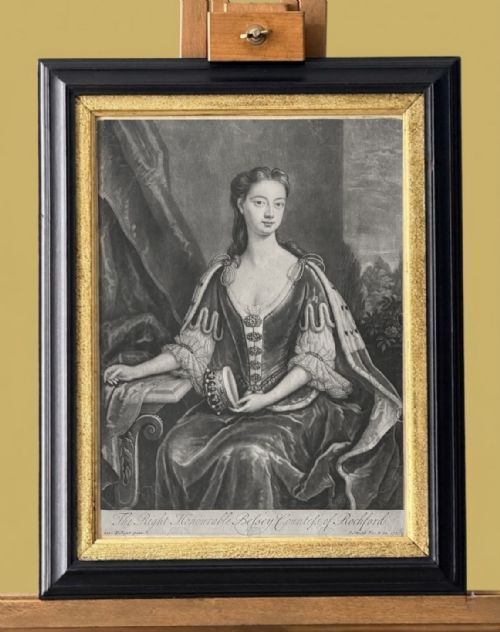
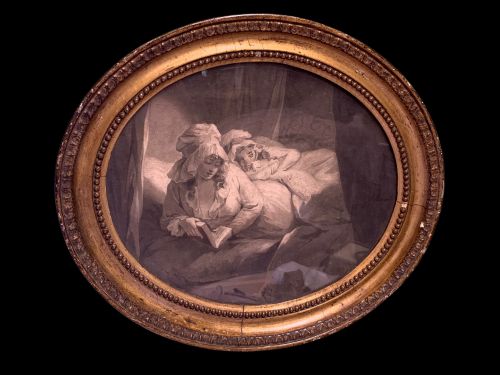
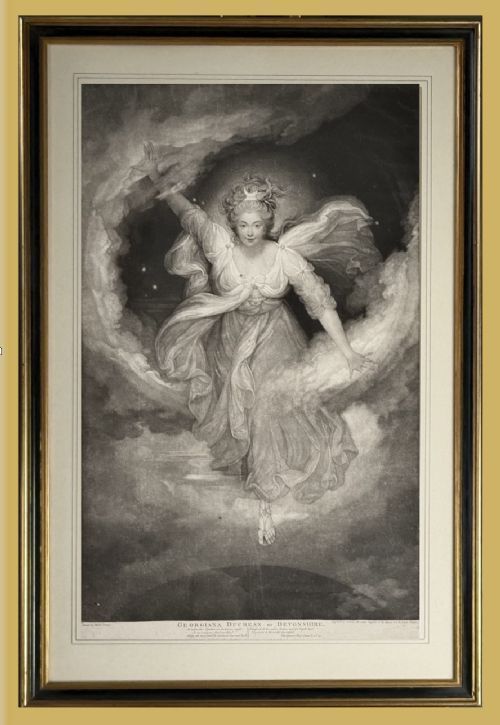
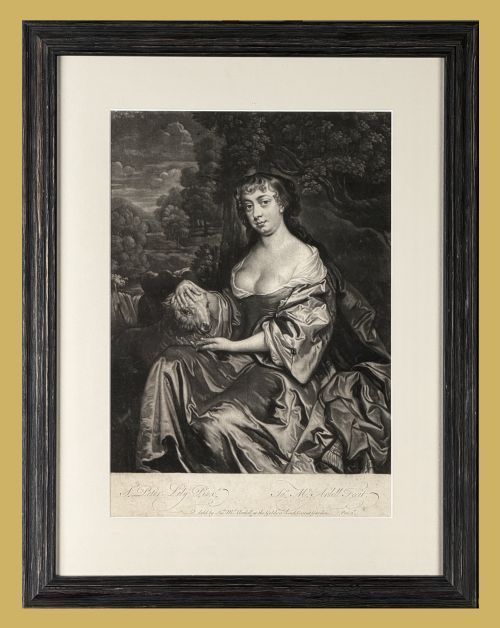
Buyers encounter numerous regional maps, natural history plates featuring birds and reptiles, and grand mezzotint portraits after painters like Sir Peter Lely or Sir Joshua Reynolds. Many examples retain their original timber mouldings, which range from simple dark wood sections to elaborate gilded frames.
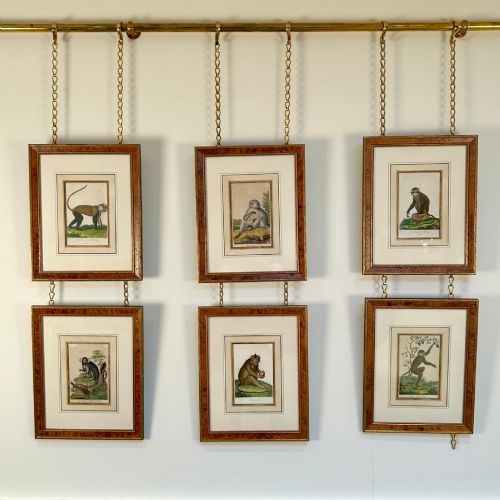
The selections on this page encompass various formats, including single topographical views, matched pairs of animal illustrations, and larger sets documenting naval docks or horse racing scenes. Each piece pairs ink on paper with glass protection and a structural wooden housing.
Materials and construction
Makers printed these plates using inked metal matrices pressed onto paper sheets, sometimes applying hand-colouring in watercolours or washes after the initial impression. The resulting works rely on fine lines or tonal mezzotint burrs to build depth and contrast.
Carpenters encased these prints in timber frames constructed from woods such as burr wood and rosewood, often incorporating gold leaf, gilt, or giltwood highlights along the inner sight edges. Glass plates were fitted directly over the paper to protect the delicate ink layers from atmospheric moisture and handling.
Some seventeenth-century subjects watch the room with an uncompromising gaze that has outlasted several dynasties of wallpaper.
Assessing craftsmanship and condition
Superior examples display sharp impression clarity where every hatched line or tonal gradient remains crisp, avoiding the muddy appearance of worn plates. The depth of the plate mark pressed into the paper often signals an early strike from the printing matrix.
The grade of the timber frame significantly influences the overall character, with dense burr wood veneers and hand-carved giltwood mouldings representing finer workshop standards than simple later replacements. Original backing materials and undisturbed glass panes also contribute to historical integrity.
William Bird MD FLS·John Bowles·Sir Peter Lely·Samuel Cooper·John Smith·Charles D Agar·John Bolles·Valentine Green·Maria Hadfield Cosway·James Macardell·Étienne Baudet·Poussin·Hans Holbein·Huet·Demarteau·van Dyck·William Hogarth·Luke Sullivan·Ogilby·Sir Joshua Reynolds·Thomas G Appleton·Jonathan Couch·Gustave Doré·Adolphe Pannemaker
The Wood Framed Engraving Glossary
- Engraving
- A printmaking technique where an artist cuts lines directly into a metal plate using a sharp tool called a burin. The incised grooves hold the ink that transfers to paper under pressure.
- Mezzotint
- A tonal printmaking method where the copper plate is roughened entirely to produce dark areas, then scraped and burnished to create lighter tones and gradients. This process yields velvety portraits with rich shadows.
- Plate mark
- The indented border left on the paper by the edge of the metal printing plate during the press run. Its presence confirms the use of traditional intaglio printing methods.
- Giltwood
- Timber, frequently carved gesso-covered softwood, treated with gold leaf or gold paint to produce a bright metallic surface. It appears frequently on formal frames from the Baroque and Rococo periods.
- Cartography
- The study and practice of making maps, represented here through engraved regional charts, road plans, and colonial surveys. These sheets often feature decorative cartouches and hand-tinted boundaries.
Wood Framed Engraving: Frequently Asked Questions
How do I hang a heavy wood framed engraving?
Secure the hanging wire or brass rings directly into the vertical wooden studs of the wall using appropriate weight-rated fixings. Ensure the hanging height places the centre of the print at eye level for optimal viewing.
Keep the frame away from direct sunlight and damp environments to protect the paper substrate and the wooden moulding from warping or fading over time.
Are these engravings original period impressions?
The listings comprise genuine historic impressions printed from engraved metal plates during the periods indicated in the titles. Technical characteristics like paper texture and plate marks help distinguish these historic printings from modern photographic reproductions.
Examining the reverse of the frame often reveals early backing boards, historic framer labels, and paper fibres consistent with age.
Can I remove the engraving from its frame?
Opening the frame risks damaging fragile historic paper, acidic backing materials, and fragile sealing tapes. It is generally best to leave the assembly intact to preserve the protective seal created around the print.
If conservation work is necessary, consult a professional paper conservator rather than attempting to dismantle the timber housing at home.