
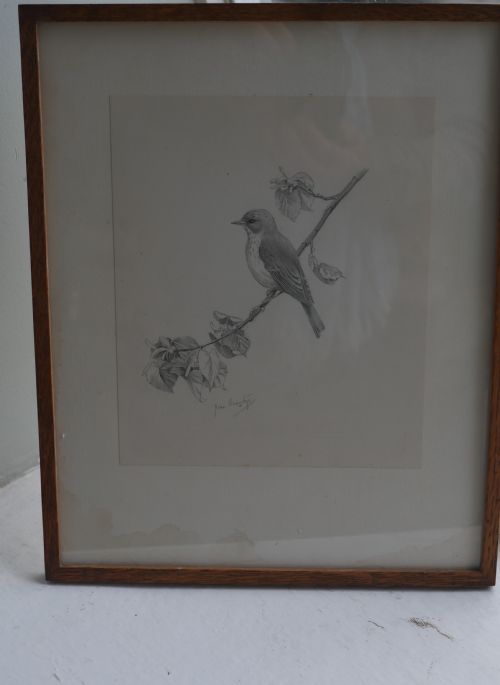


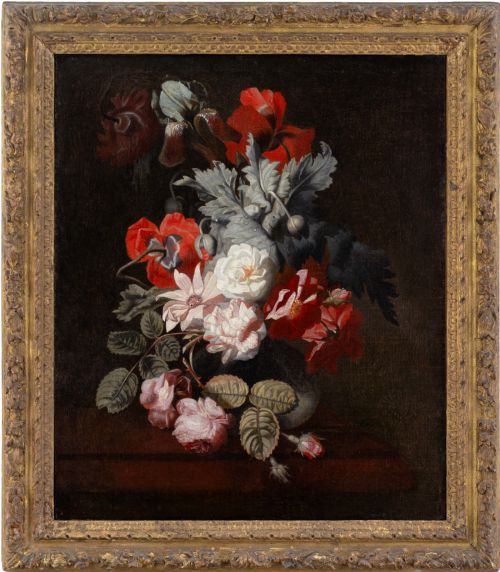
Vintage Botanical Print
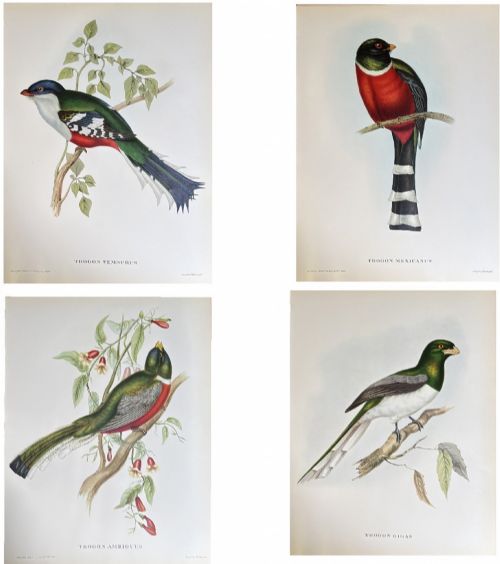
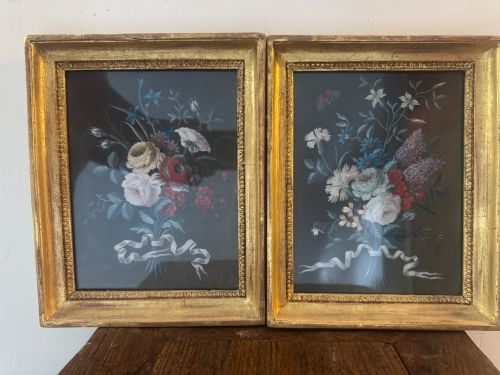
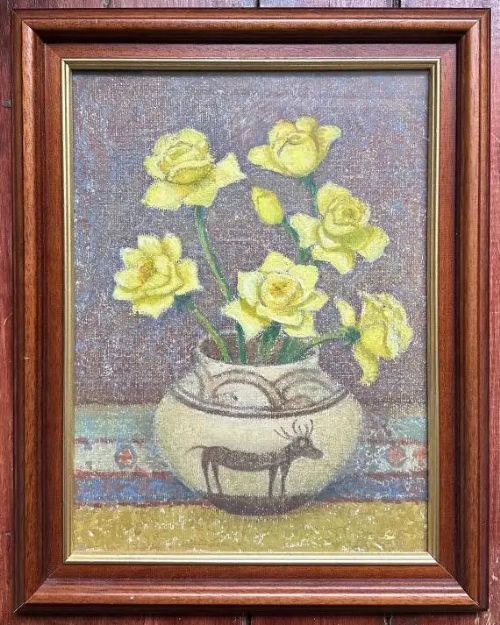
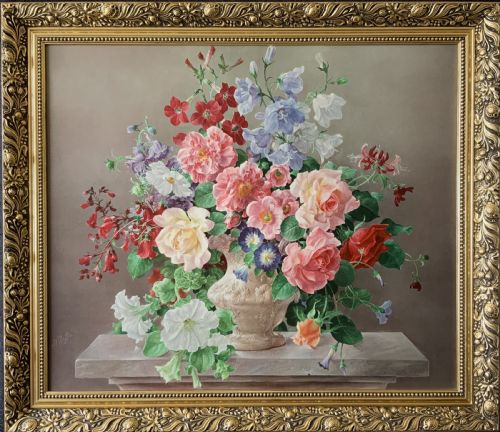
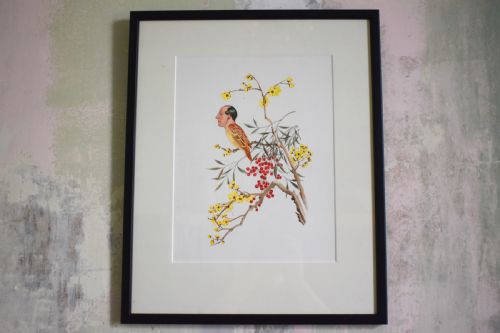
These vintage botanical print selections bring natural history studies into domestic spaces, offering detailed depictions of plants and birds to hang on walls.
Vintage Botanical Print
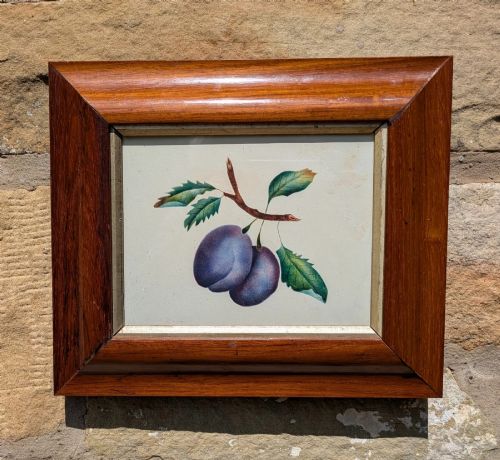
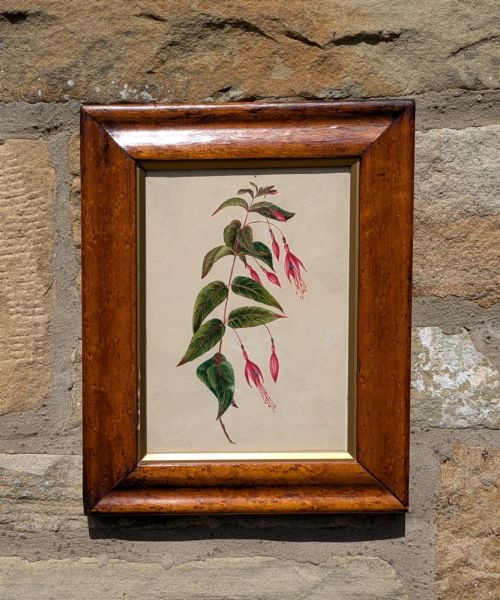
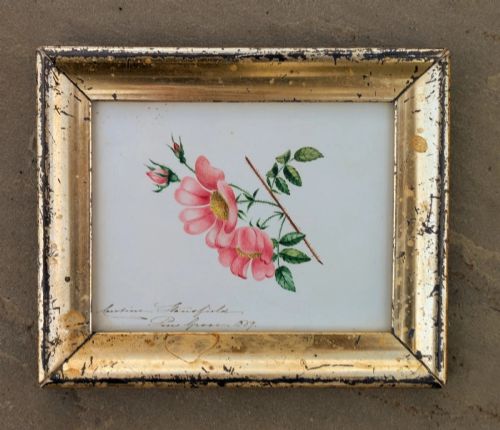
A vintage botanical print typically presents accurate botanical or ornithological illustrations produced across the eighteenth, nineteenth, and twentieth centuries. These artworks capture natural subjects through media ranging from hand-coloured engravings to nineteenth-century lithographs and original watercolours.
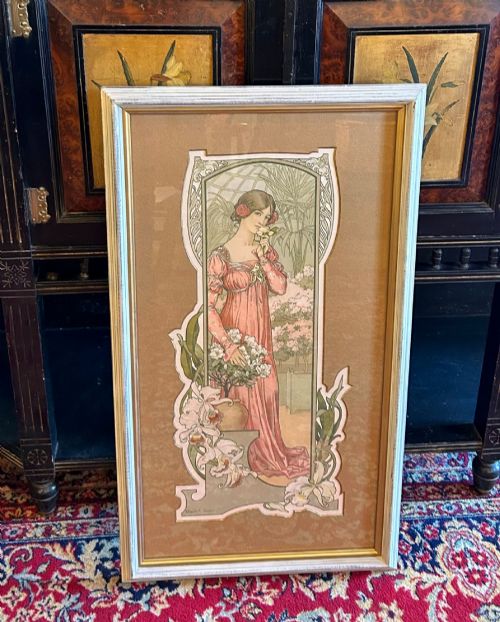
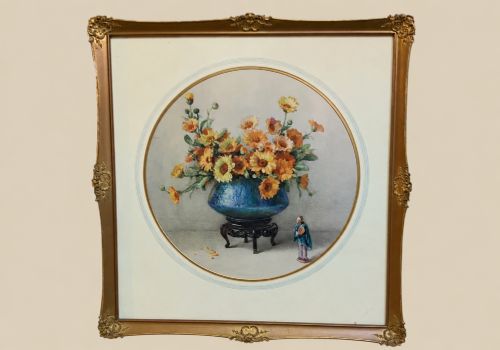
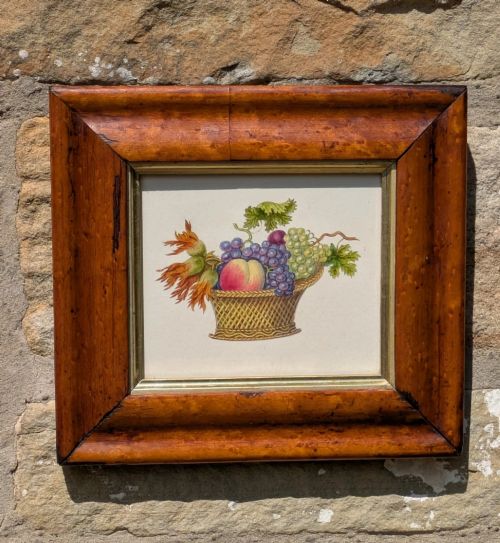
Buyers encounter single study sheets alongside mounted sets, often framed in wood or gilt surrounds. The selection spans Georgian and Victorian natural history illustration through to later twentieth-century interpretations.
Originating primarily from British and European publishing traditions, these pieces combine scientific observation with decorative appeal. They function as wall art that records historical approaches to recording flora and fauna.
Materials and technique
Paper serves as the primary support for printed plates and watercolours, complemented by canvas and board for oil paintings. Applied pigments include watercolour, gouache, ink, and oil paint, frequently enhanced by hand-colouring over engraved lines.
Framing materials reflect the period of production, incorporating wood, glass, and gilt leaf alongside rosewood frames and carved pine picture frames. These protective housings preserve delicate paper surfaces from atmospheric degradation.
Materials recorded on this page include watercolour, gouache, oil on canvas, and gilt wood frames.
Assessing quality
Quality rests upon the precision of the draughtsmanship and the fidelity of the botanical or ornithological recording. Masterworks by documented illustrators display superior line work and nuanced hand-colouring that elevates simple documentation to fine art.
The integrity of the paper support and the preservation of original pigments dictate longevity. Contemporary framing choices that respect the age of the piece also contribute to the overall standard of the object.
Elisabeth Sonrel·Anton Weiss·Emma Fordyce MacRae·Harold Clayton·Simon Pietersz Verelst·M Simpson·Pancrace Bessa·George Edwards·Charlotte Isa James·John Curtis·Margaret Evangeline Wilson·Georg Wolfgang Knorr
The Vintage Botanical Print Glossary
- Lithograph
- A print produced by drawing on limestone or a metal plate with a greasy substance so that ink adheres only to the drawn areas. This technique enabled the mass production of detailed colour illustrations in the nineteenth century.
- Gouache
- An opaque water-based paint consisting of pigment, water, and a binding agent such as gum, often mixed with a white filler. It provides heavier coverage than traditional watercolour, creating vibrant floral studies.
- Engraving
- A printmaking method where an artist cuts lines into a metal plate with a burin to hold ink for transfer under pressure. This process produces sharp, precise lines suited to scientific illustration.
- Oleograph
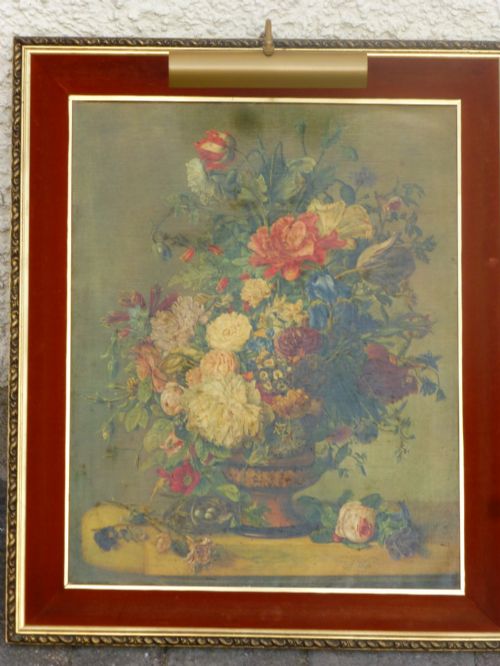
- A type of chromolithographic print textured to imitate an oil painting on canvas. These reproductions became popular in the nineteenth century for bringing artworks into domestic interiors.
- Gilt wood
- Wood carved and coated with a thin layer of gold leaf or metallic powder. This finish appears frequently on frames housing period artwork.
Vintage Botanical Print: Frequently Asked Questions
How do I care for vintage paper art?
Keep framed pieces away from direct sunlight to prevent the fading of watercolours and coloured inks. Maintain stable indoor humidity levels to protect paper supports from moisture damage.
Ensure backing boards and glazing remain secure within the frame to protect the delicate surface from dust and environmental pollutants.
How are these prints dated?
Dating relies on stylistic evidence, printing techniques, and publisher records associated with the paper or plate. Watermarks, typography, and paper stock characteristics provide further chronological clues.
Signed works or known artist attributions help anchor the production era within specific centuries.
What is the difference between an engraving and a lithograph?
An engraving involves incising lines into a hard plate to create a sharp, linear impression on paper. This technique precedes widespread chromolithography.
A lithograph uses a chemical process on a flat stone or metal surface to transfer painterly colour and tone, emerging predominantly in the nineteenth century.
Where should I hang botanical wall art?
These pieces suit living rooms, studies, and hallways where interior lighting can be controlled to prevent UV damage. Grouping sets together creates a balanced gallery display along a corridor.
Pairing framed prints with complementary wooden furniture or period interior schemes enhances their decorative context.