
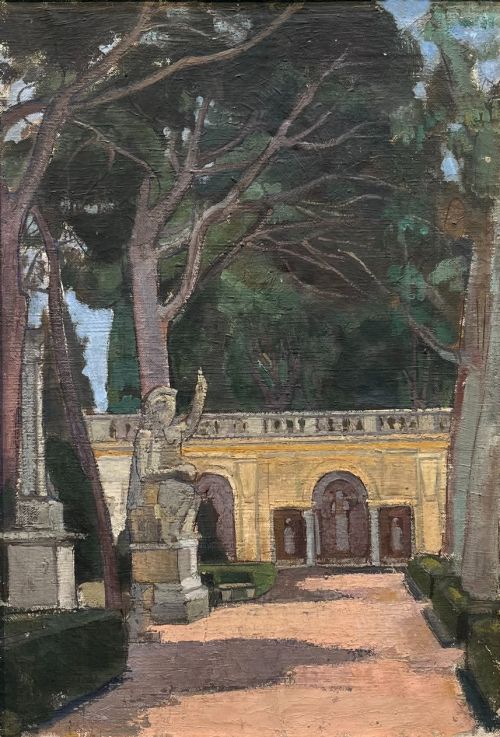
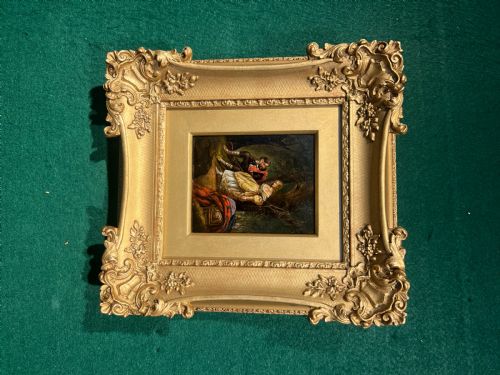

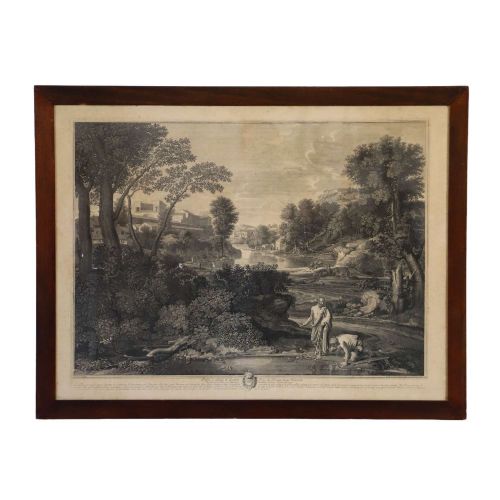
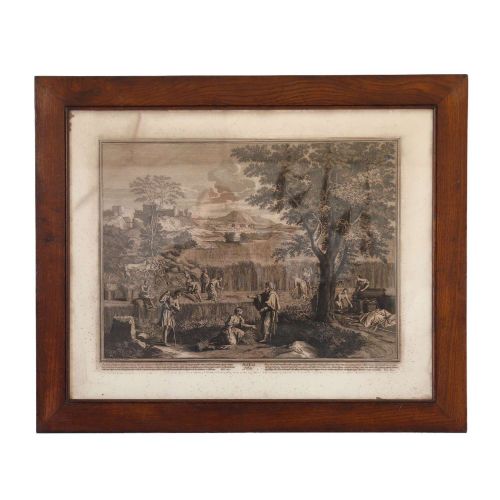
Classical Landscape Artwork
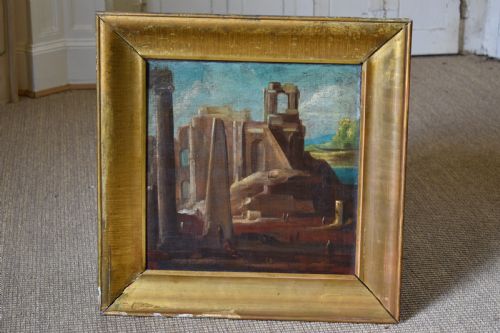
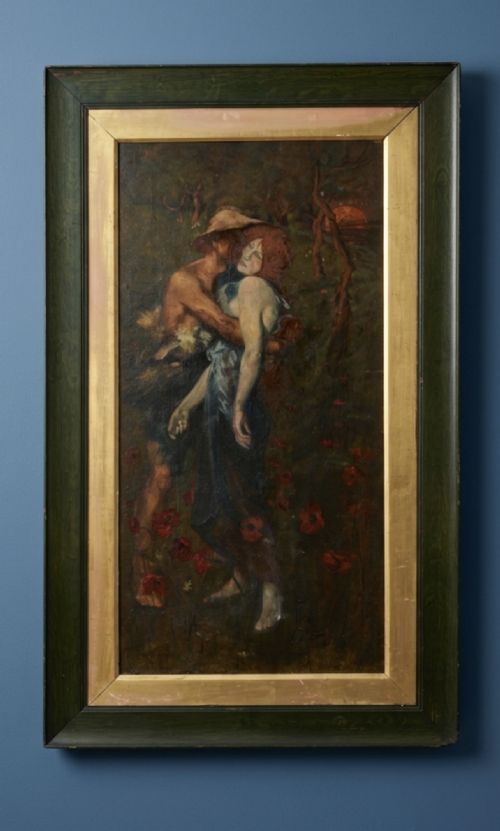
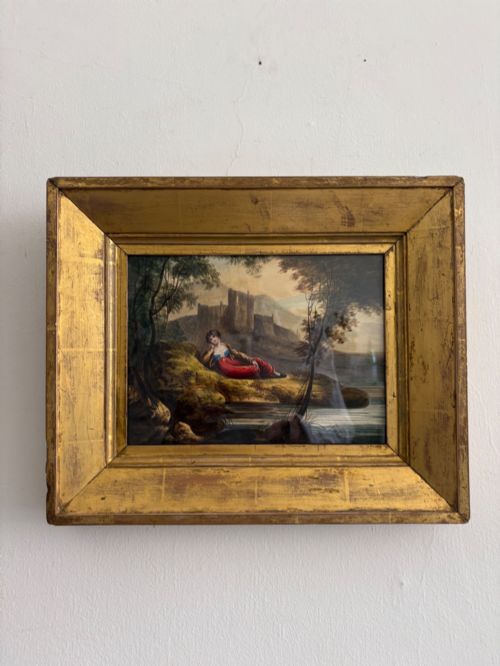
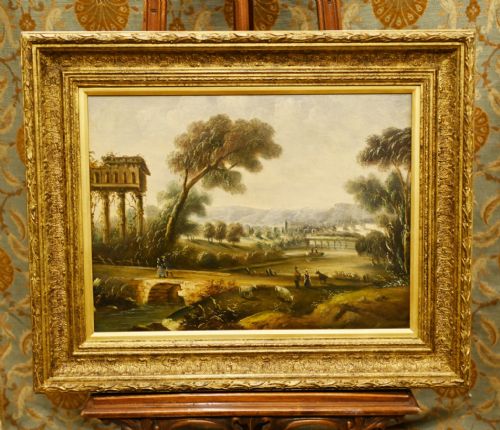
Classical landscape artwork brings pastoral vistas, ancient ruins, and mythological scenes into interior spaces through centuries of painterly tradition.
Classical Landscape Artwork
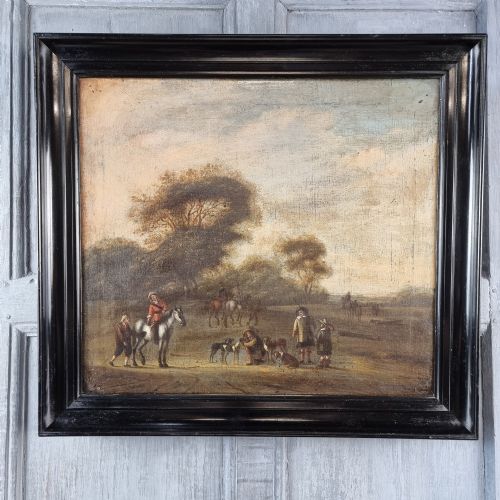
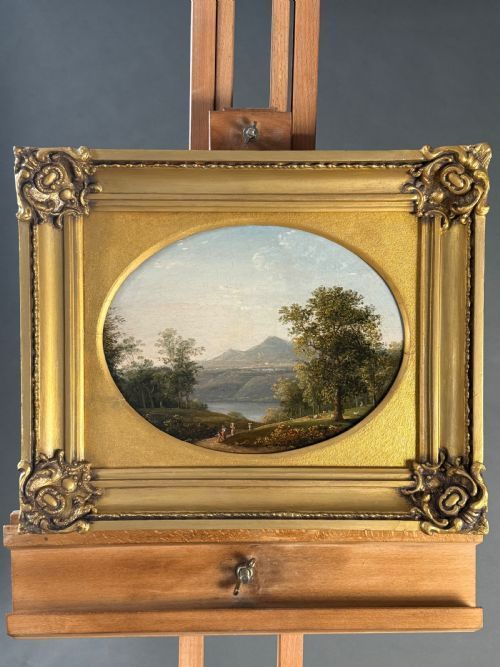
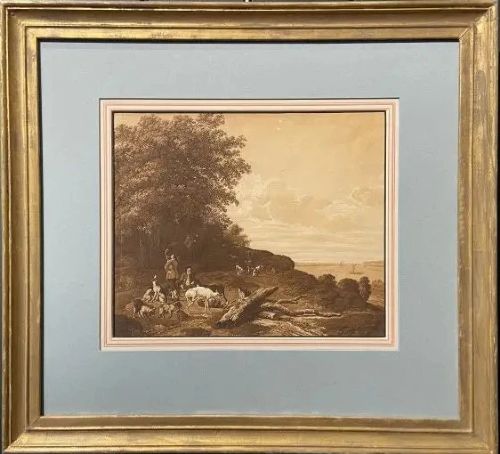
Classical landscape artwork encompasses oil paintings, watercolours, engravings, and prints depicting idealised scenes with architectural elements and figures. Buyers exploring this category encounter pieces stretching from the seventeenth century through to the early twentieth century.
Regional schools such as the British School in Rome, Scottish school, and Italian painters dominate the offerings. These pieces often adapt motifs from master painters like Claude Lorrain, Nicolas Poussin, and François Boucher.
Materials and methods
Makers utilised oil paint on canvas or wood panels, alongside watercolours and charcoal applied to paper. Engravings provide printed alternatives that capture intricate architectural details and figures within natural settings.
Support structures rely on traditional wood stretchers and paper attached to canvas. Finishes frequently incorporate gold leaf, gesso, and glass to protect and elevate the framed artwork.
Listings feature oil paint, paper, wood, and gold leaf across seventeenth to twentieth-century periods.
Assessing quality and execution
Quality rests in the handling of light, atmospheric depth, and the anatomical precision of figures populating the landscape. Finer pieces demonstrate confident brushwork and harmonious tonal gradations that create a convincing sense of space.
The integration of original frames, particularly period giltwood or gesso mouldings, adds distinct value. Condition of the pigment, stability of the canvas, and provenance or attribution to recognised schools further differentiate the works.
Angelo Maria Crivelli·Francois Boucher·Jacob Philipp Hackert·Johannes Lingelbach·Étienne Baudet·John Ferneley Senior·Margaret Maitland Howard·Carl Johan Fahlcrantz·Cornelis Van Poelenburgh·Thomas Edward Roberts·Jean-baptiste Joseph Pater·Giovanni Paolo Panini·Claude Lorrain·Frederick Waters Watts·Carl Adolf Mende
The Classical Landscape Artwork Glossary
- Grand Tour
- A cultural journey undertaken by wealthy young Europeans through France and Italy to study classical art and antiquities.
- Neoclassical
- A Western cultural movement drawing inspiration from the art and culture of classical antiquity.
- Gesso
- A plaster-like mixture used as a base for painting or moulding frames.
- Giltwood
- Wood that has been coated with gold leaf or gold paint.
- Provincial
- Artwork created outside major metropolitan artistic centres, often displaying local character.
Classical Landscape Artwork: Frequently Asked Questions
What defines a classical landscape painting?
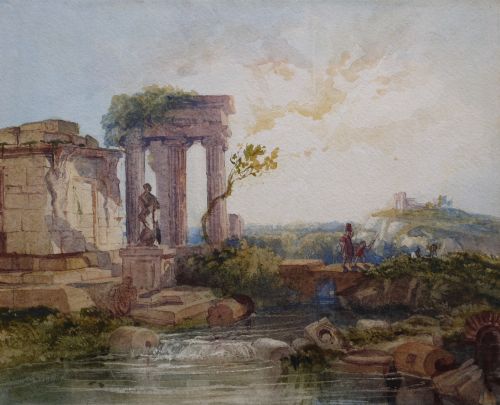
These compositions feature idealised nature combined with classical elements such as ancient ruins, temples, and mythological or pastoral figures. Artists arranged these components to evoke harmony and antiquity.
The style draws heavily on seventeenth-century traditions established by masters working in Italy and Northern Europe.
How do I identify a Grand Tour artwork?
Grand Tour pieces typically depict iconic Italian views, ancient monuments, or Roman architecture collected by travellers during their European journeys. They often bear specific regional attributions or Italian school markers.
These works served as tangible reminders of classical education and cultural exploration abroad.
Are these works painted on canvas or wood?
The selection includes both oil on canvas and oil on panel or wood supports, alongside watercolours and engravings on paper. Panel paintings frequently point towards earlier seventeenth-century Dutch or Flemish influences.
Canvas supports became increasingly common in later eighteenth and nineteenth-century British and continental productions.
How should I frame an antique landscape?
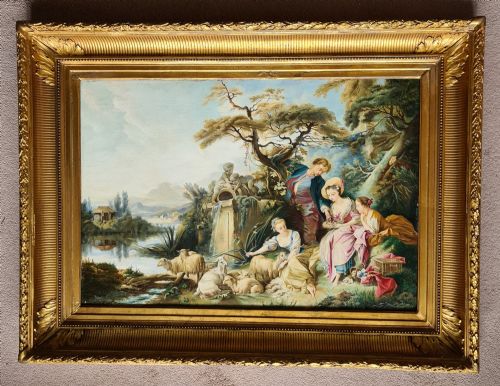
Period frames utilising giltwood, gesso, or moulded wood complement the tonal qualities of these artworks. Original frames require careful preservation to maintain the historical integrity of the piece.
Glass protection is common for watercolours and paper works, whereas oil paintings on canvas generally remain open to the air.