

French Classical Art
French classical art brings together centuries of mythological painting, detailed bronze casting and carved wood grounded in classical tradition.
French Classical Art
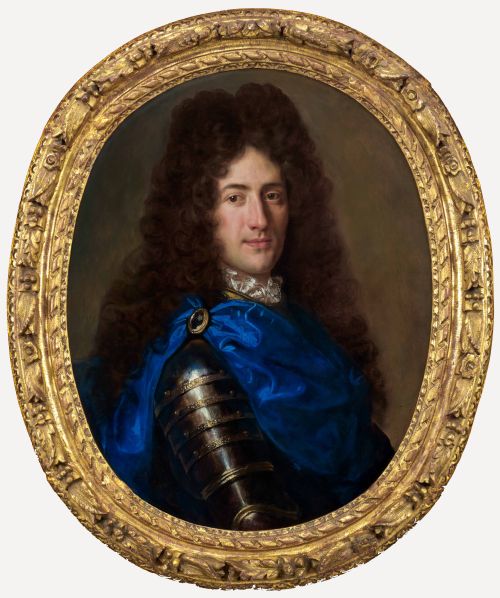
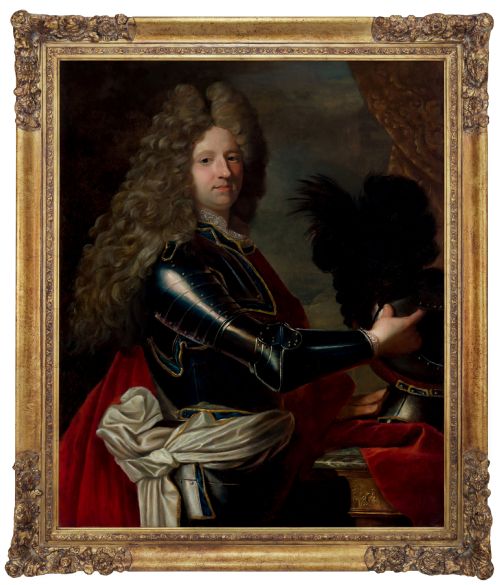
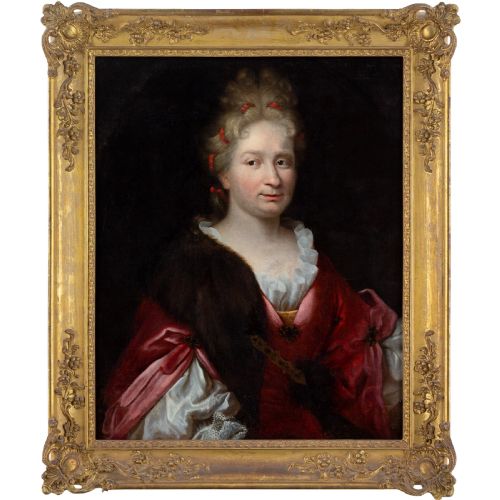
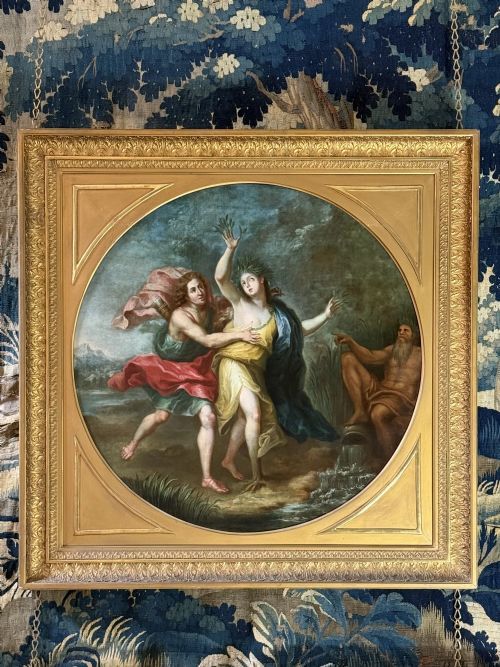
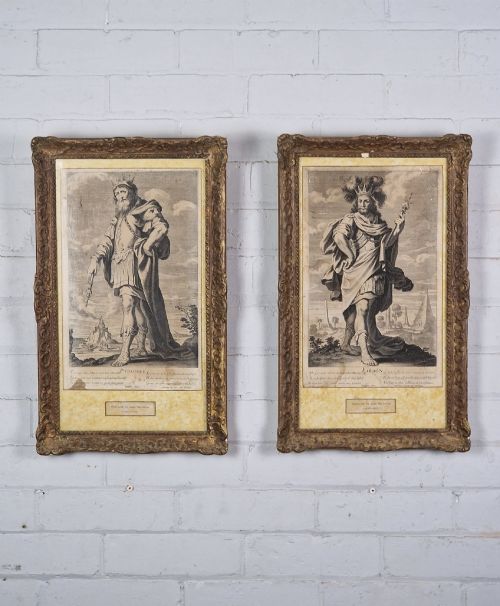
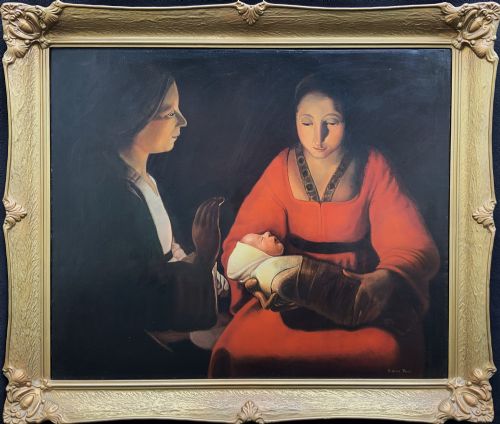
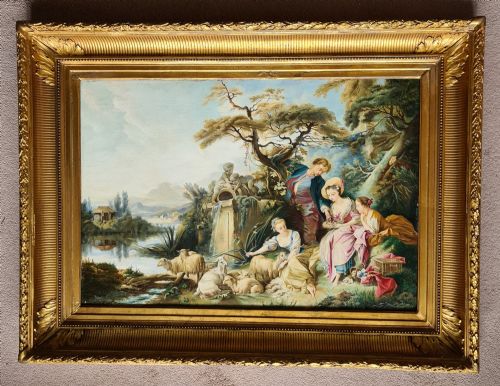
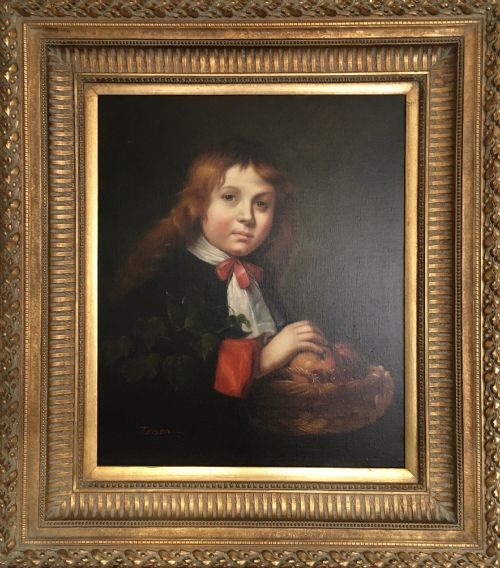
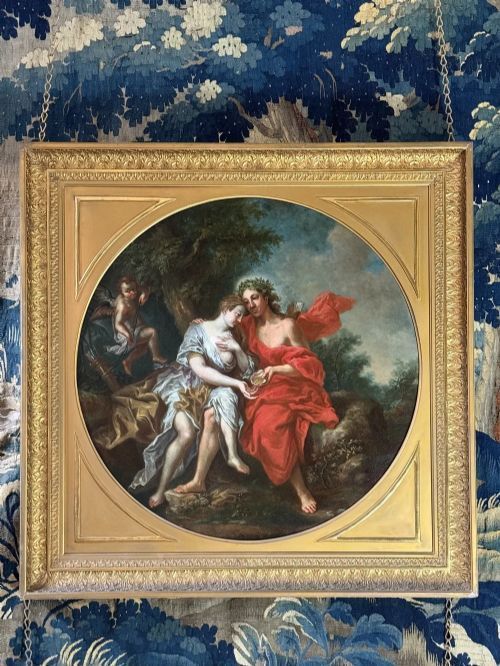
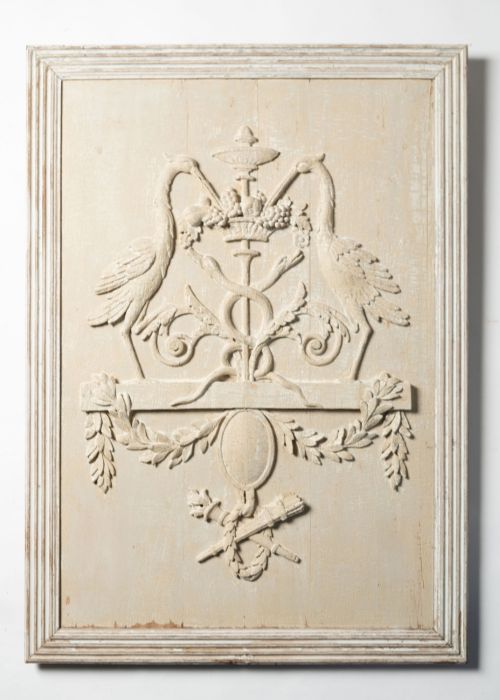
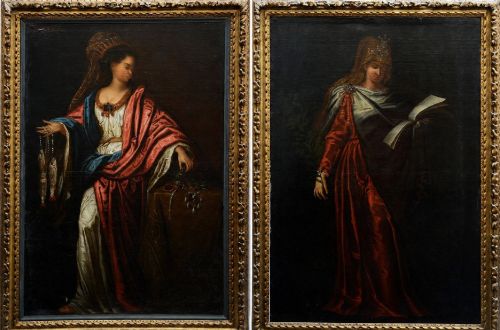
When searching for French classical art, collectors encounter oil paintings, bronze sculptures, engravings and carved wooden panels spanning from the seventeenth century through to the twentieth century. These works frequently draw upon classical mythology, ancient history and academic portraiture, reflecting centuries of European artistic training.
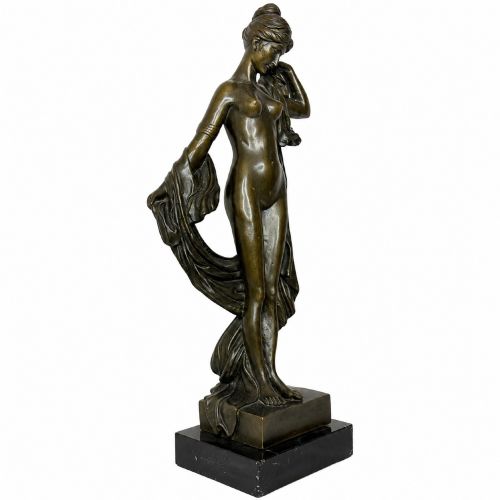
The selections available here range from seventeenth-century etchings and eighteenth-century oil paintings to nineteenth-century cold-painted bronzes and later Art Deco interpretations. Buyers are most likely to meet painted portraits, mythological canvases and cast bronze figures representing classical figures and allegorical themes.
Originating from French schools and studios, these objects document the shifting interpretations of classicism across different periods, including Baroque, Rococo, Neoclassical and Art Nouveau movements. Each piece provides a window into the prevailing aesthetic standards of its respective era.
Materials and construction
Canvases and panels carry oil paint, tempera or gouache, while works on paper utilise engraving, etching and pencil drawing techniques. Bronze sculptures involve lost-wax casting, frequently supplemented by cold-painting or patination to achieve surface depth and colour.
Wood elements rely on traditional carving methods applied to panels and frames, often retaining original gilding or framing components. Glass objects incorporate moulding and opalescent treatments seen in decorative vases and vessels.
Goats make recurring appearances in the evidence, wandering through bronze sculptures of fauns, carvings of goat carvers and pastoral paintings.
Assessing quality
Superior quality in paintings manifests through precision in facial expression, mastery of light and shadow, and the fluidity of brushwork in drapery and anatomy. Weaker examples often reveal stiff proportions, static compositions or heavy-handed restoration.
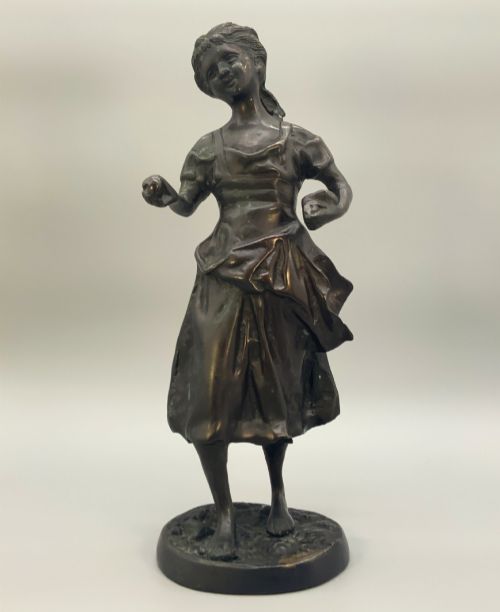
In bronzes, distinction lies in the sharpness of the chasing, the preservation of fine detail in hair and costume, and the richness of the applied patina. Casts produced with worn moulds or lacking hand-finished definition sit lower in the range.
Charles Antoine Coypel·Jean Mariette·Georges de La Tour·Francois Boucher·Pierre Mignard·Jean-Baptiste Greuze·Pierre le Faguays·Moreau Family·François Perrier·Hyacinthe Colin de Vermont·Guillaume Courtois·L and F Moreau·Emile Carlier·Mathurin Moreau·Étienne Baudet·Aubusson·Aurore Onu Cymbal Dance·Charles Le Brun·Jean-Baptiste van Loo·Marie Leczinska·François-André Vincent·R Lalique·Thiebaut Freres·E Villanis·Edouard Drouot
The French Classical Art Glossary
- Etching
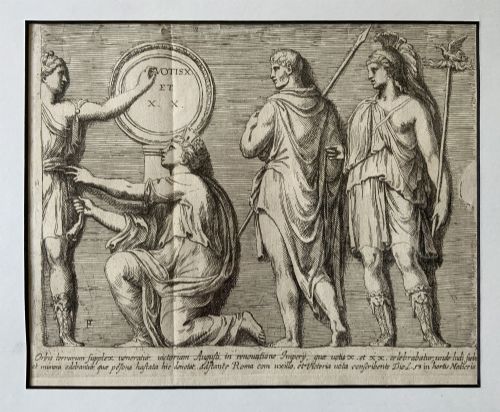
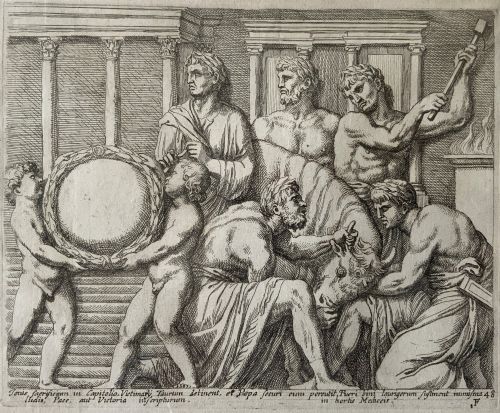
- A printmaking technique where lines are bitten into a metal plate with acid before being inked and pressed onto paper. This process allows for fine, fluid detail reminiscent of hand-drawn sketches.
- Cold-painted bronze
- A sculpture method where the finished bronze is painted with natural pigments rather than heat-applied patination. This technique demands careful preservation to maintain the integrity of the original colours.
- Grisaille
- A monochrome painting executed entirely in shades of grey, often designed to imitate sculptural reliefs or stone carvings. Artists frequently utilised this method for decorative wall panels and triptychs.
- Camaieu
- A monochrome painting technique similar to grisaille but executed in a single colour other than grey, such as blue or brown. It highlights tonal gradation and form without relying on a full palette.
- Cartel clock
- A wall clock housed in an ornate, decorative frame made from bronze, wood or ormolu, typical of seventeenth and eighteenth-century interiors. These clocks combine timekeeping with sculptural bronze work.
French Classical Art: Frequently Asked Questions
What subjects appear most often in French classical art?
The subjects frequently draw upon Greek and Roman mythology, including figures such as Apollo, Daphne, Venus, Cupid and Psyche. Historical narratives and allegorical representations of the seasons or the arts also dominate the compositions.
Alongside mythological scenes, formal portraiture of nobility and academic figure studies provide a clear record of historical dress and social standing across the centuries.
How do I distinguish between an original eighteenth-century engraving and a later print?
Examining the paper reveals crucial clues, as genuine eighteenth-century sheets typically exhibit heavier rag content, irregular edges and watermark evidence. Plate marks where the metal edge pressed into the damp paper during printing remain essential indicators of authenticity.
Modern reproductions or later oleographs often show uniform dot patterns under magnification, whereas genuine engravings display continuous ink lines settled within the paper fibres.
Where were bronze sculptures placed in historic interiors?
Bronze figures and groups usually stood upon mantelpieces, mahogany sideboards or dedicated pedestals within formal reception rooms. Smaller pieces such as table lamps and decorative vases integrated functional utility with classical aesthetics.
Larger bronzes acted as focal points in hallways and libraries, often paired with marble or ormolu cassolettes to create symmetrical displays on furniture tops.
How should I care for oil paintings on wood panels?
Wooden panels react to fluctuations in ambient humidity and temperature, making stable environmental conditions vital to prevent warping or splitting. Keeping them away from direct sunlight and heat sources protects the pigment layers from drying out.
Dusting should occur gently with a soft, dry brush, avoiding water or chemical cleaning solutions that might compromise the aged varnish and oil layers.