

Historical Paper Print
When you search for a historical paper print, you are looking at centuries of engraved portraits, maps, and satires preserved behind glass.
Historical Paper Print
When you search for a historical paper print, you encounter works spanning the seventeenth, eighteenth, and nineteenth centuries. These pieces encompass framed portraits, cartography, and satirical scenes originating from British, Dutch, and French workshops.
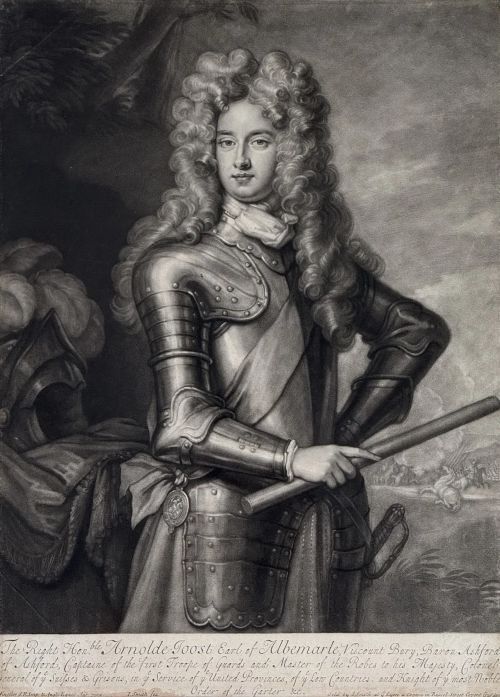
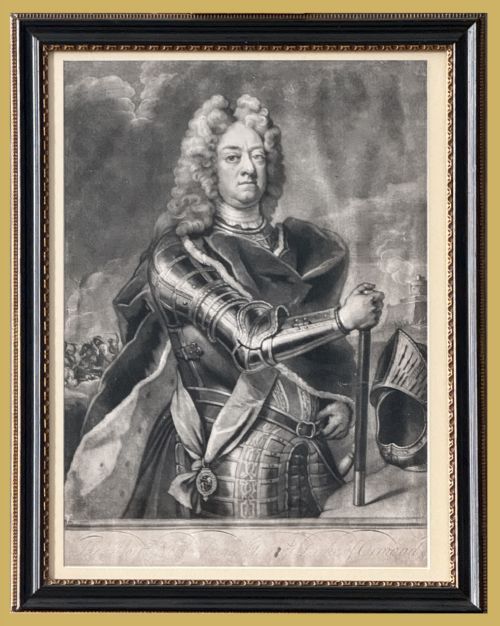
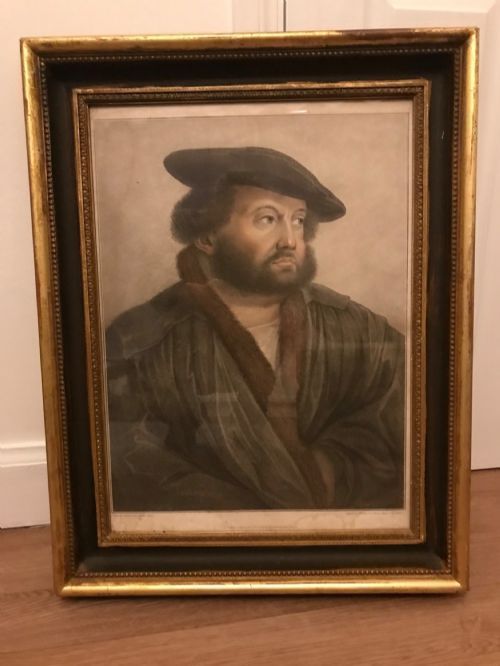
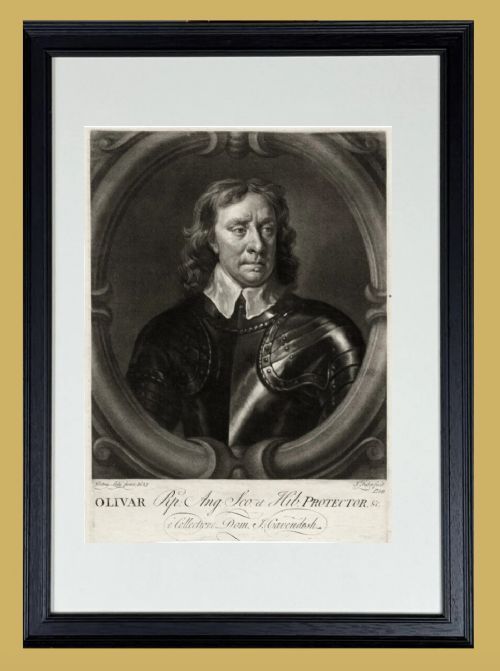
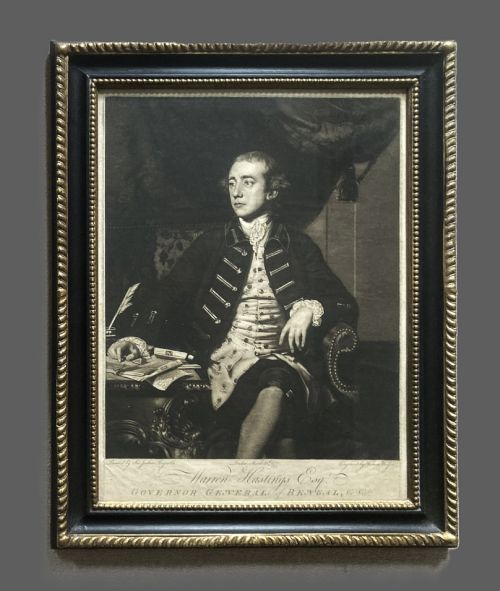
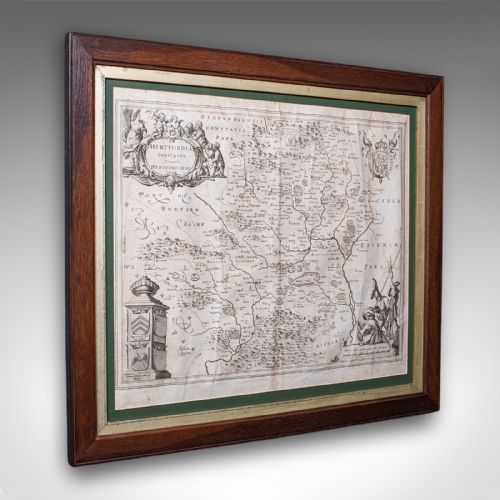
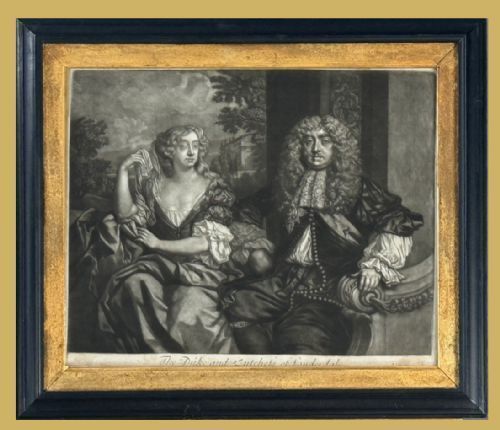
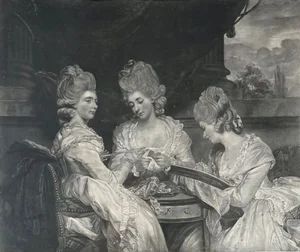
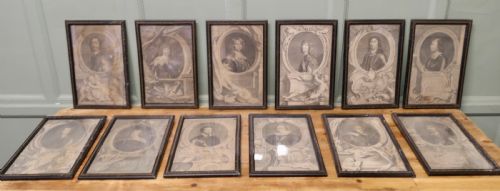
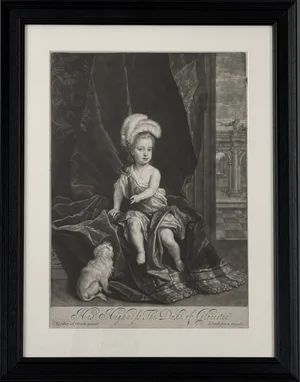
The selections on this page are most frequently encountered as framed prints, engravings, and maps. Buyers frequently find framed county maps by makers such as Robert Morden alongside mezzotint portraits after painters like Sir Peter Lely.
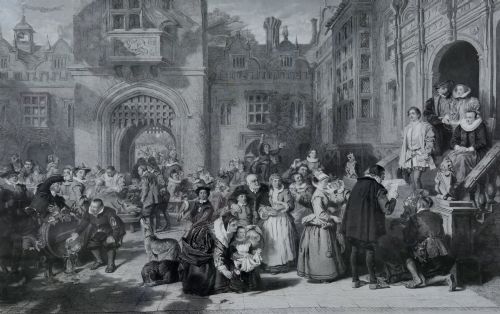
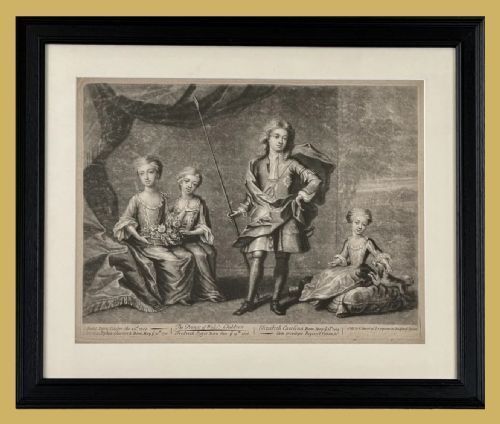
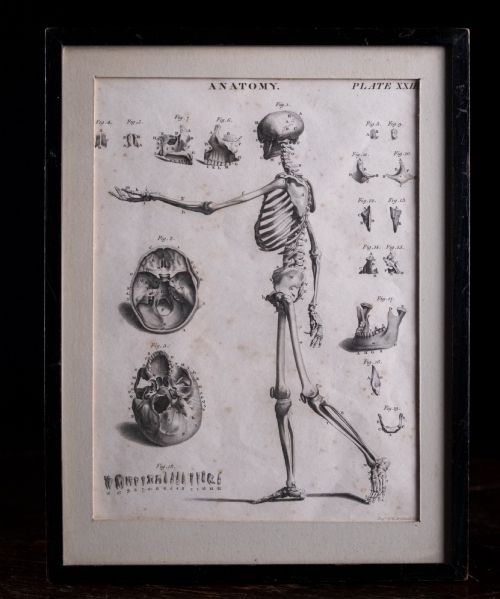
Subjects range widely across historical periods, including anatomical illustrations, military portraits, and political allegories. A buyer may select a seventeenth-century Dutch map of Bohemia or a set of eighteenth-century copperplate engravings depicting Georgian life.
Materials and Techniques
These works rely fundamentally upon paper as the primary support, combined with ink applied through various printmaking methods. Artisans utilised copperplate engraving, stipple engraving, mezzotint, and wood engraving to transfer intricate lines and tonal gradations onto the sheet.
Many surviving examples incorporate supplementary media such as watercolour and wash applied by hand over the printed lines. Gold leaf and gilt details occasionally appear on frames and embellishments associated with the artwork.
Framing materials recorded in the evidence include wood, glass, and giltwood. Original frames, such as those housing Hogarth prints or French engravings, frequently utilise period wooden mouldings to protect the delicate paper within.
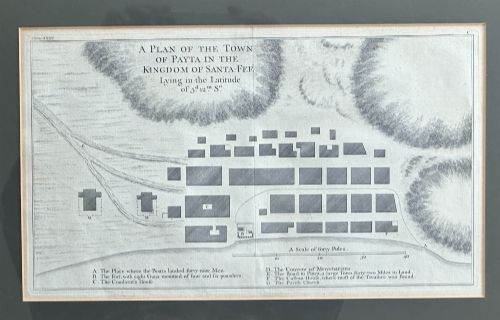
Several eighteenth-century maps chart the globe while mariners were still charting the around-the-world voyages of Lord George Anson.
Quality and Preservation
Quality in these works rests upon the clarity of the impression and the precision of the ink transfer from the plate. Early strikes from copperplates yield crisp, deep lines, whereas worn plates produce blurred or faint details across the paper.
The survival of original framing and hand-coloured pigments elevates the integrity of a piece. Works retaining their contemporary Hogarth frames or original hand-applied watercolour washes present a more complete historical artefact.
The condition of the paper itself dictates desirability, influenced by age, storage environment, and exposure to light. Strong margins and minimal foxing separate superior surviving sheets from heavily degraded examples.
John Simon·Francesco Bartolozzi·John Smith·Joseph Sympson·Thomas Watson·Robert Williams·Valentine Green·Richard Houston·Jacobus Houbraken·Étienne Baudet·Thomas Jefferys·Robert Morden·Johannes Janssonius·John Speed
The Historical Paper Print Glossary
- Mezzotint
- A printmaking process of the intaglio family where the plate is roughened uniformly to produce rich dark tones and subtle gradations of light. This technique was widely utilised for eighteenth-century portraits.
- Copperplate engraving
- A method where an image is cut directly into a copper sheet with a burin, allowing the incised lines to hold ink for printing. It produces sharp, precise lines characteristic of early maps and book illustrations.
- Cartography
- The study and practice of making maps, represented here by antique county maps and world plans. Early examples frequently include decorative cartouches and hand-tinted borders.
- Stipple engraving
- A technique that uses dots of varying density rather than continuous lines to create tonal depth and soft contours. This method was favoured for delicate portraiture.
- Allegorical print
- An artwork conveying symbolic meaning through human figures and objects to communicate moral or political commentary. Eighteenth-century examples frequently satirise contemporary events or social behaviour.
Historical Paper Print: Frequently Asked Questions
What is a mezzotint portrait?
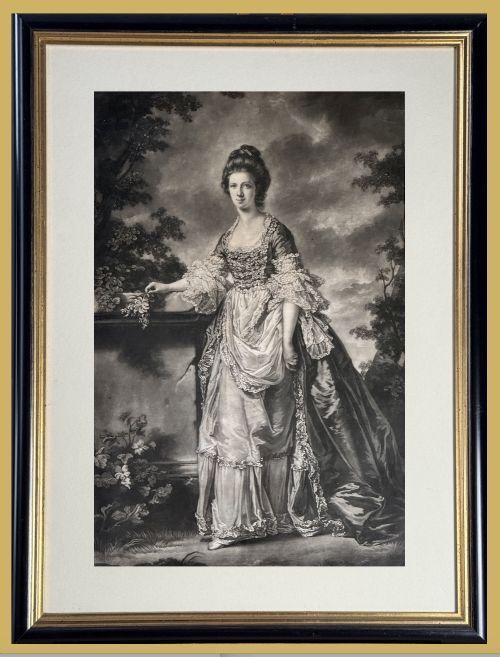
A mezzotint is an intaglio printmaking technique where the copper plate is roughened to hold ink, producing deep shadows and smooth tonal transitions. This method was frequently employed during the seventeenth and eighteenth centuries to reproduce oil paintings of notable figures.
In the listings, you will find many mezzotints depicting nobility, military commanders, and literary figures after painters such as Sir Peter Lely and Sir Joshua Reynolds.
How do I identify antique maps?
Antique maps are identified by their engraved cartography, paper stock, and characteristic publisher or cartographer details within the margins. Pieces on this page include works by noted cartographers like Robert Morden and Johannes Janssonius.
Examining the paper type, plate marks, and geographical place names helps determine whether a map dates from the seventeenth, eighteenth, or nineteenth century.
Are these prints original or reproductions?
The pieces available are original period printings executed during the active dates of the engravers and publishers. Many date from the seventeenth through to the nineteenth centuries, utilising historical techniques such as copperplate and wood engraving.
Evidence of age includes plate impressions in the paper, period watermarks, and contemporary framing materials that match the era of production.
How should I display antique paper prints?
Antique paper prints should be displayed away from direct sunlight to prevent the fading of ink and watercolour pigments. Maintaining stable indoor humidity levels protects both the delicate paper support and the historical frame.
Many pieces arrive in period frames, such as original Hogarth mouldings, which should be preserved carefully to maintain the integrity of the artwork.