


Antique Framed Engraving
An antique framed engraving brings the sharp linear detail of centuries past straight to your wall, ready to hang.
What these pieces are
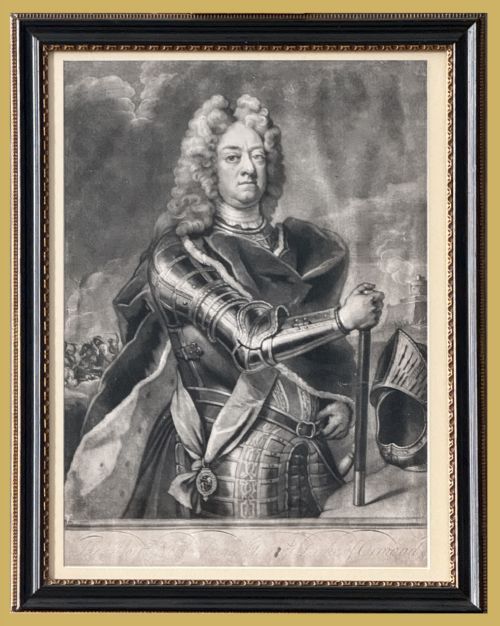
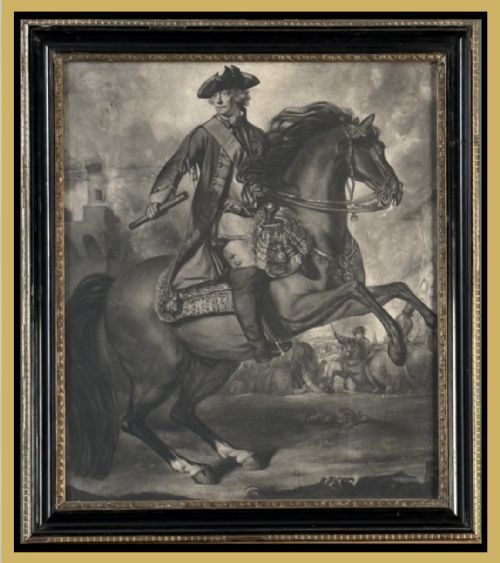
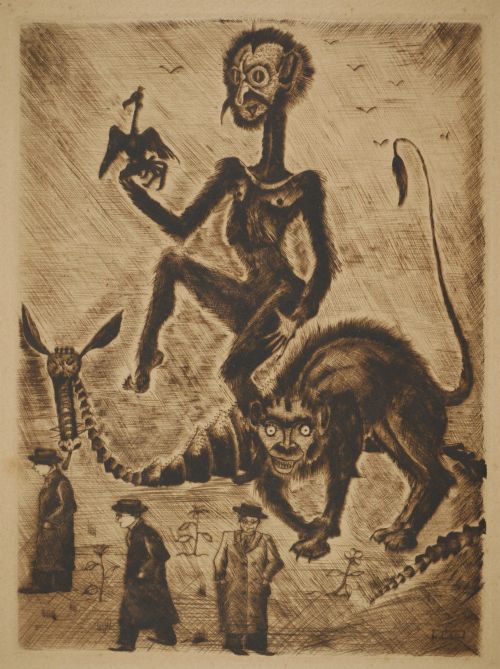
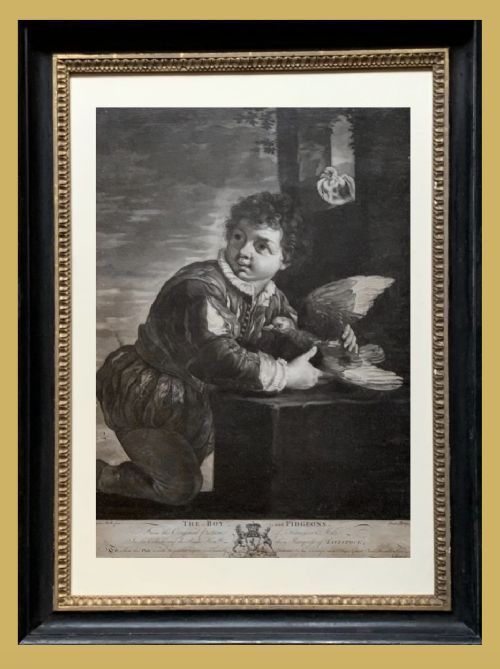
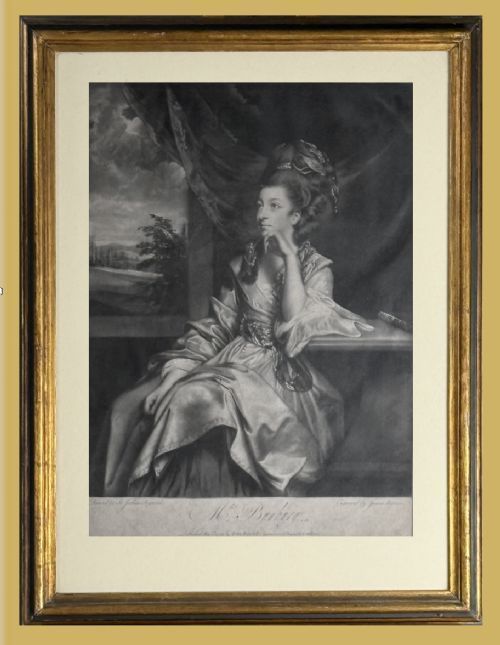
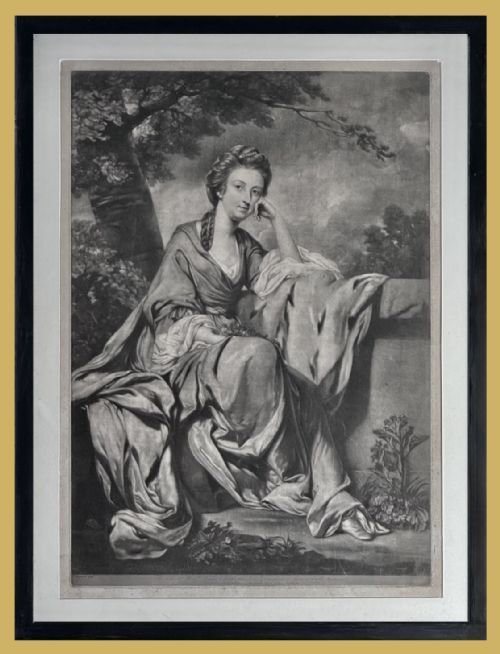
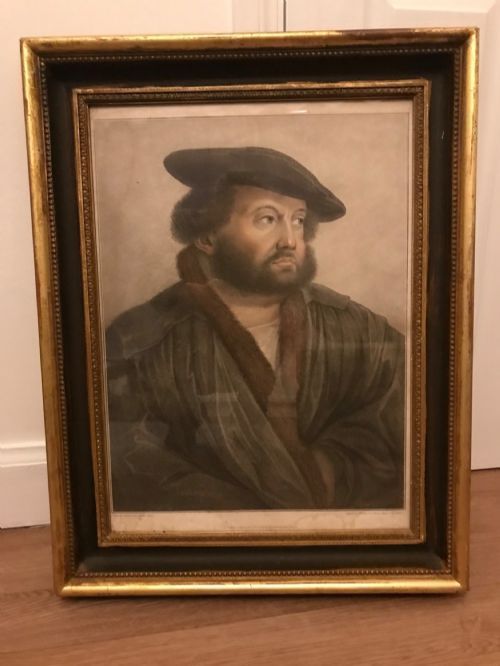
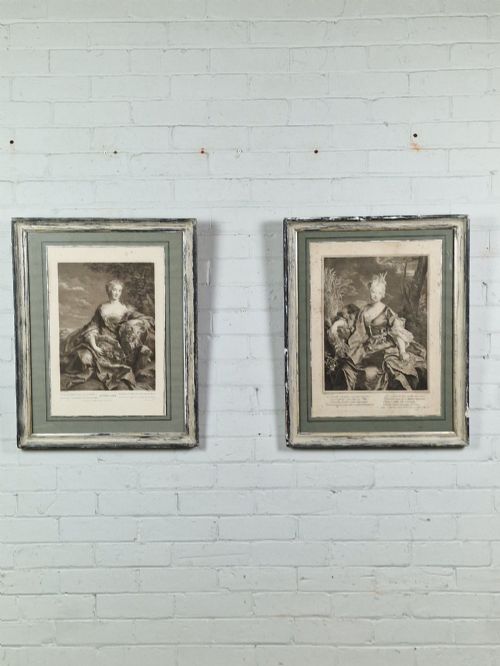
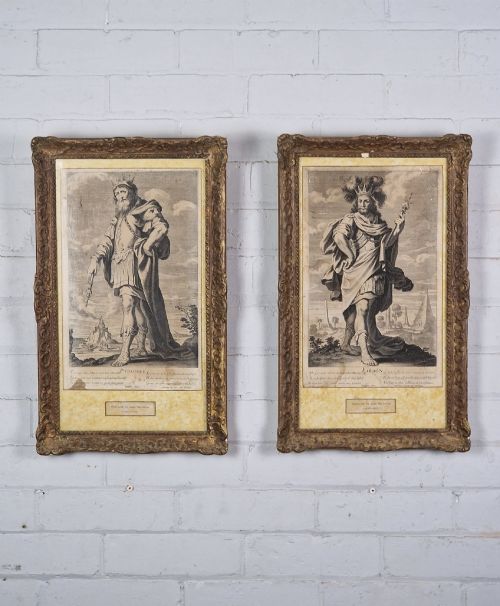
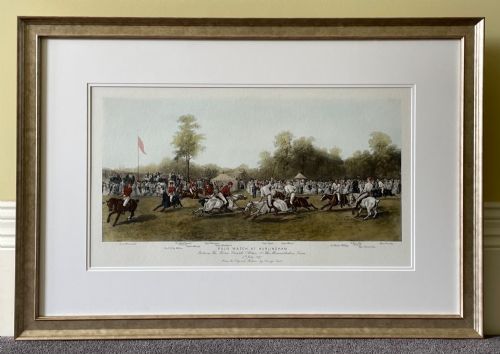
An antique framed engraving is a work on paper preserved behind glass within a period wooden or gilded surround. The current selection includes an eighteenth-hundreds gilt framed print of the Pygmalion myth and a large Victorian coloured etching.
Earlier archive pieces range from hand-coloured architectural views of Eton College and character studies of a harlequin to miniature portraits of historical figures like Newton, Milton and Garrick. Collectors also encounter Dutch Golden Age master portraits by Petrus Johannes Arendzen and triptych mount arrangements depicting the Battle of Waterloo with Napoleon and the Duke of Wellington.
These works bridge graphic art and interior decoration, capturing mythological narratives, military history and portraiture within robust original frames.
How they were made
Image creation relies on paper as the primary support, bearing printed lines or hand-applied watercolour washes that enrich subjects such as the Eton College view or the harlequin figure. Etchings and engravings utilise metal plates to transfer fine, precise marks onto the sheet.
Framing materials recorded in the evidence combine wood and glass with decorative finishes including gold leaf and ebonised wood. These housings protect the fragile paper surface while complementing the aesthetic of the Neoclassical and Victorian periods.
Miniature historical portraits of Newton, Milton and Garrick prove that profound intellect sometimes comes in diminutive frames.
What varies in quality
Quality depends upon the clarity of the printed line and the precision of any hand-applied colour, distinguishing master-level portraiture from simpler decorative prints. Preservation of the paper surface beneath the glass plays a major role in the standing of each piece.
The sophistication of the housing alters the overall distinction, moving from plain timber mouldings to intricate gold leaf or ebonised wood frames. Multi-plate presentations like triptych mounts and signed works by named printmakers command greater attention.
William Tombleson·Petrus Johannes Arendzen
The Antique Framed Engraving Glossary
- Engraving
- A printmaking technique where an artist cuts lines directly into a metal plate with a sharp tool called a burin. This process creates crisp, permanent marks that transfer onto paper under heavy press pressure.
- Etching
- A method where acid bites into metal plate areas exposed through a protective ground layer. The resulting lines hold ink for transfer during printing.
- Gilt
- A thin layer of gold leaf applied to wooden frames to create a brilliant metallic surface. It reflects light and elevates the decorative presence of the wall art.
- Ebonised
- Wood treated with a chemical stain or finish to imitate dark, dense ebony. This dark border offers a stark contrast against light paper margins.
- Triptych
- A piece divided into three distinct sections or panels mounted together. The Battle of Waterloo set utilises this format to present multiple related historical scenes.
Frequently Asked Questions
Are all these framed engravings hand coloured?
Colouring varies across the examples, with some pieces featuring delicate hand-applied watercolours while others rely entirely on monochrome ink lines.
Makers often added pigment by hand to enhance architectural views or character studies such as the harlequin.
How do I hang a heavy antique frame safely?
Ensure your wall fixings match the weight of the timber and glass assembly, utilising sturdy picture wire secured firmly to the frame back.
Avoid positioning these paper works in direct sunlight to protect the ink and any added colour from fading.
What is the difference between an etching and an engraving?
Engravings rely on direct physical force with a burin to cut lines into metal, producing clean and uniform strokes.
Etchings utilise acid to bite the lines into the plate, which often yields a freer, more fluid drawn quality.
Can I remove the print from the original frame?
Historic frames and their contents often form an integrated historical unit that collectors prefer to keep intact.
Opening the seal can expose fragile paper to modern pollutants and disrupt the protective environment established over centuries.