





Georgian Style Engraving
Georgian style engraving works bring the elegance of the eighteenth century into modern rooms through prints and framed wall art.
Georgian Style Engraving
When searching for Georgian style engraving, collectors encounter framed prints, wall art, and specific works executed in historical manners. These items range from genuine eighteenth century pieces to later revivals produced during the Victorian, Edwardian, and George V periods.
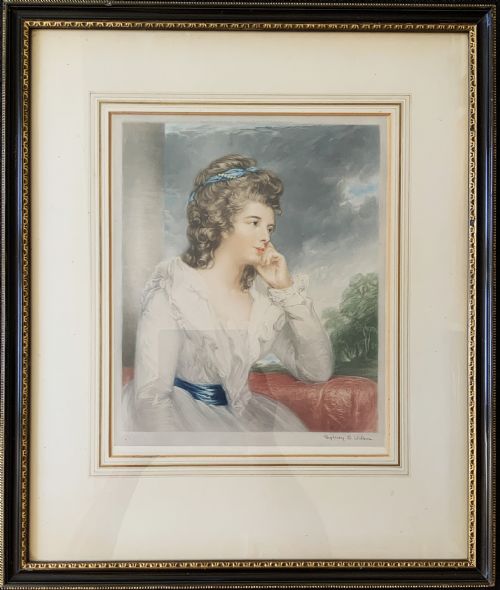
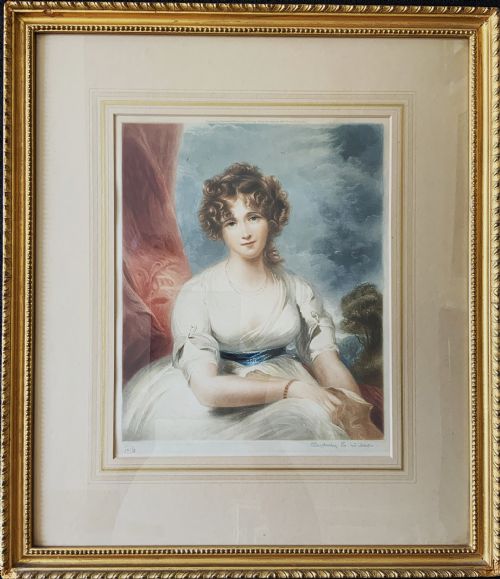
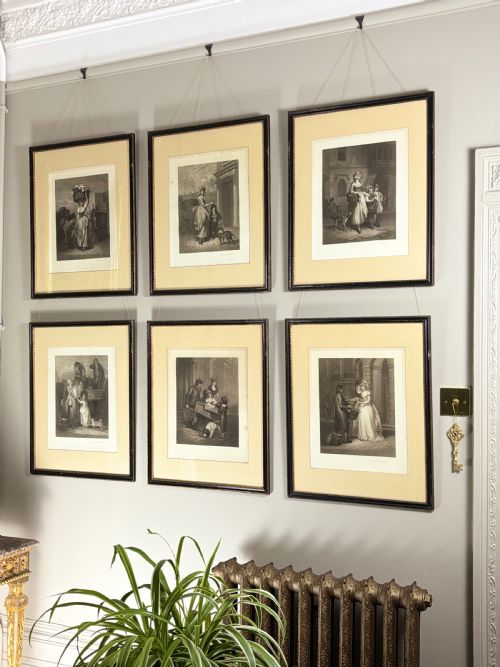
The objects on this page typically manifest as framed prints and engravings depicting portraits, classical subjects, or historic London street scenes. Many examples utilise hand colouring or mezzotint techniques to achieve rich tonal depth.
Buyers frequently find that these works capture the aesthetic principles of the Georgian era even when manufactured in subsequent decades like 1910 or 1920. The predominant forms stay true to traditional wall art formats suited for period interiors.
Materials and Techniques
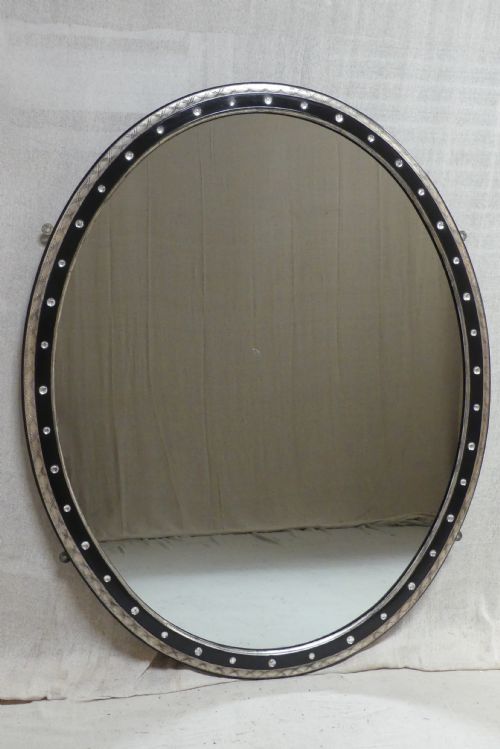
The physical construction of these pieces relies heavily on quality paper housed within wood, gilt wood, or giltwood frames. Artisans applied specialised printing techniques such as mezzotint and etching to create detailed imagery.
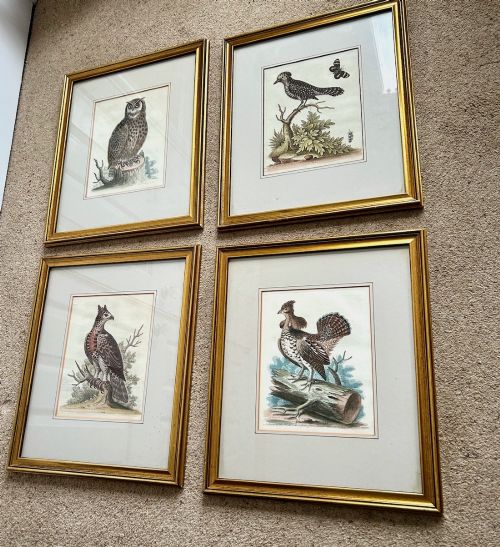
Many historical prints feature supplementary hand colouring applied directly over the ink lines to enhance visual warmth. Frames often incorporate gold leaf or brass elements that reflect the decorative standards of the period.
A charming glimpse into historical street life emerges through coloured Cries of London prints.
Judging Quality and Execution
The framing material contributes significantly to the overall merit of the piece. Hand-carved gilt wood and period appropriate frames elevate the presentation compared to plain modern alternatives.
Sydney Wilson·Thomas G Appleton·George Edwards·George Romney·Thomas Rowlandson
The Georgian Style Engraving Glossary
- Mezzotint
- A printmaking process where the copper plate is roughened to achieve dark tones and rich contrasts. This technique allows for subtle gradations of light and shade.
- Hand-coloured
- A print that has received pigment by hand after the initial impression was pulled. This adds individual character and colour variation to each sheet.
- Artist proof
- An impression of a print taken before the final edition is made, typically retained by the creator. These often hold higher value due to their early state.
- Giltwood
- Wood that has been treated with gold leaf or a gold-coloured finish for decorative effect. It frames many traditional artworks with a bright metallic sheen.
- Neoclassical
- A style inspired by the classical art and architecture of ancient Greece and Rome. It frequently appears in the decorative motifs surrounding these prints.
Georgian Style Engraving: Frequently Asked Questions
What is a mezzotint engraving?
A mezzotint is a print created by roughening a metal plate to hold ink, producing soft shadows and smooth tonal transitions.
This method distinguishes itself from standard line engraving through its velvety dark areas.
How do I date an antique engraving?
Dating relies on the paper quality, the printing technique, and the style of the framing materials.
Signatures, publisher imprints, and watermarks in the paper also provide specific clues to the era of production.
Are these prints hand coloured?
Many examples feature watercolor applied by hand over the printed black lines to add realistic hues.
This traditional finishing touch creates subtle variations between identical print runs.
How should I hang framed wall art?
Wall art should hang at eye level away from direct sunlight to protect the paper and ink from fading.
Stable indoor humidity prevents warping in the wooden and giltwood frames.