






Sepia Toned Print
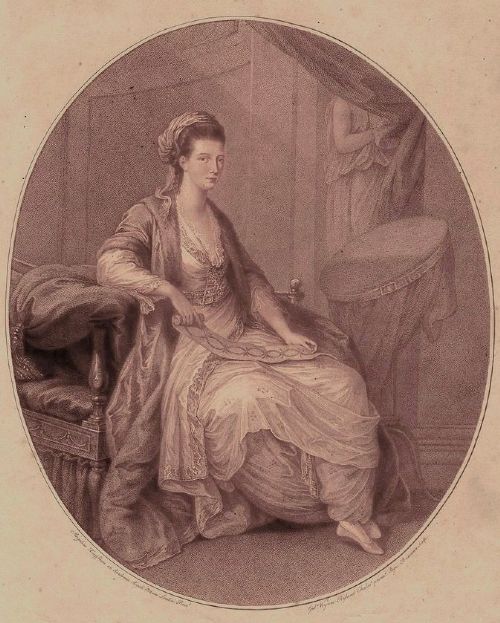
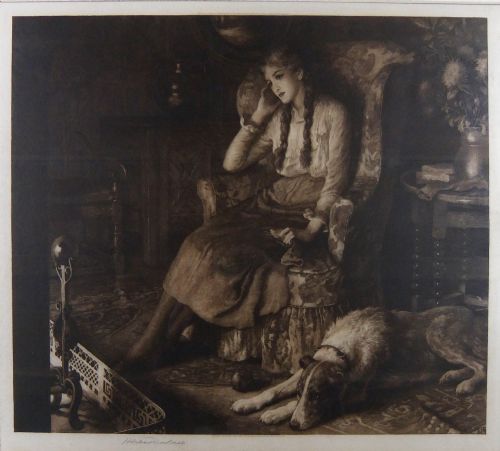
A sepia toned print brings warm monochrome depth to a wall, capturing subjects from classical portraits to rural scenes.
Sepia Toned Print
A sepia toned print encompasses works spanning from the eighteenth century to the mid twentieth century, crossing Georgian, Victorian, and Edwardian periods. Buyers searching this phrase encounter wall art, framed art prints, portraits, and etchings.
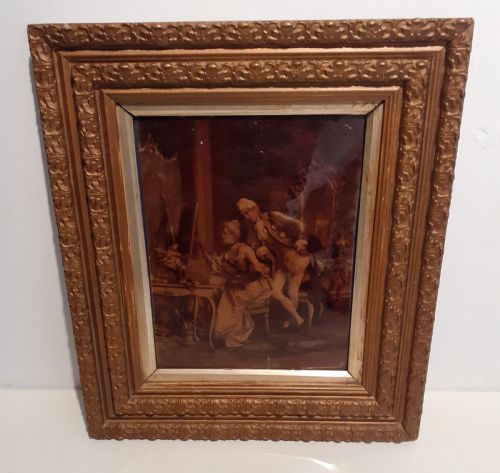
The selections range from eighteenth century portrait engravings and reverse glass mezzotints to early twentieth century etchings and lithographs. Forms include framed artwork and original prints mounted behind glass in wood or giltwood frames.
Materials and construction
Works are executed on paper using ink, monochrome ink with watercolour, or photographic processes. Frames utilise wood, gesso, and gold leaf or giltwood finishes.
Protection comes from glass glazing fitted over paper artwork, often secured within period mouldings from the Georgian, Victorian, and Edwardian eras.
Sepia Toned Print Retail Price Guide 2026
Typical asking prices for sepia toned print among the pieces listed under this phrase on Sellingantiques today, from the lower quarter to the upper quarter. They describe what is for sale here now, not the wider market.
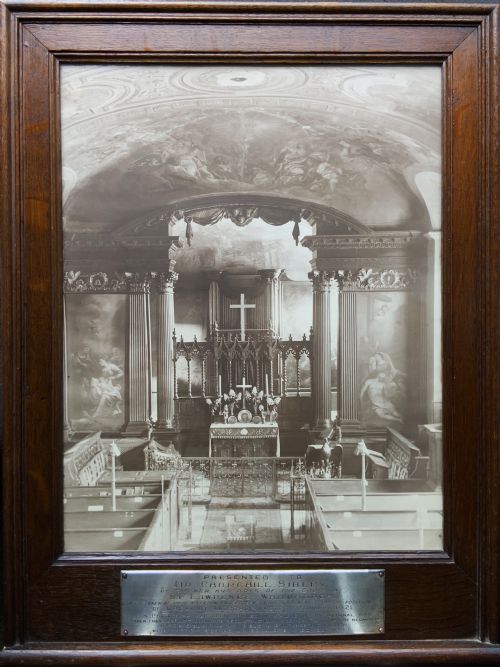
One historical photographic print in the selection originates directly from the oak timber of a church altar.
Assessing quality
Distinction lies in the clarity of the printed line and the depth of the monochrome or sepia tonality across the paper surface. Finer examples retain crisp details in portraiture and landscape elements without fading.
The integrity of the framing materials, such as original giltwood, gesso, and glass, contributes significantly to the overall character and preservation of the piece.
Herbert Dicksee·Sir William Nicholson·Claude Lorrain·John Boydell·Snaffles·Sir Muirhead Bone·Deidre Borlase
The Sepia Toned Print Glossary
- Etching
- A printmaking technique where lines are incised into a metal plate with acid before ink is applied and transferred to paper. This method allows for fine detail and varied tonal depth.
- Mezzotint
- A printmaking process of the intaglio family where the plate is roughened to achieve rich dark tones and subtle gradations. Reverse glass variations apply the image directly beneath glass.
- Lithograph
- A planographic printing method using a stone or metal plate on which the image area is receptive to ink. It produces accurate reproductions of original drawings.
- Giltwood
- Wood carved and coated with gold leaf or a gold-coloured finish for decorative frames. This material appears frequently on period wall art.
- Crystoleum
- A method of applying a hand-coloured photograph or print to the inside of concave glass and dissolving the paper backing. The image is then painted further by hand from behind.
Sepia Toned Print: Frequently Asked Questions
What periods do these prints cover?
The listings span from the eighteenth century through the Georgian, Victorian, and Edwardian eras, extending into the early twentieth century.
Pieces reflect the printing technologies and artistic styles popular during these specific historical periods.
How should I hang them?
Ensure they are placed away from direct sunlight to protect the paper and ink from fading over time.
Consider the weight of the wood and giltwood frames when selecting wall fixings.
Are the frames original?
Many pieces retain their period frames constructed from wood, gesso, and giltwood, often protected behind glass.
Examining the backing and moulding helps determine the age relationship between the artwork and its housing.
What subjects are depicted?
Subjects range from formal portraits and architectural studies to British sporting art and historical scenes.
Works include depictions of colleges, family groups, and rural landscapes.