

Vintage Wall Art Painting
Vintage wall art painting brings together diverse canvases and watercolours spanning centuries of domestic display.
Vintage Wall Art Painting
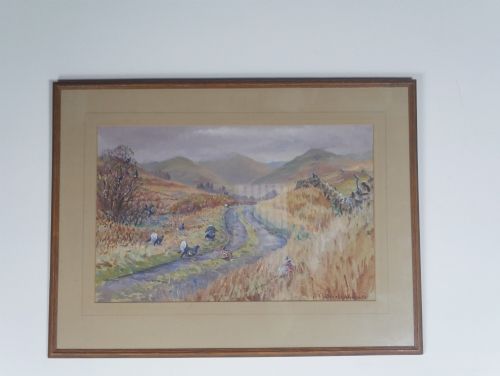
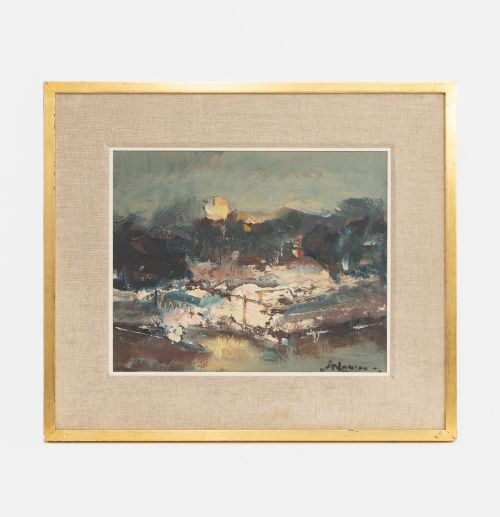
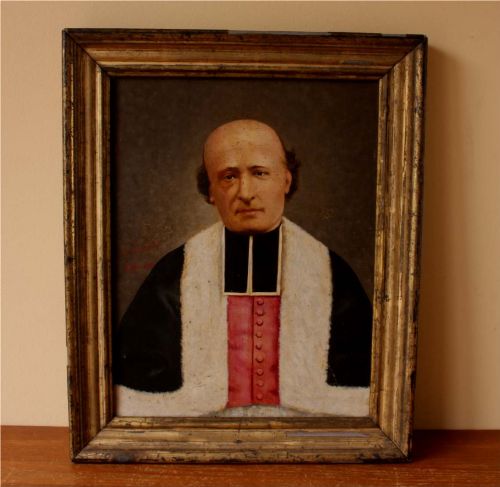
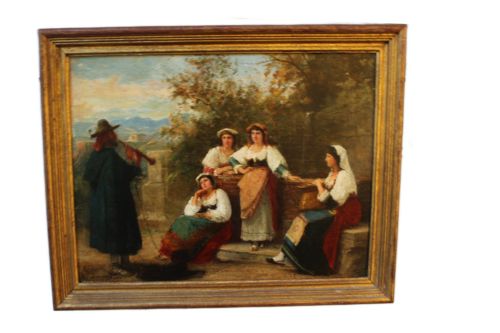
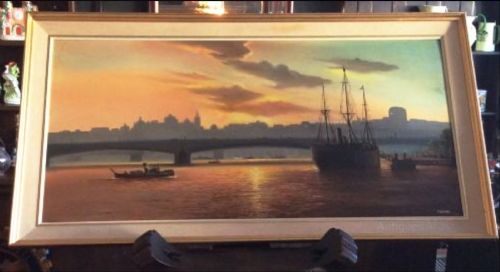
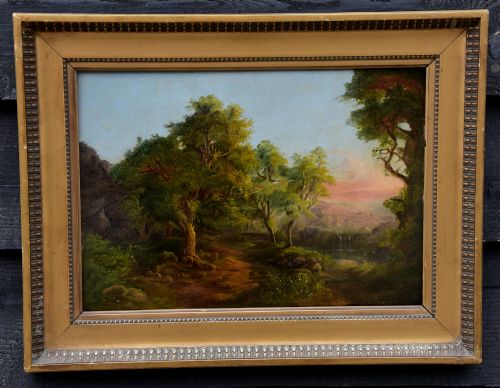
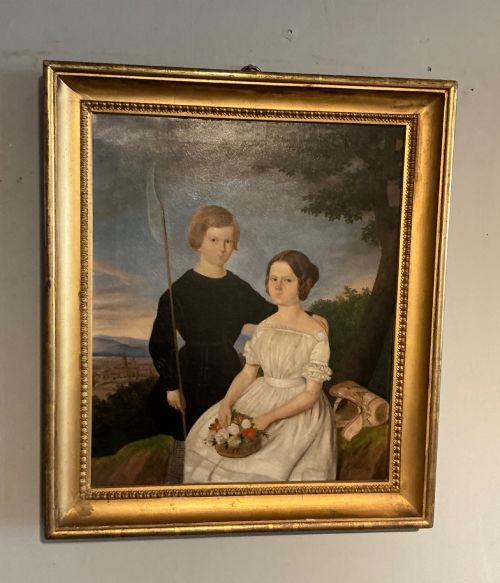
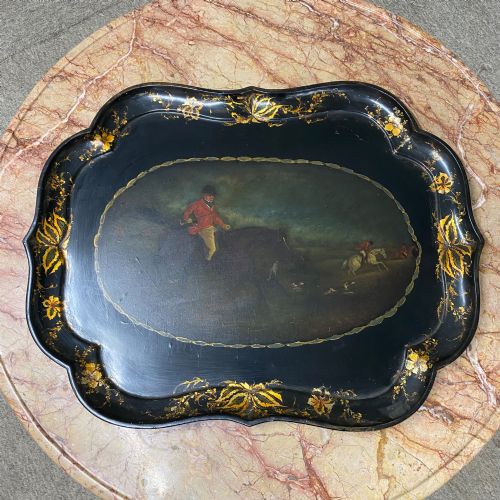
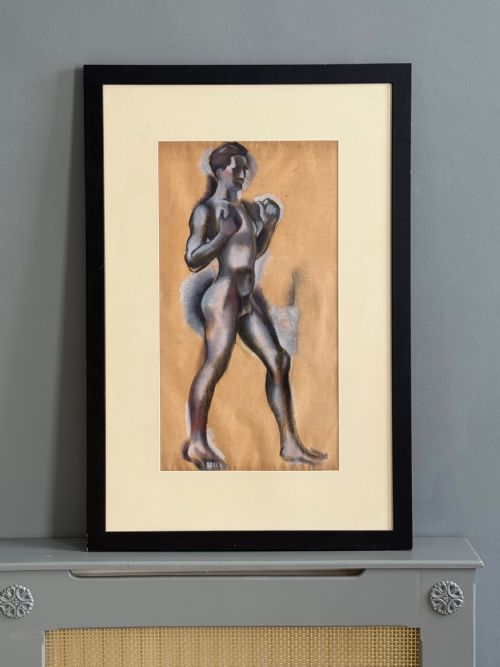
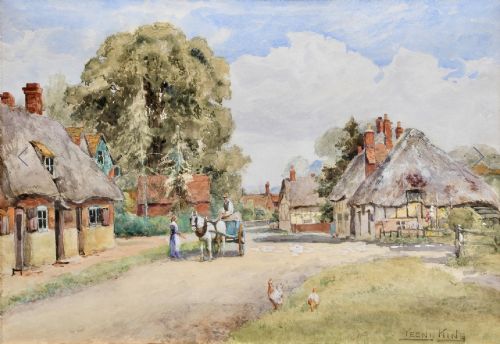
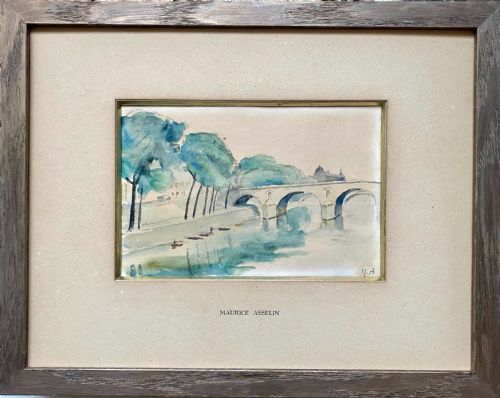
When searching for vintage wall art painting, buyers encounter a broad selection of framed works created across the nineteenth and twentieth centuries. The offerings range from small oil portraits and coastal landscapes to watercolours and still life compositions.
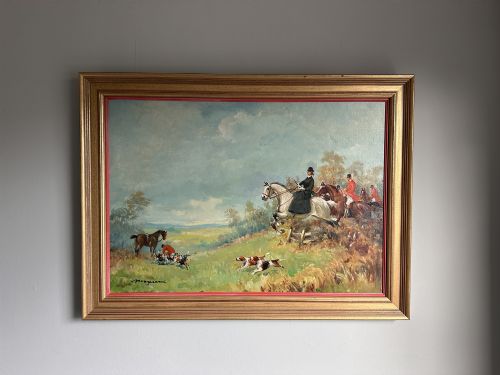
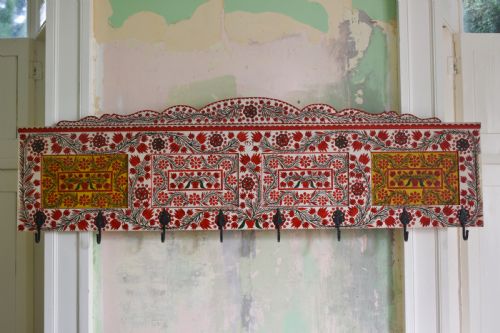
Most pieces on this page originate from British and European traditions, though examples extend to Balinese textiles and Chinese pith paintings. These works capture subjects as varied as equine portraits, maritime scenes, and floral studies.
Framed artwork appears in various mediums, including oil on canvas, board, and panel, alongside gouache and tempera. The selection reflects the decorative tastes of the Victorian, Edwardian, and mid-century periods.
Materials and techniques
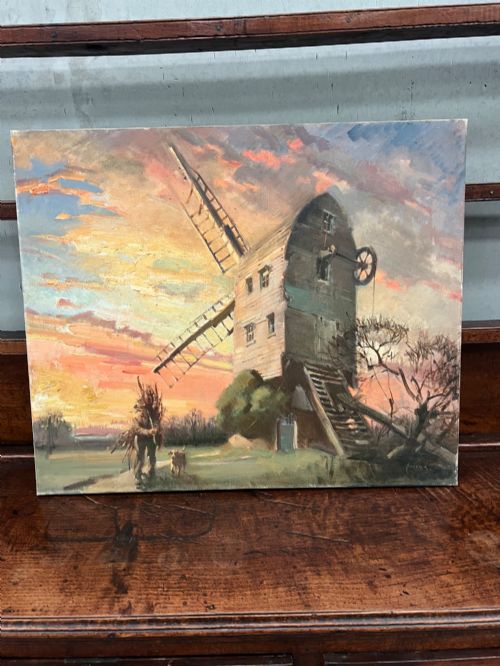
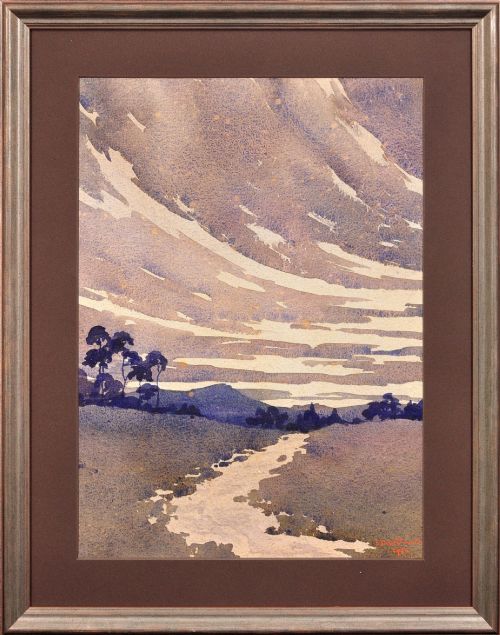
Artists relied primarily on oil paint applied to canvas, wood panels, or board, often building texture through impasto strokes. Watercolours and gouache on paper or textile also feature prominently across the collection.
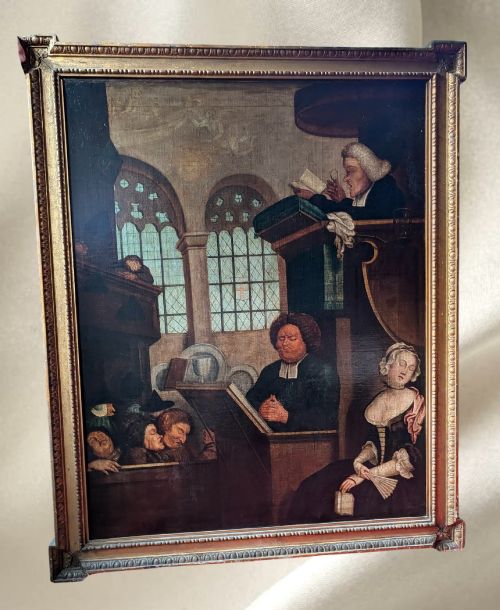
Many works are housed in their original wooden frames, some enhanced with gilt or gesso moulding that complements the period of the painting. Support materials range from traditional linen canvas to pith and vinyl canvas.
Vintage Wall Art Painting Retail Price Guide 2026
Typical asking prices for vintage wall art painting among the pieces listed under this phrase on Sellingantiques today, from the lower quarter to the upper quarter. They describe what is for sale here now, not the wider market.
Distinctions in quality
The distinction between standard decorative pieces and finer works rests on the confidence of the brushwork and the handling of light and subject. Signed works by documented artists command closer attention than anonymous student studies.
Condition of the pigment and the structural stability of the canvas or panel influence the merit of each piece. Original framing that suits the period adds cohesion to the artwork.
Henry Barraud·Irene Christobelle Pownoll Williams·Kenneth Cozens·John Hayls·Tom Campbell·John Hassall·Eugène-Louis Gillot
The Vintage Wall Art Painting Glossary
- Impasto
- Paint applied thickly to a canvas or board so that it stands out from the surface. This technique adds tactile depth and catches light across the brushstrokes.
- Gouache
- An opaque water-based paint that dries to a matte finish. It allows for vibrant colour blocks and precise detail on paper or textile supports.
- Tempera
- A permanent, fast-drying painting medium consisting of coloured pigment mixed with a water-soluble binder. It produces a durable surface often executed on wooden panels.
- Pith painting
- Artworks created on thin slices of plant pith. These delicate items originate from nineteenth-century China and display fine figural details.
- Gesso
- A plaster-like mixture applied to wood or canvas as a base for painting or moulding. Gilt frames often feature ornate gesso decoration.
Vintage Wall Art Painting: Frequently Asked Questions
How do I date a vintage painting?
Dating relies on stylistic clues, the type of canvas or board utilised, and any signatures or inscriptions on the reverse. Framing materials also provide helpful context for the era of creation.
Examining the stretcher bars and nails offers further clues regarding the decade in which the work was assembled.
Can I hang oil paintings in direct sunlight?
Direct sunlight causes pigments to fade and accelerates the degradation of canvas and paper supports. Position paintings away from south-facing windows to preserve the colours.
Consistent indoor temperatures and low humidity further protect older oil and watercolour works from cracking.
Are watercolours harder to maintain than oils?
Watercolours require framing behind glass to protect the paper from moisture and dust. Oil paintings on canvas are more robust but still benefit from stable atmospheric conditions.
Neither medium tolerates damp environments or extreme temperature fluctuations.
What is the difference between an oil and a gouache?
Oils use a slow-drying binder that allows artists to blend colours smoothly over several days. Gouache is a water-based medium that dries quickly with a matte appearance.
Oils are typically painted on canvas or wood, while gouache appears on paper or textile.