
Vintage Floral Artwork
Vintage floral artwork brings botanical studies and still life paintings into interiors, offering lasting colour through canvas, paper, and panel works.
Vintage Floral Artwork
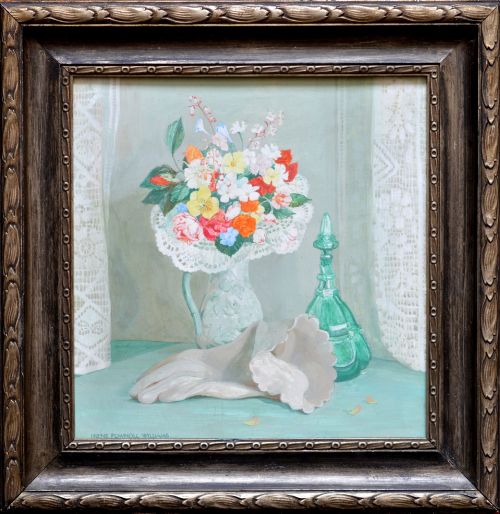
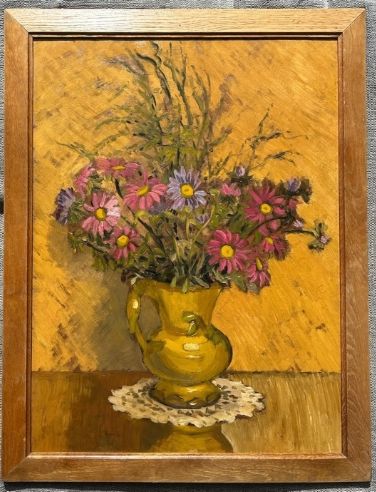
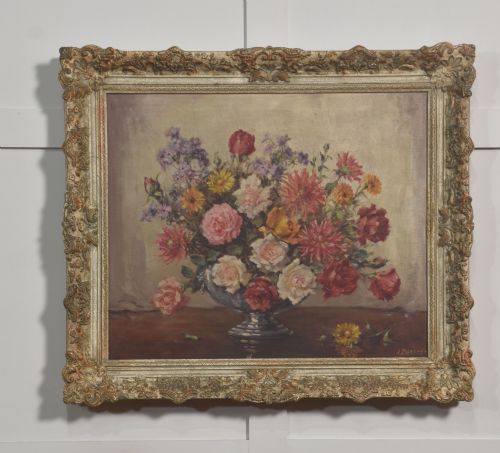
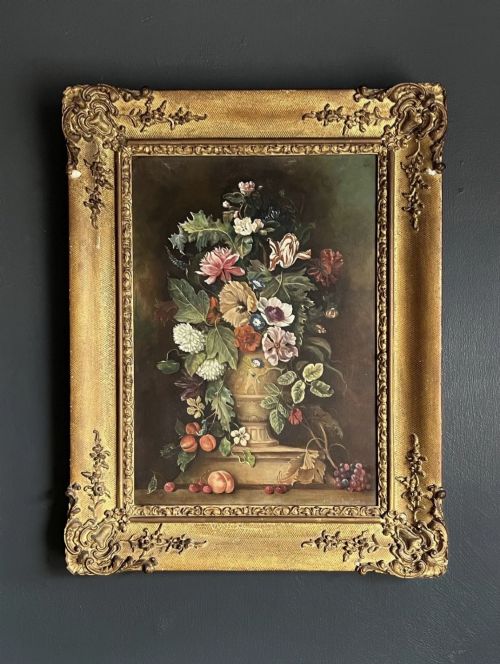
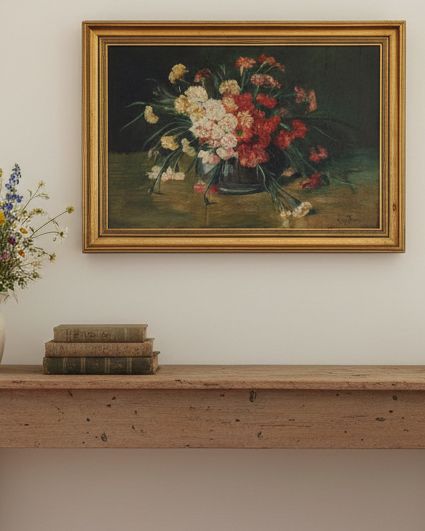
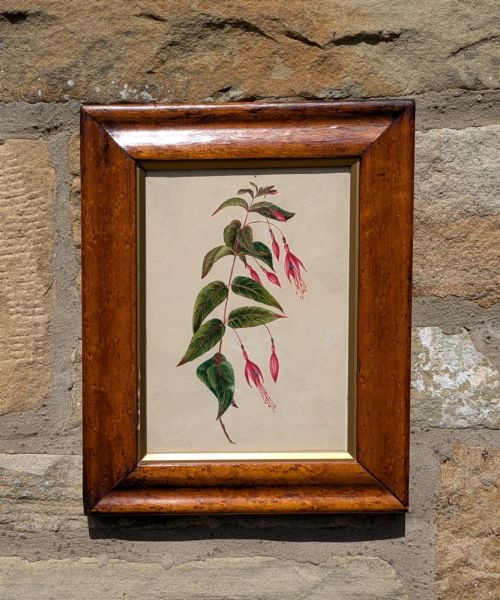
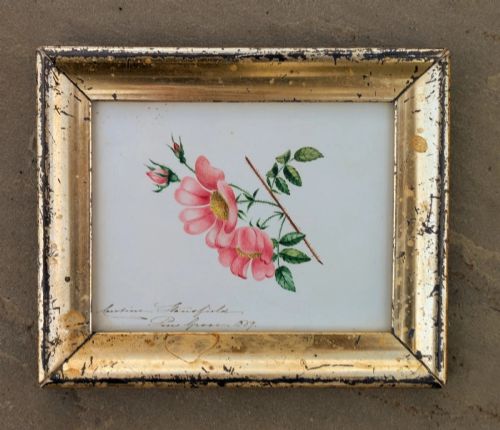
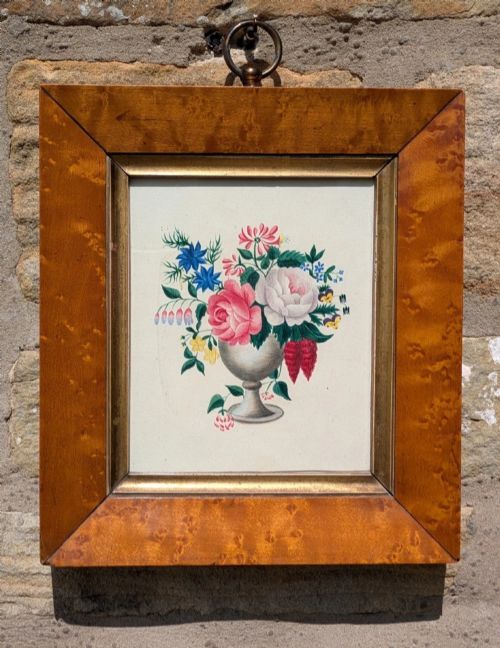
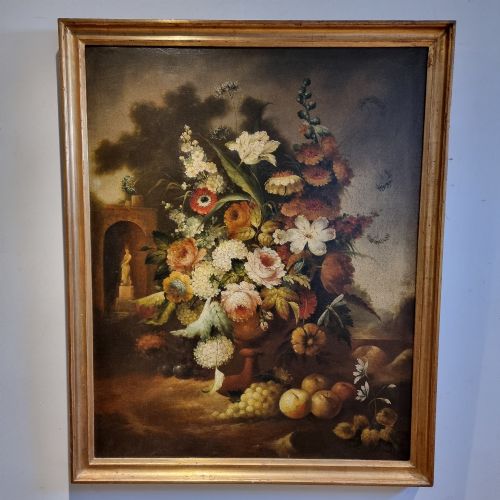
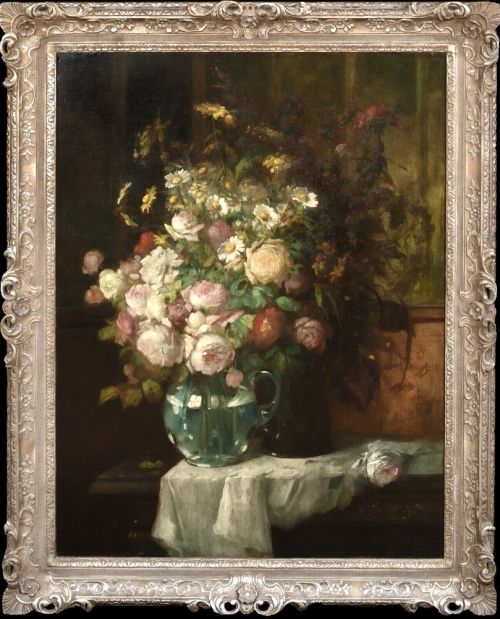
When you search for vintage floral artwork, you encounter compositions depicting botanical studies, vases of roses, and garden scenes across several centuries. The selections span delicate works on paper from the nineteenth century to mid-century oil paintings on board and canvas.
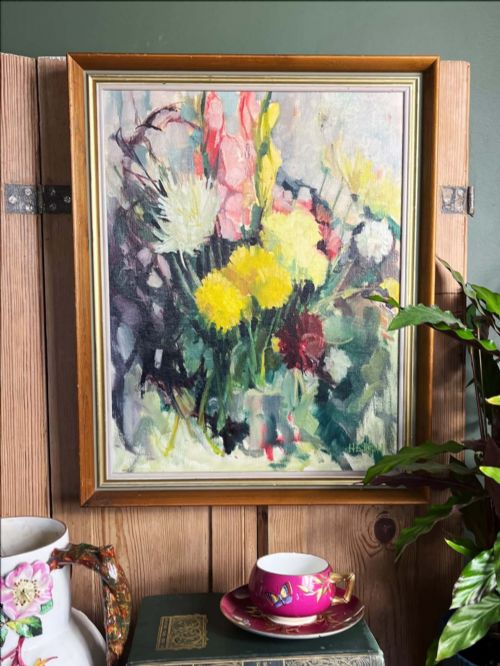
The most common examples on this page date from the twentieth century, particularly the 1930s and 1950s, executed in oil or watercolour. These pieces range from naive studies to accomplished impressionist arrangements housed in period frames.
How They Were Made
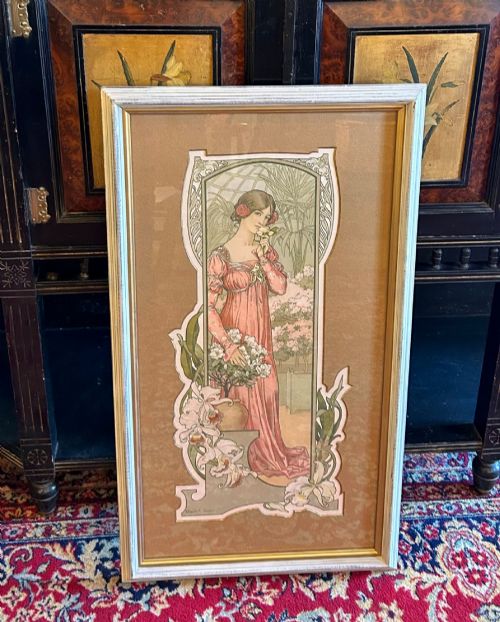
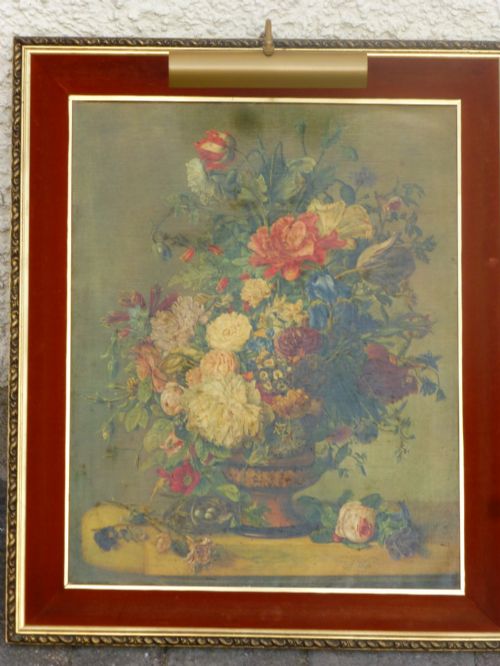
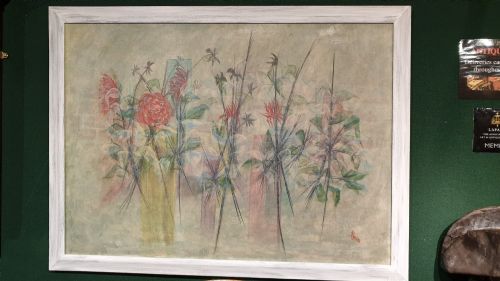
Makers utilised traditional painterly media, applying oil paint and watercolour onto stretched canvas, wood boards, and heavy paper sheets. Many works combine gouache and pencil for botanical precision, while others employ lithographic and oleographic printing techniques to reproduce the original pigment layers.
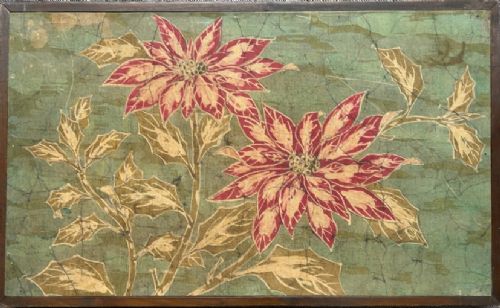
Framing forms an integral part of the physical object, with wood mouldings finished in gilt and gesso framing the painted or printed surface. Textile methods also appear, evidenced by batik panels mounted under glass within wooden frames.
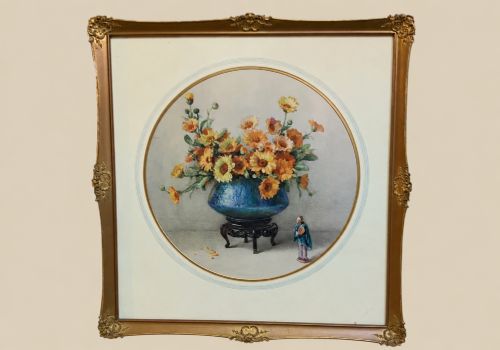
Several floral arrangements share wall space with unexpected companions, including Chinese objects and a bowl of apples.
What Varies in Quality
The distinction between standard and superior pieces rests on the handling of pigment, light, and composition by the artist's hand. Confident brushwork in oil paintings or precise botanical accuracy in watercolours elevates an individual work above mass-produced prints and decorative oleographs.
Preservation of the original surface and the integrity of the surrounding gilt or gesso frame also influence the overall standing of the piece. Works retaining their original signed attributions and stable support materials command greater attention from collectors.
Elisabeth Sonrel·Konstantin Stoitzner·Emma Fordyce MacRae·William Thomas Wood·Victor Simonin·James Tower
The Vintage Floral Artwork Glossary
- Oil paint
- A slow-drying medium consisting of pigments suspended in a drying oil, typically linseed. This technique allows for rich colour saturation and textured impasto application on canvas or board.
- Watercolour
- A paint where the colour pigments are suspended in a water-soluble vehicle, usually applied to paper. It creates luminous, transparent washes ideal for botanical studies.
- Lithograph
- A printmaking process based on the incompatibility of oil and water, executed from a flat stone or metal plate. Artists used this method to multiply detailed floral illustrations.
- Gesso
- A paint mixture consisting of a binder mixed with chalk, gypsum, or pigment, used as a prepared surface on wood. It frequently forms the base for ornate moulded gilt frames.
Vintage Floral Artwork: Frequently Asked Questions
How do I date vintage floral paintings?
Dating relies on stylistic clues, materials such as canvas or board, and framing techniques. Signatures and inscriptions on the reverse often provide specific years or periods.
Comparison with documented works by known artists from the nineteenth and twentieth centuries further clarifies the timeline of production.
Are these works original or printed?
The selection includes both hand-painted originals in oil and watercolour and mechanical reproductions like oleographs and lithographs. Close inspection under magnification reveals brush texture in painted works versus dot patterns in printed items.
Listings specify the exact medium used for each individual piece.
How should I hang and light floral art?
Artwork on paper requires protection from direct sunlight to prevent fading of watercolours and lithographs. Wall placement should avoid damp areas to preserve canvas and wooden panels.
Gentle, indirect lighting highlights the pigment layers without generating excess heat that could damage older frames.
What frames typically accompany these pieces?
Many works retain period framing, including nineteenth-century gilt gesso mouldings and simple wooden borders from the mid-twentieth century. These frames complement the aesthetic of the era in which the artwork was created.
Some pieces are sold framed while others may require conservation or new mounting.