




Signed Watercolour Artwork
A signed watercolour artwork brings the immediacy of the artist's hand directly to the wall through pigment applied to paper or silk.
Signed Watercolour Artwork
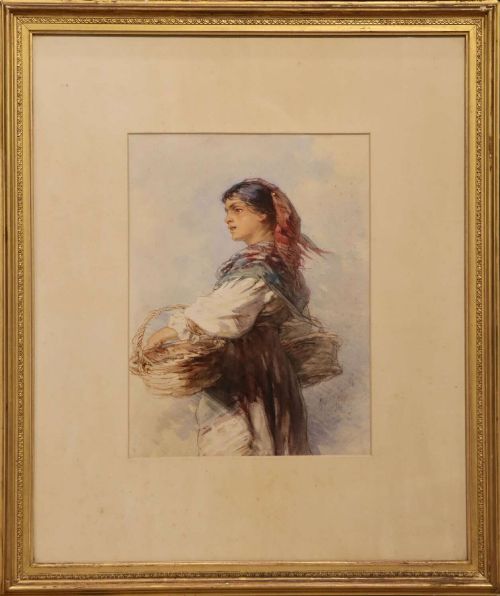
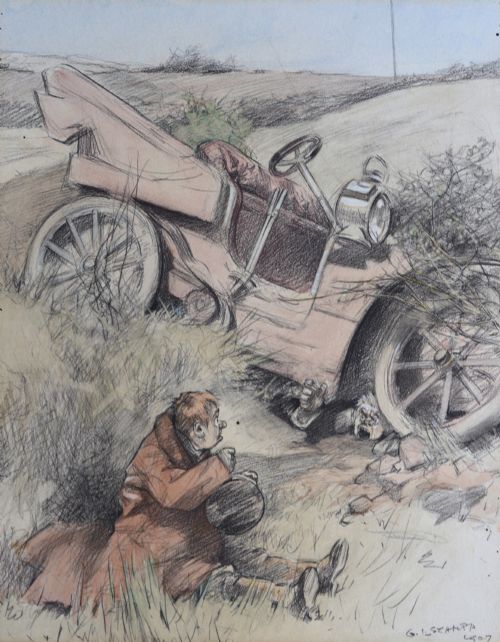
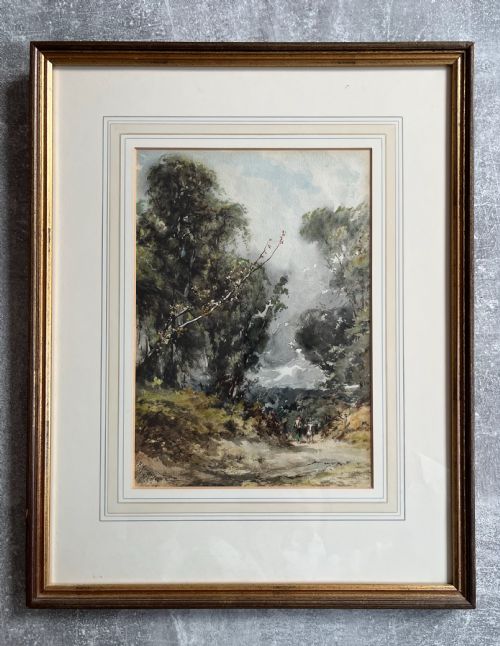
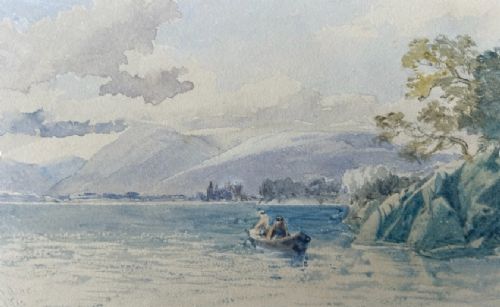
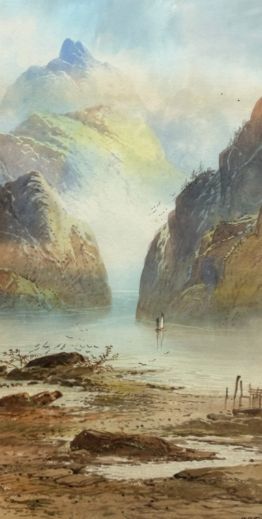
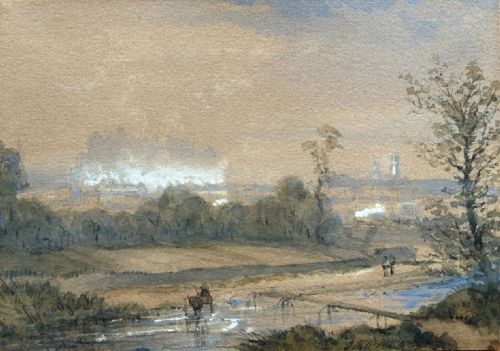
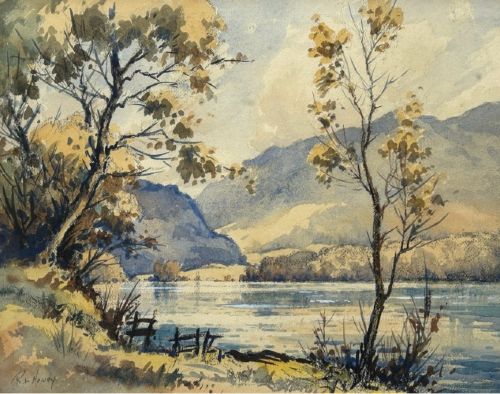
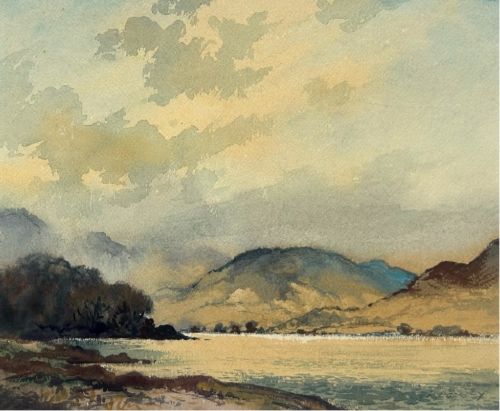
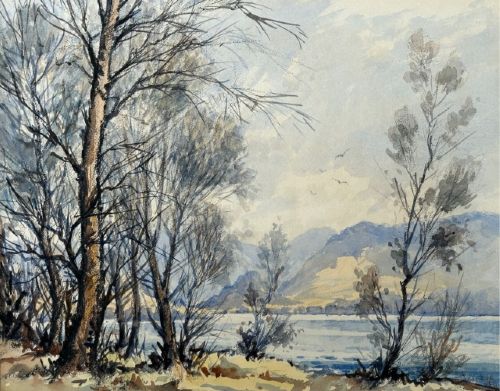
A signed watercolour artwork captures landscapes, seascapes, and portraits created across the nineteenth and twentieth centuries. These pieces reflect British, European, and American traditions ranging from Victorian rural views to mid-century lake scenes.
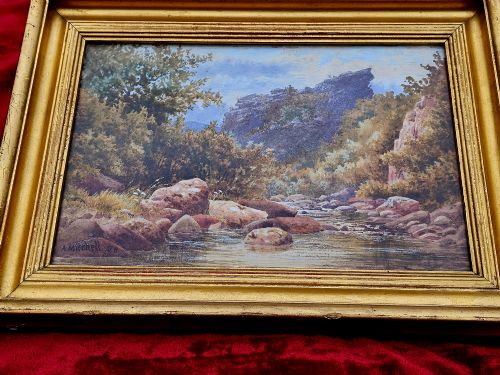
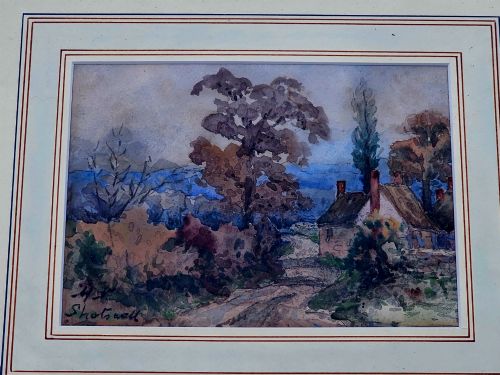
Buyers frequently encounter works bearing legible signatures or monograms from periods such as the Edwardian era and the late nineteenth century. These paintings often arrive in their original wood or glass frames.
The selection encompasses diverse formats including miniature portrait paintings, botanical studies, and large harbour scenes. Each piece demonstrates the fluid capabilities of water-based pigment on a paper or silk ground.
Materials and Technique
Watercolour pigment mixes with water to create translucent washes that artists apply across paper or silk surfaces. Ink is occasionally utilised alongside paint to define sharp outlines and architectural details within the composition.
Paper serves as the primary support, though examples on silk and glass also appear in the archive. These grounds absorb or hold the tinted moisture, requiring steady brushwork since corrections remain difficult to conceal.
Framing materials such as wood and glass protect the delicate painted surface from environmental moisture and handling. Original frames often accompany the artwork, preserving the historical context of the piece.
Keep an eye out for botanical studies of wild roses and garden rudbeckia blooming quietly beside turbulent maritime shipwrecks.
Evaluating Quality
Quality rests upon the artist's ability to control pigment and water to achieve depth, light, and atmosphere. Stronger works display confident brushwork and precise tonal gradation rather than overworked or muddy areas.
The prominence of the maker within artistic circles and the documentation of dates or specific locations elevate a piece. Works exhibited at institutions like the Royal Academy carry distinct archival weight.
Condition plays a central role in valuation, particularly the preservation of paper integrity and pigment vibrancy. Surviving in original frames without excessive fading distinguishes the finest examples.
George Lorain Stampa·George Fotherly Hargitt·Thomas Miles Richardson Jnr·James Orrock·William Henry Earp·John R Prentice·A Marie Parsons·Robert Leslie Howey·William Banks Fortescue·William Joseph Boyes·Vincent Clare·R Hurst·Alfred G Morgan·Russell Sidney Reeves·Robert George Talbot Kelly·F A Roylance·Dame Elisabeth Frink·William Frederick Settle·Harry Wanless·Fred Lawson·Cuthbert Crossley·J Bizo·Basil Nightingale·Thomas Bush Hardy·Mabel Lucie Attwell
The Signed Watercolour Artwork Glossary
- Monogram
- A motif made by overlapping or combining two or more letters to form a single symbol used by an artist instead of a full signature.
- Wash
- A thin, fluid layer of watercolour pigment spread evenly across paper to create transparent areas of colour or sky.
- Support
- The physical material, such as paper, silk, or glass, upon which the watercolour pigment is applied.
- Impressionism
- An art style focused on capturing the visual impression of the moment, particularly shifting light and open-air conditions.
- Provenance
- The documented history of ownership and exhibition that establishes the authenticity and background of an artwork.
Signed Watercolour Artwork: Frequently Asked Questions
How do I identify a signed watercolour?
Look closely near the lower corners of the painted surface for handwritten signatures, initials, or monograms in pencil, ink, or paint. Artists often signed directly onto the paper before framing.
Compare the handwriting style with known examples by the artist if a full name is legible. Monograms require checking against artist indexes from the relevant period.
Where should I hang these watercolours?
Display watercolour paintings away from direct sunlight to prevent the pigments and paper support from fading over time. Indirect light in a principal room suits them best.
Keep them away from damp walls or heat sources such as radiators. Stable indoor temperatures protect both the paper and the original wood frame.
How do I date an antique watercolour?
Examine the front for handwritten dates accompanying the artist's signature, or check the backing board for old labels and inscriptions. Costume details and architectural elements within the scene also offer chronological clues.
Inspect the framing materials and paper watermark if the piece is unframed. Nineteenth-century and Edwardian papers often feature distinct textures and mill stamps.
What is a Shan Shui silk painting?
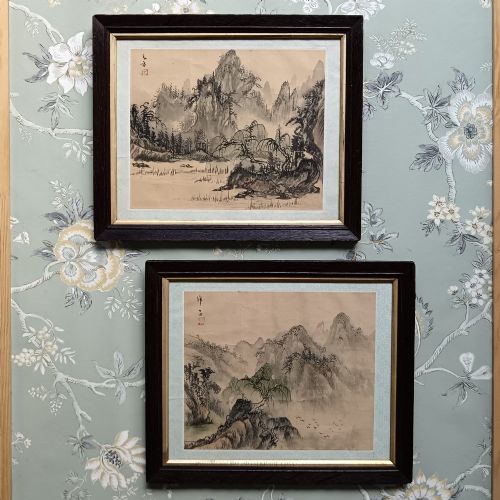
Shan Shui translates to mountain-water and represents a traditional style of Chinese painting featuring natural landscapes. These works focus on scenery such as mountains, rivers, and waterfalls.
When executed on silk rather than paper, the fabric absorbs the pigment with unique softness. These pieces often appear mounted in traditional frames.