



Green Foliage Painting
Green foliage painting brings living botanical studies and lush garden scenes directly to your walls.
Green Foliage Painting
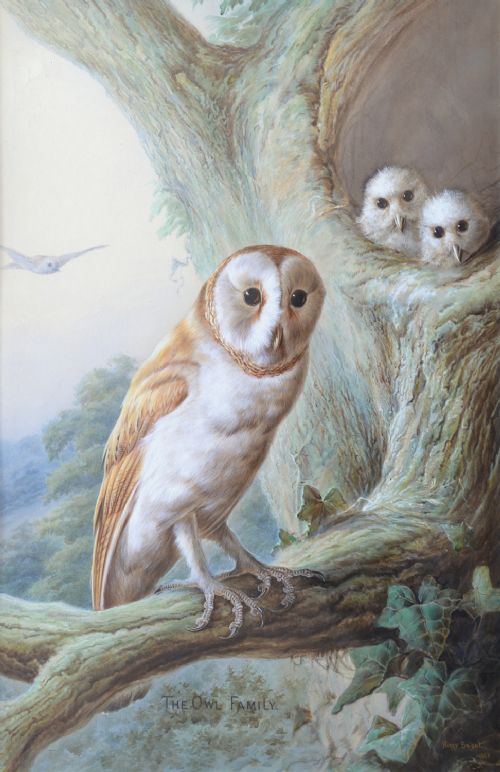
When you search for green foliage painting, you encounter delicate paper watercolours and substantial canvas oil paintings capturing garden vistas, potted plants, and wooded landscapes. These artworks span from the late nineteenth century into the mid-twentieth century, offering a glimpse into how earlier artists translated botanical growth onto their medium.
You are most likely to meet delicate watercolour paintings and expressive oil paintings on this page, often framed under glass or set within wooden surrounds. These works frequently depict domestic gardens, cathedral settings, and natural flora, reflecting the artistic preoccupations of Edwardian, Impressionist, and Post-Impressionist periods.
How they were made
Artists applied watercolour pigments to paper or laid rich oil paints onto stretched canvas, utilising the natural white of the paper or the texture of the weave to bring depth to leaves and stems. Frames fashioned from wood provided necessary structural support and protection for these delicate works.
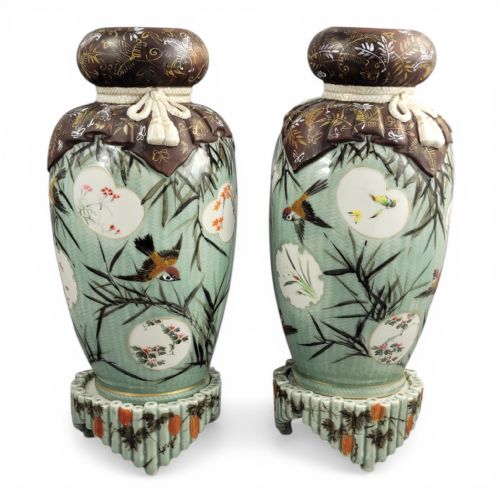
Some decorative compositions extend beyond traditional wall art into porcelain and enamel applications, where floral and foliage motifs are fired directly onto vases or integrated into painted mirror frames. This variety shows how makers adapted plant themes across diverse physical mediums.
Cuthbert Edmund Swan captures a prowling leopard crouching low on a jungle tree trunk, bringing untamed foliage directly indoors.
What varies in quality
The distinction between standard works and finer examples lies in the confidence of the brushwork and the subtlety of the colour palette used to render natural light falling on leaves. Superior pieces capture the atmospheric shifts of a garden rather than merely outlining botanical shapes.
The integrity of the original framing, whether carved wood or associated glass protection, influences the overall coherence of the piece. Works that retain their period presentation offer a more complete historical context for the buyer.
Kato Sanhei·WD Scull·Owen Bowen·Lilian Stannard·Charles Edmund Rene His·Jules Felix Ragot·Cuthbert Edmund Swan
The Green Foliage Painting Glossary
- Watercolour
- A painting method where fine pigment is suspended in a water-based solution and applied to paper. This technique relies on transparent washes to create light and shadow.
- Oil painting
- A medium consisting of pigments suspended in a drying oil, typically applied to canvas or wood panels. It allows for rich texture and blending.
- Impressionism
- An art movement focusing on accurate depiction of light in its changing qualities, often featuring visible brush strokes and open composition.
- Porcelain
- A ceramic material made by heating materials, generally including clay in the form of kaolin, in a kiln. It provides a smooth, white surface ideal for detailed enamel painting.
Green Foliage Painting: Frequently Asked Questions
How should I hang these watercolours?
Keep works on paper away from direct sunlight to prevent the watercolour pigments and paper from fading over time.
Ensure the room maintains a stable humidity level to protect both the artwork and its wooden or glass housing.
What is the difference between oil and watercolour?
Watercolour paintings utilise water-soluble pigments on paper, creating a translucent finish that usually requires glass protection.
Oil paintings use oil-bound pigments on canvas or wood, offering a heavier texture and greater durability without glass.
How do I identify a period frame?
Period frames often display joinery methods and surface patination consistent with nineteenth or early twentieth-century woodworking practices.
Examine the back of the wood for older fixings, nail types, and labels that corroborate the era of the artwork.
Can I display these paintings in a hallway?
Hallways work well for smaller framed watercolours and oil paintings, provided they are not exposed to damp conditions or heavy temperature fluctuations.
Ensure wall placement avoids areas where passing traffic might accidentally knock the frame or glass.