


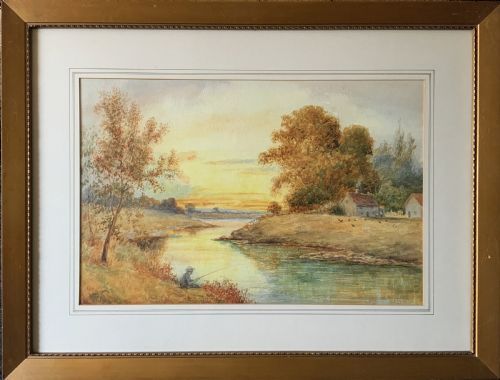
Vintage Pastoral Landscape
Vintage pastoral landscape works capture rural scenes of livestock, rivers and workers from periods spanning the seventeenth to the twentieth century.
Vintage Pastoral Landscape
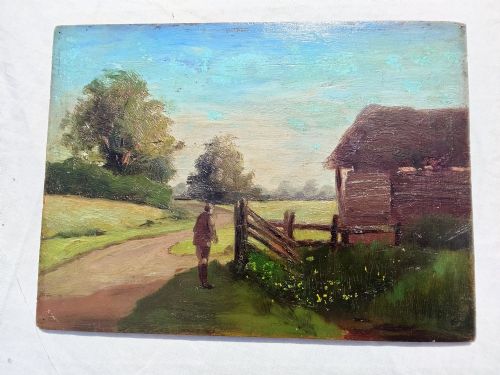
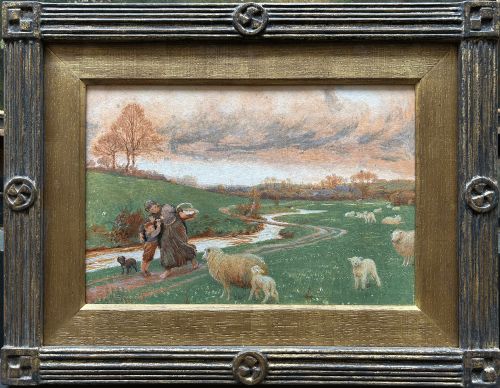
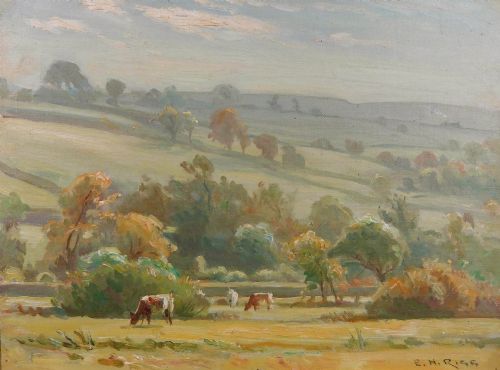
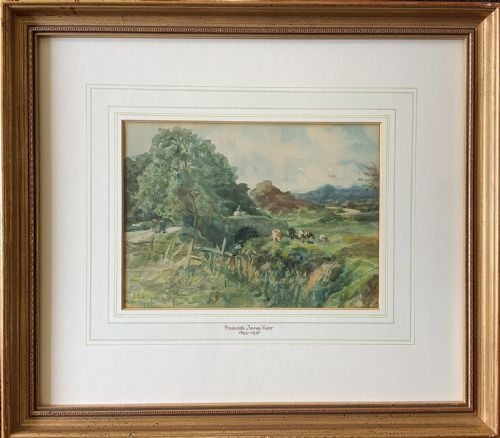
A vintage pastoral landscape depicts country scenes involving farming, cattle, sheep, rivers and cottages, drawing from traditions established across multiple centuries. Buyers looking for this phrase encounter oil paintings, watercolours and tapestries representing rural life.
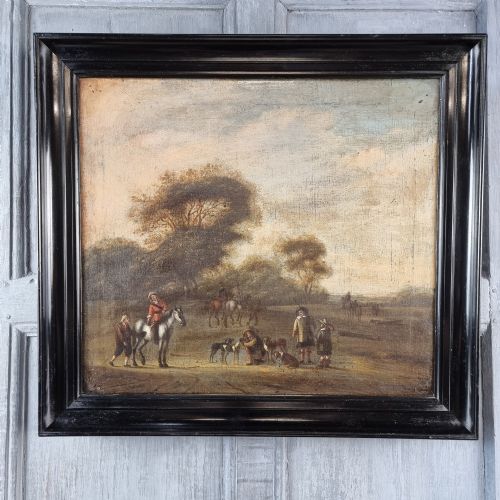
The selection ranges from nineteenth-century British school oils and Edwardian watercolours to eighteenth-century needlework pictures and French tapestries. Pieces frequently record specific regional farmlands, highland pastures and riverbanks.
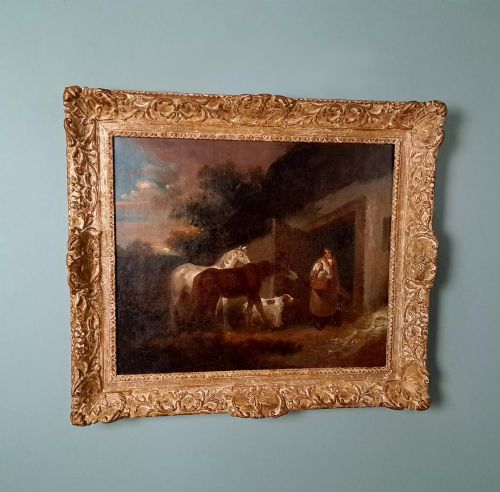
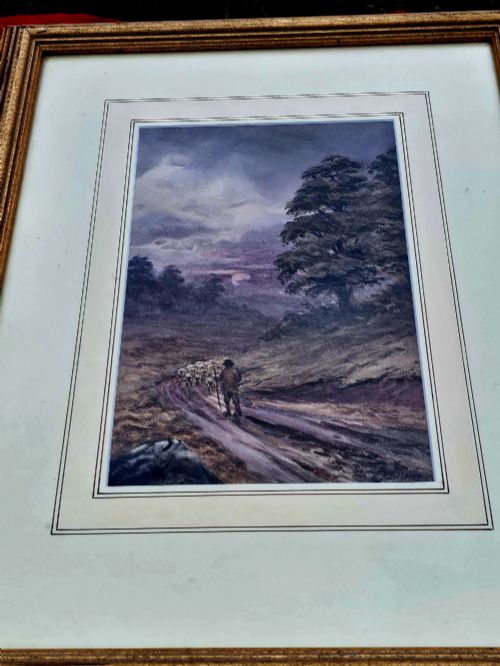
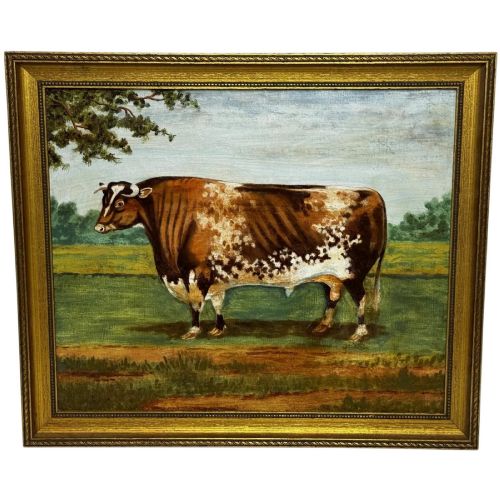
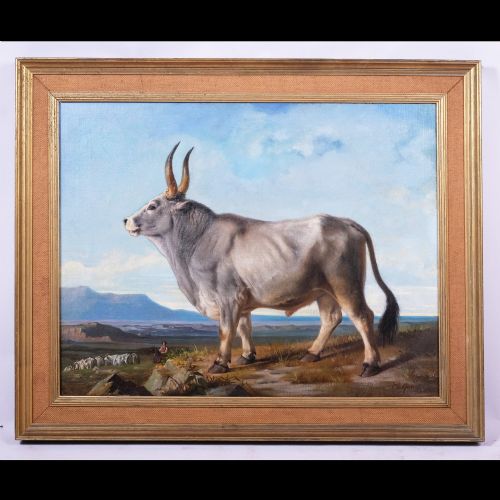
Rural idylls often incorporate animals such as shorthorn bulls, flocks of sheep and working horses alongside figures engaged in fishing or herding. These works reflect both British impressionist tendencies and earlier romantic interpretations of the countryside.
Materials and methods
Artists painted primarily with oil on canvas, wooden boards or wood panels, utilising oil paint alongside watercolours on paper. Gilding often frames these works, complementing the wooden supports and original frames.
Textile interpretations rely on wool, silk and needlework threads, seen in eighteenth-century tapestry panels and needlework pictures. Enamel on oval plaques provides another durable surface for miniature countryside compositions.
Pan, the Greek god of nature, occasionally interrupts traditional British farmland playing his panpipes.
Judging quality in pastoral art
The distinction between standard decorative scenes and superior works rests on the handling of light, atmosphere and anatomical accuracy in figures and animals. Master painters capture the texture of wool, water and foliage with distinct brushwork.
Provenance and documentation elevate certain pieces, particularly when signed by known practitioners of the Scottish school, British Impressionism or the Victorian era. The integrity of the original frame and support surface also contributes to the standing of a piece.
Tom Campbell·William Joseph Shayer Senior·Ernest Higgins Rigg·John Emms·Charles Edward Wilson·Owen Bowen
The Vintage Pastoral Landscape Glossary
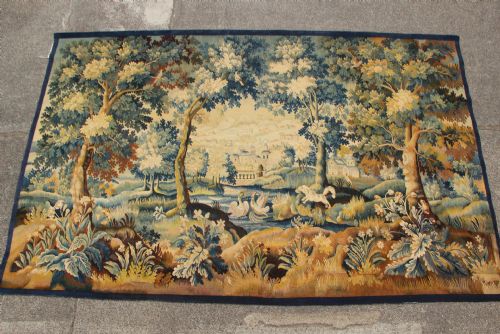
- Verdure tapestry
- A wall hanging featuring a landscape design dominated by plants, trees and foliage. These textiles often depict stylised woodlands and rural scenes.
- Pastoral art
- Artistic works portraying rural life, shepherds, agriculture and idealised country scenery. The genre originates from classical poetry translated into visual media.
- Grand Tour
- A traditional trip through Europe undertaken by upper-class Europeans to study art and antiquities. Paintings from this context often record Italian landscapes and classical ruins.
- Needlework picture
- A decorative textile created by stitching yarn onto canvas or linen to form a pictorial composition. These hand-worked pieces often replicate painted rural subjects.
Vintage Pastoral Landscape: Frequently Asked Questions
What subjects appear in these landscapes?
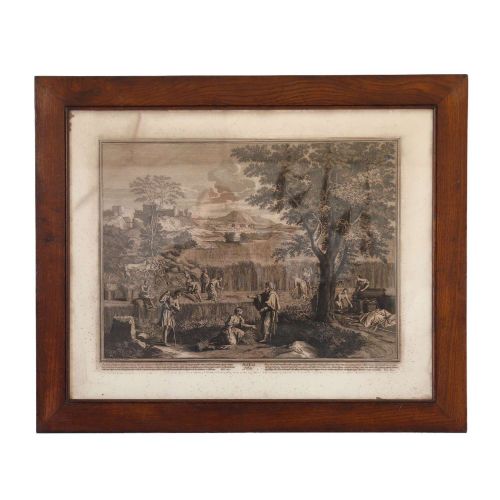
The compositions frequently feature cattle, sheep, rivers, thatched cottages and figures working the land. Scenes often capture specific moments such as herding livestock to market or haymaking.
Animals play a central role, with shorthorn bulls and working dogs appearing alongside rural labourers and fishermen.
How do I date a pastoral painting?
Dating relies on stylistic clues, framing materials, artist signatures and recording mediums such as canvas or wood panel. Victorian and Edwardian works often display distinct brushwork and framing choices characteristic of those decades.
Earlier pieces from the seventeenth and eighteenth centuries utilise specific canvas weaves, pigments and needlework techniques that differentiate them from later reproductions.
Where were these tapestries made?
Tapestries and textile panels originate from European weaving centres, with French workshops producing large-scale verdure wall art. Aubusson stands out as a noted origin for verdure tapestries.
These woven pieces were designed to insulate stone walls while introducing decorative pastoral scenery into grand interiors.
How should I display a watercolour?
Watercolours on paper require protection from direct sunlight to prevent fading of the pigments. Framing behind conservation glass shields the delicate paper and pigments from atmospheric moisture.
Positioning pieces away from direct heat sources helps preserve both the paper support and the original frame.