




Ochre Landscape Painting
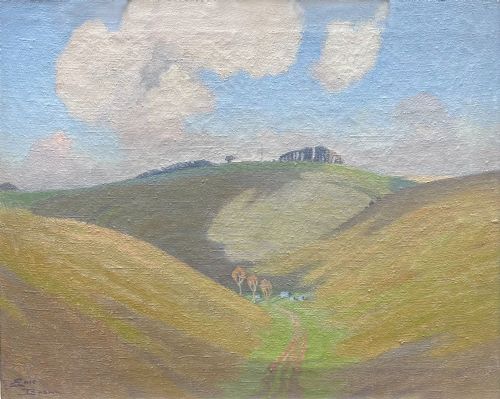
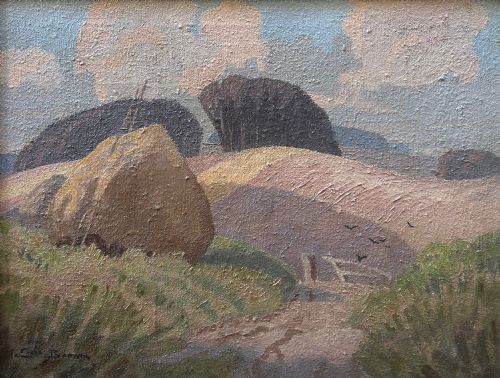
An ochre landscape painting captures the earth's natural warmth, offering buyers a rich study in pastoral tone and texture.
What these pieces are
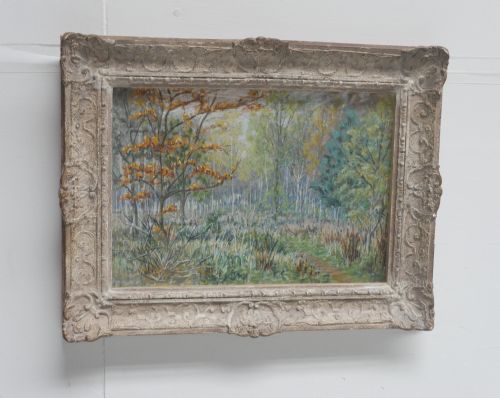
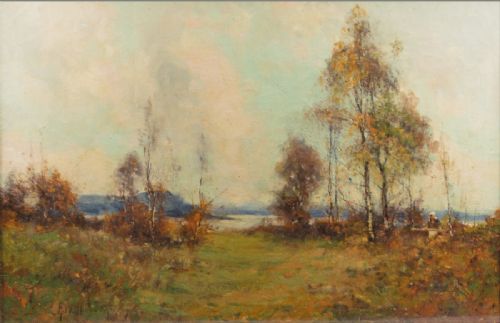
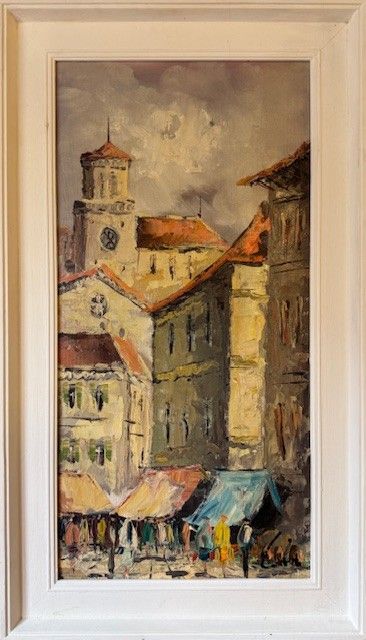
An ochre landscape painting centres on earthy yellow and golden brown pigments, bringing natural warmth and pastoral atmosphere into a room. These works range from early topographical views to mid-century regional scenes.
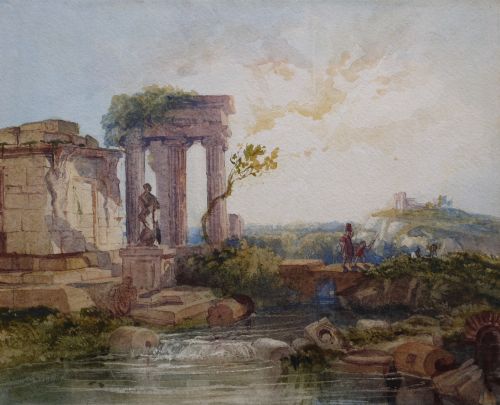
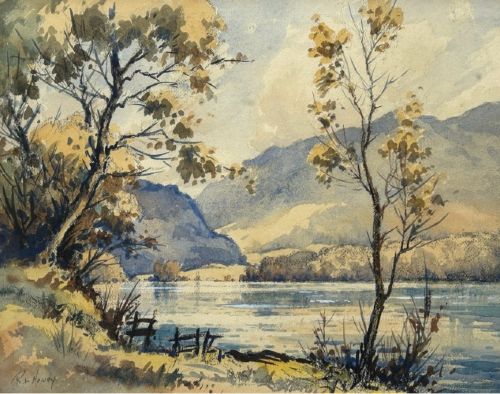
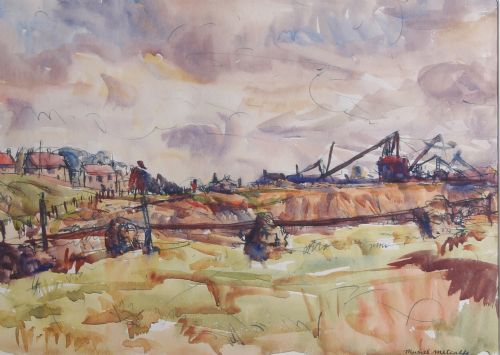
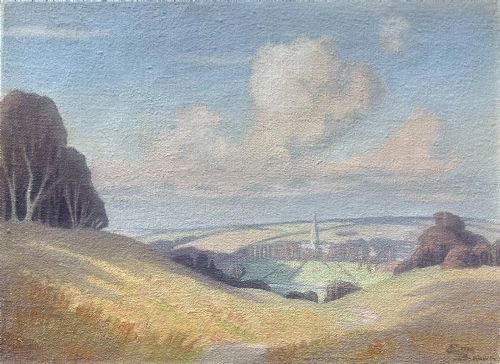
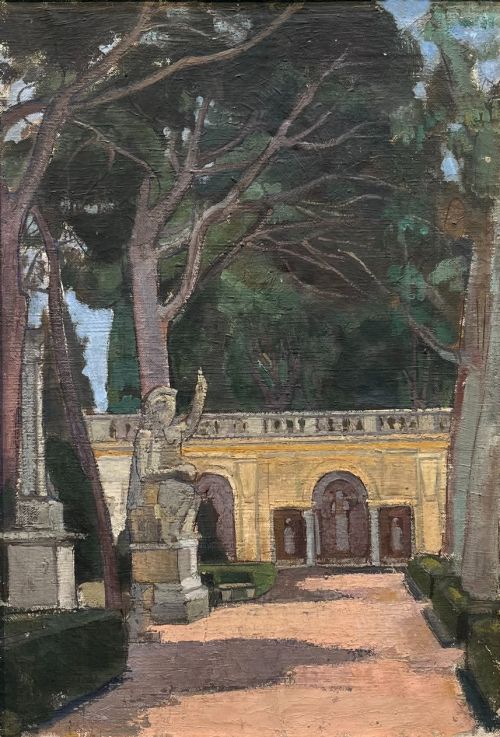
Most pieces on this page lean towards mid-century British school watercolours and oils, capturing specific rural locations with remarkable economy of line. Artists use the palette to evoke dry summer fields, rugged hills, and ancient stone architecture.
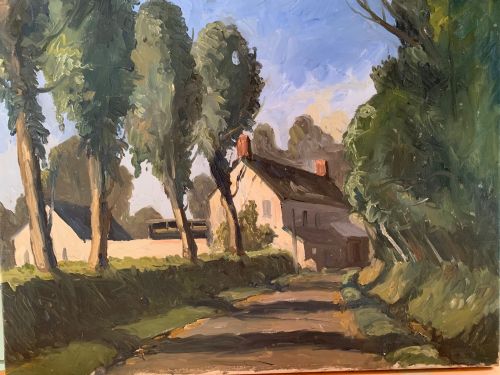
Earlier works connect to Georgian traditions, while twentieth-century examples embrace modern British sensibilities and impressionist brushwork. The variety spans intimate studies on paper to substantial oil paintings on canvas.
How they were made
Artists built these compositions using oil paint, watercolour pigment, pastel, or graphite, often working directly onto canvas, prepared wood, or heavy paper. Watercolours rely on washes of ochre to suggest light and shadow swiftly, while oils allow for deeper layering and rich impasto texture.
Support materials reflect the period, from traditional wood panels and woven canvases to antique paper sheets that show distinct ageing. Graphite underdrawings frequently anchor the looser pigment applications, guiding the composition before colour is laid down.
Retail Price Guide 2026
Typical UK retail prices for ochre landscape painting, calculated from the Sellingantiques database of over a million retail prices indexed since 2003. This retail price guide relies exclusively on Sellingantiques data; no external sources or auction records are used, so the figures do not describe the wider market.
Julius Caesar Ibbetson shares a name with a Roman dictator, though he preferred painting Melrose Abbey.
What varies in quality
Quality rests in the sureness of the hand and the vitality of the brushwork, distinguishing confident observation from stiff replication. A skilled artist captures the essence of a Cumbrian lake or a Yorkshire river with minimal hesitation.
The choice of medium and the stability of the support also dictate the piece's lasting impact. Works that retain their original pigments without fading or excessive surface cracking offer a truer connection to the maker's initial intent.
The Ochre Landscape Painting Glossary
- Impressionism
- A style of painting that focuses on capturing the visual impression of a moment, paying particular attention to shifting light and natural colour.
- Watercolour
- A paint consisting of pigment suspended in a water-based solution, traditionally applied to paper to create translucent washes of colour.
- Impasto
- A technique where paint is laid on an area of a surface in very thick layers, usually thick enough that the brush or painting-knife strokes are visible.
Frequently Asked Questions
What periods do these paintings cover?
The selection spans from the eighteenth century through the Edwardian era and deep into the mid-twentieth century.
Works range from early topographical oil paintings on canvas to 1950s pastels and 1960s watercolours.
How do I care for antique paper art?
Works on paper and pastel pieces require careful framing behind conservation glass to protect them from ultraviolet light and humidity.
Keep them away from direct sunlight to preserve the warm ochre and earth pigments from fading over time.
Where were most of these scenes painted?
Many pieces depict specific British locations, including Yorkshire, Cumbria, and Scottish landmarks like the River Tweed.
Other works extend to continental views, such as early twentieth-century French canvases.
What materials were used by the artists?
Artists utilised oil paint on canvas and wood, alongside watercolour pigment, pastel, and graphite on paper.
Each medium creates a distinct texture, from the heavy build-up of oils to the delicate transparency of watercolours.