
Framed Botanical Canvas
A framed botanical canvas brings centuries of floral and still life painting into a room, offering enduring floral colour.
Framed Botanical Canvas
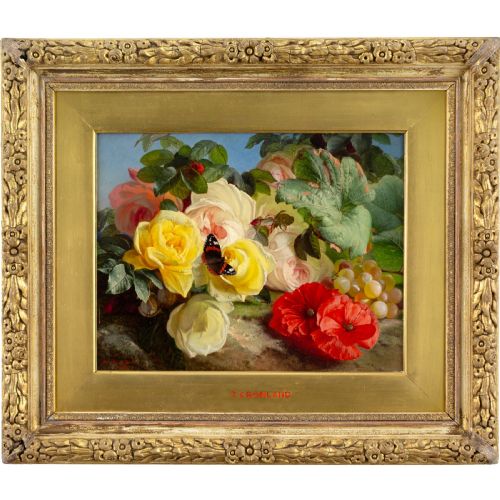
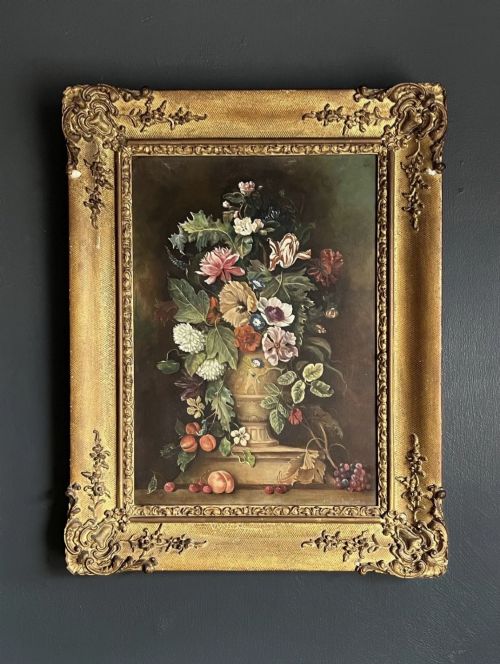
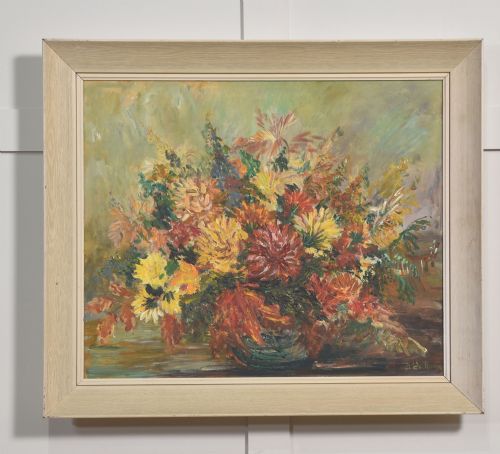
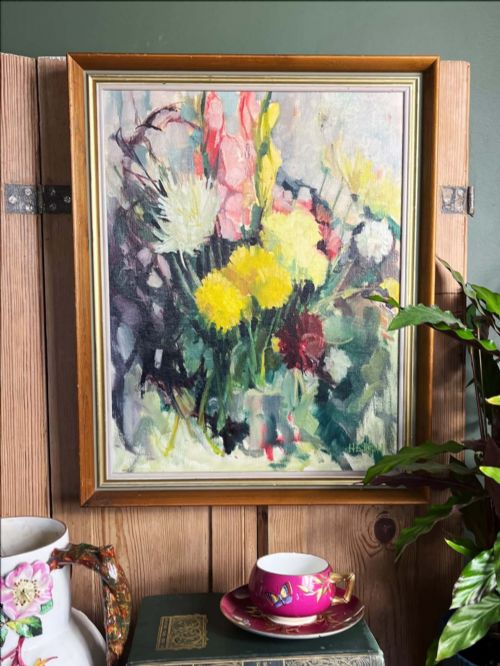
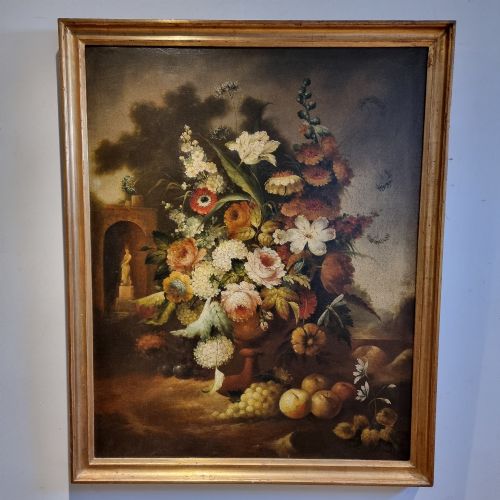
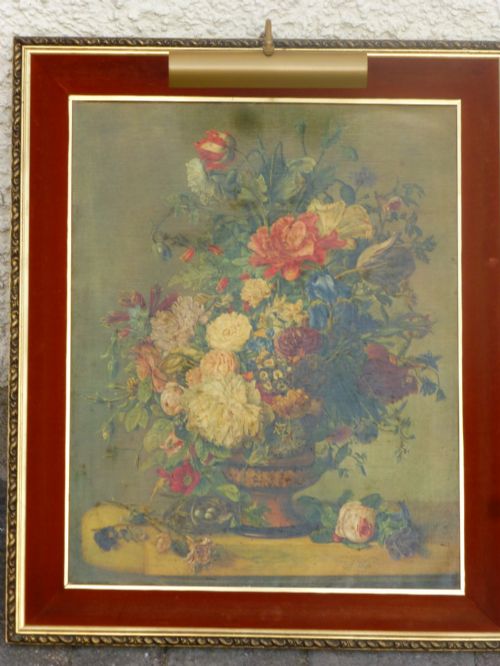
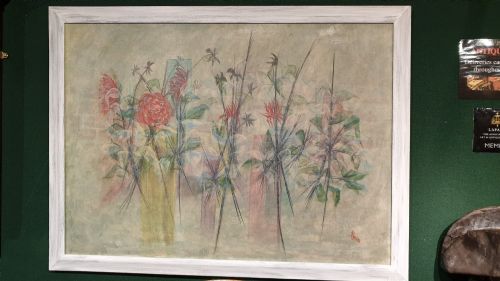
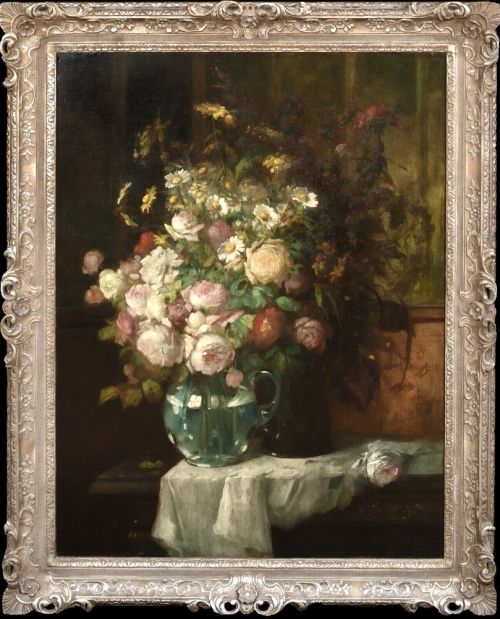
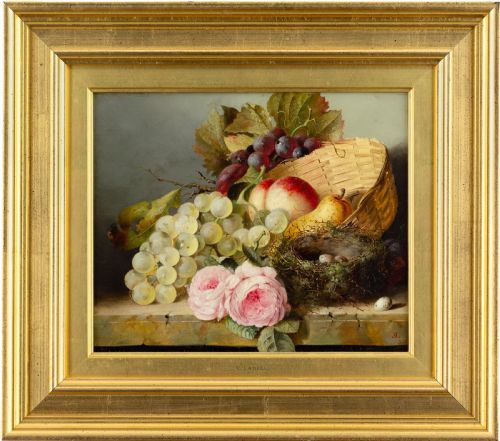
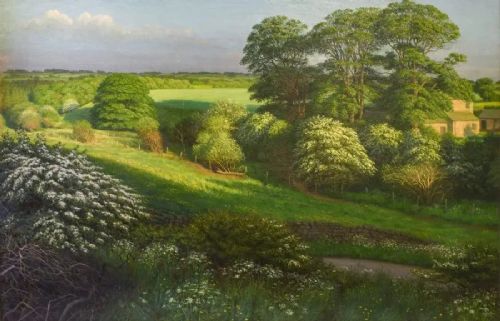
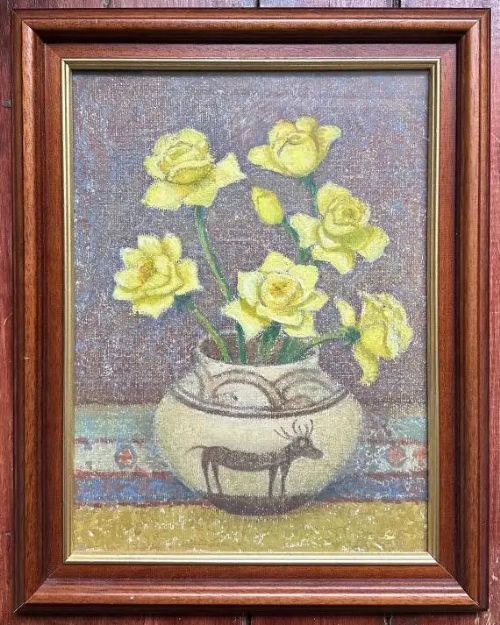
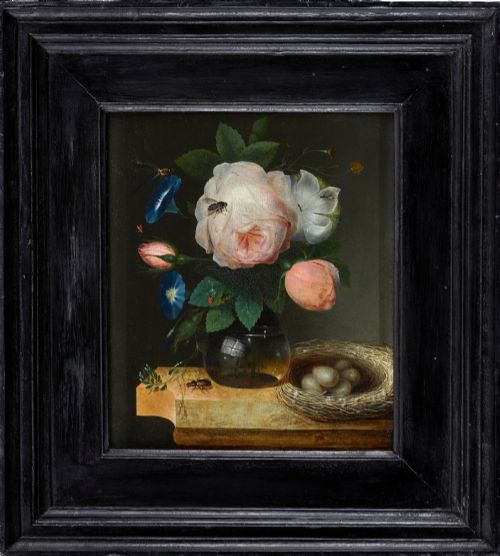
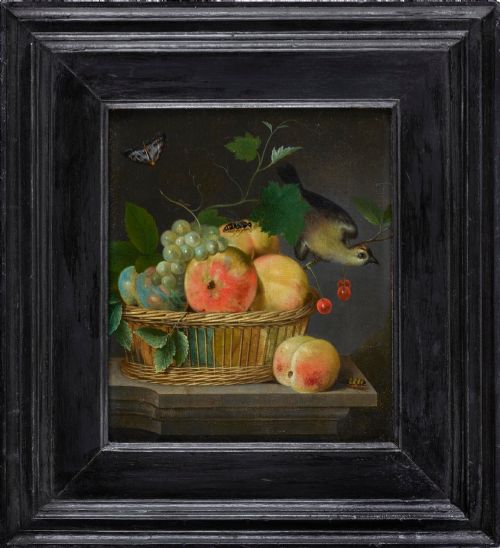
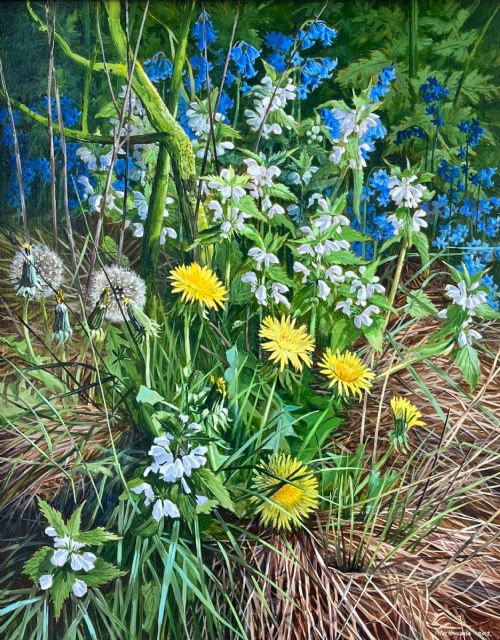
When searching for a framed botanical canvas, a buyer encounters oil paintings and oil on canvas works centred on floral subjects, still life arrangements, and garden scenes. These pieces span centuries, ranging from seventeenth-century Dutch and Flemish compositions to nineteenth-century interpretations and mid-century impressionist works.
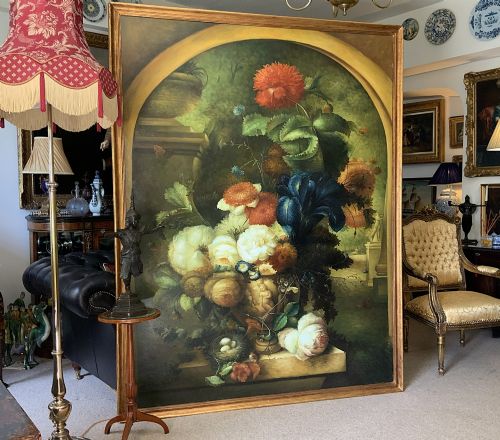
The most common forms met on this page include floral still life oil paintings depicting roses, poppies, and seasonal blooms, housed in period wood and gilt gesso frames. Works extend from small-scale decorative studies to monumental canvases created in historical styles.
Origins represented in the selection include British, Dutch, Flemish, Austrian, and French traditions, reflecting diverse approaches to botanical depiction from the seventeenth century through the mid-twentieth century.
Materials and technique
Artists painted primarily with oil paint on canvas, and occasionally on board, building up textures and colour layers that define the botanical subjects. Canvases are stretched over wooden supports and housed in frames constructed from wood.
Many frames employ gesso applied to wood, finished with gold leaf or gilt surfaces to create decorative borders that complement the oil paintings within.
Listings span centuries from the seventeenth century to the mid-twentieth century, uniting oil paint, canvas, wood, gesso, and gold leaf.
Quality differences
Skill in handling oil paint and capturing the natural forms of petals, leaves, and fruit separates accomplished fine art paintings from simpler decorative works. The fluidity of brushwork, particularly within impressionist and post-impressionist styles, dictates the visual impact of the canvas.
The craftsmanship of the housing matters greatly, with hand-carved or intricately moulded gilt gesso frames adding substantial character compared to plain wooden surrounds.
Theude Grönland·Edward Ladell·Gaspar Peeter Verbruggen·Edwin Steele·William Thomas Wood·Owen Bowen·Gertrude Hayes·Simon Pietersz Verelst·Mark Ingram
The Framed Botanical Canvas Glossary
- Canvas
- A heavy woven fabric used as a surface for oil painting. It is typically stretched tightly over a wooden frame before the artist begins work.
- Gesso
- A plaster-like mixture applied to wood frames as a base for gilding and ornamentation. It provides a smooth surface for gold leaf application.
- Gilt
- Covered thinly with gold leaf or gold paint. This finish enhances the decorative appearance of wooden picture frames.
- Still life
- A painting genre depicting inanimate subject matter, typically commonplace objects such as flowers, fruit, and baskets. Botanical examples focus heavily on floral arrangements.
- Impressionism
- A nineteenth-century painting style characterised by relatively small, thin yet visible brush strokes and an emphasis on accurate depiction of light. Mid-century variants continued these techniques.
Framed Botanical Canvas: Frequently Asked Questions
What subjects appear on these canvases?
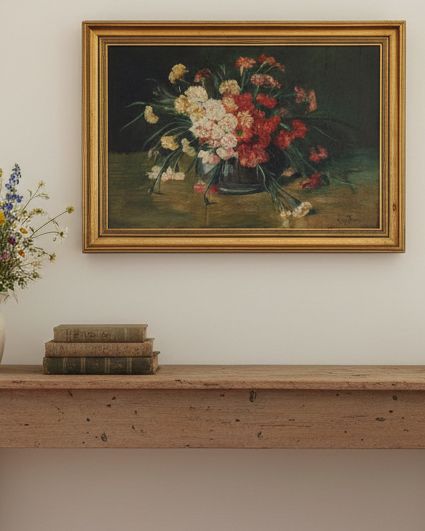
Paintings show floral still life arrangements featuring roses, poppies, carnations, and fruit within baskets or vases. Garden scenes and water lilies also feature across the selections.
Compositions range from detailed seventeenth-century Dutch interpretations to loose mid-century impressionist studies.
How do I hang a heavy framed canvas?
Large canvases require secure wall fixings anchored directly into masonry or wall studs to support the combined weight of the wood stretcher and frame. Professional picture wire and heavy-duty hooks provide safe suspension.
Positioning works away from direct sunlight protects the oil pigments and gilt surfaces from fading over time.
How are different periods distinguished?
Seventeenth and eighteenth-century works typically display structured botanical realism reminiscent of the Dutch Golden Age. Later nineteenth and twentieth-century examples embrace impressionist brushwork and looser floral arrangements.
Frame construction and canvas texture also offer clear indicators of the era of production.