


Historical Costume Portrait
A historical costume portrait captures figures dressed in the attire of earlier centuries, offering a tangible link to past eras through fine brushwork and detailed dress.
Historical Costume Portrait
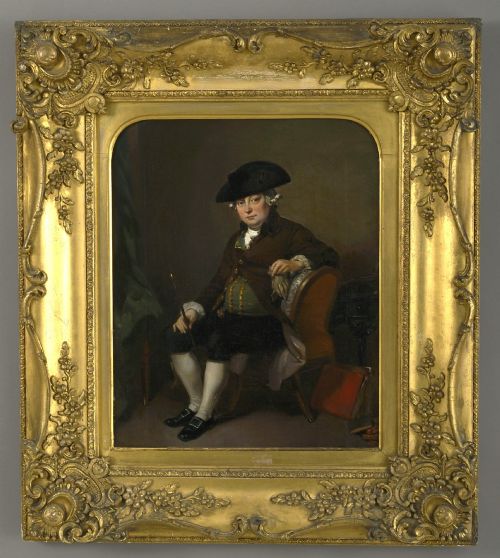
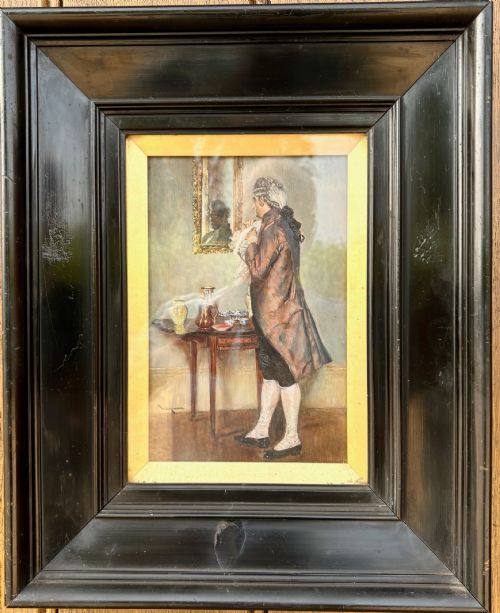
A historical costume portrait depicts subjects dressed in garments from past centuries, bridging the gap between portraiture and history painting. You encounter oil on canvas, oil on panel, and delicate watercolours on this page, representing periods from the seventeenth century through to the early twentieth century.
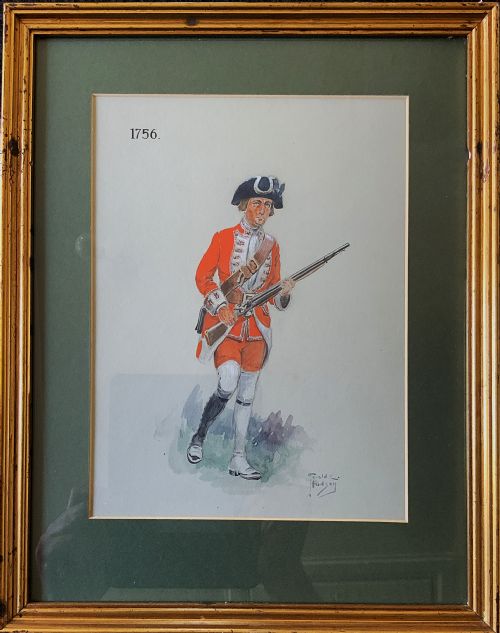
The subjects range from actors in character and military figures to noblemen and ladies in fancy dress. Stylistic approaches span academic historicism, British baroque, and Victorian genre painting, reflecting the changing ways artists interpreted earlier eras.
Framed presentation is common, utilising materials such as giltwood, gesso, and wood to house these works. These pieces allow collectors to explore how different eras reimagined historical fashion.
Materials and technique
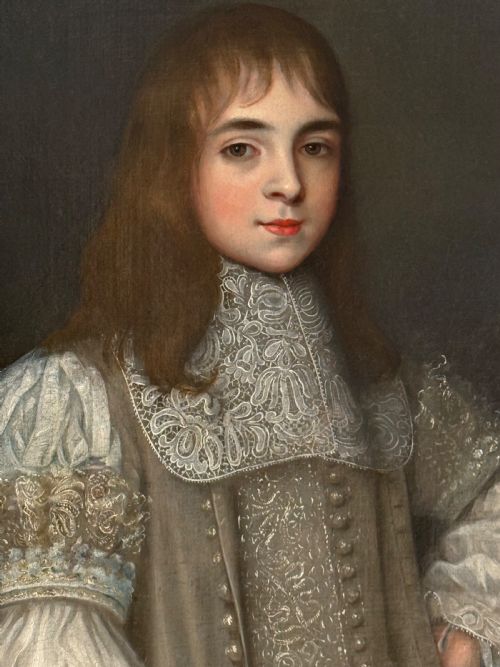
Painters utilised oil on canvas, oil on panel, and watercolour on paper to render intricate details of period garments and facial expressions. Works on paper often incorporate wash and pencil, while oil paintings build up rich textures for fabrics and lace.
Frames play a crucial role in presentation, constructed from wood and finished with gesso and giltwood to complement the period aesthetic of the artwork.
Several sitters wear theatrical ruffs and heavy velvet doublets purely for the drama of the paint.
Assessing quality
Quality rests in the precision of the brushwork and the accuracy with which period textiles and costume details are rendered. Superior pieces capture both the likeness of the sitter and the convincing texture of historical fabrics.
The execution of the surrounding frame, often carved giltwood or gesso, contributes to the overall integrity and presentation of the artwork.
Samuel De Wilde·W D Almond·John Michael Wright·Susie Lassam·Paul Schier·Hans Temple·Willem Johannes Martens·Adolphe Alexandre Lesrel·George Perfect Harding
The Historical Costume Portrait Glossary
- Academic historicism
- A nineteenth-century artistic style focused on the accurate and scholarly depiction of historical scenes and costumes. It relies on careful research into past eras.
- Giltwood
- Wood that has been treated with a thin layer of gold leaf or gold paint. It frequently appears on traditional picture frames.
- Portrait miniature
- A small-scale painted portrait, often executed with meticulous detail on materials such as ivory or vellum. These works often show subjects in elaborate costume.
- Genre painting
- The pictorial representation of scenes from everyday life. In this context, it often intersects with historical costume to depict figures in narrative settings.
Historical Costume Portrait: Frequently Asked Questions
What defines a historical costume portrait?
These artworks depict sitters wearing the fashion of earlier centuries rather than contemporary dress. Artists often painted actors, military personnel, or models in specific historical attire.
The style bridges standard portraiture and historical genre painting, drawing on periods from the seventeenth century onward.
How do I date these portraits?
Dating relies on the artist's recorded lifespan, stylistic markers of the painting technique, and the framing materials used. Nineteenth-century revivals often look back to seventeenth or eighteenth-century dress.
Examining the paper, canvas, or panel provides further clues to the age of the physical object.
Were these painted from life?
Many portraits depict actors in character or models posing in theatrical costume within the artist's studio. Some works reference earlier historical figures through secondary source material.
The distinction between a real historical subject and a contemporary model in fancy dress shapes the context of the piece.
How should I display them?
These works suit traditional wall display, benefiting from stable indoor humidity and protection from direct sunlight. Original giltwood and gesso frames require gentle dusting without chemical cleaners.
Pairing them with period furniture enhances the historical atmosphere within a room.