




Antique Theatrical Artwork
Antique theatrical artwork captures the drama of the stage through oils, watercolours, and prints spanning multiple centuries.
Antique Theatrical Artwork
When you search for antique theatrical artwork, you encounter visual records of actors, plays, dancers, and circus acts. These pieces range from grand oil paintings to intimate framed prints, documenting performance history.
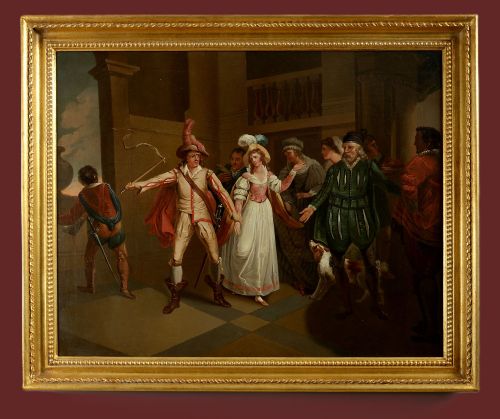
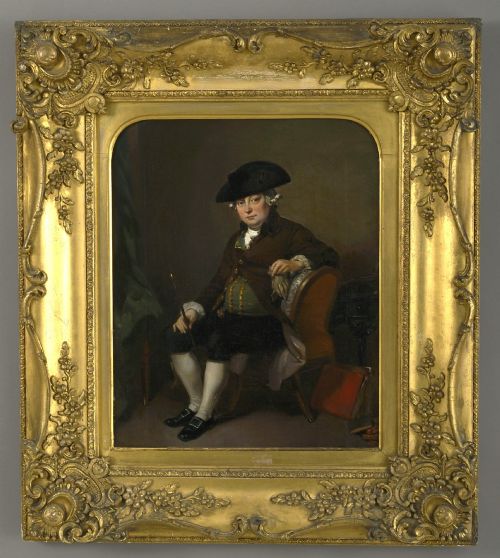
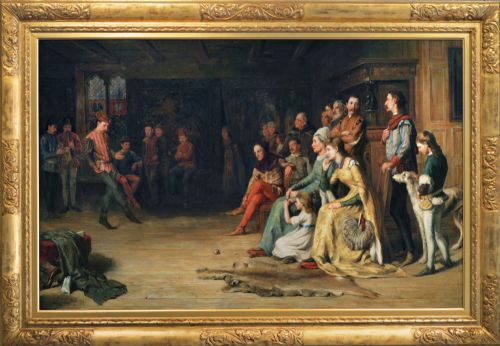
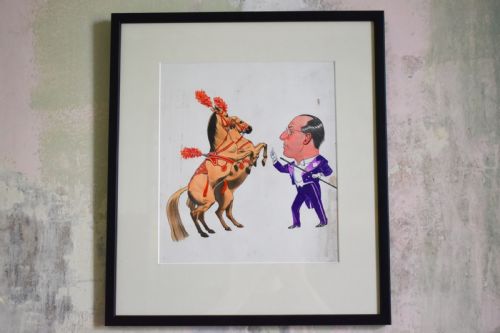
The selections on this page most frequently include nineteenth-century portraits of performers in character, alongside works from the Georgian, Regency, and early twentieth-century periods. You also find whimsical illustrations and surrealist circus scenes among the offerings.
Objects span various forms, including oil paintings on canvas or panel, watercolours, engravings, lithographs, silkwork pictures, and tinsel prints. Each format reflects the popular entertainment media of its respective era.
Materials and techniques
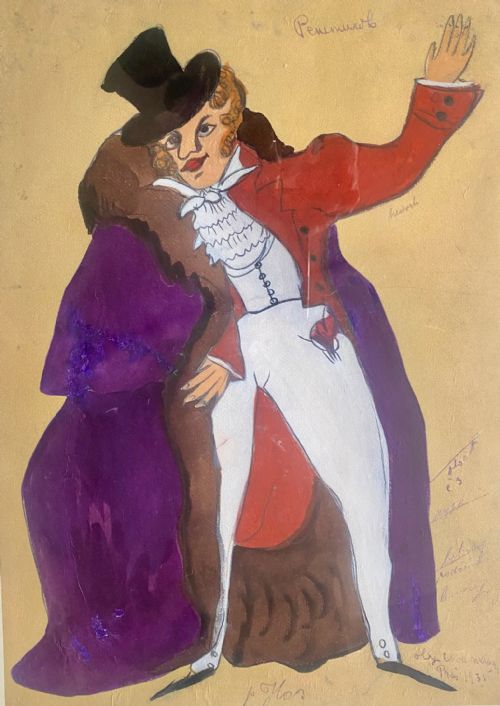
Painters utilised oil on canvas or panel to capture stage portraits and genre scenes, applying pigment with detailed brushwork. Watercolours and gouache over pencil provided lighter mediums for theatrical drawings and character studies.
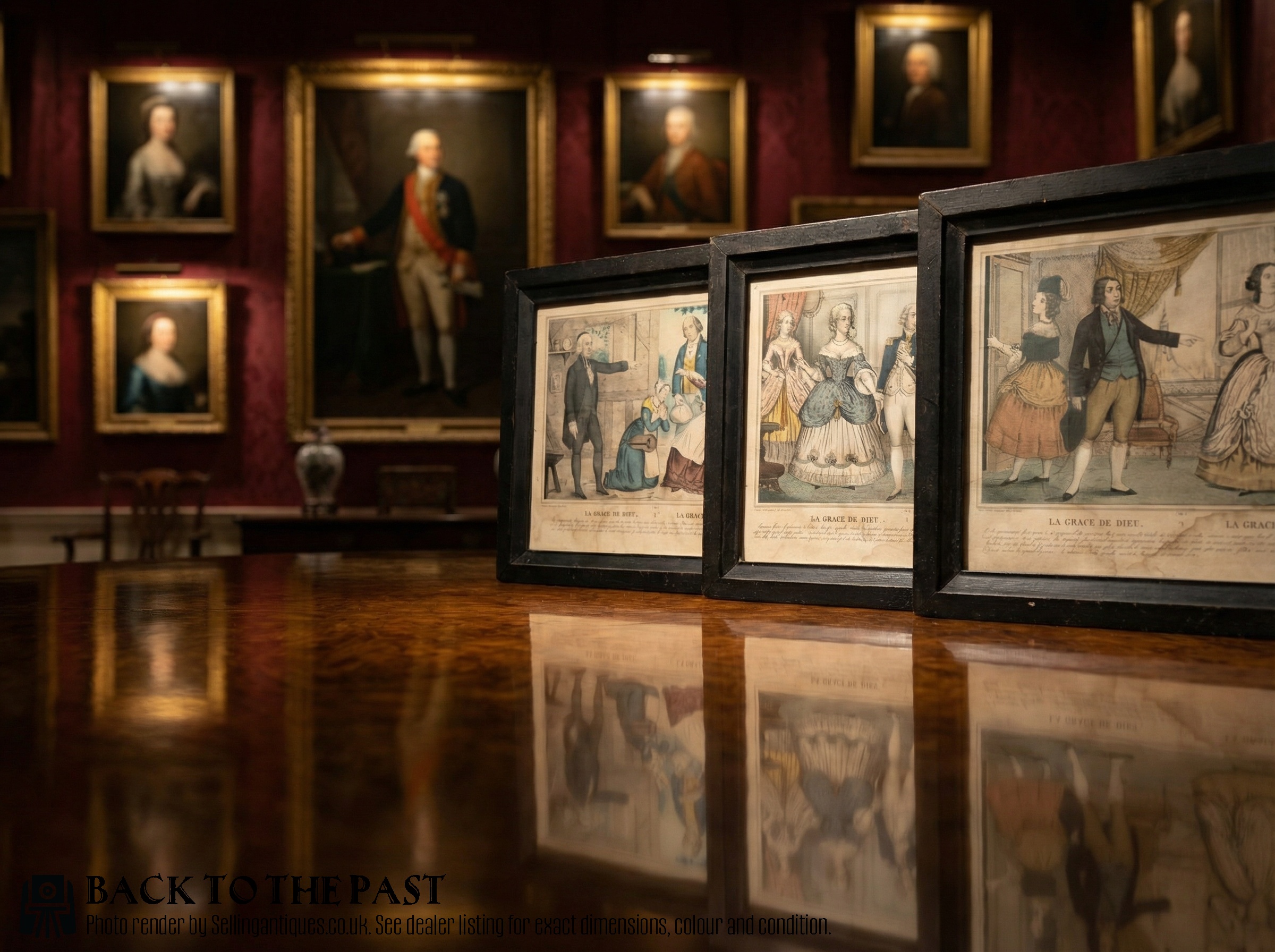
Printmakers employed engraving and lithography to reproduce dramatic scenes and portraits of famous actors for wider audiences. Tinsel pictures and decoupage combined printed paper with fabric and metallic trims for decorative effect.
Listings feature oil on canvas, watercolour, gouache, engravings, lithographs, silkwork, and tinsel across multiple centuries.
Assessing quality
Quality rests upon the skill of the draftsmanship and the directness of the characterisation in capturing a performer's likeness or the tension of a scene. Superior works display confident handling of medium, whether in the oil paint of a portrait or the fine line of an engraving.
The distinction between standard decorative prints and finer works often lies in the depth of composition and the historical importance of the subject matter. Pieces by recorded artists command greater attention through their accomplished execution.
James Hamilton ARSA·Hans Temple·Richard Geiger·Dame Laura Knight·George Clint
The Antique Theatrical Artwork Glossary
- Lithograph
- A print made from a flat stone or metal plate on which the image is inked. This technique allowed for the reproduction of popular theatrical scenes.
- Tinsel picture
- A type of nineteenth-century framed artwork combining a coloured print with scraps of tinsel, silk, and fabric. These were often decorated by amateurs to emulate favourite actors.
- Engraving
- A print created by cutting lines into a metal plate to hold ink. Classical engravings recorded notable actors of the stage.
- Silkwork picture
- An embroidery creation using silk threads to render pictorial scenes. Nineteenth-century examples sometimes depicted theatrical subjects.
- Gouache
- An opaque water-based paint used alongside watercolour for heightened colour. Artists utilised it to add luminous details to character studies.
Antique Theatrical Artwork: Frequently Asked Questions
What periods do these artworks cover?
The pieces span from the eighteenth century through the Regency and Victorian eras into the mid-twentieth century.
Styles range from Georgian portraiture and Art Deco illustrations to surrealism and mid-century modern works.
How were tinsel pictures made?
Makers started with a published print of a famous actor in character and embellished it by hand.
They added pieces of metallic tinsel, coloured foil, and scraps of fabric to highlight costumes and theatrical accessories.
What subjects besides actors appear here?
Artists recorded dancers, dramatic melodramas, Commedia dell'arte troupes, and scenes from popular stage productions.
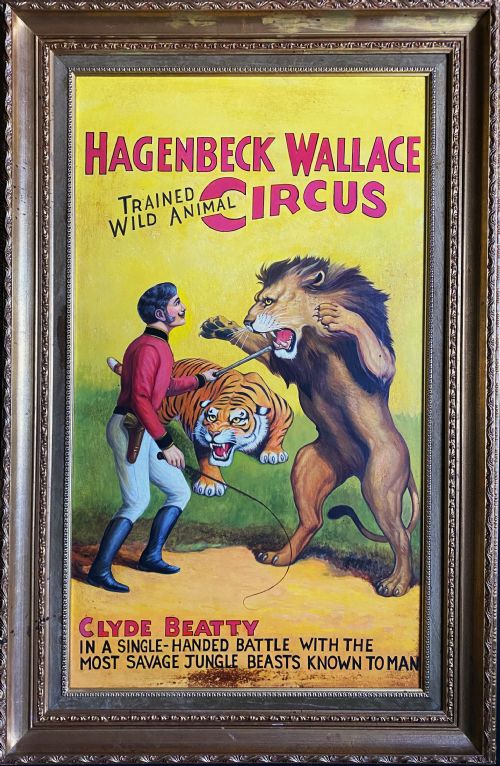
Circus performers, including lion trainers, cyclists, and clowns, also feature prominently in the twentieth-century works.
How do I care for antique paper and prints?
Protect watercolours, engravings, and lithographs from direct sunlight to prevent the fading of pigments and paper discolouration.
Keep them in stable environmental conditions away from dampness to preserve the integrity of the paper and framing.