

Framed Wall Art Set
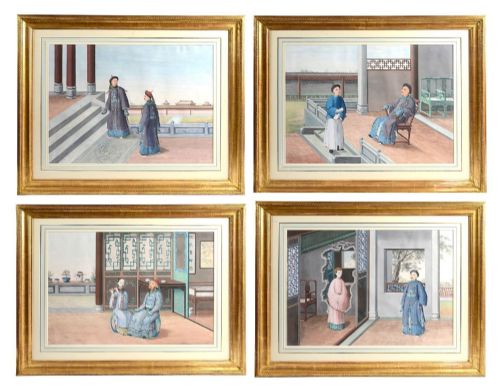
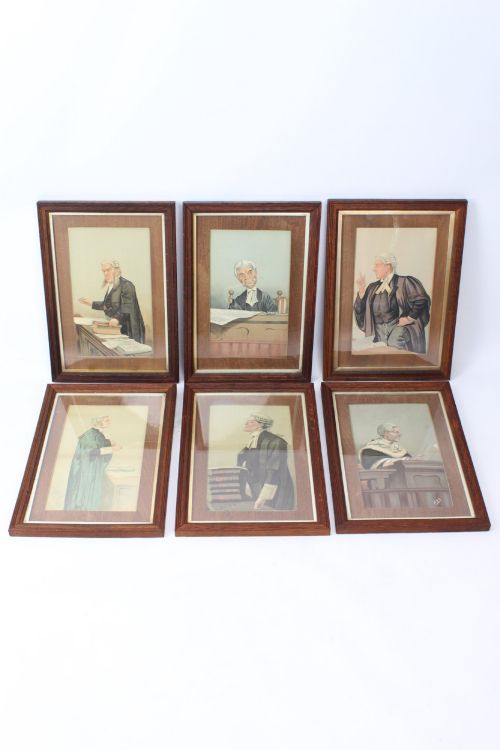
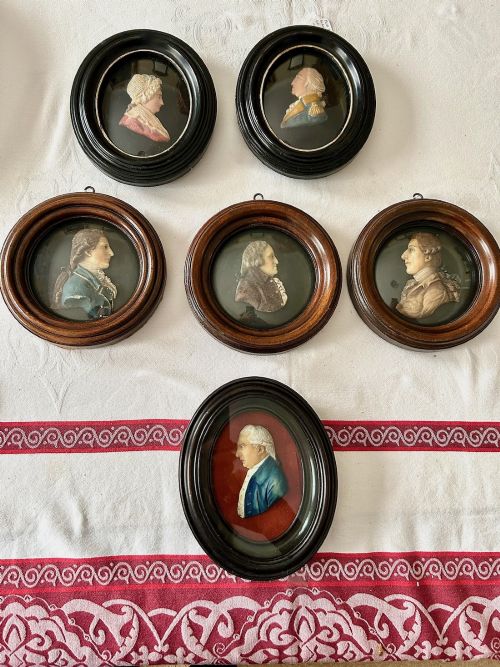
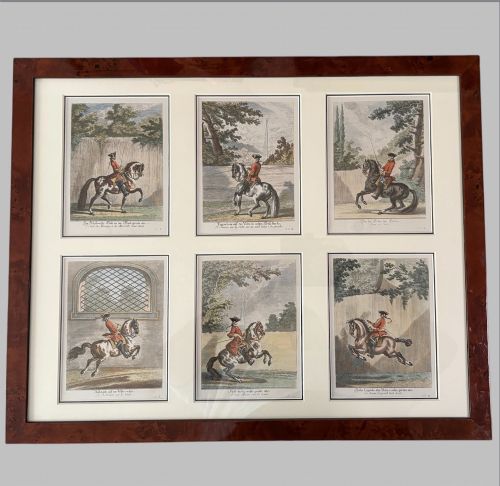
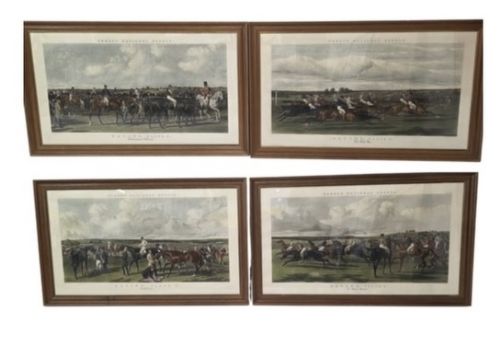
A framed wall art set brings grouped visual narratives together on a room's perimeter, offering coordinated historical pieces ready for immediate display.
Framed Wall Art Set
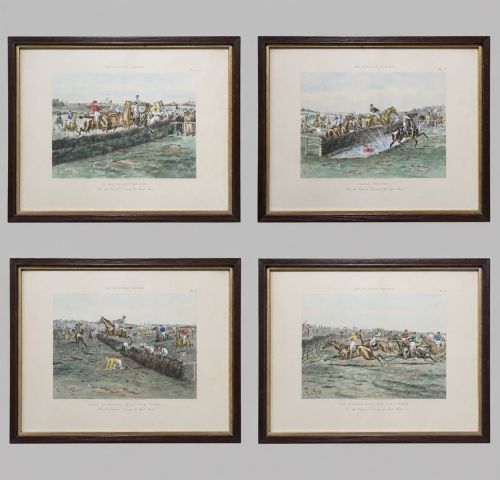
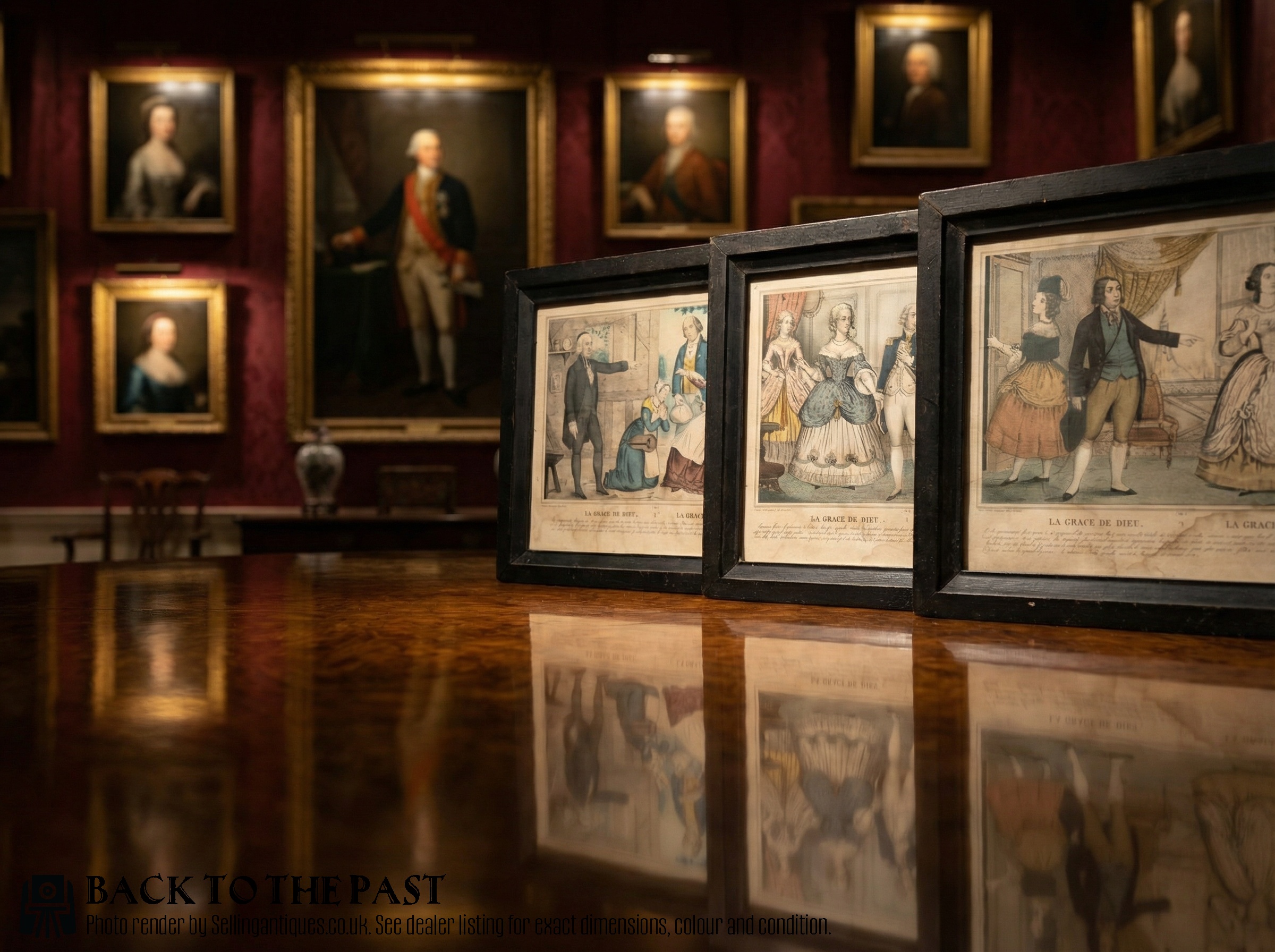
A framed wall art set comprises multiple related visual works presented as a cohesive collection, often spanning botanical studies, sporting scenes, and classical portraiture. Buyers searching for a framed wall art set encounter grouped compositions ranging from pairs of watercolours to extensive series of botanical and topographical engravings.
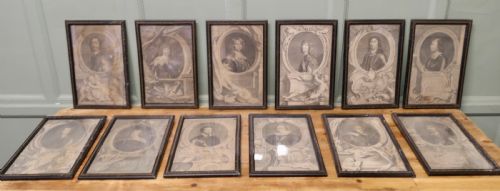
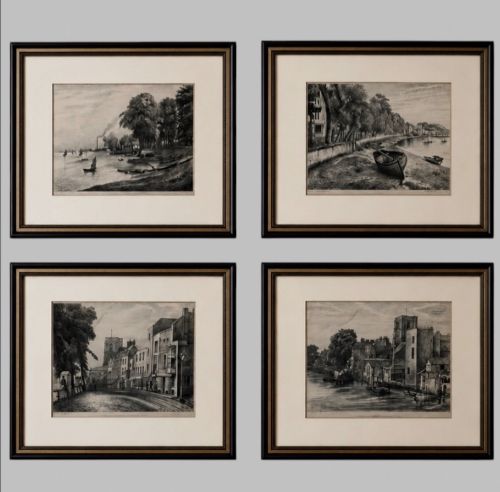
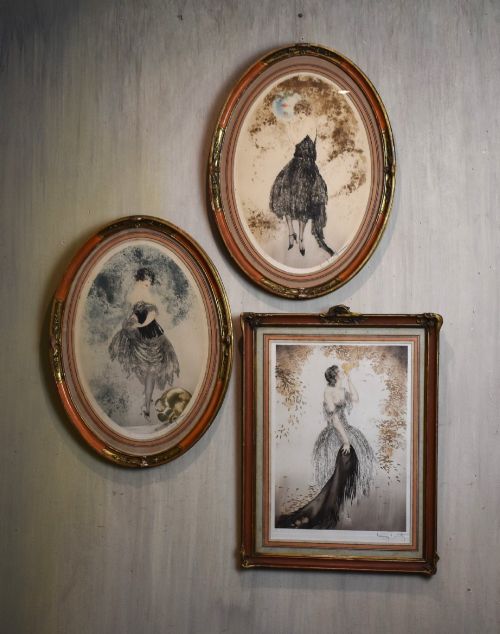
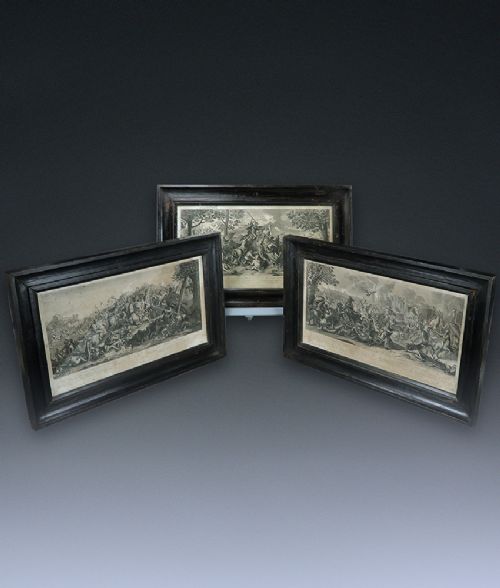
The selections available draw heavily from Georgian, Regency, and Victorian periods, alongside early twentieth-century print series. Common formats include sets of hand-coloured copper engravings, monochrome lithographs, and framed intaglios that preserve historical series intact.
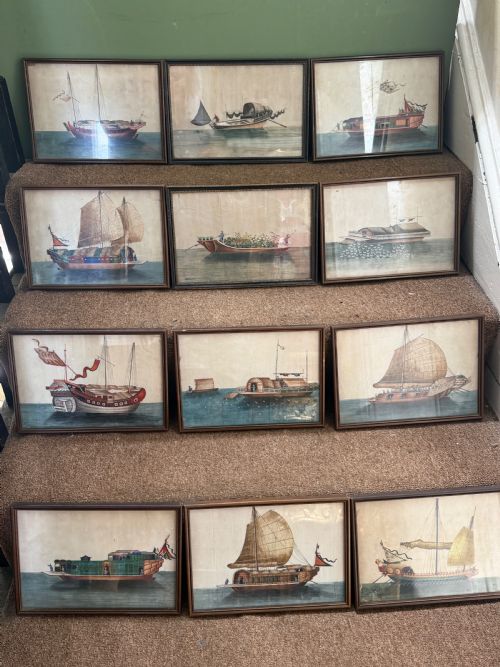
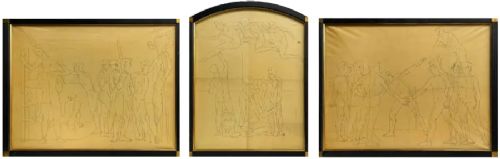
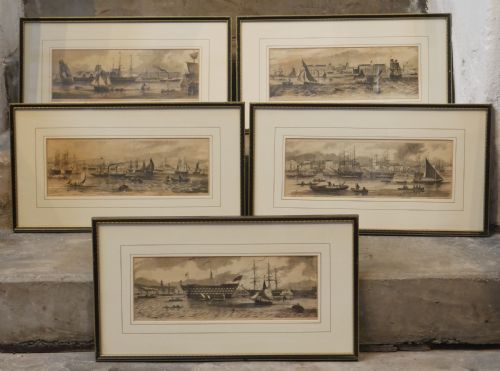
Originating from diverse sources such as dismantled folios, natural history texts, and grand tour collections, these groupings allow historical images to be displayed as unified decorative statements. Each set maintains a shared thematic thread, whether depicting botanical specimens, maritime views, or architectural plans.
Materials and Techniques
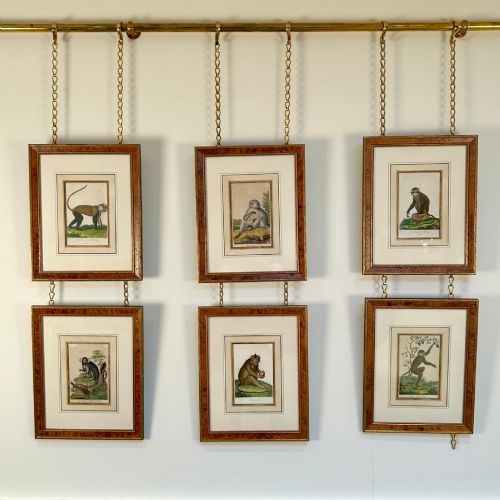
The works rely upon traditional graphic mediums such as copperplate engraving, lithography, woodblock printing, and watercolour, executed on paper surfaces. Artisans frequently applied hand-colouring in watercolours or gouache over printed outlines to enhance botanical and zoological details.
Frames utilise wood, often gilded or carved in styles reflecting period tastes from neoclassical moulding to Victorian joinery. Protective glass fronts safeguard the paper works, while backing layers incorporate historic paper and card stocks.
Several sets capture nineteenth-century monkeys engaging in human pursuits, proving Victorian illustrators possessed a lively sense of humour.
Evaluating Quality
Quality rests upon the crispness of the original impression and the precision of any applied hand-colouring, where delicate brushwork elevates standard printed runs. The preservation of the paper supports, including minimal toning and absence of heavy foxing, distinguishes superior examples.
Framing standards influence the overall presentation, with period-appropriate or original carved giltwood frames holding greater integrity than modern replacements. The completeness and uniformity of the series ensure that the visual weight remains balanced across all grouped pieces.
James Stroudley·George Finch Mason·William Day·Louis Icart·Le Brun·Ridinger·Oliver Goldsmith·Giovanni Liberotti·Kitagawa Utamaro·Wheatley·George Edwards·Thomas G Appleton·Edward Stodart·W. Collard·Alken·John Flaxman·Simon François Ravenet·Jonathan Couch
The Framed Wall Art Set Glossary
- Aquatint
- A printmaking technique that produces tonal areas resembling watercolour washes through acid etching on copper plates. This method was widely utilised for reproducing landscape and sporting art.
- Mezzotint
- A printmaking process of the intaglio family where the plate is roughened to achieve rich dark tones and subtle gradations. It gained popularity for translating oil paintings into monochrome prints.
- Plumbago
- A drawing executed in graphite, taking its name from the Latin word for lead ore. These detailed miniature portraits gained favour during the seventeenth and eighteenth centuries.
- Intaglio
- A design incised or sunken into a material, or a print made from such a plate. Grand tour collections frequently mounted these in plaster or stone casts for display.
- Gouache
- An opaque watercolour medium composed of pigments bound in water-soluble binders with added white filler. It delivers dense, flat colour fields in botanical and landscape studies.
Framed Wall Art Set: Frequently Asked Questions
How should I hang a multi-piece set?
Arrange the frames with consistent spacing to maintain the visual rhythm established by the original series designer. Keep the visual centre of the grouping at standard eye level.
Ensure that the hanging hardware supports the weight of each individual frame safely on the wall surface.
Can I separate the prints in a set?
Separating individual pieces from a historical series generally diminishes the collective documentary and decorative value of the grouping. Keeping them together preserves the original curatorial intent.
Most buyers prefer intact sets because they offer a balanced composition that single pieces cannot replicate.
How do I protect antique paper art?
Position framed pieces away from direct sunlight to prevent the fading of hand-applied watercolours and paper supports. Maintaining stable indoor humidity levels stops the development of mould and foxing spots.
Use UV-filtering glass during any future framing updates to provide long-term defence against light damage.
What defines a grand tour set?
Grand tour sets comprise classical souvenirs, such as plaster cast medallions or intaglios, collected by travellers exploring European antiquities during the eighteenth and nineteenth centuries. These items were assembled into custom frames as mementos of educational journeys.
They document the classical subjects studied by collectors of that era.