



Antique Anthropomorphic Art
Antique anthropomorphic art brings animals and objects to human life, offering whimsical prints, carvings, and furniture that collectors prize for character.
Antique Anthropomorphic Art
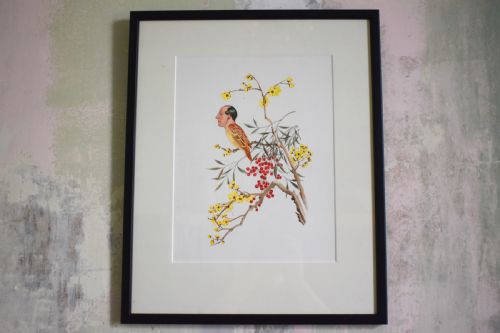
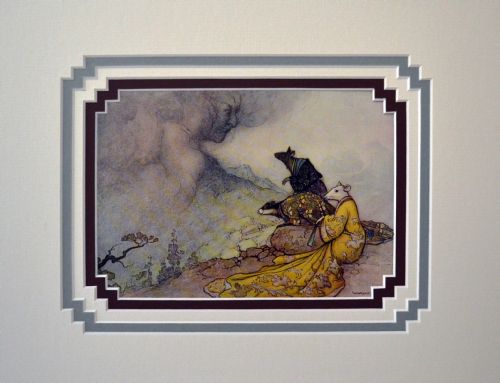
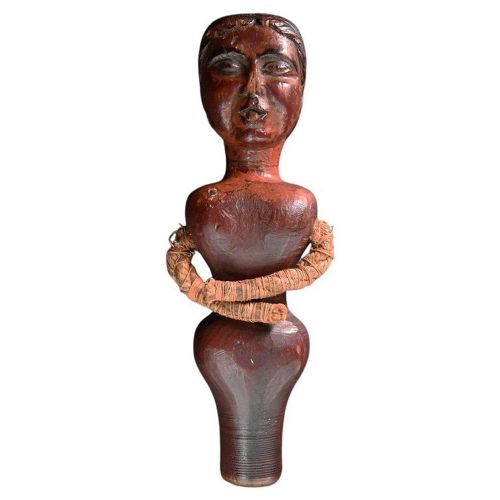
When you search for antique anthropomorphic art, you encounter a diverse gathering of pieces where animals, plants, and inanimate objects take on human traits, actions, and expressions. The selection ranges from framed prints and ink drawings to carved wooden figures, wall plaques, and novelty furniture.
You are most likely to meet animal subjects depicted in human roles, particularly cats in domestic settings or satirical scenes, alongside carved wooden figures and tribal works. These pieces cross various periods from the Victorian era through the Edwardian years and into the 1930s.
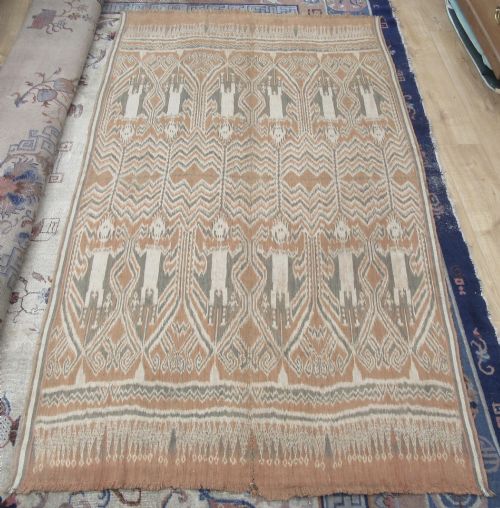
The regional origins of these items span Britain, Europe, Japan, Africa, and Indonesia, reflecting both Western illustrative traditions and international folk art. Buyers find everything from delicate works on paper and silk to substantial hardwood and terracotta sculptures.
Materials and construction
Artists and makers utilised traditional media such as pen and ink, watercolour, and print techniques on paper, card, and silk to create detailed illustrative works. Terracotta and polychromed thorn wood allowed sculptors to shape tactile, three-dimensional characters with expressive painted finishes.
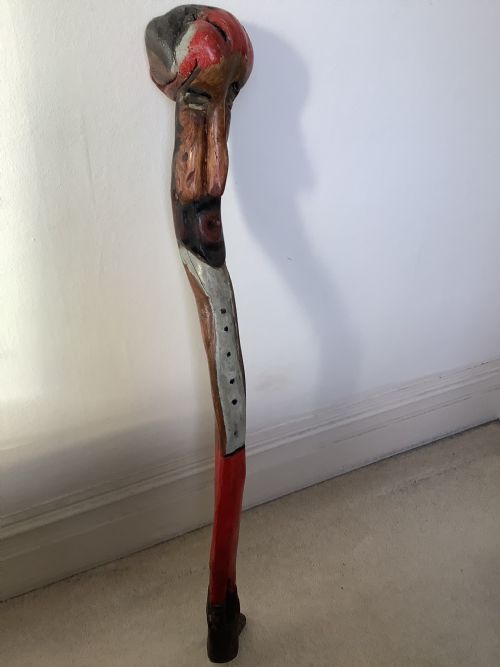
Cabinetmakers and carvers worked with hardwoods, timber, mango wood, and various native woods to produce functional items like side tables, walking sticks, and dinner gongs. These carved objects often combine structural utility with whimsical figurative elements.
Frogs wage miniature wars on silk and monkeys take refuge in America, proving history had a sense of humour.
Judging quality in anthropomorphic pieces
The standard of an antique anthropomorphic piece rests on the precision of the carving, the expressiveness of the faces, and the crispness of the ink or print work. Finer examples display a distinct personality and confident draughtsmanship that elevate the humour or narrative beyond a simple novelty.
Material selection and original surface preservation also separate standard items from superior ones. Pieces retaining their early polychrome paint, uncompromised silk panels, or patinated hardwood show greater fidelity to their period of origin.
Warwick Goble·Ernst Wahliss·Louis Wain
The Antique Anthropomorphic Art Glossary
- Anthropomorphism
- The attribution of human characteristics or behaviour to a god, animal, or object. In antiques, this manifests as animals dressed in human clothes or engaging in social activities.
- Polychrome
- Painted, printed, or decorated in several colours. This finish brings out the illustrative detail in carved wooden figures and wall plaques.
- Folk art
- Art produced from an indigenous culture or by peasant people without formal artistic training, often utilitarian in origin. These pieces rely on regional traditions and direct craftsmanship.
- Relief plaque
- A wall artwork where the sculpted elements project from a flat background. Terracotta examples often combine this technique with satirical narratives.
Antique Anthropomorphic Art: Frequently Asked Questions
What is anthropomorphic art?
Anthropomorphic art depicts non-human subjects - most commonly animals - acting like people, such as cats smoking pipes or frogs engaging in battle. These works capture social satire and playful storytelling across various cultures.
Collectors prize these items for their inventive charm and the insight they provide into historical popular culture and illustration.
Who was Louis Wain?
Louis Wain was an English artist renowned for his anthropomorphic depictions of cats, often shown with human expressions, clothing, and pursuits. His distinctive illustrations appeared in books, prints, and magazines around the turn of the twentieth century.
Original drawings and period prints by Wain remain central to many collections of animal-themed antique art.
How are wooden carvings identified?
Carvings such as walking sticks, bedpost figures, and dinner gongs reveal their age through the choice of timber, tool marks, and surface patination. Folk art pieces often display hand-carving techniques unique to their regional workshop.
Examining the wear patterns and the method of polychrome painting helps distinguish early twentieth-century or Victorian craftsmanship from later reproductions.
Where do these pieces originate?
The pieces come from diverse geographical regions, including British and European illustration studios, Japanese printmakers, and African or Indonesian tribal carvers. Each culture brought its own stylistic approach to giving human traits to animals and objects.
This global reach means buyers can find delicate silk paintings alongside robust tribal furniture within the same collecting category.