


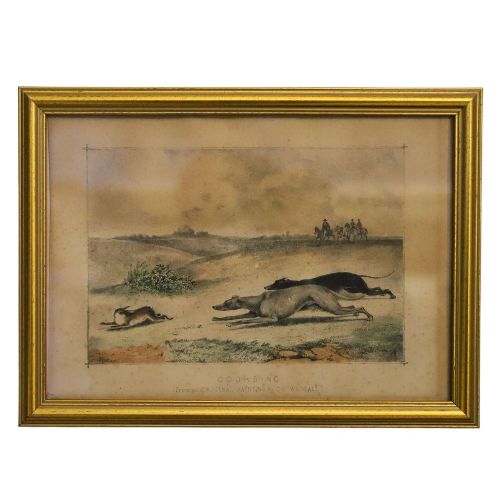
Antique Colour Print
When you seek an antique colour print, you encounter centuries of paper, ink, and hand-tinted artistry preserved for display.
Antique Colour Print
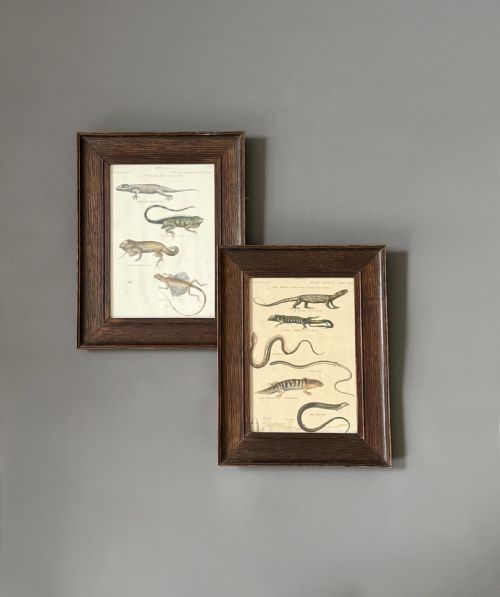
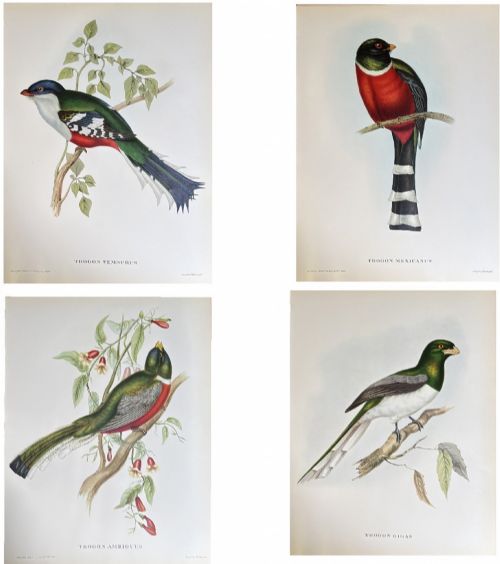
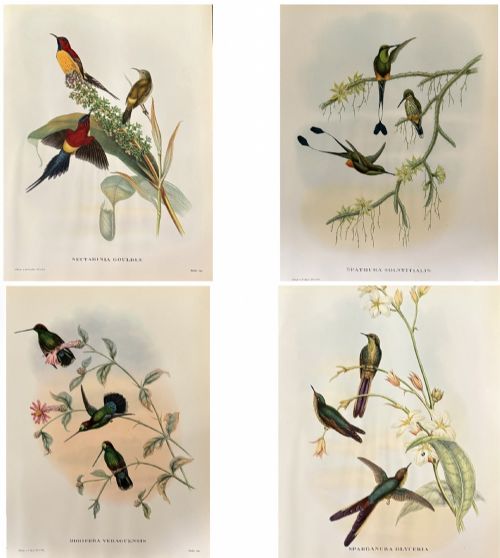
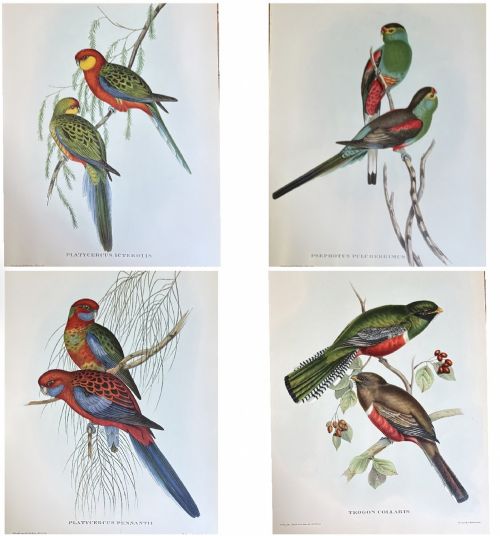
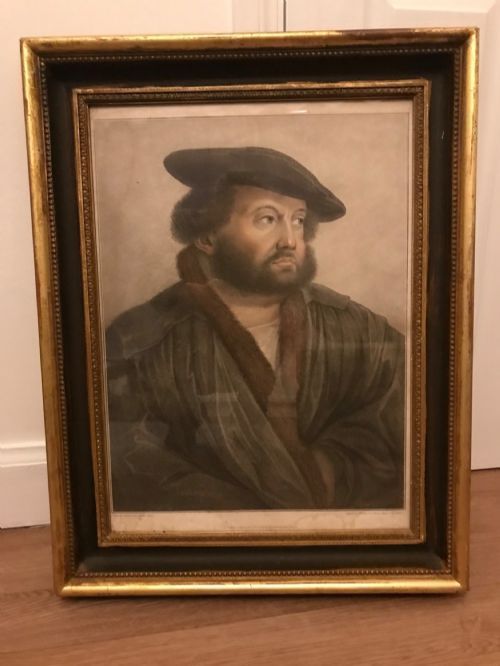
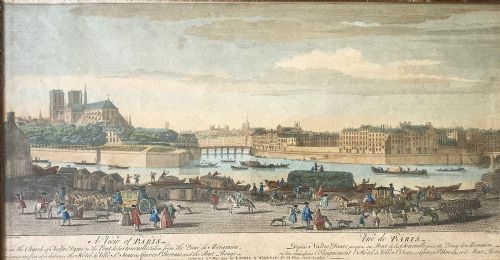
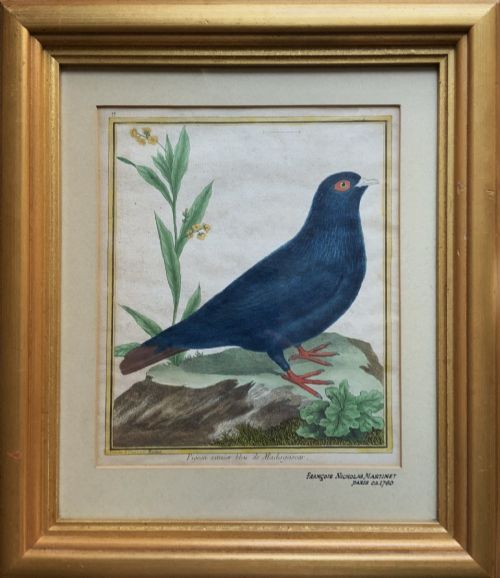
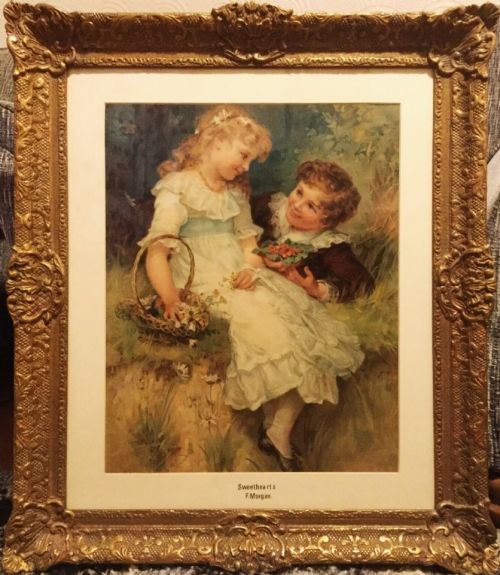
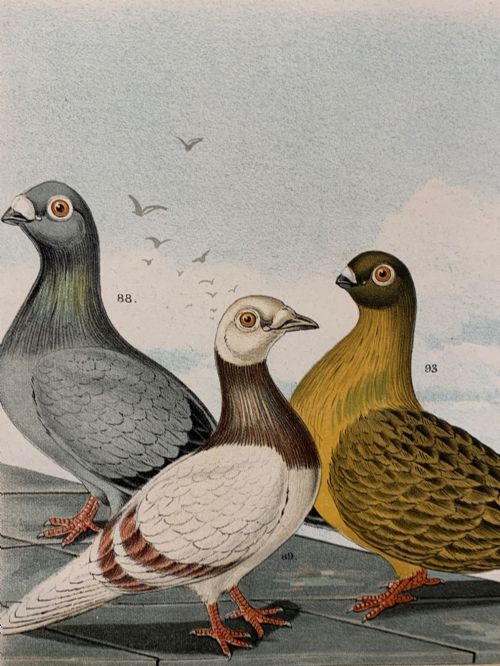
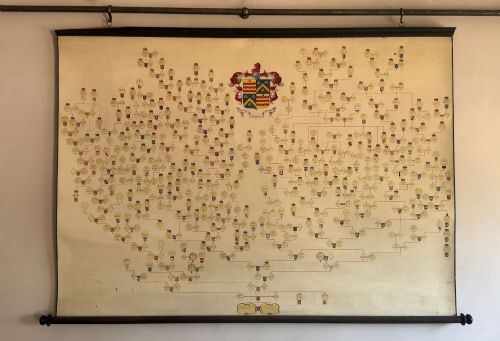
An antique colour print encompasses engraved, lithographed, and etched works on paper that received pigment by hand or press during production. The selection spans centuries of image-making, ranging from natural history plates of birds and flora to satirical maps, classical portraits, and sporting scenes. Georgian and Victorian examples dominate the offerings, often presented in period wood frames alongside later twentieth-century impressions.
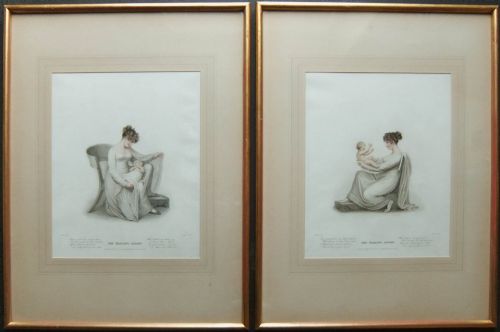
The subjects reflect the shifting visual culture of Britain and Europe, moving from cartography and ornithological studies to sentimental genre scenes and fairy tale illustrations. Buyers encounter both single sheet engravings and unified sets, which capture distinct decorative traditions across the eighteenth, nineteenth, and early twentieth centuries.
How they were made
Makers produced these works using copperplate engraving, stipple, aquatint, and lithography on rag paper, applying watercolour washes by hand to monochrome impressions. Artisans utilised specialised metal plates and stones to transfer fine lines, occasionally combining ink with gold leaf or housing the sheet behind glass within gilt wood or Hogarth frames.
The process relied on skilled colourists who painted delicate hues onto printed outlines, creating variations between copies of the same edition. Printmakers also employed chromolithography for multi-colour impressions without manual tinting, while reverse glass techniques applied pigments directly to the underside of the protective pane.
The inventory records regional maps, natural history studies, and satirical subjects in wall art formats.
What varies in quality
The distinction between tiers rests upon the crispness of the original impression from the plate and the precision of the hand-applied pigment. Early pulls display sharper plate marks and finer details in the lines, whereas later printings soften and blur.
Condition of the paper surface, depth of the watercolour tones, and originality of the framing components also govern the standing of an individual piece. Works retaining their authentic contemporary colouring command greater attention than those with faded or later applied washes.
Francesco Bartolozzi·John Speed·Louis Icart·Warwick Goble·Robert Sayer
The Antique Colour Print Glossary
- Engraving
- A printmaking technique where an artist cuts lines directly into a metal plate with a burin. The resulting incisions hold the ink for transfer under pressure.
- Aquatint
- A variant of etching that produces areas of tone rather than lines through the use of powdered resin. It creates subtle washes resembling watercolours.
- Lithography
- A planographic process based on the antipathy of oil and water, utilising a flat limestone or metal plate to carry the image. Chromolithography applies multiple stones for colour.
- Mezzotint
- A tonal printmaking method where the copper plate is roughened uniformly to produce dark areas, then scraped to create highlights. It yields rich gradations of shade.
- Stipple
- An engraving technique utilising a dense pattern of dots rather than continuous lines to render form and flesh tones. It gained popularity for delicate portraiture.
Antique Colour Print: Frequently Asked Questions
How are antique prints coloured?
Many early works started as black and white engravings or etchings that workers then tinted by hand using watercolour washes. Later nineteenth-century examples often utilised chromolithography to apply multiple ink colours directly through the press.
This combination of printed line and manual pigment gives individual sheets their distinct character. Skilled colourists followed published specimens to ensure accurate botanical or ornithological hues.
Are these prints framed?
A large proportion of pieces arrive within period timber mouldings, including Hogarth frames and gilt wood surrounds. Some retain their original glass and backing papers from past centuries.
Other examples remain unframed as loose sheets on paper, allowing buyers to select conservation mounting suited to their own interiors. Descriptions specify whether glass and historic frames accompany the work.
How do I date an old print?
Dating relies on paper characteristics, plate marks, typographic styles, and recorded publication dates inscribed on the image. Subject matter and costume details also provide clear chronological markers for Georgian and Victorian items.
Engraver signatures and publisher imprints often reference active operating years. Watermarks within the paper stock offer further evidence of manufacture periods.
Where should I hang them?
Paper works require placement away from direct sunlight to prevent the fading of ink and watercolour pigments. Stable room temperatures protect the medium from moisture damage and foxing.
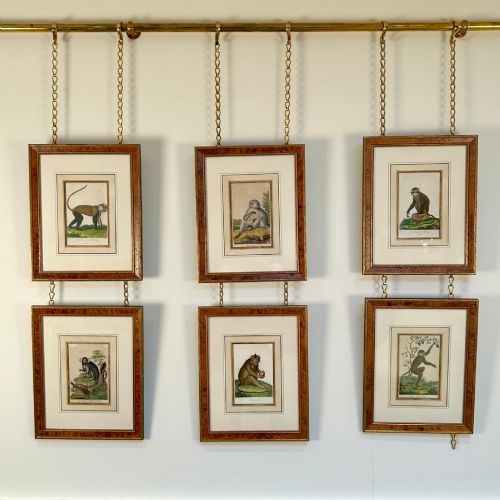
Grouping sets of botanical or sporting plates together creates a balanced wall display. Matching the scale of the frame to the wall space ensures proper visual weight.