
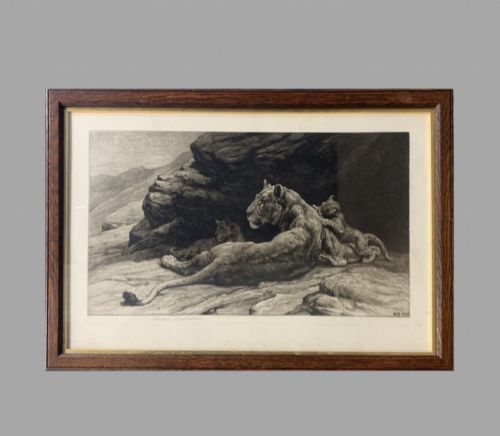


Edwardian Cat Prints
Edwardian cat prints bring the charm of domestic felines and dramatic wild cats onto paper through delicate etching and traditional illustration.
Edwardian Cat Prints
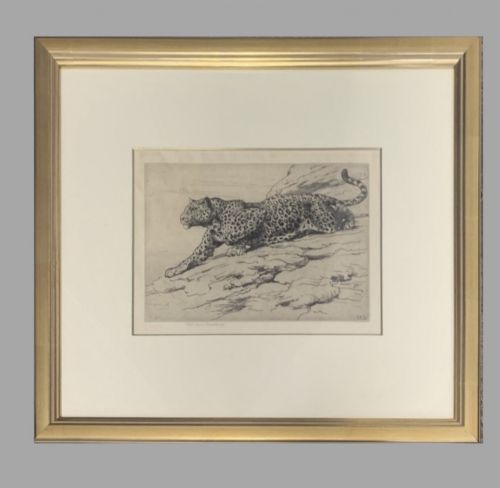
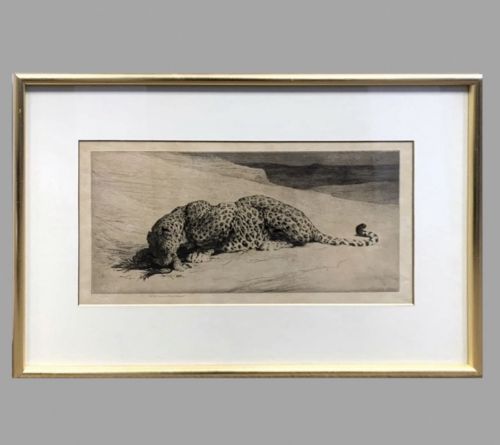
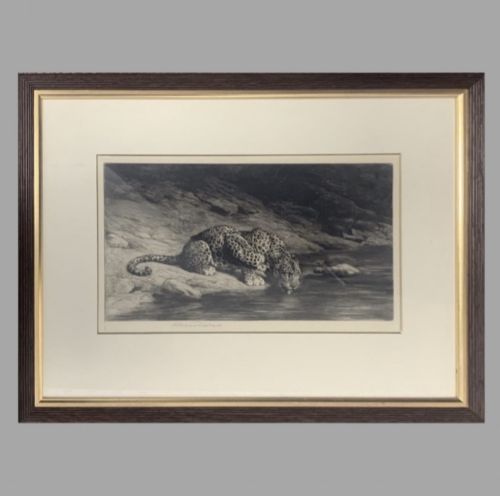
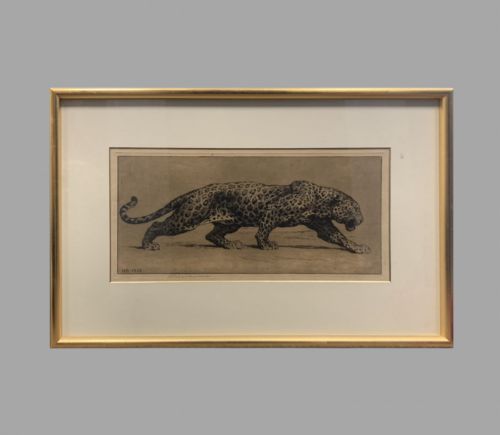
Edwardian cat prints capture domestic pets and wild felines through detailed graphic works on paper and vellum. Buyers searching for edwardian cat prints encounter signed artist proof etchings alongside decorative prints and framed wall art from the early twentieth century.
How they were made
Makers produced these works using ink on paper and vellum, employing etching techniques to capture fine details in the fur and expressions of the animals. Artists created limited editions and signed proofs, often housed in wood, gilt wood, and gold leaf frames with glass protection.
Oil paintings on canvas sit alongside traditional prints, demonstrating the diverse graphic methods of the late nineteenth and early twentieth centuries. Framing materials frequently include oak and gilded moulding to preserve the delicate paper works.
Listings combine delicate paper etchings with oil paintings, spanning the late nineteenth century through the nineteen-thirties.
What varies in quality
Quality rests in the crispness of the ink impression upon paper or vellum and the presence of a genuine artist signature. Limited edition artist proofs carry greater distinction than mass-produced decorative prints.
The preservation of the paper and the quality of the original framing, such as gilt wood and gold leaf surrounds, elevate the piece. The depth and tonal range of the etching distinguish finer artistic outputs from standard reproductions.
Herbert Dicksee·Louis Wain·Charles Burton Barber·Agnes Augusta Tallboys
The Edwardian Cat Prints Glossary
- Etching
- A printmaking process where lines are incised into a metal plate with acid before ink is applied and transferred to paper. This technique allows for remarkable detail in animal subjects.
- Artist proof
- An impression of a print taken in the printmaker's workshop to check the state of the plate before the edition is printed. These bear the signature of the creator.
- Vellum
- A fine parchment made from calfskin used as a durable surface for fine art printing and drawing. It offers a smooth texture distinct from standard paper.
- Gilt wood
- Wood coated with a thin layer of gold leaf or metallic paint to create a decorative frame. This finish was standard for framing fine art prints of the period.
Edwardian Cat Prints: Frequently Asked Questions
How do I care for these prints?
Keep paper works behind glass away from direct sunlight to prevent the ink and vellum from fading over time.
Maintain a stable room temperature to protect both the antique frames and the delicate paper surfaces from moisture damage.
Are these prints usually signed?
Many fine examples feature hand-signed artist proofs from the original print run, marking them as superior impressions.
Other decorative pieces come as unsigned portfolio prints or book plates produced in larger numbers.
What framing is common?
Original presentations frequently utilise dark wood, oak, or decorative gilt wood frames fitted with protective glass.
Some pieces arrive re-framed in sympathetic period styles to ensure the paper remains secure and well-presented on the wall.
How do I date these works?
Look to the paper type, framing materials, and the distinct artistic style characteristic of the early twentieth century.
Signatures and pencil inscriptions by the artist often provide direct evidence of the exact year of publication.