



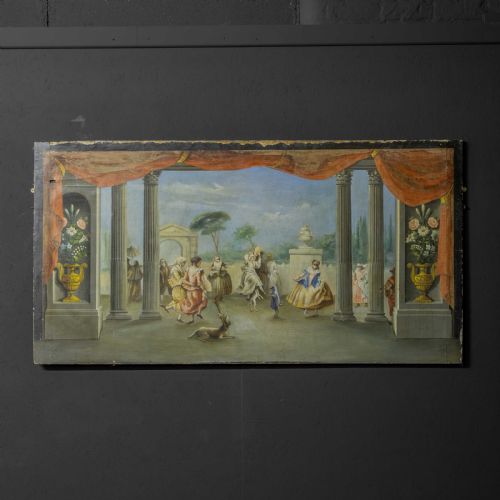


Theatrical Oil Painting
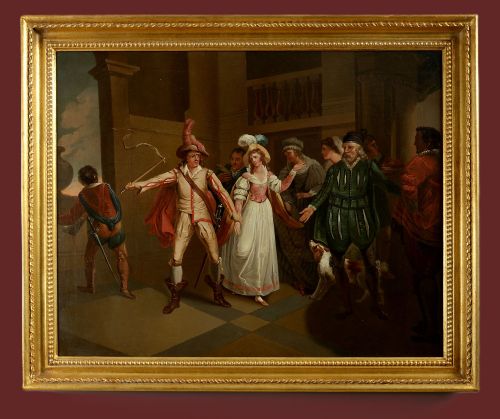
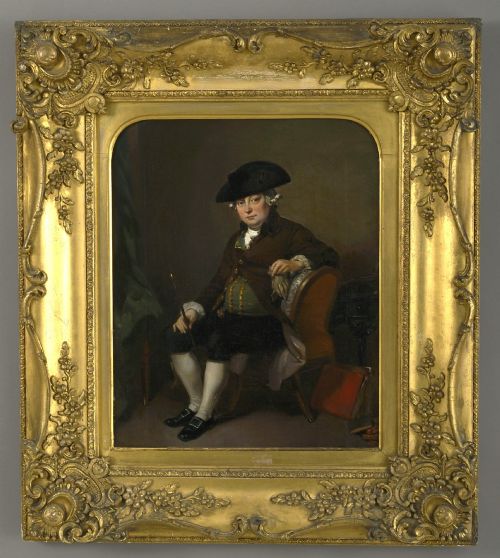
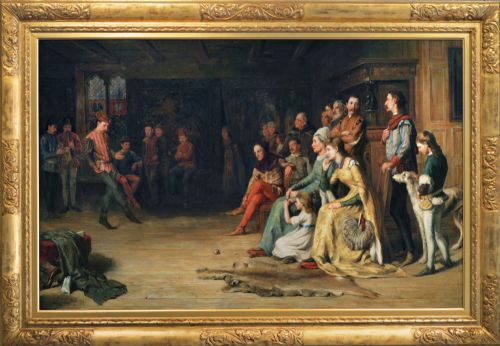
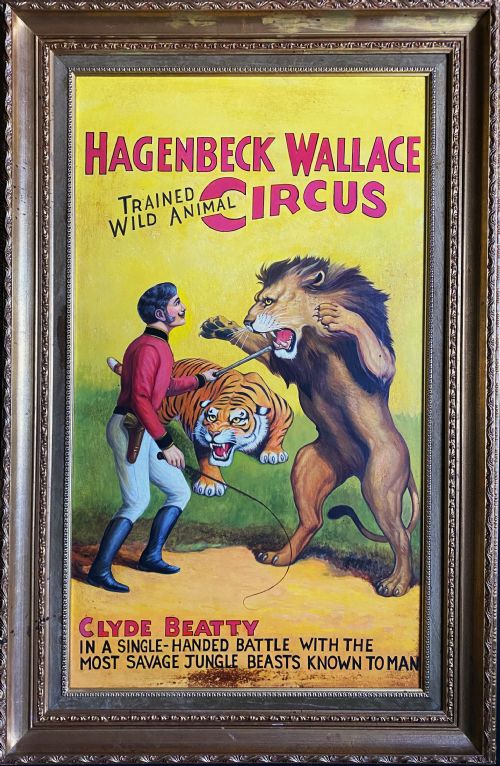
These theatrical oil painting works capture stage players, dramatic scenes and circus performers in rich pigment.
Theatrical Oil Painting
A theatrical oil painting depicts actors in character, stage scenes, circus acts and historical performances on canvas or panel. When you search for a theatrical oil painting, you encounter works ranging from Georgian and Victorian portraits to mid-century illustrations and surrealism.
The subjects span Shakespearean drama, commedia dell'arte players, dancers, and performers in iconic roles such as Richard III or Shylock. These compositions preserve the dynamic energy and atmosphere of historical stages and performance halls.
How they were made
Artists applied oil paint to prepared canvas surfaces or wood panels, utilising layered pigment to build depth, costume detail and dramatic lighting. Many of these works retain their original giltwood or gilt frames, which complement the tonal richness of the oil medium.
Brushwork varies from the tight academic realism seen in nineteenth-century character studies to looser mid-century illustrative strokes. Pigments capture the artificial illumination of footlights and the theatrical atmosphere through careful contrast.
Subjects include circus cyclists, lion trainers, Shakespearean actors and Victorian dancers captured by academic and surrealist artists.
What varies in quality
Quality rests upon the psychological depth of the portraiture, the handling of light, and the accuracy of costume and character expression. Stronger examples convey the specific personality and stage presence of the actor rather than a generic likeness.
The sophistication of the composition and the integrity of the canvas or panel surface dictate the standing of a piece. Finer works demonstrate a confident command of theatrical staging and pigment layering that elevates the scene beyond mere record.
Samuel De Wilde·James Hamilton·Hans Temple·Richard Geiger·Andre Delfau·Lucy Kemp-Welch·George Clint·Samuel John Stump
The Theatrical Oil Painting Glossary
- Oil on Canvas
- Pigment mixed with drying oil applied to a woven fabric support stretched over a wooden frame. This combination allows for rich blending and textured brushwork.
- Giltwood
- Wood carved and coated with a thin layer of gold leaf or gilt powder. It frequently surrounds these paintings in ornate historical frames.
- Commedia Dell'arte
- An early form of theatre characterised by improvised plays and stock masked characters. Artists frequently painted performers from these troupes.
- Academic Realism
- A style of painting produced under the influence of European academies of art. It emphasises precise rendering, classical subjects and detailed theatrical portraiture.
Theatrical Oil Painting: Frequently Asked Questions
What subjects appear in these paintings?
The subjects include named actors in specific stage roles, circus performers, dancers, and dramatic narrative scenes from literature.
Performers appear in character costume, capturing moments from plays and theatrical productions.
How should I hang an oil painting?
Hang the canvas away from direct sunlight and fluctuating heat sources to protect the oil paint and canvas support.
Ensure the wall fixings safely support the weight of both the painting and its frame.
How do I identify the period?
Examine the style of the brushwork, the canvas preparation, and the framing materials to help determine the era.
Costume details, sitter identities, and inscribed biographical data on the canvas or reverse often provide exact dates.
What is commedia dell'arte?
It is a theatrical tradition originating in Italy featuring masked stock characters and improvised comedic scenarios.
Artists painted these colourful troupes because their dynamic costumes and gestures offered striking visual compositions.