

Dark Brown Portrait Painting
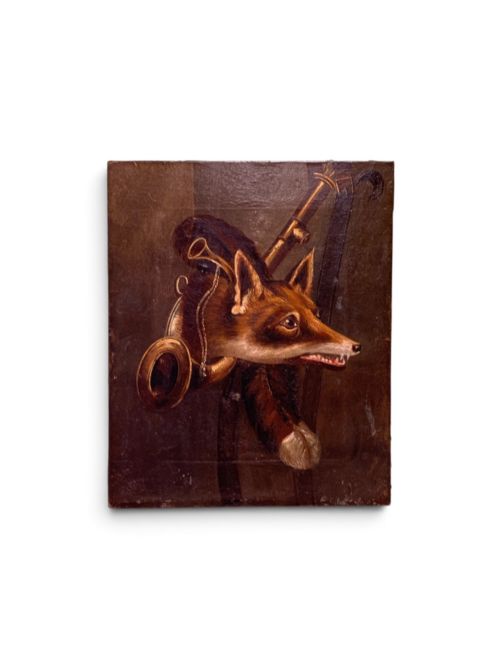
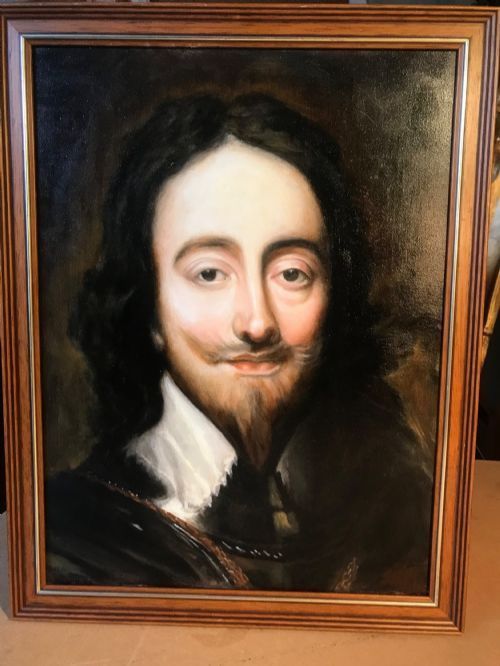
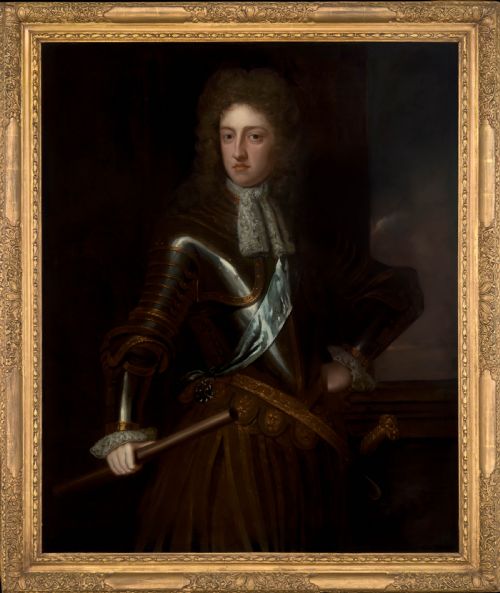
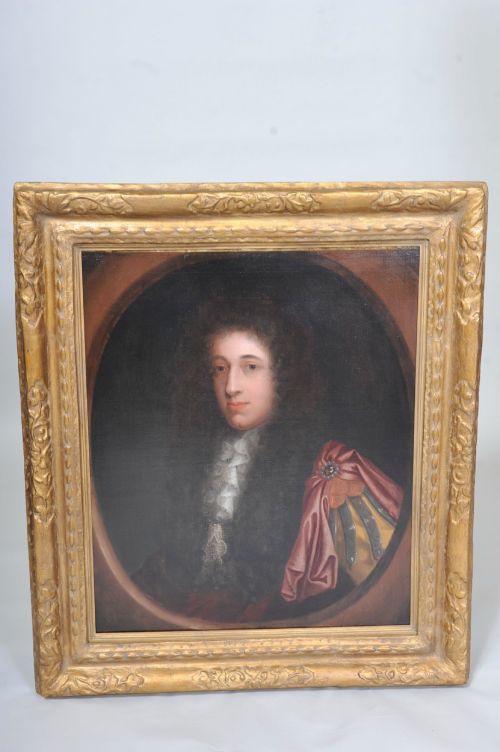
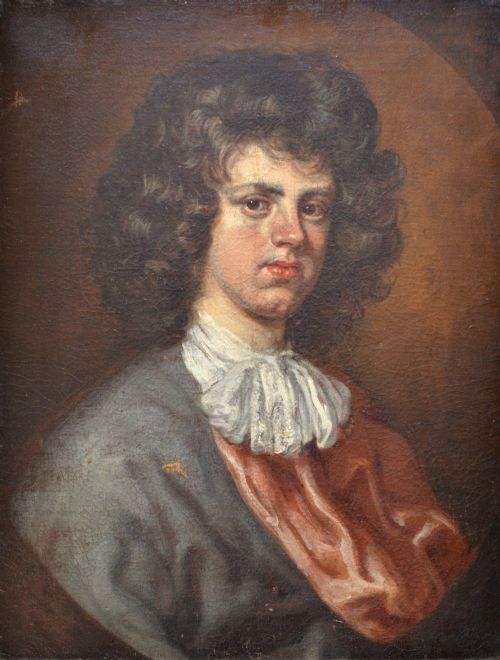
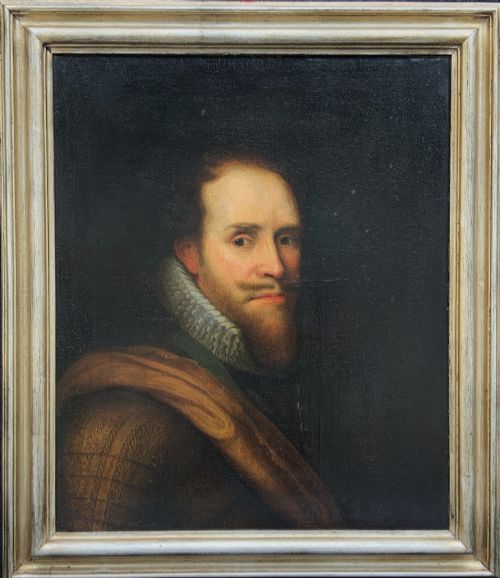
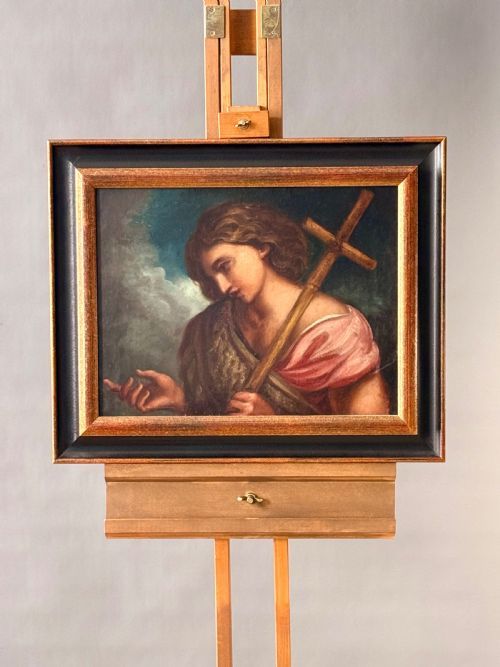
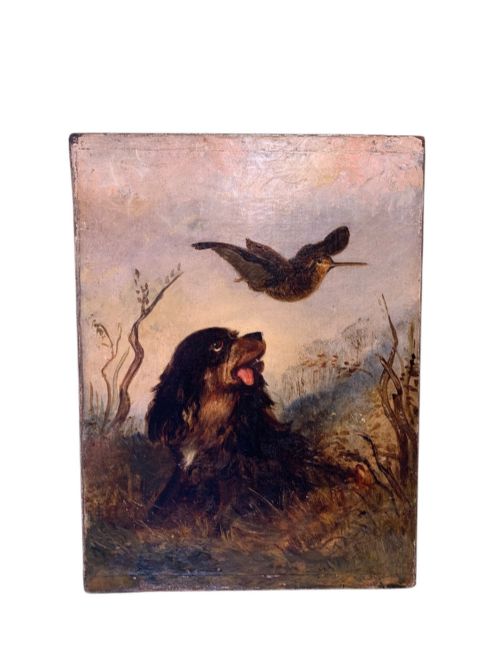
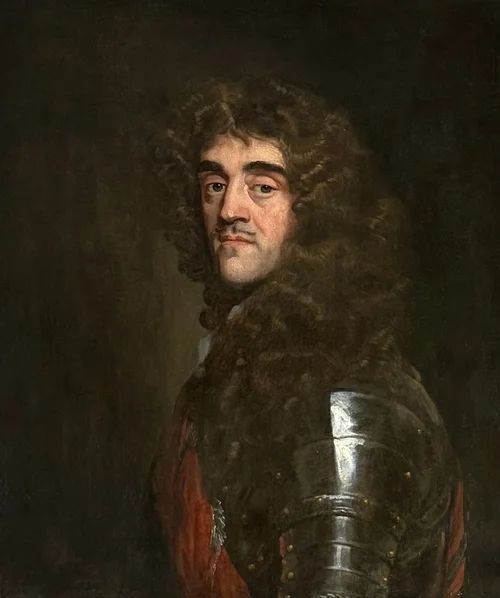
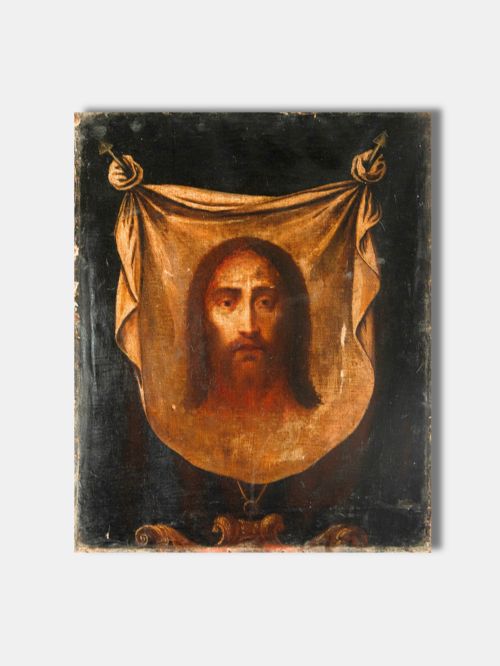
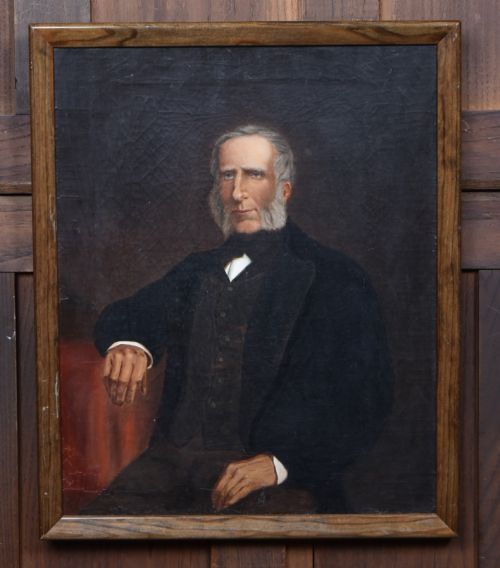
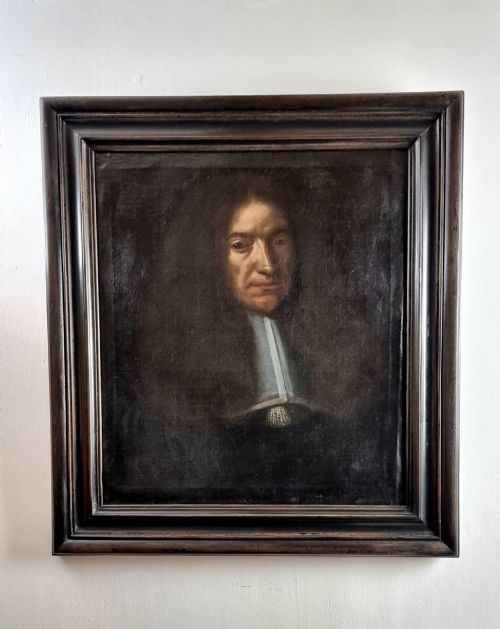
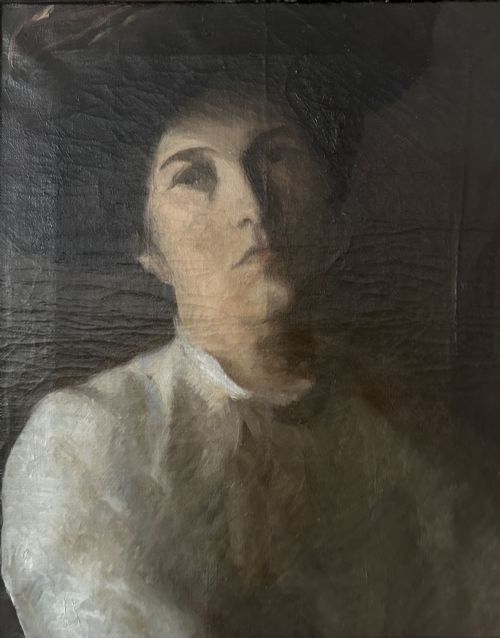
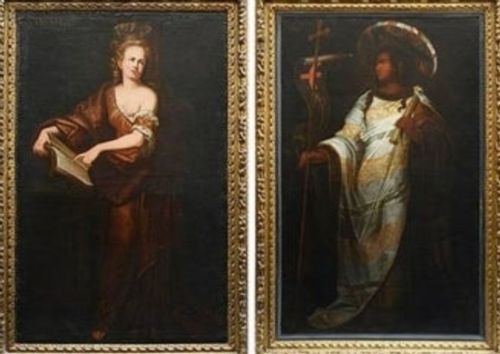
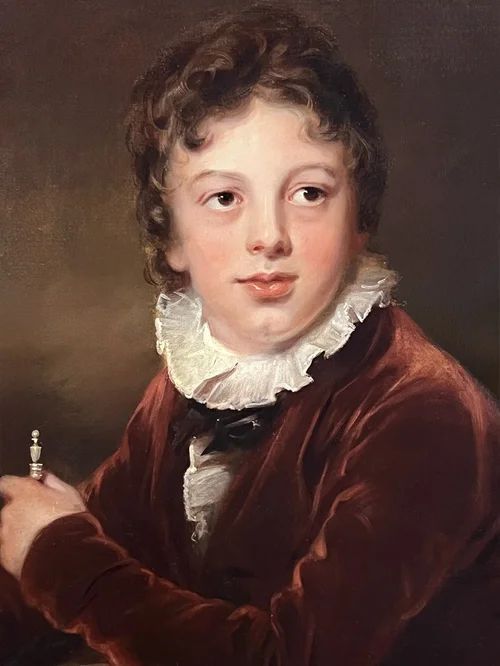
These dark brown portrait painting works are oil on canvas expressions of historical figures set in timber and giltwood frames.
What These Pieces Are
A dark brown portrait painting brings centuries of character into a room through oil on canvas depictions of named individuals and anonymous sitters. The selections on this page span the seventeenth century, the eighteenth century, the nineteenth century, and the Edwardian period.
Most examples present dignified subjects rendered in deep, sombre tones typical of seventeenth-century English and Italian schools or nineteenth-century British traditions. Forms range from intimate head studies to substantial framed works executed by known portraitists and provincial hands alike.
Buyers encounter oil paintings depicting gentlemen, ladies, actors as literary characters, and occasionally historical horses captured in provincial English styles. Each canvas serves as a direct link to past portraiture traditions across various European and British schools.
How They Were Made
Makers applied oil paint directly onto stretched canvas surfaces using traditional brushes and layering techniques to build deep, dark brown chromatic depth. Painters manipulated pigments to achieve subtle tonal gradations, capturing the play of light on fabric, flesh, and background shadows.
Finished oil on canvas works were secured within heavy wood frames, often enhanced with giltwood or burr walnut surrounds that complemented the dark palettes of the paintings. These period frames provide structural integrity while framing the subject matter with ornamental carved or polished wood.
Retail Price Guide 2026
Typical UK retail prices for dark brown portrait painting, calculated from the Sellingantiques database of over a million retail prices indexed since 2003. This retail price guide relies exclusively on Sellingantiques data; no external sources or auction records are used, so the figures do not describe the wider market.
Among the historical humans on canvas, the archives once welcomed a dark brown stallion named Alonzo.
What Varies in Quality
The sophistication of the accompanying wood frame, whether carved giltwood or figured burr walnut, influences the overall integrity of the piece. Surviving attributions to recorded artists or identifiable sitters elevate the historical weight of the artwork.
William Blake Richmond·Jan Cossiers·Samuel John Stump·John Raphael Smith·John Ward Dunsmore
The Dark Brown Portrait Painting Glossary
- Oil on canvas
- A painting medium where pigments bound in drying oil are applied to a woven fabric support. This combination allowed artists to blend tones smoothly and achieve rich dark brown glazes.
- Giltwood
- Timber that has been coated with a thin layer of gold leaf or gold paint. It frequently borders dark brown portrait painting works to provide a reflective contrast.
- Baroque
- An artistic style prevalent in the seventeenth century characterised by dramatic lighting and deep shadows. Many dark brown portrait painting examples employ this moody aesthetic.
- Burr walnut
- A prized timber veneer showing intricate knot formations, often used for framing fine art. Its rich grain complements the sombre tones of antique canvases.
Frequently Asked Questions
What periods do these paintings come from?
The inventory spans the seventeenth century, the eighteenth century, the nineteenth century, and the Edwardian era. These periods encompass various British and European schools of oil painting.
Buyers find everything from seventeenth-century Italian school heads to nineteenth-century British theatrical portraits.
How should I frame an antique portrait?
Many examples arrive in their original wood frames, which often feature giltwood or burr walnut construction. Preserving these historic surrounds maintains the integrity of the piece.
Avoid replacing period frames unless structural damage threatens the safety of the oil on canvas artwork.
Are all the sitters identified?
Some canvases name specific historical figures, actors, or gentlemen, while others record anonymous sitters from provincial English or continental schools. Attributions range from documented artists to historical school designations.
Archival records help scholars connect specific faces to known portraits from the past.
What materials make up these works?
The primary materials are oil paint applied to stretched canvas surfaces, supported by wood frames. Elements of giltwood and burr walnut appear frequently in the surrounding mouldings.
These traditional components define the physical structure of historic portrait paintings.