


Gilt Frame Wall Art
Gilt frame wall art brings centuries of portraiture, landscape and decorative design into a room through luminous, gilded enclosures.
Gilt Frame Wall Art
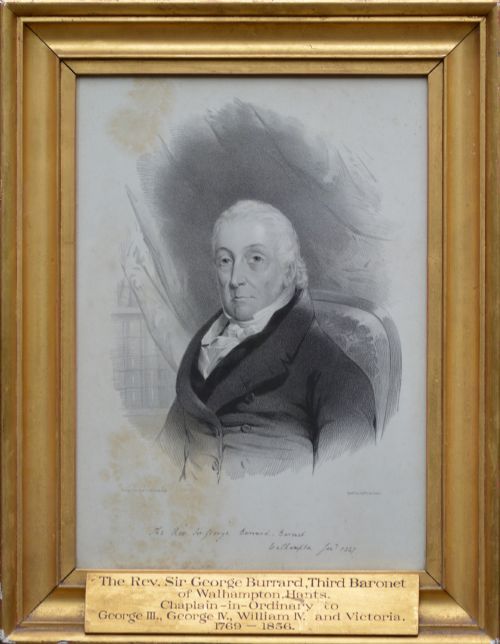
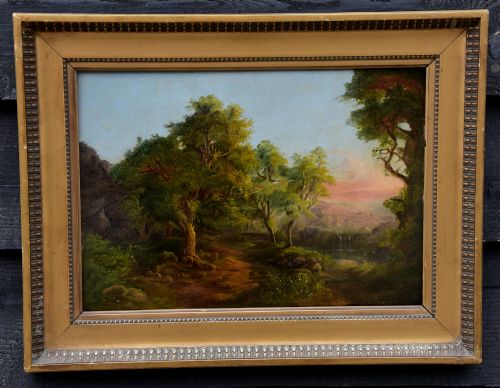
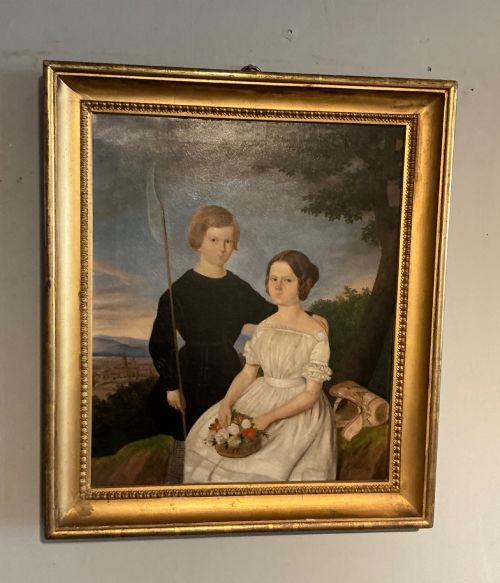
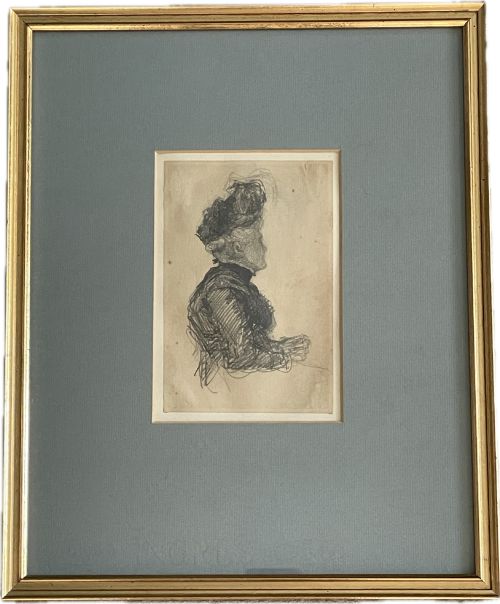
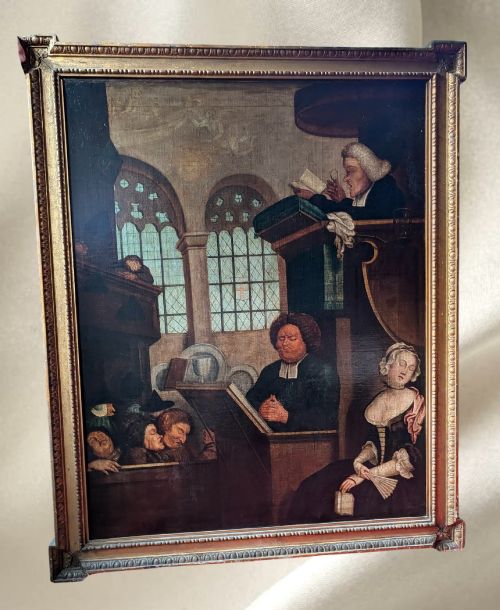
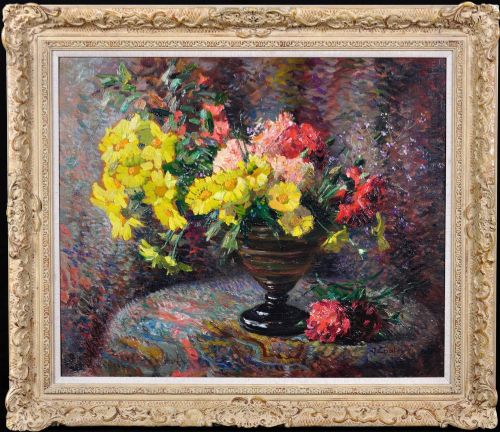
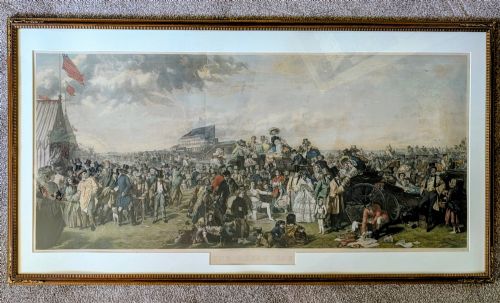
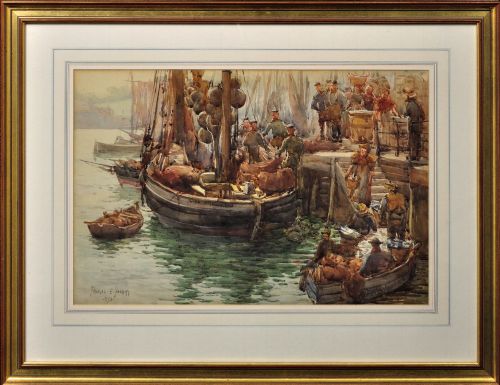
Gilt frame wall art encompasses historical oil paintings, watercolours, pastels and engravings housed within ornamented wooden surrounds. The selection spans the seventeenth through to the twentieth century, capturing diverse movements from British Baroque to French Rococo and Edwardian realism.
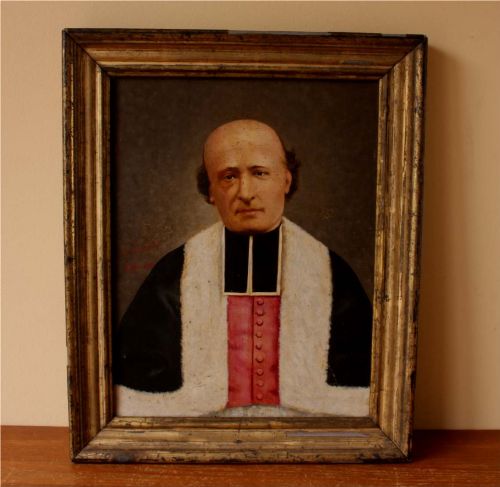
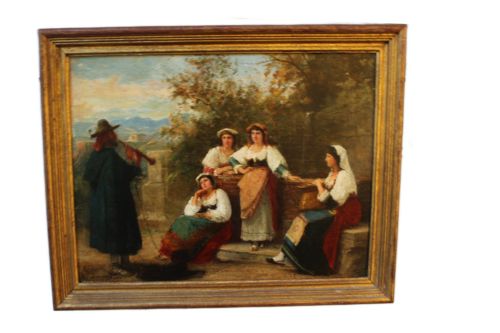
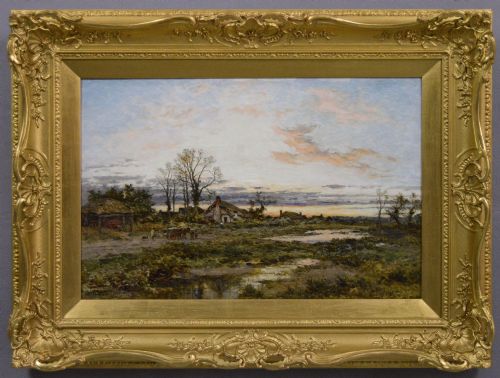
Buyers encounter oil portraits of nobility, pastoral landscapes and botanical still lifes alongside delicate watercolours and print media. The 19th century and 18th century provide the bulk of the oil paintings and works on paper, while earlier seventeenth-century examples offer darker, more austere portraiture.
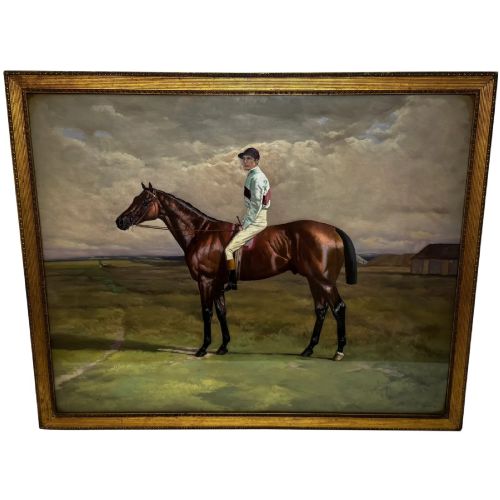
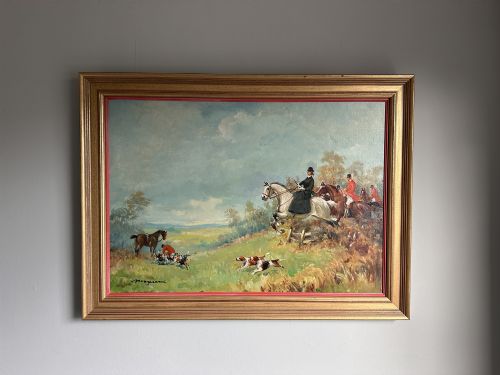
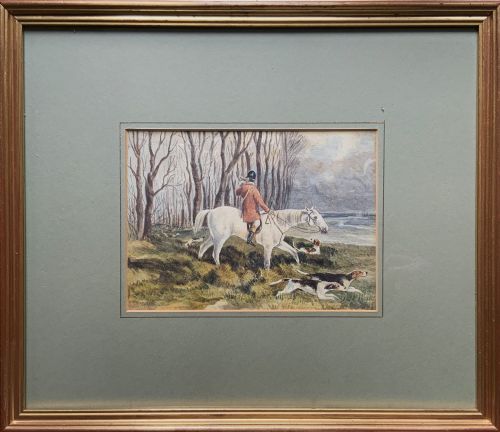
Framed artwork appears in varied formats, from intimate cabinet paintings to grand canvases and mirrors. Whether selecting a Victorian equine study or a Chinese Canton watercolour from the Regency era, the enclosing frame forms an integral part of the visual object.
Materials and construction
The underlying canvas, panel or paper supports oil, watercolour, pastel or ink, executed by artists using traditional pigments and binders. Canvases are stretched across wooden frames before receiving layers of ground and paint.
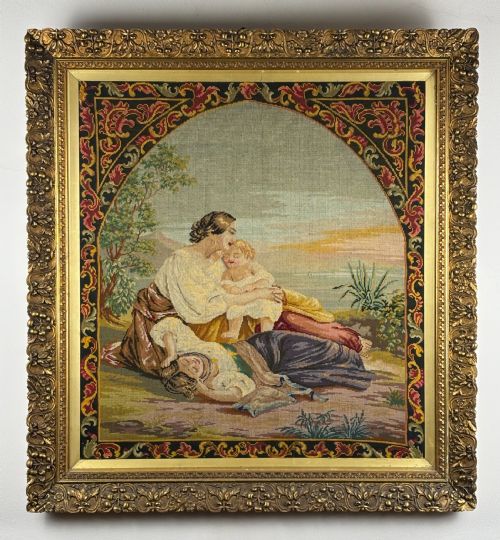
Surrounding enclosures utilise timber such as wood and giltwood, finished with applications of gold leaf or gesso. Artisans carved and moulded these decorative frames to complement the aesthetic of the period, securing the artwork within glass or open sight edges.
Gilt Frame Wall Art Retail Price Guide 2026
Typical asking prices for gilt frame wall art among the pieces listed under this phrase on Sellingantiques today, from the lower quarter to the upper quarter. They describe what is for sale here now, not the wider market.
Listings feature works spanning the 17th century to the mid-20th century, executed in oil, watercolour, pastel and engraving.
Assessing craftsmanship
Excellence in these pieces lies in the execution of the primary medium, whether it is the confident brushwork of an oil portrait or the precise line of an engraving. Superior examples demonstrate anatomical accuracy, tonal depth and balanced composition by named artists or accomplished schools.
The standard of the surrounding enclosure contributes significantly to the overall merit. Hand-carved giltwood with intact, crisp moulding and original gilding represents a higher tier of craftsmanship than later, mass-produced replacements.
Henry Barraud·Sir Joshua Reynolds·Sir Peter Lely·John Maler Collier·Francesco Bartolozzi
The Gilt Frame Wall Art Glossary
- Giltwood
- Wood carved and coated with gold leaf or metallic powder to create a bright, reflective surface. This finish defines the characteristic radiance of period frames.
- Gesso
- A plaster-like mixture applied to wooden frame bases to provide a smooth foundation for gilding and ornamentation. Skilled makers built up deep relief designs using this compound.
- Mezzotint
- A printmaking process of the tonal method, enabling the reproduction of rich darks and subtle gradations. It gained popularity for translating oil paintings into popular prints during the eighteenth century.
- Trumeau
- An architectural mirror or panel featuring an oil painting set into the upper section. These decorative elements originated in French interior design.
- Stipple engraving
- A technique using dots rather than lines to create soft tonal effects and realistic flesh tones on paper. Printmakers utilised this method extensively for portraiture.
Gilt Frame Wall Art: Frequently Asked Questions
What lighting suits historical oil paintings?
Warm, low-intensity LED picture lights mounted above the frame highlight the brushwork and metallic sheen of the gilding without generating damaging heat. Natural sunlight should be avoided to prevent fading of pigments and degradation of the canvas.
Positioning pieces away from direct heat sources and glaring windows preserves the integrity of both the paint layer and the wooden support over time.
How do I clean a gilt frame?
Dust accumulates in the intricate crevices of carved wooden frames, requiring gentle removal with a soft, dry artist brush or ostrich feather duster. Moisture and chemical cleaning agents must be avoided, as water strips historical water-gilding and damages fragile gesso.
Professional conservation is recommended for deep cleaning or repairing flaking gilding to maintain the physical stability of the piece.
Can I mix different centuries of frames?
Combining seventeenth-century dark portraits with nineteenth-century landscapes creates visual depth and reflects an authentic, collected interior style. The unifying element is often the warmth of the gold leaf across different framing traditions.
Proportion and scale matter more than matching exact dates when grouping various framed works together on a single wall.